Can Dogs Have Whipped Cream? Dairy, Xylitol, and Can Risks
One lick of plain whipped cream is usually low risk for a healthy dog, but it is not a useful routine treat. Lactose, fat, sugar, xylitol, chocolate, coffee, alcohol flavors, oversized servings, aerosol cans, and swallowed packaging can turn a cute taste into a medical problem.
Start with the product and amount
- One lick of plain dairy cream: usually monitor for digestive upset.
- A cup or stolen bowl: call if the dog is small, fat-sensitive, medically restricted, or symptomatic.
- Sugar-free product: check immediately for xylitol, birch sugar, wood sugar, or birch bark extract.
- Chocolate, mocha, coffee, or alcoholic flavor: assess every active ingredient, not just the cream.
- Aerosol can, cartridge, nozzle, lid, cup, or wrapper damaged: contact a veterinarian about physical and inhalation risks.
Save the container and note ingredients, serving size, amount left, time, dog weight, health conditions, medications, and symptoms. Homemade, canned, tub, non-dairy, and coffee-shop whipped toppings are not interchangeable.
Lactose tolerance varies
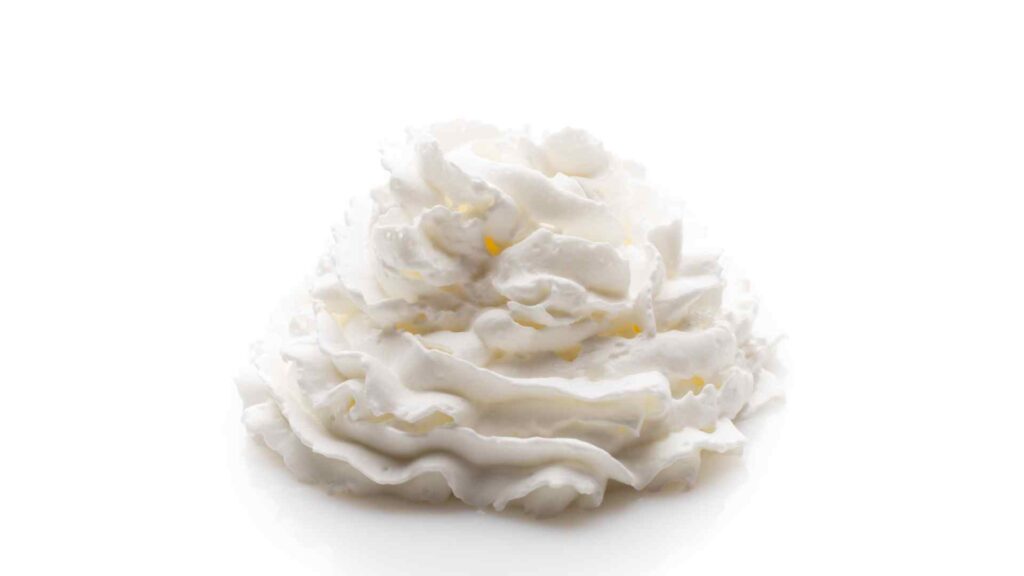
Whipped cream contains dairy lactose, although fat content and portion often matter alongside it. Some adult dogs digest a small amount without trouble, while others develop gas, bloating, loose stool, vomiting, or abdominal discomfort.
The veterinarian-reviewed PetMD milk guide explains that dogs may lose lactase activity after weaning and that dairy can cause digestive signs. A past lick without symptoms does not guarantee that a larger serving will be tolerated.
Stop offering cream if digestive signs follow it, and call if vomiting or diarrhea is repeated, painful, bloody, accompanied by weakness, or not settling as expected. Do not give human anti-diarrheal medicine without veterinary advice.
Our milk guide covers lactose intolerance, milk-protein reactions, and puppy feeding. Whipping does not remove those underlying dairy questions.
Fat is the bigger issue after a large serving
Heavy cream is calorie-dense and high in fat, so a bowlful can cause vomiting and diarrhea even in a dog that handles lactose. It may also contribute to pancreatitis in susceptible dogs.
The Merck Veterinary Manual pancreatitis overview describes vomiting, appetite loss, weakness, abdominal pain, dehydration, and diarrhea among possible signs. Those signs after a cream theft require veterinary assessment rather than a home fasting plan.
Dogs with prior pancreatitis, high blood fats, obesity, endocrine disease, or a prescribed low-fat diet should not receive whipped cream casually. Even one coffee-shop cup can be a large fat load for a small dog.
A painful dog may hunch, pace, guard the belly, or stretch with the front end low. Do not press on the abdomen or give ibuprofen, acetaminophen, aspirin, or leftover pet medicine.
Sugar adds calories without a canine benefit
Sweetened whipped cream may contain cane sugar, corn syrup, flavored syrup, or other caloric sweeteners. One lick is unlikely to create a sugar emergency, but repeated servings can undermine weight management and dental health.
Dogs with diabetes need a stable feeding and medication plan and should not receive sweet cream as an improvised energy boost. Call the veterinarian managing the disease for appetite changes or suspected low blood sugar.
The World Small Animal Veterinary Association treat guide recommends keeping all treats below 10 percent of daily calories. Whipped cream spends that allowance quickly without offering useful training nutrition.
Frozen whipped topping and non-dairy products can still contain sugar, oils, gums, and substantial calories. Non-dairy does not mean low-fat or dog-safe.
Xylitol is an emergency ingredient
Sugar-free whipped topping, flavored dessert cream, frosting, or homemade keto cream may contain xylitol. This sweetener can rapidly lower a dog’s blood sugar and may also cause liver injury.
The FDA xylitol warning advises immediate contact with a veterinarian, emergency clinic, or animal poison-control service after suspected ingestion. Do not wait for vomiting, weakness, stumbling, collapse, tremors, or seizures.
Read the actual ingredient list because labels such as no added sugar, light, skinny, or keto do not identify the sweetener. Ask for the exact recipe when the cream was homemade.
Do not give syrup, sugar, food, or another home remedy unless the veterinary professional managing the case instructs you. Bring the product and amount information.
Chocolate, coffee, and mocha toppings
Chocolate whipped cream can contain cocoa or melted chocolate, while mocha and coffee creams may include caffeine or espresso. These methylxanthines can affect the heart, muscles, and nervous system.
Risk depends on cocoa type, caffeine concentration, serving size, amount, and dog weight, so save the label or recipe. Our chocolate guide and coffee guide show which details speed triage.
Call promptly for more than a tiny taste or any unknown amount, especially in a small dog. Restlessness, vomiting, panting, rapid heart rate, tremors, overheating, or seizures requires urgent care.
Alcohol flavors are not cooked away in cold cream
Whipped cream may be flavored with rum, bourbon, Irish cream, coffee liqueur, brandy, or alcohol-containing extracts. Because the topping is not cooked after flavoring, alcohol may remain in the finished product.
A lick of lightly flavored cream is different from a bowl or bottle spill, but small dogs have less margin. Call for more than a tiny taste, unknown concentration, or signs such as vomiting, abnormal walking, unusual sleepiness, low body temperature, slow breathing, or collapse.
Do not use coffee, a cold shower, exercise, or food to sober a dog. Keep the animal warm and quiet while following emergency instructions.
Aerosol cans create physical and inhalation risks
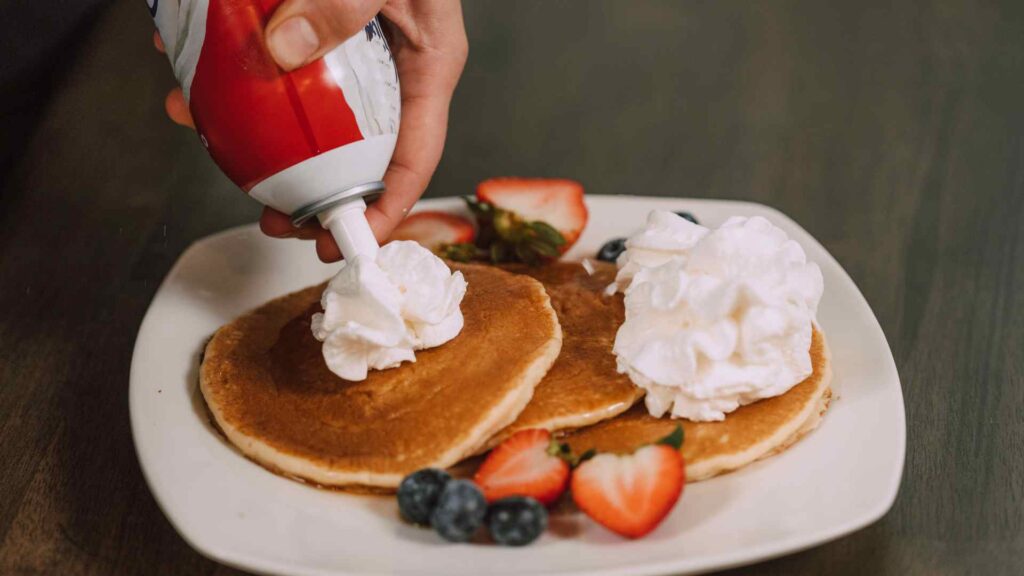
Pressurized whipped cream cans contain a propellant and metal container, plastic nozzle, cap, and internal parts. A dog that bites or punctures one can injure the mouth, eyes, face, or lungs and may swallow plastic or metal.
Move the dog away from a leaking can and ventilate the area if that can be done safely. Seek urgent help for coughing, breathing difficulty, eye pain, bleeding, facial injury, weakness, or suspected metal ingestion.
Do not deliberately spray whipped cream into a dog’s mouth because the nozzle can startle the dog and encourage air swallowing or coughing. Put a tiny portion on a spoon or skip it.
Cups, lids, straws, foil seals, piping bags, tips, and wrappers can also choke or obstruct. Report every missing object and do not induce vomiting if sharp material may be present.
Coffee-shop pup cups are still discretionary treats
A cup of plain whipped cream may be marketed as a dog treat, but the serving was usually designed around a human beverage station rather than an individual dog’s calorie needs. Ask what product is used and request a much smaller portion.
Cross-contact with chocolate drizzle, coffee, sugar-free syrup, or nut toppings can occur in a busy preparation area. A severe food-allergic dog or dog on an elimination diet should skip shared equipment.
Bring your own measured dog treats when an outing includes a cafe. The social ritual can remain without a cup of fat and sugar.
Homemade and non-dairy toppings need full recipes
Homemade whipped cream may include confectioners’ sugar, vanilla extract, liqueur, cocoa, coffee, flavored syrup, or a sugar substitute. Ask the person who prepared it for exact ingredients and quantities rather than assuming a white topping is plain.
Coconut, oat, almond, and soy whipped toppings avoid dairy lactose but may add oils, thickeners, sugar, xylitol, chocolate, or proteins that conflict with an allergy trial. Plant-based describes the base and does not certify the finished product for dogs.
A true food reaction can cause vomiting, diarrhea, itching, hives, facial swelling, or recurring ear trouble, although one episode does not identify the ingredient. Breathing difficulty, collapse, or rapidly worsening swelling requires emergency care.
Stop the product and save the label if signs appear, then let a veterinarian decide whether a controlled elimination diet is appropriate. Do not use internet saliva or hair tests to diagnose a cream allergy.
Whipped cream is not a calcium or recovery food
Whipped cream should not be fed for calcium, hydration, weight gain, medication delivery, post-surgical recovery, or appetite treatment without veterinary direction. A complete dog food supplies planned nutrient ratios, while cream mostly adds discretionary fat and calories.
Puppies needing supplemental feeding require a canine milk replacer and veterinary plan, not whipped cream. Sick dogs with poor appetite need the cause evaluated rather than hidden under a topping.
If a medicine can be given with food, ask the prescribing veterinarian for a compatible small vehicle. Some drugs require fasting, and rich dairy may worsen the condition being treated.
What to do after a whipped cream theft
- Secure the remaining product, can, toppings, and packaging.
- Check xylitol, chocolate, coffee, alcohol, nuts, raisins, calories, fat, and serving concentration.
- Estimate amount and time, then note dog weight, conditions, medications, diet, and symptoms.
- Call immediately for xylitol and promptly for dangerous flavors, a large amount, medical vulnerability, can damage, packaging, or signs.
- Follow the veterinary plan and save the original product.
Do not induce vomiting or give peroxide, salt, mustard, oil, milk, food, or medicine unless a veterinarian directs you. Ingredients, symptoms, sharp packaging, timing, and aspiration risk determine the safest response.
Bottom line
One lick of plain whipped cream is usually low risk, but it is an optional indulgence rather than a beneficial treat. Lactose, fat, sugar, xylitol, dangerous flavors, aerosol cans, large servings, medical diets, and packaging deserve a closer look.