Can Dogs Eat Pumpkin Seeds? Shells, Salt, Mold, and Mixes
A few fresh, plain, shelled pumpkin seeds are usually low risk for a healthy dog, but they are not a necessary supplement. Shells, salt, seasoning, fat, calories, mold, rancidity, trail mix, xylitol, raisins, concentrated oils, and swallowed packaging can change the answer.
The form matters
- Plain shelled kernels: offer only a few if the dog tolerates them.
- Seeds with hulls: avoid routine feeding because tough shells add choking and digestive concerns.
- Salted or flavored pepitas: check sodium, garlic, onion, chile, sugar, chocolate, and every coating.
- Trail mix or granola: look immediately for raisins, grapes, xylitol, macadamia, chocolate, and caffeine.
- Oil, powder, extract, or supplement: do not convert food guidance into a concentrated dose.
Save the package and note shelled versus in-shell, raw versus roasted, ingredients, amount, time, dog weight, symptoms, conditions, and medications. Count missing bags, clips, scoops, jars, lids, and freshness packets too.
Plain kernels are the simplest version
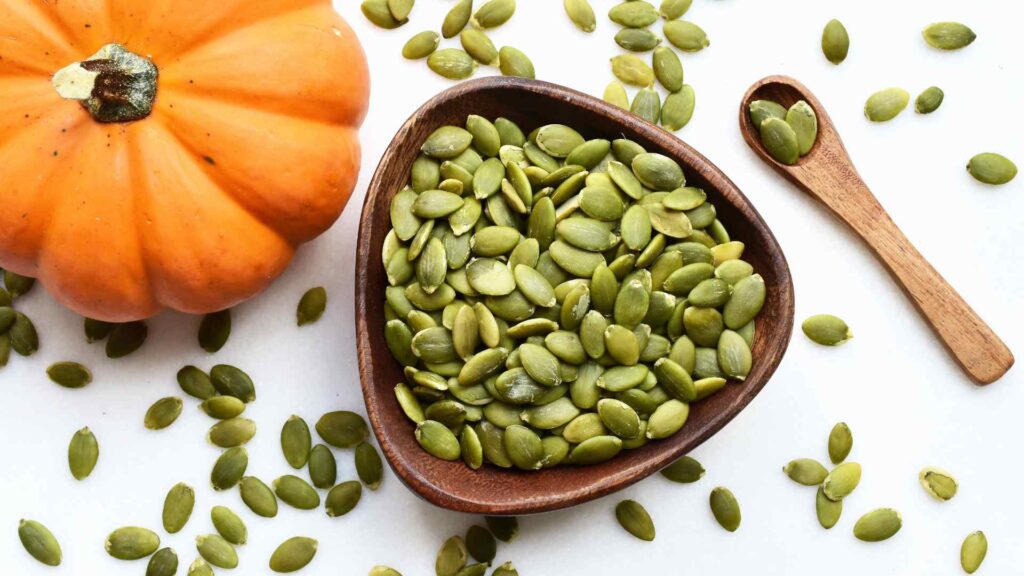
Pumpkin kernels, often sold as pepitas, are not generally treated as a canine toxin in small food amounts. Their fat, calories, and fiber can still cause vomiting, diarrhea, gas, or appetite changes in an individual dog.
Choose fresh, human-food seeds that are shelled, unsalted, and unseasoned, then offer only a few. Do not let the dog eat from the bag because a handful is hard to count and easy to repeat.
Our pumpkin guide separates flesh, puree, rind, stems, seeds, and pie. Plain pumpkin flesh and concentrated oily seeds are not nutritionally interchangeable.
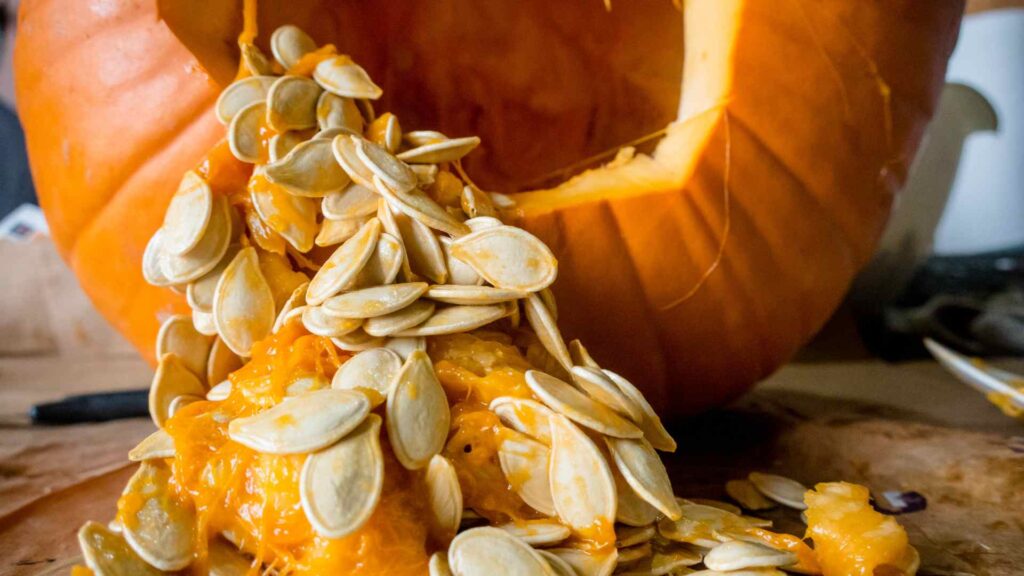
A whole pumpkin opened for cooking may also expose the dog to stringy pulp, rind, stem, candles, wax, paint, toothpicks, compost, or mold. Assess the entire scene, not just the seeds.
Hulls are tough and unnecessary
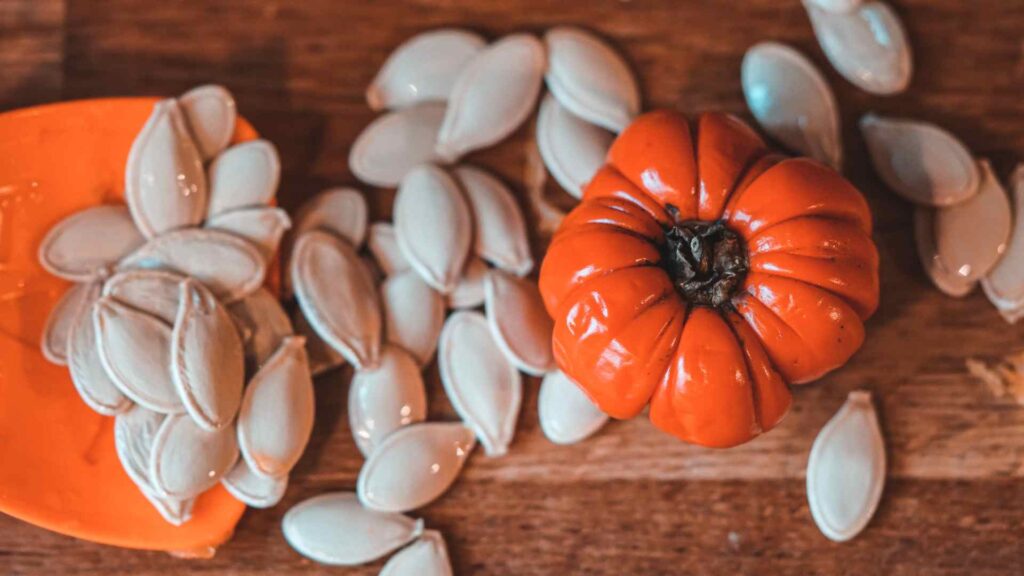
White pumpkin-seed hulls are fibrous and harder to digest than green kernels. A few chewed hulls may pass, but a large amount can irritate the digestive tract or contribute to a bulky mass.
Small dogs and fast eaters can choke on whole seeds, especially when several stick together with saliva or nut butter. Use shelled kernels and supervise rather than offering in-shell seeds as an activity.
Call for repeated vomiting, gagging, abdominal pain, refusal to eat, lethargy, straining, or inability to keep water down. Do not force water or fiber and do not induce vomiting unless a veterinarian directs you.
Salted seeds are a quantity problem
One salted kernel is unlikely to cause salt poisoning, but a large pouch can deliver a substantial sodium load. Dogs with heart, kidney, blood-pressure, or fluid-balance disease may have individualized restrictions.
Keep normal access to fresh water unless a veterinarian gave different instructions, but never force water into the mouth. Marked thirst, repeated vomiting, wobbliness, weakness, tremors, seizures, or unusual dullness warrants urgent advice.
Rinsing may remove some surface salt but does not make a heavily seasoned snack suitable, and it does not remove ingredients cooked into a coating. Choose a truly plain product from the start.
Seasoning can hide garlic, onion, and chile
Barbecue, ranch, taco, chile-lime, cinnamon-sugar, maple, and spicy pepitas are multi-ingredient foods. Powder coats every kernel, so brushing the surface does not create a plain snack.
Garlic and onion can damage canine red blood cells in dried and powdered forms, with signs potentially delayed for days. Chile may cause painful mouth and digestive irritation, while chocolate adds methylxanthine risk.
Save the label and call for a meaningful or unknown amount of a dangerous ingredient. Do not wait for weakness, pale gums, rapid breathing, tremors, or collapse.
Fat and calories limit routine use
Pumpkin seeds are calorie-dense because they contain substantial fat. A generous handful can cause digestive upset and may be unsuitable for dogs with obesity, high blood fats, previous pancreatitis, or a prescribed low-fat diet.
The Merck Veterinary Manual pancreatitis overview lists vomiting, appetite loss, weakness, abdominal pain, dehydration, and diarrhea among possible signs. Those signs after a large seed raid deserve veterinary assessment.
The World Small Animal Veterinary Association treat guide recommends keeping all treats below 10 percent of daily calories. Small oily seeds can consume that allowance faster than their size suggests.
Dogs on a complete diet do not need pumpkin seeds to add protein, minerals, or fat. Extras can dilute nutritional balance even when every ingredient sounds wholesome.
Rancidity and mold are different problems
Seed oils can oxidize during warm, light, humid, or prolonged storage, creating stale or paint-like odors and unpleasant flavors. Rancid seed is not a useful treat and should be discarded securely.
Mold contamination can create more serious hazards, and not every relevant toxin is visible or detectable by smell. The FDA animal-food contaminants guide explains that molds can grow on seeds during production or storage and that some mycotoxins can damage organs.
Stop access to damp, moldy, insect-infested, or rodent-contaminated seeds, save the original package and lot code, and call the veterinarian. Report lethargy, appetite loss, vomiting, diarrhea, jaundice, bruising, bleeding, tremors, or seizures urgently.
Do not feed suspect seeds to wildlife or another pet. Secure them in the trash according to local guidance.
Trail mix makes raisins the emergency
Pumpkin seeds appear in trail mix, granola, energy bites, bars, cereal, and salad toppers alongside raisins, chocolate, macadamia nuts, coffee beans, xylitol-sweetened pieces, or cannabis edibles. The seed may be the least urgent component.
Any known or possible raisin exposure deserves prompt veterinary or poison-professional contact because kidney injury is unpredictable. Our raisin emergency guide explains what information to gather.
Check the brand, flavor, serving size, amount missing, and full ingredient panel, then count the wrapper and freshness packet. Do not pick out visible raisins and assume none were swallowed.
Our granola guide helps assess oats, sweeteners, nuts, and packaging, but urgent toxins take priority. Start the call while another person finds the label.
Xylitol can appear in butter and coated products
Pumpkin-seed butter, protein spreads, keto snacks, and sugar-free coatings may contain xylitol, also called birch sugar, wood sugar, or birch bark extract. Xylitol can rapidly lower canine blood sugar and may cause liver injury.
The FDA xylitol warning advises calling a veterinarian, emergency clinic, or animal poison-control service immediately. Do not wait for vomiting, weakness, stumbling, collapse, tremors, or seizures.
Read the actual ingredients because sugar-free and no-added-sugar labels do not identify the sweetener. Save the jar and report the amount and time.
Pumpkin seed oil and supplements are concentrated
Pumpkin seed oil delivers fat and calories without the bulk of whole kernels, while capsules and powders may combine herbs, vitamins, minerals, flavorings, or other extracts. Food-level guidance cannot be converted into a supplement dose.
Supplements marketed for prostate, bladder, urinary, or hormonal health often rely on human or laboratory evidence that does not establish canine effectiveness, purity, or dose. Ask a veterinarian to diagnose straining, blood in urine, accidents, pain, discharge, or prostate changes.
Urinary obstruction is an emergency, especially when a dog repeatedly attempts to urinate and produces little or none. Do not delay care while trying a seed product.
Tell the veterinarian about every supplement because products can add calories, alter stool, complicate an elimination diet, or interact with a medical plan. Do not stop prescribed medicine in favor of oil or extract.
Pumpkin seeds do not replace deworming
Online claims that pumpkin seeds paralyze or eliminate intestinal worms do not establish a reliable canine dose, cure rate, or safety plan. Parasites differ by species and can require fecal testing, specific medication, repeat dosing, and environmental control.
Visible rice-like segments, worms, diarrhea, blood, weight loss, pot belly, coughing, anemia, or poor growth should prompt veterinary evaluation. Some parasites also pose risks to people and other animals in the home.
Do not use a normal-looking stool to declare treatment successful. Follow-up testing tells the veterinarian whether the chosen dewormer worked.
Preventive parasite care should match local risks, travel, hunting, flea exposure, and the dog’s age and health. A veterinarian can build a testing and medication schedule that covers the parasites actually relevant to that dog.
How to offer a few safely
- Choose fresh, shelled, unsalted, unseasoned human-food kernels.
- Offer only a few pieces appropriate to the dog’s size and supervise chewing.
- Count the calories within the daily treat allowance and do not replace the complete meal.
- Stop if vomiting, diarrhea, gas, appetite change, or discomfort occurs.
- Skip seeds unless approved for dogs with medical diets, pancreatitis history, obesity, swallowing problems, or digestive disease.
Do not use seed butter as a default medication vehicle without checking xylitol and asking whether the medicine can be given with fatty food. A tiny approved pill pocket or piece of the regular diet is often simpler.
What to do after a seed raid
Secure the remainder, identify shells, salt, flavors, spoilage, raisins, xylitol, and every other ingredient, then estimate amount and time. Record dog weight, conditions, medications, symptoms, and every missing piece of packaging.
Call immediately for raisins or xylitol and promptly for a large or unknown amount, mold, dangerous seasoning, medical vulnerability, packaging, or significant symptoms. Do not induce vomiting unless a veterinarian specifically directs you.
Bottom line
A few plain shelled pumpkin seeds are usually low risk, but they are optional calories rather than medicine. Shells, salt, seasoning, fat, mold, rancidity, raisins, xylitol, supplements, unsupported treatment claims, and packaging deserve closer attention.