Can Cats Eat Blue Cheese? Mold Cultures, Salt, Dairy, and Portions
A tiny crumb of ordinary blue cheese is unlikely to cause serious poisoning in most healthy adult cats, but it is a poor treat. Salt, fat, lactose, mold-ripened texture, onion or garlic sauces, alcohol, walnuts, grapes, moldy leftovers, foil, wax, rind, and medical diets can make the cheese board much less simple.
First, identify cheese versus spoiled food
Remove the product and save its label, ingredient list, use-by date, and packaging. Estimate the amount and time, then distinguish deliberately mold-ripened blue veins from fuzzy, slimy, unusually colored, or foul-smelling spoilage.
- One tiny fresh cheese crumb: offer water and observe for vomiting or diarrhea.
- A large amount, very salty cheese, or a cat with kidney, heart, or digestive disease: call for advice.
- Onion, garlic, alcohol, grapes, raisins, medication, moldy rubbish, or missing packaging: contact a veterinarian promptly.
- Tremors, seizures, collapse, breathing difficulty, repeated vomiting, or marked weakness: seek emergency care.
Do not induce vomiting or give more dairy to dilute the exposure. Save a sample separately if spoilage is possible, and wash hands after handling questionable food.
Food-production mold is not random spoilage
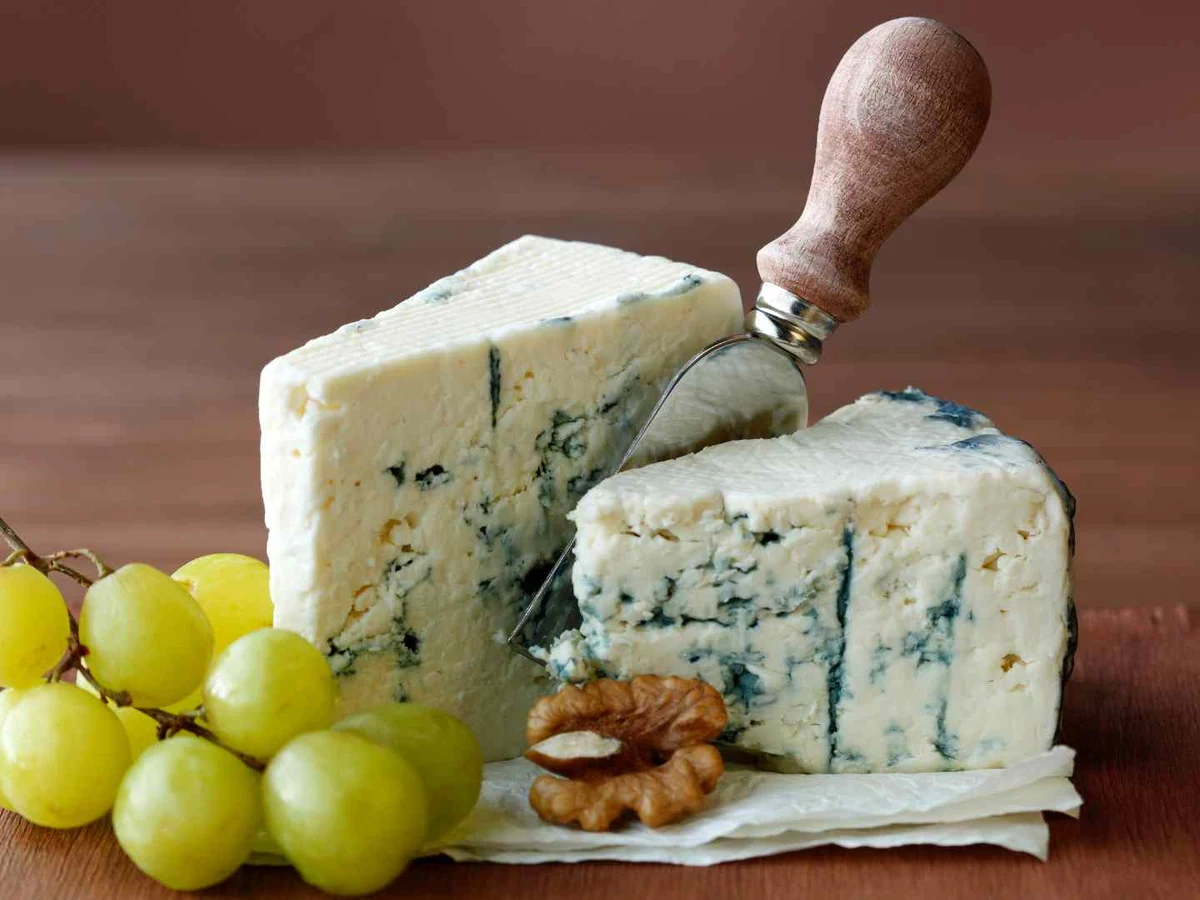
Blue cheeses are intentionally made with selected Penicillium cultures under controlled food-production conditions. The expected veins and aroma belong to the product; uncontrolled mold growing after improper storage is a separate concern.
That difference does not make blue cheese nutritionally useful for cats. It means the correct triage question includes storage condition, appearance, brand, and whether the cat reached an old cheese-board scrap.
Why moldy rubbish earns faster attention
Some molds growing on food can produce tremorgenic mycotoxins, which may cause vomiting, agitation, tremors, seizures, and dangerous overheating. Visual inspection cannot reliably identify a toxin-producing species.
Call urgently after a meaningful amount of clearly spoiled cheese or compost, particularly if neurologic signs begin. Do not trim mold and assume the remaining food is safe for a pet.
Salt is the everyday limitation
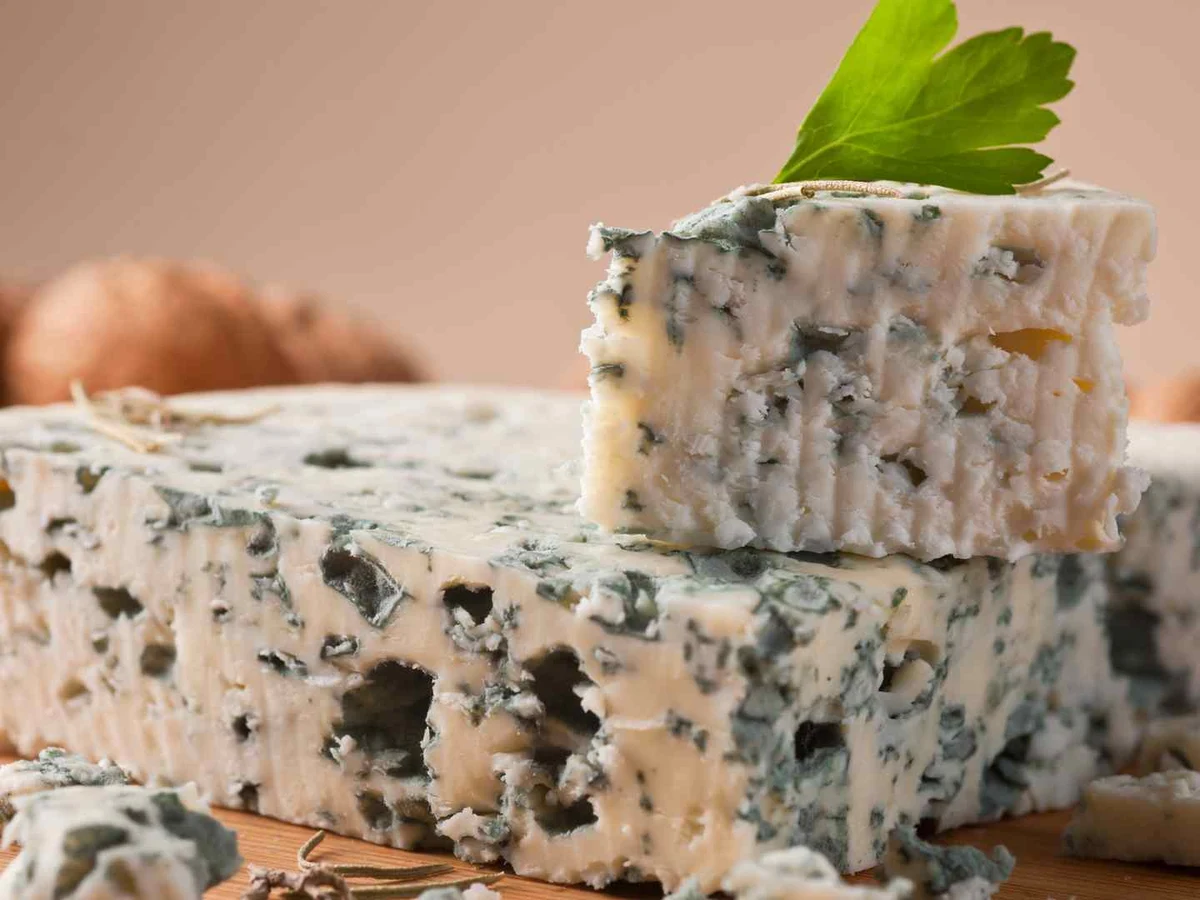
Cheesemaking concentrates milk solids and commonly includes substantial salt, with amount varying among Roquefort, Stilton, Gorgonzola, Danish blue, and other styles. A human cheese-board cube is oversized for a cat.
The Merck salt toxicosis reference includes thirst, vomiting, diarrhea, abnormal coordination, tremors, and seizures after excessive sodium. One crumb is not a poisoning diagnosis, but a large theft or salty brine changes the call.
Fat and calories arrive quickly
Blue cheese is energy-dense and may trigger vomiting or loose stool after a rich serving. Repeated tastes can quietly undermine a weight-reduction plan.
A cat with previous pancreatic or gastrointestinal illness should not be used for a dairy experiment. Ask the treating veterinarian which rewards fit.
Lactose varies, but dairy still is not needed
Cheese generally contains less lactose than milk because fermentation and draining remove some, yet residual amount and individual tolerance differ. A lactose-sensitive cat can develop gas or diarrhea.
Low lactose does not mean balanced nutrition. Cats require animal-derived nutrients in controlled proportions, not dairy calories selected from a human tasting board.
The protein is not a complete meal
The Merck feline nutrition chapter explains cats’ distinctive amino-acid, fatty-acid, vitamin, and mineral requirements. Cheese protein cannot substitute for a complete meat-based cat diet.
Using cheese as a regular topper may also teach the cat to wait for extras and refuse the intended food. A demanding stare does not alter nutrient mathematics.
Blue cheese dressing and sauce
Dressings and steak sauces commonly add mayonnaise, sour cream, buttermilk, oil, garlic, onion, chives, salt, preservatives, and flavorings. A lick of sauce can contain more seasoning than visible cheese.
The Merck Allium review explains that onion and garlic can damage feline red blood cells and that cats are particularly susceptible. Powdered and cooked forms remain relevant.
Wings, burgers, and salads
Blue cheese often accompanies salty wings, spicy sauce, bones, skewers, deli meat, onion, lettuce, nuts, or grapes. Assess the stolen mouthful as a whole.
Our guides to cheese, salad, olives, and ham help separate common additions. Count bones and picks carefully.
Pears, grapes, and cheese boards
Cheese boards may include grapes, raisins, dried fruit, chocolate, nuts, cured meat, honey, alcohol, and toothpicks. Feline grape evidence is sparse rather than proof of safety, so an exposure deserves case-specific advice.
Inventory the board before guests clear it. A missing pick or grape matters even when the cat is still licking cheese from its whiskers.
Alcohol pairings and soaked cheese
Wine, beer, spirits, or liqueur can spill onto cheese and crackers. Alcohol can depress the feline nervous system, breathing, blood sugar, and body temperature.
Call with the beverage strength and missing volume after a drink or soaked-food exposure. Do not wait for wobbliness, unusual sleepiness, or vomiting.
Rinds, wax, foil, and plastic
Cheese may be wrapped in foil, plastic film, waxed paper, mesh, labels, or a rigid tub seal. Food-scented packaging can obstruct even when the cheese itself is low risk.
Repeated vomiting, abdominal pain, appetite loss, straining, or lethargy after missing material needs examination. Never pull visible string from the mouth or rectum.
Medication hidden in cheese
A cheese crumb may conceal a tablet, and the cat can eat a human or another pet’s dose accidentally. Identify the medicine, strength, amount, and time immediately.
If a prescribed dose was partly swallowed and partly spat out, call before repeating it. Automatic redosing can produce an overdose.
Kidney, heart, and urinary patients
Sodium, phosphorus, protein, fat, and calories may conflict with therapeutic targets. A cat on a prescription diet should not receive blue cheese unless its clinician explicitly approves it.
Use a compatible pill treat or the usual wet food for medication. Controlling extras preserves the value of the carefully formulated diet.
Kittens and older cats
Kittens should use their small stomach capacity for complete growth food. Older cats more often have dental pain, kidney disease, hypertension, or digestive sensitivity that narrows the margin.
Skip intentional blue cheese in both groups. Sudden interest in table food paired with weight loss, thirst, or poor normal appetite deserves a checkup.
Food storage without feline assistance
Refrigerate cheese as directed, use clean utensils, and discard it after unsafe storage or abnormal spoilage. Put tasting-board waste into a lidded bin before the room empties.
Cornell’s feeding guidance keeps treats occasional and complete food central. The cat can supervise the cheese course without receiving its own wedge.
Pasteurized versus raw-milk cheese
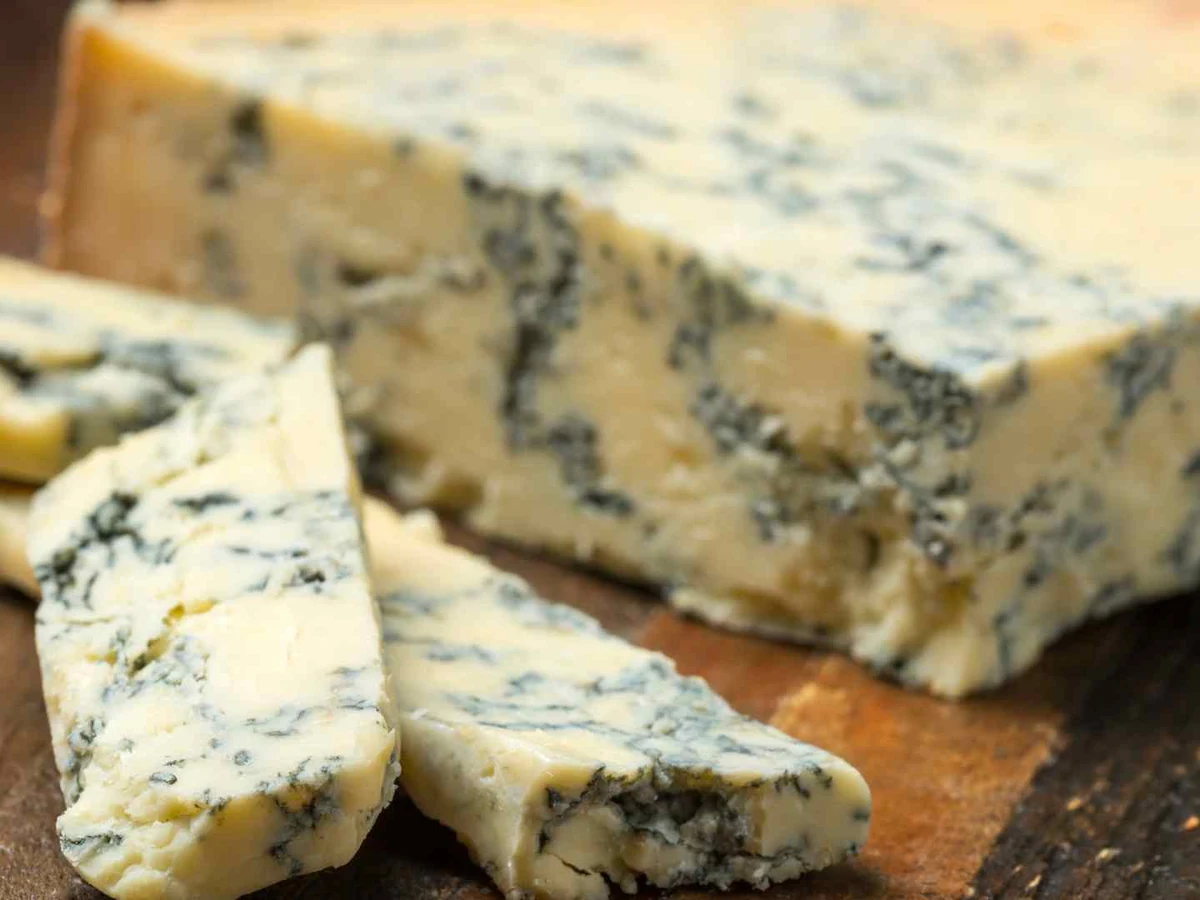
Raw-milk cheese adds microbial considerations, and aging requirements do not make every product risk-free for every household. Cats can become ill and can expose people through feces or contaminated surfaces.
Mention unpasteurized dairy if fever, vomiting, diarrhea, lethargy, or appetite loss follows a theft. Wash hands and bowls, especially around vulnerable household members.
Blue cheese powder and snack dust
Powdered flavoring on chips, popcorn, or crackers may combine cheese solids with salt, onion, garlic, starch, and anticaking ingredients. Airborne dust can irritate the nose and eyes.
Remove the cat during cleanup and wipe exposed paws. Persistent cough, eye pain, or breathing changes deserves prompt advice.
Dental trouble can masquerade as pickiness
Cheese is soft and fragrant, so a cat with painful teeth may accept it while refusing regular food. That preference should not become a long-term feeding workaround.
Drooling, bad breath, dropped food, one-sided chewing, or face sensitivity warrants an oral examination. Pain treatment matters more than finding softer table scraps.
Spoilage during a long party
Cheese boards may sit warm for hours while many hands and utensils touch them. Rich dairy, meat juices, and room-temperature storage create a different hygiene picture by the end of the evening.
Clear food promptly and refrigerate only what has remained safely handled. When in doubt, discard it into a secured bin rather than sharing it with the cat.
Why cheese cannot treat low calcium
Visible tremors, weakness, or nursing problems require diagnosis and measured veterinary treatment, not cheese. Mineral balance involves calcium, phosphorus, vitamin D, kidney function, hormones, and diet.
Adding salty dairy can worsen the feeding plan while delaying urgent care. Use laboratory results and a complete diet to guide correction.
A tiny crumb monitoring plan
Watch comfortable breathing, normal appetite, water intake, stool, and energy through the next day. Mild gas or one soft stool can occur after unfamiliar dairy.
Repeated vomiting, persistent diarrhea, pain, marked thirst, neurologic signs, or refusal of food requires a call. Report whether spoilage or mixed ingredients were plausible.
Keep the board from becoming a buffet
Place cheese away from the edge, collect picks in a rigid cup, and close wine bottles before leaving the room. Provide the cat a legal perch outside the serving surface.
A measured portion of normal food in a puzzle feeder creates inclusion without sodium. The cat mainly wanted an invitation and perhaps your chair.
Pet cheese products are still treats
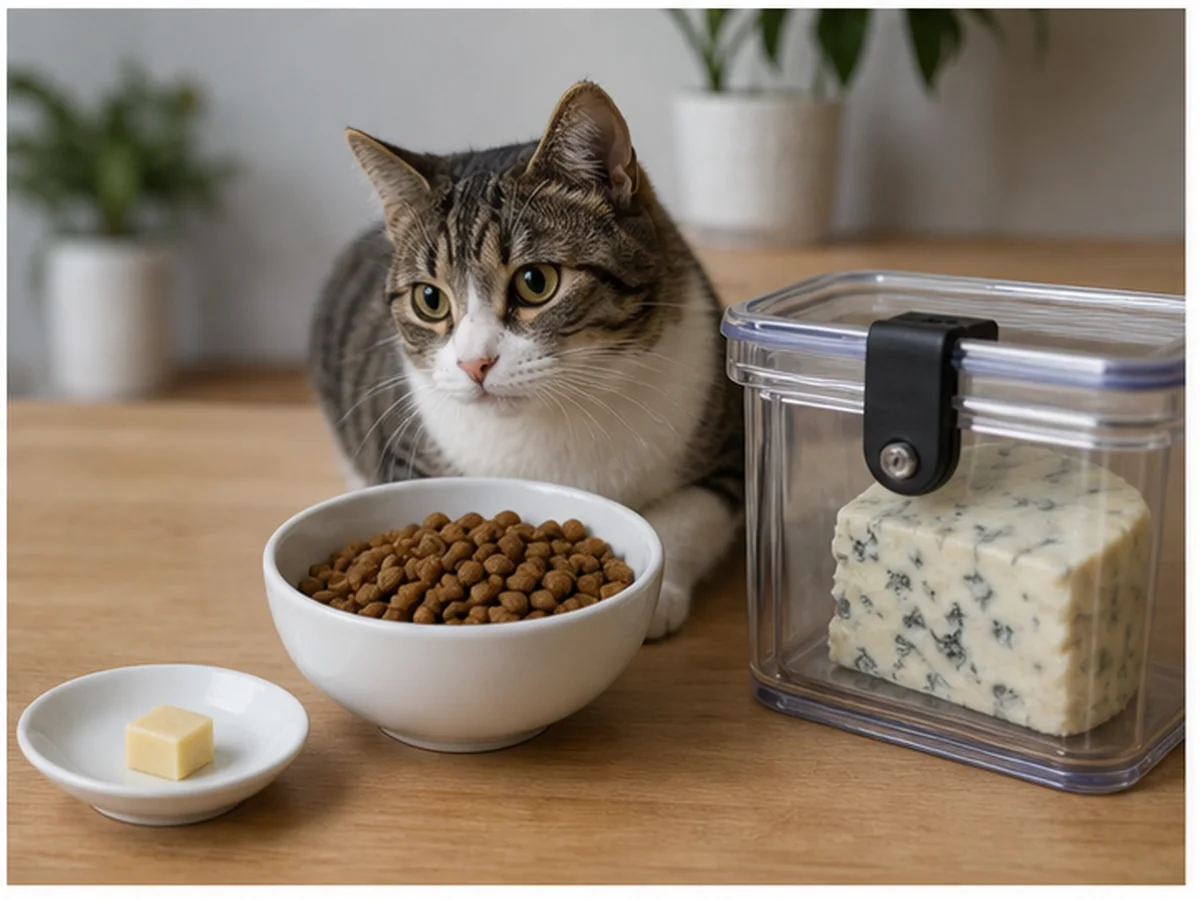
Commercial cheese-flavored feline treats may control portion and ingredients better than table cheese, but the label still determines whether they are complementary. Follow calorie and storage directions.
Do not substitute treats for complete meals. A nutritional adequacy statement identifies the staple, not a persuasive cheese aroma.
Blue cheese and antibiotic myths
Food mold cultures are not a substitute for prescribed antibiotics and should not be used to treat wounds or infection. The relationship between Penicillium species and pharmaceuticals does not turn cheese into medicine.
An abscess, fever, painful swelling, or surgical wound needs veterinary assessment. Smearing cheese on skin encourages licking and contamination.
Frequently asked questions
Can cats eat Gorgonzola?
A tiny fresh crumb is usually low concern, but it remains salty, fatty, and unnecessary. Check sauces and packaging.
Is blue mold toxic to cats?
Food-grade ripening cultures and uncontrolled spoilage are different. Unexpected mold or neurologic symptoms requires prompt professional advice.
Can I use blue cheese to give a pill?
Ask the prescribing clinic because salt, diet restrictions, and the medicine’s administration rules matter. A feline pill treat may be more suitable.
The bottom line
A fresh blue-cheese crumb is normally a monitoring event, not an ideal treat. Spoilage, salt, rich sauces, Alliums, alcohol, board ingredients, symptoms, packaging, and prescribed diets are the reasons for greater caution.