Can Dogs Eat Pasta? Plain Noodles, Sauces, Portions, and Leftovers
Yes, many healthy dogs can eat a small amount of fully cooked plain pasta, but noodles are optional calories rather than a balanced meal or stomach remedy. Dry pasta, oversized shapes, rich sauces, onion or garlic, unsafe leftovers, food allergy, and repeated large servings all need a different answer.
What safe plain pasta looks like
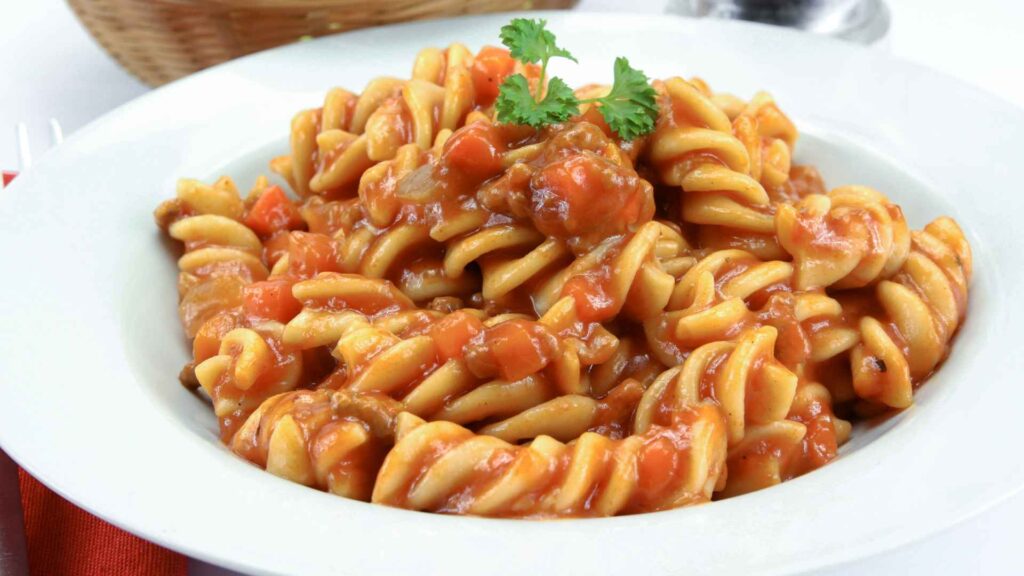
Cook the pasta in water until tender, drain it, and cool it before serving. Skip salt, oil, butter, broth, cheese, sauce, garlic, onion, pepper, and seasoning.
Cut long strands and large shapes into pieces the dog can chew comfortably. A slippery spaghetti bundle or whole stuffed shell can be gulped and become a choking problem.
A teaspoon mixed into a measured complete meal is an extra, not a nutritional upgrade. A bowl of noodles displaces the protein, fats, vitamins, minerals, and essential amino acids supplied by complete dog food.
Dry pasta is not a dog biscuit
Uncooked noodles are hard and may splinter into sharp edges when bitten. Large dry shapes or compact mouthfuls can be difficult to swallow and may cause gastrointestinal upset after a pantry raid.
Dry pasta does not predictably expand inside a dog into a dramatic emergency, but that myth should not become permission to ignore a large ingestion. Amount, dog size, symptoms, and missing packaging still matter.
Account for the box, plastic inner bag, clips, desiccant, and any glass storage jar. Foreign material can be more urgent than the wheat itself.
Do not force water, oil, bread, or bulky food in an attempt to push dry pasta through. Leave ordinary fresh water available and call for a large amount, choking, pain, repeated vomiting, or missing packaging.
Raw dough and raw flour are different exposures
A dog stealing cooked noodles is not the same as a dog eating fresh pasta dough, raw flour, or yeast dough. Recipes may include raw egg, flour, salt, oil, and other ingredients.
The FDA raw-flour guidance explains that flour is a raw food and can carry disease-causing bacteria such as Escherichia coli or Salmonella. Cooking, not tasting, is the safety step.
Raw egg in homemade dough adds another food-safety variable. Even egg-free dough should not be fed raw because flour itself has not received a kill step.
Yeast dough presents a separate emergency because it can expand and produce alcohol in the stomach. If yeast dough is missing, contact a veterinarian or animal poison service promptly rather than waiting for abdominal swelling or abnormal behavior.
Sauce usually matters more than the noodle
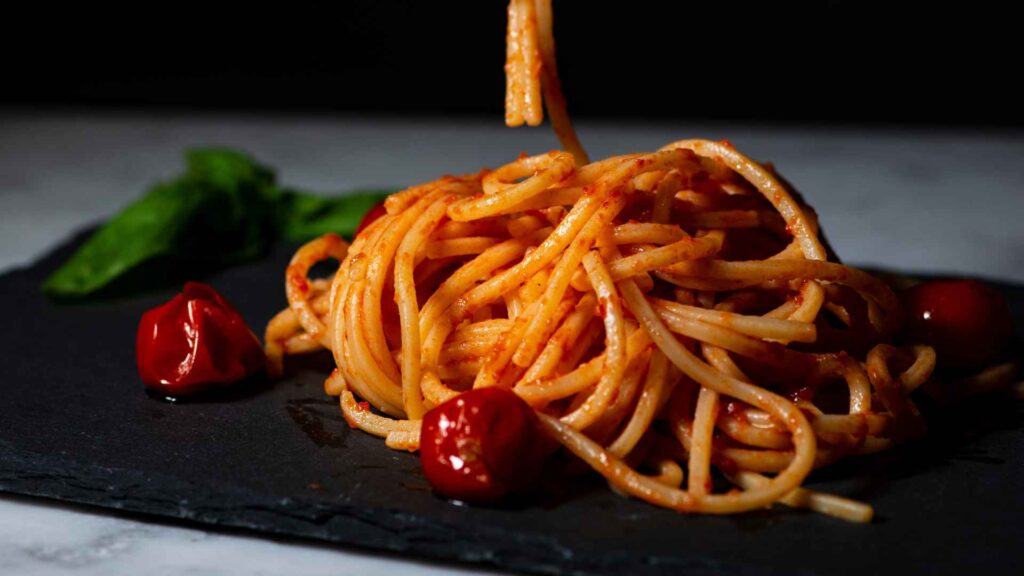
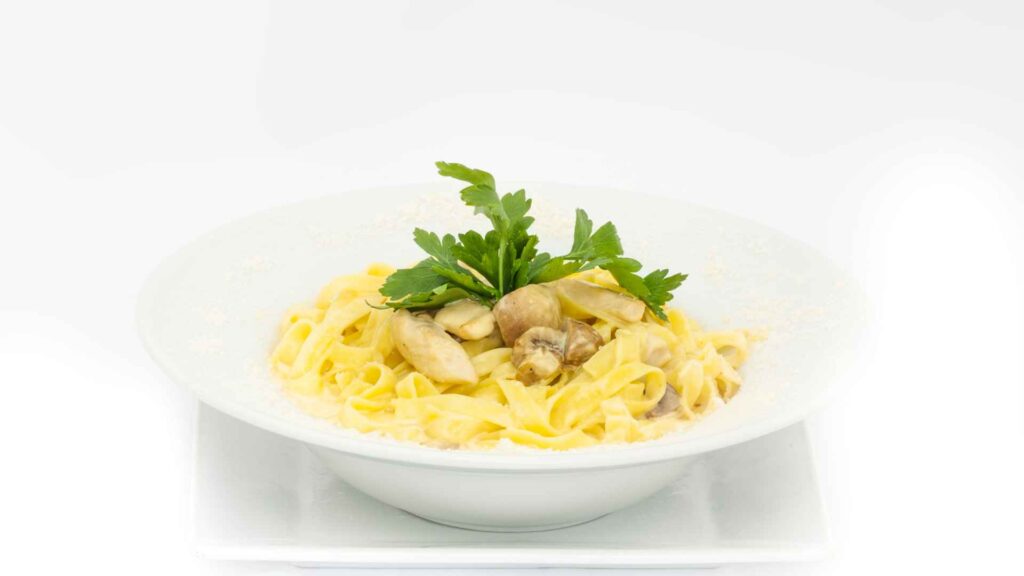
Marinara, pesto, Alfredo, carbonara, meat sauce, vodka sauce, macaroni and cheese, baked ziti, lasagna, and restaurant pasta are complex dishes. The complete recipe determines risk.
Onion and garlic are common in sauces, stocks, seasoning blends, meatballs, sausage, and cheese fillings. Merck’s Allium guide explains that cooked and powdered forms still matter and can damage canine red blood cells.
Use the site’s onion guide for cumulative exposure and delayed signs. A dog acting normal immediately after eating sauce does not rule out a meaningful Allium problem.
Tomato and meat sauces
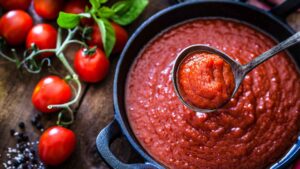
Ripe tomato itself is often not the main issue in a commercial red sauce. Garlic, onion, salt, oil, sugar, spicy pepper, sausage, and portion size are usually more relevant.
Meat sauces can be high in fat and may contain cooked bones or sausage casings. A large rich serving deserves a lower threshold for advice in a dog with previous pancreatitis.
Cream and cheese sauces
Alfredo and macaroni sauces add fat, calories, sodium, and dairy. Lactose tolerance varies, and a dog that handles one lick can still develop vomiting or diarrhea after a bowl.
Rich leftovers are not a calcium or protein supplement. Dogs with pancreatitis history, obesity, heart disease, kidney disease, or fat-restricted diets should not receive improvised portions.
Pesto and specialty sauces
Traditional pesto often contains garlic, oil, cheese, and pine nuts, while store recipes vary. Other pestos may use walnuts, cashews, almonds, pistachios, avocado, or unfamiliar herbs.
Vodka sauce and wine-based recipes raise an alcohol question even if much of the alcohol was cooked. Recipe, cooking time, serving size, and missing volume are necessary details.
Truffle pasta may contain rich cream, oil, garlic, wild mushrooms, or artificial flavor rather than identifiable truffle. Unknown mushrooms require prompt expert identification and veterinary advice.
Gluten and food allergy
Most dogs do not need gluten-free pasta simply because wheat has become unpopular in human diets. A veterinarian should diagnose a suspected adverse food reaction rather than using one loose stool as proof.
Merck’s food-allergy guide explains that a controlled elimination diet followed by rechallenge is the reliable diagnostic approach. Randomly switching noodle types cannot replace that process.
Dogs on an elimination trial must avoid unapproved pasta, sauces, treats, flavored medicines, and chews. One casual table scrap can compromise a carefully controlled trial.
Gluten-free noodles are not automatically safer. They may use rice, corn, chickpea, lentil, pea, egg, potato, or other ingredients, and sauces remain unchanged.
For a dog specifically eating egg pasta, the egg guide separates cooked egg from raw products and allergies. It does not turn pasta into complete nutrition.
Portions, calories, and complete diets
Pasta packs substantial starch and calories into a familiar-looking scoop. Repeated toppers can quietly exceed a small dog’s needs and make weight loss frustrating.
The WSAVA treat guide recommends keeping all extras below 10 percent of daily calories. That allowance includes pasta, training rewards, chews, scraps, and every other topper.
There is no universal noodles-per-pound chart because pasta shapes, recipes, calories, health conditions, and main diets differ. For a first taste, a tiny cut piece is enough.
Puppies need balanced growth nutrition and should not fill up on noodles. Pregnant, lactating, working, underweight, or recovering dogs need a complete plan rather than a generic claim that pasta provides useful energy.
Dogs with diabetes require consistent, veterinarian-directed carbohydrate and insulin management. Plain pasta is not automatically forbidden, but an unplanned serving can disrupt a carefully monitored routine.
Pasta is not a bland-diet prescription
Plain noodles may look bland to a person, but bland is not a medical diagnosis or a standardized veterinary diet. Diarrhea and vomiting have many causes, including infection, parasites, inflammation, pancreatic disease, toxins, medication, and obstruction.
If a veterinarian recommends a short-term diet, ask for exact ingredients, amounts, meal frequency, duration, and transition instructions. The site’s white rice guide explains why home bland diets are not universal cures or complete long-term food.
Do not add pasta to treat diarrhea, constipation, low energy, poor appetite, or weight loss without veterinary direction. It may mask progression, add calories, or delay examination.
Blood, black stool, repeated vomiting, abdominal pain, swelling, profound lethargy, dehydration, or inability to keep water down warrants prompt care. Very young, elderly, and medically fragile dogs deserve an earlier call.
Leftover pasta has a time limit
Cooked pasta is perishable, especially once it contains meat, egg, dairy, or sauce. The FDA safe food-handling guidance recommends refrigerating perishables within two hours, or within one hour above 90°F.
Store leftovers promptly in clean, shallow, covered containers and keep the refrigerator at 40°F or below. A pot left on the counter overnight is not rescued by reheating or by a normal smell.
Use clean utensils and prevent cross-contamination from raw meat, eggs, and dirty cutting boards. Dogs can become ill from contaminated food and can spread organisms through bowls, saliva, stool, and household surfaces.
Discard pasta that is moldy, slimy, sour, old, repeatedly warmed and cooled, or contaminated by raw food juices. Do not scrape off mold and feed the rest.
Reheat only what is needed and cool the dog’s portion before offering it. A hot sauce pocket can burn even when the outside noodle feels comfortable.
Stuffed pasta and hidden objects
Ravioli, tortellini, dumpling-like pasta, and stuffed shells may hide cheese, spinach, meat, mushrooms, garlic, onion, nuts, or alcohol. A plain-looking exterior says little about the filling.
Takeout adds foil trays, skewers, plastic film, absorbent pads, twist ties, and sauce cups. Missing packaging plus vomiting, retching, pain, appetite loss, or a swollen abdomen needs prompt veterinary assessment.
Bones in a meat sauce, shells in seafood pasta, and toothpicks in baked dishes create physical injury risks. Do not assume cooking softens every foreign object safely.
What to do after a pasta raid
- Identify cooked plain pasta, dry noodles, raw dough, yeast dough, sauce, filling, or mixed dish.
- Save the package or recipe and note onion, garlic, fat, salt, alcohol, chocolate, raisins, nuts, and sweeteners.
- Estimate the amount, earliest time, dog weight, symptoms, medical conditions, medications, and normal diet.
- Account for boxes, bags, jars, cans, foil, glass, clips, skewers, bones, shells, and other packaging.
- Call promptly for yeast dough, dangerous ingredients, a large rich meal, significant symptoms, or missing foreign material.
A healthy adult dog that ate a few plain cooked pieces and remains normal can usually be monitored. Return to the complete diet, keep normal water available, and skip extra treats that day.
Do not induce vomiting or give salt, oil, charcoal, antacids, anti-diarrheal medicine, or human pain relievers unless a veterinarian directs it. The right response changes with ingredients and time.
Frequently asked questions
Can dogs eat spaghetti?
A few fully cooked plain cut strands may be tolerated, but long slippery bundles and sauce are avoidable problems. Cut the noodle and check every ingredient.
Can dogs eat pasta with butter?
A tiny accidental taste is usually not poisoning, but butter adds fat and calories without making pasta more useful. Large rich portions are more concerning, especially with pancreatitis history.
Is gluten-free pasta better for dogs?
Not routinely. It uses different starches but remains an optional extra, and ingredient restrictions should follow a veterinarian-led diagnosis.
Can pasta settle a dog’s stomach?
Do not use pasta as a universal stomach remedy. Persistent or severe gastrointestinal signs need a cause-based plan, and homemade bland meals are nutritionally incomplete.
The bottom line
A few tender, cooled, plain pasta pieces can be an occasional extra for many healthy dogs. Cut awkward shapes, keep the portion small, and preserve room for a complete diet.
Dry pasta, raw flour or dough, yeast dough, unsafe leftovers, rich sauces, Alliums, medical diets, and packaging change the answer. Identify the complete exposure before deciding whether monitoring is enough.