Can Cats Eat Popcorn? Kernels, Salt, Butter, Flavors, and Bags
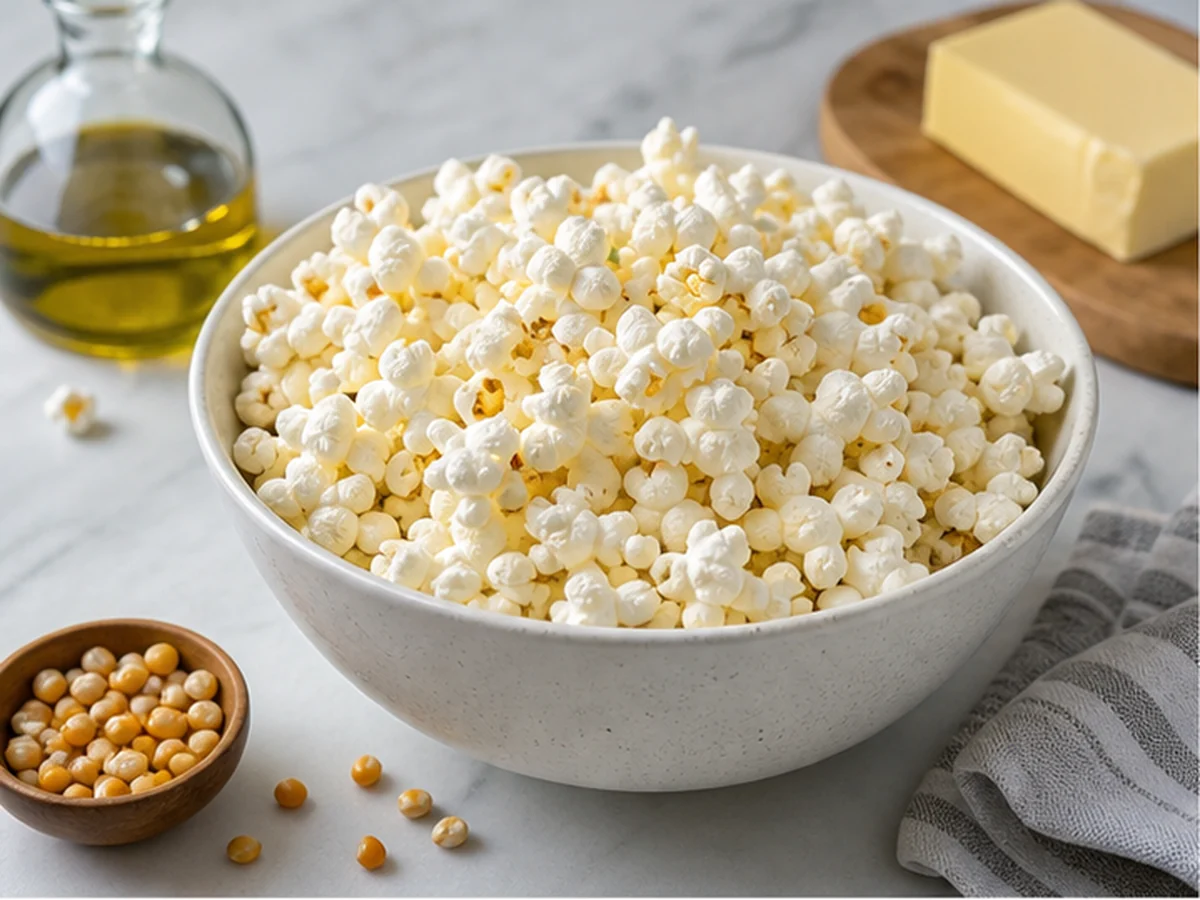
A healthy adult cat can usually tolerate a tiny piece of plain, fully popped popcorn, but popcorn is not a useful cat treat. Unpopped kernels can choke or damage teeth, while salt, butter, flavor powders, caramel, chocolate, string, and packaging create more concern than the airy corn.
What to do after the bowl tips
Remove access, offer water, and identify the recipe and amount. Count missing kernels, note flavor coatings, and check whether the cat swallowed a bag, string, foil, plastic, seasoning packet, or bowl decoration.
- One plain popped crumb: usually monitor for coughing, vomiting, diarrhea, or appetite change.
- Unpopped kernels or popcorn string: call if gagging, vomiting, pain, or appetite loss develops.
- Garlic, onion, chocolate, coffee, raisins, cannabis, or unknown flavor powder: contact a veterinarian or pet poison service promptly.
- Breathing difficulty, collapse, repeated vomiting, severe weakness, tremors, or seizures: seek emergency care.
Do not induce vomiting, force water, or sweep fingers blindly through the mouth. A lodged kernel or swallowed string needs professional assessment, not a sequel in the kitchen.
Plain popped corn is not toxic, just unnecessary
Popcorn is a whole grain that supplies starch and fiber, but cats need a species-specific balance of animal-associated nutrients. A fluffy piece does not provide complete feline nutrition.
The Merck Veterinary Manual nutrient overview explains feline needs for taurine, preformed vitamin A, arachidonic acid, arginine, and other nutrients. Corn can appear in a formulated cat food without making loose popcorn a meal.
One plain piece is mostly an investigation of texture. The cat is not missing movie night nutrition by declining it.
Choking is the immediate practical risk
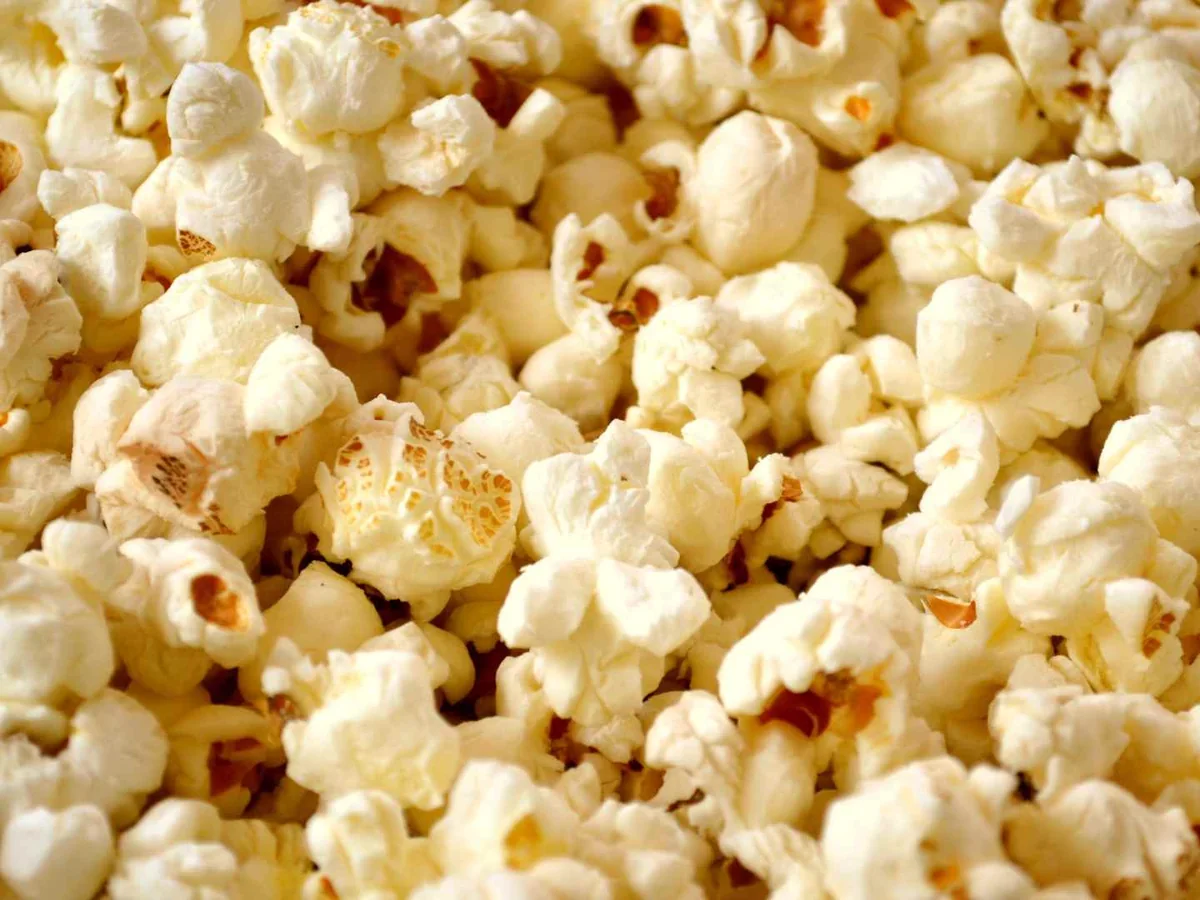
Popped hulls and irregular pieces can stick around the teeth or throat, while a hurried cat may inhale a kernel during play. Kittens and cats with dental, swallowing, or neurologic problems have less margin.
Treat coughing, gagging, frantic pawing, harsh breathing sounds, bluish gums, panic, or collapse as an immediate emergency. Breathing difficulty is an emergency.
Break a plain popped piece into a tiny soft fragment if a veterinarian approves a taste, and remove the hard central hull. Better still, toss a piece of regular cat food during the film and let everyone keep their own snacks.
Unpopped and partially popped kernels
Hard kernels can crack teeth, lodge in the throat, or cause gastrointestinal obstruction. Partially popped old maids may look softer but can hide a rock-hard center.
Call for dental pain, drooling, pawing at the mouth, repeated vomiting, abdominal pain, refusal to eat, inability to keep water down, straining, or marked lethargy. A missing kernel does not become safe because it is too small to find under the sofa.
Do not pull string or fibrous material from the mouth or rectum because it may be anchored internally. Bring a matching kernel or string to the clinic.
Salted popcorn
One lightly salted piece is unlikely to cause salt poisoning in a healthy cat with water available, but a large spilled bowl or concentrated seasoning deserves advice. Salt dust can deliver more sodium than the visual popcorn volume suggests.
The Merck review of salt toxicosis lists intense thirst, digestive signs, poor coordination, tremors, and seizures among the consequences of excessive sodium exposure. Medical conditions and water access change risk.
Leave water available but never syringe it into the mouth. Dangerous sodium abnormalities need controlled correction by a veterinary team.
Butter and oil
Butter and popping oil add concentrated fat and calories, with possible dairy-related digestive upset. Rich unfamiliar snacks can cause vomiting, diarrhea, gas, or reduced appetite.
It is inaccurate to claim one buttery piece causes pancreatitis, but cats with a pancreatitis history or fat-sensitive gastrointestinal disease should skip it. Our butter guide covers dairy, fat, and wrapper concerns in more detail.
The Cornell Feline Health Center recommends anchoring feline nutrition in complete balanced food and limiting all treats. Popcorn toppings can spend a small cat’s treat budget faster than the volume suggests.

Cheese, ranch, garlic, and onion powders
Flavor dust can contain garlic powder, onion powder, salt, dairy, yeast, chile, smoke flavor, and proprietary seasonings. Onion and garlic seasonings can harm feline red blood cells because both come from the Allium group.
The Merck Allium toxicosis review notes that raw, cooked, dehydrated, and concentrated forms are involved and that anemia signs can be delayed. Save the exact bag and call rather than waiting for pale gums or weakness.
Hot chile can irritate the mouth and stomach even when systemic poisoning is not expected. Drooling, lip licking, vomiting, or diarrhea may follow a concentrated coating.
Caramel corn, kettle corn, and dessert mixes
Caramel corn adds sugar, butter, salt, and a sticky coating that can cling to teeth and the palate. Kettle corn combines sugar and salt, while dessert mixes may include chocolate, coffee, raisins, nuts, alcohol flavor, or cannabis.
Chocolate requires prompt dose-based triage, especially dark or baking chocolate. Save the package and report the total product amount rather than counting only visible chocolate pieces.
Our guides to cashews, salami, and pizza cover related party-food traps. A snack mix is a crowd, and every ingredient needs a name.
Microwave bags and stove-top hazards
A fresh microwave bag can release hot steam and oil, causing burns to the face or paws. Stove-top oil, hot pans, and flying kernels create the same kitchen hazard before nutrition enters the conversation.
Greasy bags, plastic overwrap, foil-lined packages, and seasoning packets can be swallowed or cause suffocation. FDA pet-proofing guidance specifically treats discarded food bags as household hazards, so secure the popcorn package too.
Cool and discard bags in a lidded bin, then wipe butter and salt from surfaces. Do not leave a warm bag on the floor for a cat to investigate.
Popcorn garlands and string
Popcorn garlands combine tempting food with linear foreign-body material. Swallowed thread can bunch the intestines and cut through tissue, creating a life-threatening emergency.
Call immediately when string is missing or visible from the mouth or rectum, and do not pull it. Keep garlands out of homes with cats or use nonfood decorations that cannot unravel into chewable strands.
Cats who should skip popcorn
Kittens, cats with dental or swallowing problems, and cats on prescription diets gain no benefit from popcorn. Cats with obesity, diabetes, kidney disease, heart disease, gastrointestinal disease, or pancreatitis history need individualized boundaries.
A cat on an elimination diet should not receive flavored popcorn because dairy, grain, yeast, and seasonings can compromise the trial. The plainest reward is the prescribed food itself.
If symptoms develop
Record coughing, gagging, vomiting, stool, appetite, activity, drinking, breathing, and gum color. Call for repeated symptoms, blood, pain, worsening lethargy, inability to keep water down, or refusal to eat.
Do not abruptly starve an overweight cat after a snack theft because prolonged inadequate intake can contribute to hepatic lipidosis. Contact a veterinarian early when normal food is refused.
Stale, moldy, and burnt popcorn
Discard popcorn that smells musty, feels damp, shows mold, or came from water-damaged packaging. Do not pick out visible mold and offer the cleaner-looking pieces because contamination can extend beyond what the eye sees.
Heavily burnt popcorn can irritate the airways with smoke and particles, especially in a cat with asthma or other respiratory disease. Move the cat to fresh air, ventilate safely, and call for coughing, wheezing, rapid breathing, or distress.
Store kernels in a cool dry place and prepared popcorn according to the manufacturer’s directions. Old grease and flavored oil can become rancid, making the snack even less suitable.
Allergy and food-trial concerns
Any food ingredient can cause an adverse reaction in a susceptible cat, although corn is not a universal feline allergen. Itching, hives, facial swelling, vomiting, diarrhea, coughing, or breathing changes need veterinary attention.
Treat collapse, fast swelling, or trouble drawing breath after popcorn as an emergency. A cat on an elimination diet should not receive popcorn because corn, dairy, yeast, and seasonings can compromise weeks of controlled feeding.
What the veterinary team may assess
The plan depends on whether the concern is choking, a hard kernel, swallowed string, salt, Allium powder, chocolate, allergy, smoke, or ordinary stomach upset. Bring the package and remaining material so the team can separate those possibilities.
Report the maximum amount, time, symptoms, medical conditions, water access, and every item that is missing. Imaging may be recommended for foreign material, while toxic ingredients and respiratory signs require different monitoring.
Do not assume one episode of vomiting returned every kernel, string, or wrapper. Save recovered material and continue monitoring appetite, stool, comfort, breathing, and activity under veterinary direction for the recommended period.
Better movie-night planning
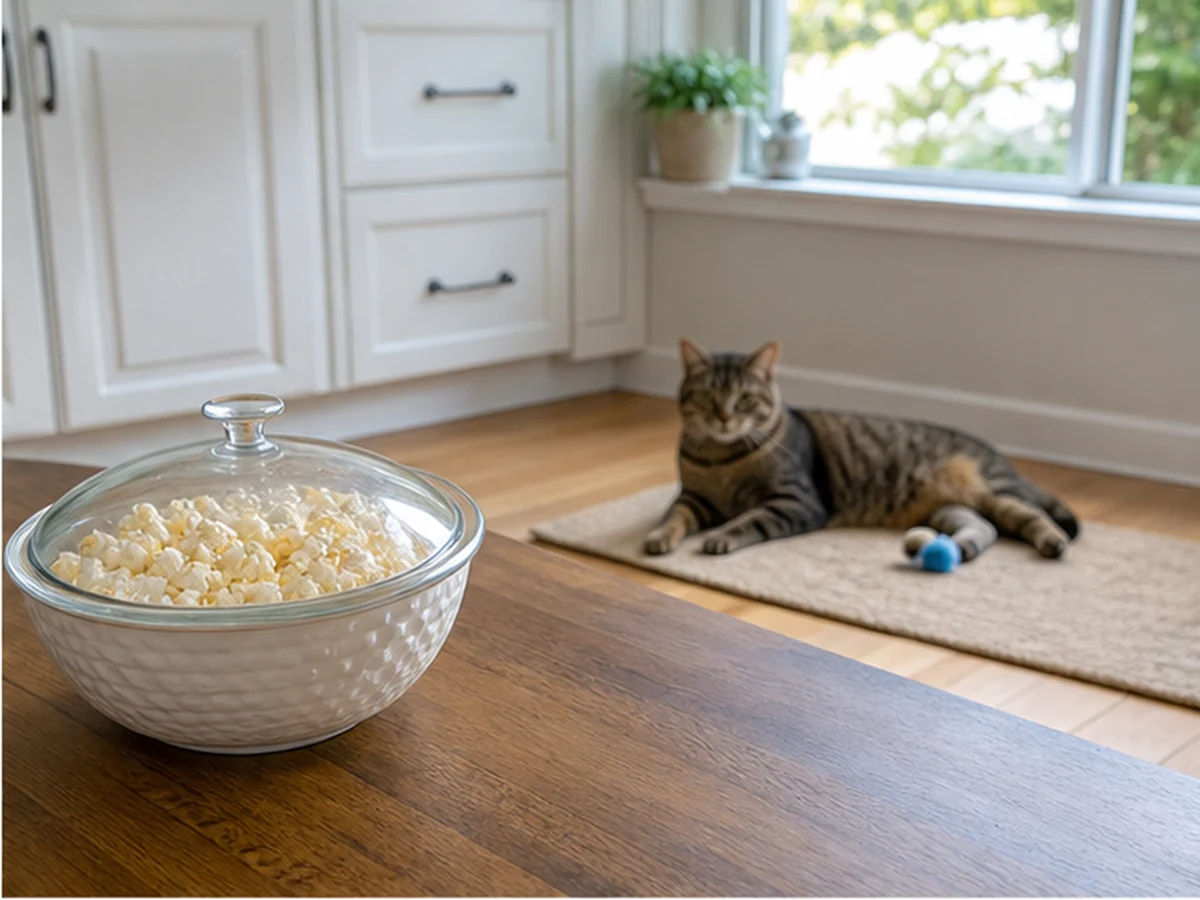
Serve popcorn in a stable bowl, keep it away from table edges, sweep kernels promptly, and put bags and strings directly into a lidded bin. During the film, offer the cat a measured normal meal or food puzzle in a safe area.
If scavenging suddenly intensifies or comes with weight loss, increased thirst, vomiting, or appetite change, schedule a veterinary examination. A new obsession with dropped food may be a health clue.
One final kernel check
Empty bowls and folded bags should go straight into secured rubbish so buttery dust and hidden kernels do not become a second serving. Then offer fresh water and return to the cat’s normal meal schedule.
Frequently asked questions
Can kittens eat popcorn?
Skip it. Kittens need complete growth nutrition and have small airways, teeth, digestive tracts, and calorie budgets.
Can cats eat air-popped popcorn?
A tiny hull-free plain piece is low risk for many healthy adults, but it offers no useful nutrition. Kernels and choking remain concerns.
Can cats eat movie-theater popcorn?
Skip it because salt, flavored oil, butter-style topping, and unknown seasoning are concentrated. Packaging and dropped kernels add hazards.
The bottom line
A plain popped crumb is usually minor, while kernels, salt, fat, flavor powders, dessert coatings, string, and bags raise concern. Save the package after a raid, call for symptoms or toxic ingredients, and give the cat a movie snack from the cat-food bag.