Can Cats Drink Milk? What Happens After the Saucer
Most adult cats do not need milk, and many digest its lactose poorly, so the classic saucer can end in gas or diarrhea. A few licks of plain pasteurized cow’s milk are rarely an emergency, but quantity, fat, flavorings, raw-milk bacteria, medical conditions, kitten age, and missing caps or cartons change the advice.
The five-minute kitchen check
Put the milk away and identify the animal source, fat level, pasteurization, flavor, sweetener, amount, and time. Inspect the cap, carton liner, straw, glass, and any cereal or medication that shared the bowl.
- Several licks of plain pasteurized milk: leave water available and watch for gas, vomiting, or loose stool.
- A bowlful, cream-rich product, or a medically fragile cat: call if digestive signs appear or you are unsure.
- Chocolate, coffee, alcohol, cannabis, raw milk, medication, or a swallowed object: seek prompt professional advice.
- Breathing difficulty, collapse, repeated vomiting, marked weakness, tremors, or seizures: go to emergency care.
Do not make the cat vomit and do not give more dairy to settle the stomach. If vomiting starts, avoid forcing liquids because aspiration can create a second emergency.
Why kittens drink milk but adults often cannot
Nursing kittens produce lactase, the intestinal enzyme that breaks lactose into absorbable sugars. Lactase activity commonly declines after weaning, leaving many adult cats unable to handle a human-sized milk serving comfortably.
Undigested lactose pulls water into the intestine and is fermented by microbes. That can create rumbling, gas, cramps, loose stool, or diarrhea, with tolerance varying from one cat to another.
Tolerance is not the same as benefit
A cat that steals milk without obvious diarrhea may tolerate that amount, but it still does not need the calories or nutrient imbalance. Absence of an immediate symptom does not turn cow’s milk into an ideal beverage.
The Merck Veterinary Manual nutrient reference details the species-specific nutrients cats require. Milk from another species does not supply that complete adult feline profile in appropriate proportions.
How much is likely to be too much?
There is no universal tablespoon cutoff because lactose content, body size, gut health, and individual enzyme activity differ. The sensible approach is not to serve a saucer and discover the threshold through the litter box.
For one accidental lick, monitor rather than panic. When a substantial volume is missing, tell the clinic the product, estimated milliliters or bowl depth, time, cat’s weight, and current signs.
Whole, reduced-fat, and skim milk
Changing fat percentage does not remove lactose. Whole milk adds more fat and calories, while skim milk can still provoke lactose-related symptoms in a susceptible cat.
Rich dairy may be especially unsuitable for cats with gastrointestinal or pancreatic disease. A veterinary team that knows the diagnosis should decide whether any dairy-based treat fits.
Lactose-free cow’s milk
Lactose-free milk has been treated so lactose is reduced or broken down, which may lower one source of digestive trouble. It still contributes calories and was not designed as a complete feline food.
Check for flavoring and sweetener, serve no routine bowl, and never substitute it for water. A product can be easier to digest yet remain unnecessary.
Goat, sheep, and other animal milk
Goat milk still contains lactose, fat, protein, and minerals, so it is not an automatic solution for an intolerant cat. Claims that it is universally easier or more natural should not replace individual observation and veterinary advice.
Unpasteurized milk from any species adds microbial risk. The FDA raw pet-food safety guidance explains how animal products can expose pets and people to disease-causing organisms.
Raw milk is a household hygiene issue
A cat can become ill from contaminated raw dairy and can spread organisms through saliva, feces, bowls, surfaces, or litter. Children, older adults, pregnant people, and immunocompromised household members face particular concern.
Wash hands, clean spills, refrigerate products promptly, and mention raw-dairy exposure if vomiting, diarrhea, fever, appetite loss, or lethargy occurs. Pasteurization is the safer baseline, not an unnecessary industrial flourish.
Chocolate and coffee milk
Chocolate and cocoa introduce methylxanthines, while coffee flavor can add caffeine. Product concentration varies widely, so save the carton and call with the amount instead of estimating danger from color alone.
Restlessness, repeated vomiting, a fast heartbeat, tremors, or seizures needs urgent care. Our chocolate guide covers why dark cocoa and concentrated powders receive special attention.
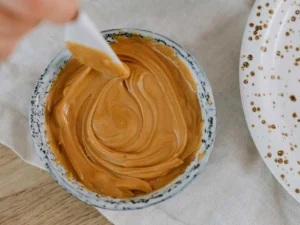
Strawberry, vanilla, and sweetened milk
Flavored milk adds sugar, syrups, colors, extracts, and sometimes sweetener blends. Strawberry pictures do not make the drink equivalent to one tiny berry.
Use our guides to fruit and ice cream when a dessert-like dairy product is involved. The exact label outranks the flavor name.
Milk left in cereal
Breakfast leftovers can add raisins, chocolate, nuts, xylitol-containing granola, supplements, or sweeteners. Small cereal pieces also cling to whiskers and may be swallowed rapidly with the liquid.
Inventory the cereal box and anything sprinkled over it. A plain milk lick is a different exposure from draining a bowl of chocolate cereal with missing raisins.
Adult milk cannot feed an orphaned kitten
Cow’s milk is not an appropriate substitute for queen’s milk or commercial kitten milk replacer. Its energy, protein, fat, and mineral profile does not meet neonatal feline needs, and diarrhea can rapidly dehydrate a tiny kitten.
A cold, weak, crying, injured, or non-nursing kitten needs prompt hands-on guidance. Feeding technique and temperature matter because aspiration is possible when formula is pushed too quickly or into an improperly positioned kitten.
Commercial kitten milk replacer has a specific job
Use a product labeled for kittens and follow veterinary directions for mixing, amount, frequency, sanitation, body-weight tracking, and weaning. Do not improvise dilution or add human infant formula.
A kitten still nursing from its mother usually does not need supplemental bottles unless a veterinarian identifies a problem. Daily weight trends are more informative than guessing from how eagerly the kitten roots.
Milk for adult cats sold in pet stores
Cat milk products are usually reduced in lactose and marketed as complementary treats. Read serving size, calories, storage directions, and whether the package says complete and balanced.
The FDA guide to nutritional adequacy labels helps distinguish a staple diet from a treat. A complementary drink cannot replace meals merely because a cat appears delighted by the carton.
Diabetes, kidney disease, and weight plans
Milk calories can interfere with insulin routines and weight reduction, while minerals and protein may conflict with some therapeutic diets. Kidney, urinary, allergy, and gastrointestinal patients need controlled ingredients.
Ask the treating clinic before using milk as a topper or pill vehicle. A spoonful of prescribed wet food is often easier to account for.
Can milk help a constipated cat?
Using lactose-induced diarrhea as a laxative is unpredictable and can cause pain or dehydration. Constipation may involve dehydration, kidney disease, medication, pelvic injury, obstruction, or megacolon.
Repeated straining, vomiting, appetite loss, or lethargy needs assessment, and urinary blockage can resemble constipation. No saucer of milk is an acceptable test when urine output is uncertain.
Better hydration without dairy
Offer fresh water in several quiet locations, try wide clean bowls, and consider a well-maintained fountain if the cat enjoys moving water. Moisture-rich complete food can increase water intake while still meeting nutritional requirements.
Cornell’s cat feeding overview recommends an appropriate complete diet and restrained extras. Discuss sudden thirst, reduced drinking, or urine changes instead of masking them with flavored liquids.
Milk allergies are not lactose intolerance
Lactose intolerance is a digestive enzyme problem, whereas food allergy involves an immune response to protein. The two can overlap in conversation but require different evaluation.
Itching, recurrent ear or skin trouble, vomiting, or diarrhea cannot diagnose dairy allergy by appearance alone. A properly designed elimination trial uses strict ingredients and veterinary supervision.
Sticky dairy on the coat
Milk dries into fur, encourages grooming, and can sour around the chin or chest. Blot first, then wipe with lukewarm water and dry gently, especially in skin folds.
Do not use essential-oil wipes, perfume, or household disinfectant on the cat. Persistent redness, odor, pain, or moist dermatitis warrants an examination.
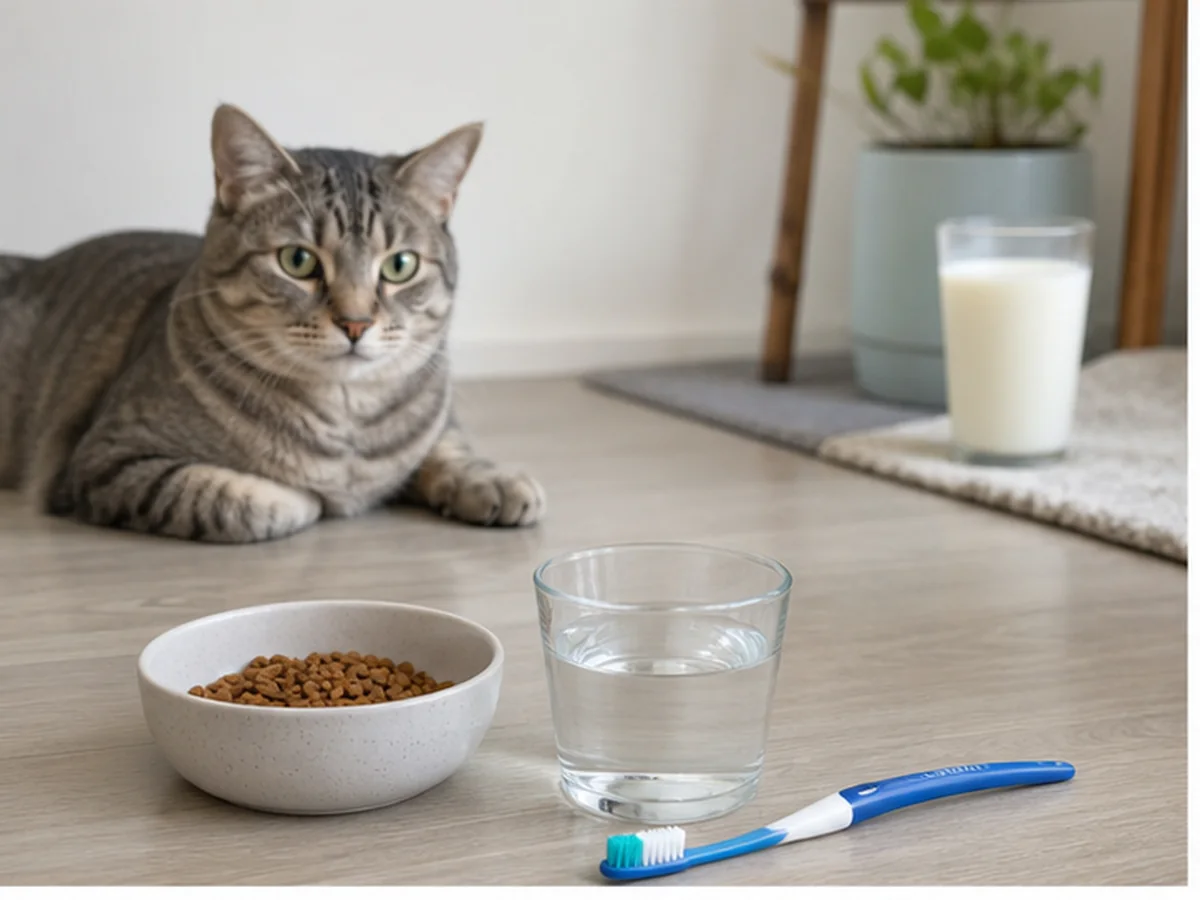
Dental myths and milk
Milk does not strengthen an adult cat’s teeth merely because it contains calcium. Dental health depends on genetics, plaque control, professional assessment, appropriate home care, and the complete diet.
A cat that drops food, chews on one side, drools, has foul breath, or resists face handling may have oral pain. Soft dairy should not become a workaround for untreated dental disease.
Preventing repeat saucer raids
Rinse glasses, cereal bowls, and frothing pitchers promptly, then return cartons to refrigeration before sitting down. Secure plastic rings and small caps in a lidded bin.
If guests insist on sharing, provide a measured portion of the cat’s approved treats. Five tiny offerings from five people still add up to one ambitious dairy service.
Frequently asked questions
Can cats have a teaspoon of milk?
A teaspoon of plain pasteurized milk is unlikely to harm most healthy adults, though a lactose-sensitive cat may still develop gas or loose stool. There is no reason to make it routine.
Does milk cause worms?
Milk does not create intestinal worms. Cats acquire parasites through specific life cycles, and diagnosis or prevention should come from a veterinarian rather than a dairy restriction myth.
Why does my cat beg for milk?
Fat, protein aroma, learned kitchen routines, and novelty can all attract a cat. Enthusiasm indicates preference, not digestive capacity or dietary need.
The bottom line
Plain pasteurized milk in tiny accidental amounts is seldom dangerous, yet many adult cats cannot digest a serving comfortably. Keep water and complete food central, use proper kitten formula for neonates, and call about raw, flavored, large, symptomatic, or object-related exposures.