Can Cats Eat Black Beans? Cooking, Cans, Seasoning, and Portions
A few fully cooked, plain black beans are unlikely to poison a healthy adult cat, but beans are optional and often cause gas or digestive upset. Canned brine, onion, garlic, chili, salt, raw or undercooked beans, rich sauces, hot food, tins, pull tabs, and medical diets change the answer.
Start by naming the dish
Remove the bowl and identify plain beans, canned beans, soup, chili, burrito filling, refried beans, salad, dip, or a dry pantry spill. Save the label or recipe, estimate amount and time, and check for foil, plastic, can lids, picks, or packet pieces.
- One or two soft, water-cooked beans: offer water and watch for gas, vomiting, or loose stool.
- Several beans, salty liquid, or a cat with bowel disease: call if discomfort or symptoms develop.
- Onion, garlic, alcohol, chocolate, medication, bones, or missing sharp packaging: contact a veterinarian promptly.
- A swollen painful abdomen, repeated vomiting, collapse, breathing difficulty, or severe weakness: seek urgent care.
Do not induce vomiting, give oil, or use human anti-gas medicine. Product details and the cat’s current condition are more useful than attempting to calculate a universal bean dose.
Cooked black beans are not feline protein
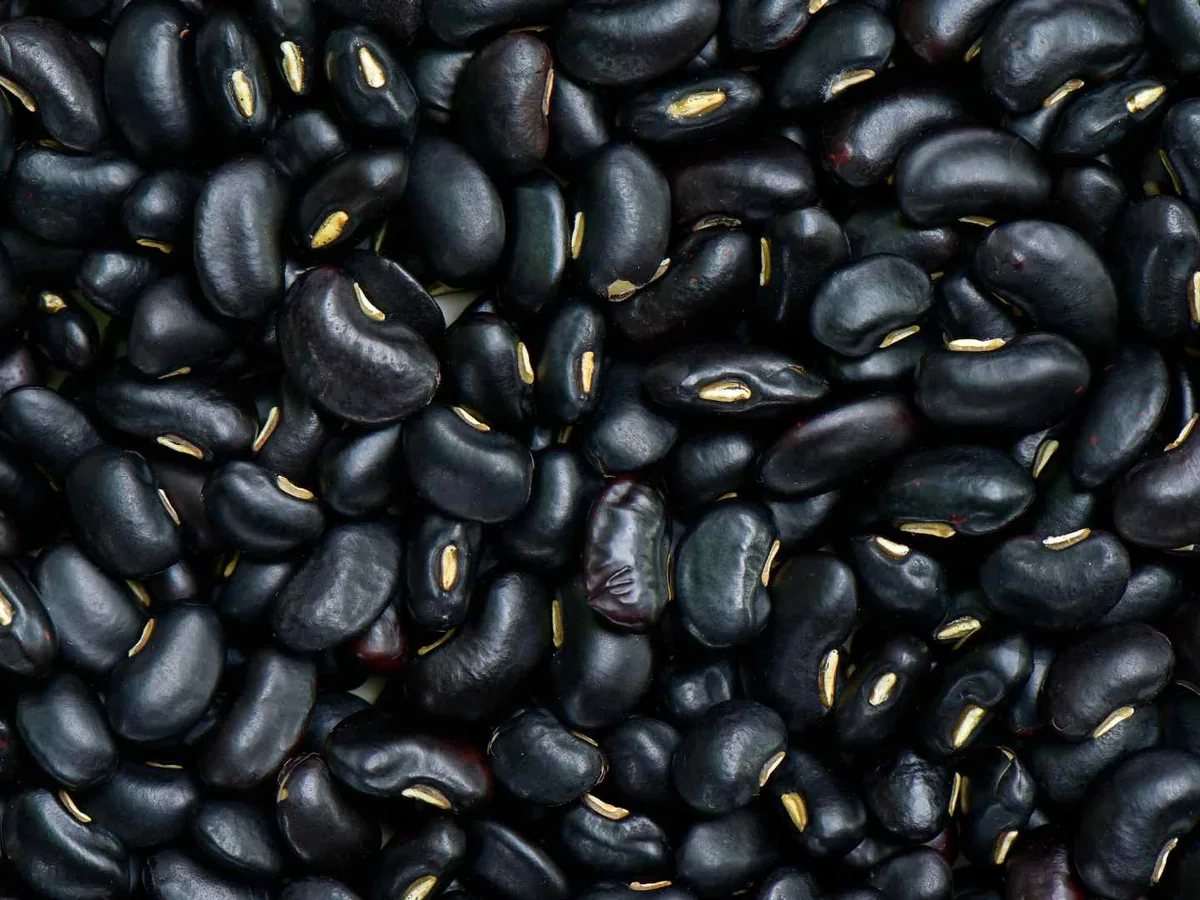
Beans contain plant protein, starch, fiber, vitamins, and minerals, but cats require nutrients in forms and proportions that legumes alone cannot supply. Calling beans protein does not make them equivalent to animal tissues or formulated cat food.
The Merck feline nutrition reference explains requirements including taurine, arachidonic acid, and preformed vitamin A. A bean-heavy homemade diet can be deficient even when its human nutrition chart looks impressive.
How small is a taste?
If the veterinarian approves, mash one or two thoroughly cooked, rinsed, unseasoned beans and offer no more than a teaspoon. The soft mash reduces gulping but does not create a reason to serve it regularly.
Count the portion with every other daily extra. A human spoonful is surprisingly large beside a cat’s calorie budget and can crowd out the complete meal.
Why soaking and cooking matter
Dry beans must be sorted, soaked when the package directs, and cooked until tender. Raw or undercooked legumes are hard to chew, less digestible, and can contain higher levels of antinutritional plant compounds than properly prepared beans.
Never let the cat play in spilled dry beans, which can be swallowed whole or inhaled while skittering across the floor. Collect desiccant packets and torn bag pieces during cleanup.
Gas is not proof of poisoning
Fermentable carbohydrates can produce flatulence, bloating, cramps, or loose stool when intestinal microbes process them. Mild gas after a small new food differs from a hard distended belly, persistent pain, or repeated vomiting.
Stop the beans and return to the normal diet rather than trying another legume. Call for substantial discomfort, inability to keep water down, blood, lethargy, or appetite loss.
Canned beans need rinsing and label review
Cans may contain salt, calcium chloride, sugar, seasoning, smoke flavor, or firming agents. “Low sodium” compares one human product with another and does not establish a feline serving.
Rinsing reduces surface liquid but cannot remove ingredients absorbed during processing. If a taste is approved, choose no-salt-added beans, rinse them, and still keep the amount tiny.
Salt and bean liquid
Never offer the can liquid as broth because sodium and seasoning are concentrated there. Cats with kidney, heart, urinary, or blood-pressure conditions may have a specifically controlled diet.
The Merck salt toxicosis overview includes thirst, vomiting, diarrhea, poor coordination, tremors, and seizures after excessive exposure. A single bean is not salt poisoning, but a brine drink requires quantity-based advice.
Onion and garlic hide everywhere
Chili, soup, taco filling, restaurant sides, seasoned cans, and dips routinely include onion or garlic in fresh, cooked, powdered, or stock form. Picking out visible pieces does not restore plainness.
The Merck Allium toxicosis chapter describes oxidative red-cell injury and cats’ particular susceptibility. Signs of anemia can be delayed, so call from the ingredient list instead of waiting for pale gums.
Chili is a recipe, not beans with personality
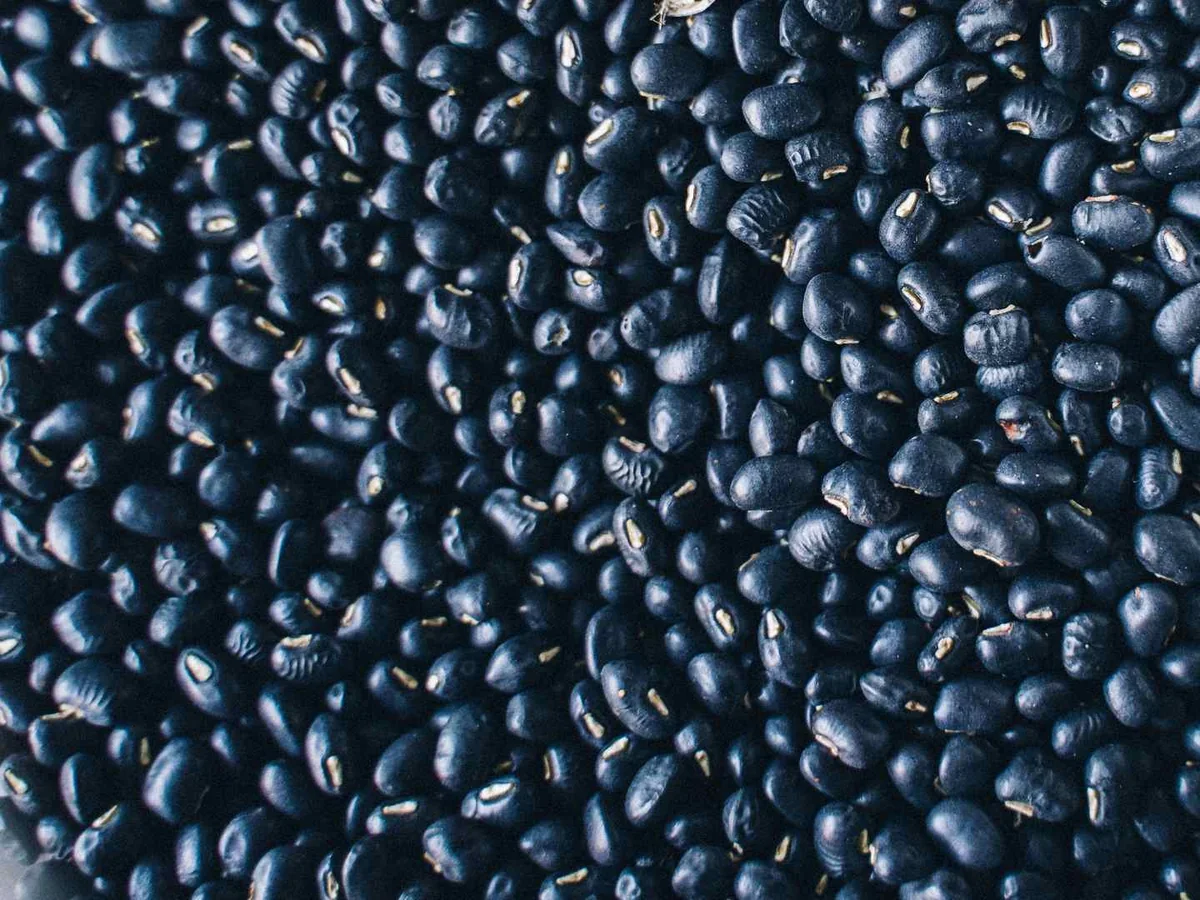
Black-bean chili may add beef, sausage, bacon, tomato, onion, garlic, hot peppers, cocoa, beer, salt, cheese, sour cream, and corn chips. Each brings a separate dietary, toxicity, or physical question.
Our guides to beans, onions, garlic, and cheese help unpack the bowl. Keep the complete recipe.
Refried beans and dips
Refried beans can contain lard, oil, salt, onion, garlic, jalapeño, cheese, or seasoning, while dips may include avocado, lime, sour cream, or hot sauce. Their smooth texture makes a large lick easy.
A coating on fur should be wiped away before grooming adds to the swallowed amount. Avoid fragranced wipes and prevent access during floor cleanup.
Burritos, tacos, and nachos
A stolen bite may combine tortilla, seasoned meat, cheese, salsa, rice, guacamole, foil, and a toothpick. The visible bean is only one item on the incident report.
Count wrappers and skewers before deciding to monitor. Repeated vomiting, abdominal pain, food refusal, straining, or lethargy after missing material needs an examination.
Food storage and opened cans
Transfer unused canned beans to a clean covered container and refrigerate according to the label. Do not store leftovers in a damaged, rusted, leaking, or sharply opened can.
Discard beans with mold, fizzing, a bulging container, or an abnormal odor. A cat should never serve as the kitchen’s spoilage inspector.
Diabetes, obesity, and therapeutic diets
Beans add starch and calories and can complicate diabetic or weight-loss plans. Allergy trials, kidney diets, urinary foods, and gastrointestinal prescriptions also rely on controlled ingredients.
Ask the treating clinic before using bean mash for medication or appetite. The cat’s usual wet food is generally easier to measure and interpret.
Kittens and seniors
Kittens need complete growth nutrition and have little stomach room for fiber-heavy extras. Seniors are more likely to have dental disease, bowel sensitivity, kidney problems, or prescribed diets.
Skip intentional servings for vulnerable cats unless their veterinarian sees a specific reason. A soft bean can still be nutritionally wrong even when it is easy to chew.
A better vegetarian gesture
If a plant-eating household wants to share safely, use a measured commercial cat treat or part of the normal ration. Cats can live happily in vegetarian homes without eating a vegetarian diet.
The FDA nutritional adequacy guide explains how complete foods are labeled. Let that statement, species, life stage, and veterinary needs choose the staple.
Bean sprouts are a separate food
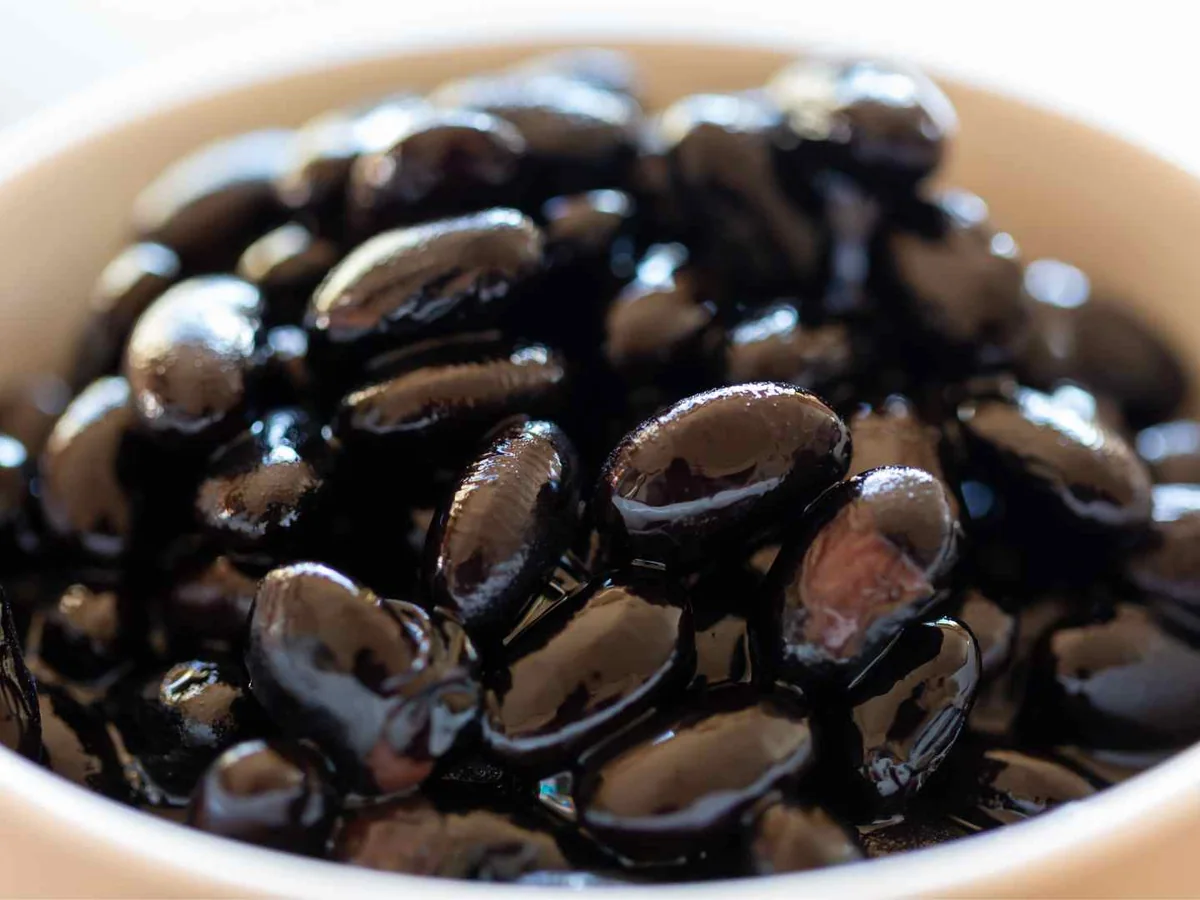
Black bean sprouts are young growing plants with different texture and food-safety concerns from fully cooked mature beans. Warm, humid sprouting conditions can support bacterial growth.
Do not offer raw home-grown sprouts to a cat. If a mixed sprout garnish was eaten, identify every seed species and seasoning.
Bean flour and protein powders
Black-bean flour can appear in chips, pasta, brownies, and protein blends, where concentration and companion ingredients differ from a soft bean. Dry powder can also irritate eyes and airways during a spill.
Move the cat away, ventilate safely, and wipe paws before grooming. Call for persistent coughing, squinting, respiratory effort, or a supplement exposure.
Homemade diets need expert formulation
Adding beans to meat does not supply taurine, calcium, vitamins, and fatty acids in the required balance. Recipes assembled from human food groups can look varied while remaining seriously deficient.
A board-certified veterinary nutritionist can formulate a cooked diet when medical or household circumstances require one. Internet substitutions can change nutrient totals dramatically.
Allergy claims require a controlled test
Beans are not universally hypoallergenic, and vomiting or itching after a mixed burrito cannot identify the culprit. Food allergy diagnosis relies on a strict veterinary elimination trial and planned re-challenge.
Do not add black beans during a prescription trial unless the supervising clinician approves them. One table taste can muddy weeks of evidence.
Monitor the cat, not the bean bowl
After a tiny plain taste, note normal swallowing, appetite, comfort, activity, water intake, and stool. Mild flatulence can settle without treatment.
A hard belly, repeated sickness, bloody stool, dehydration, or refusal to eat should not be dismissed as ordinary fiber. Contact the clinic with the timeline.
Can lids and sharp edges
An opened tin can cut a tongue or paw, and a pull ring can be swallowed. Transfer leftovers promptly and secure the lid in rigid rubbish.
Bleeding, sudden drooling, limping, mouth pawing, or food refusal after access needs examination. Do not probe a painful mouth with bare fingers.
Portion control in multi-cat homes
One mashed teaspoon left unattended may be divided very unevenly by two cats. Feed any approved taste separately and remove leftovers promptly.
If symptoms occur later, record which animal definitely ate the food and which only had access. Shared litter boxes can make digestive evidence ambiguous.
Why cats may investigate beans
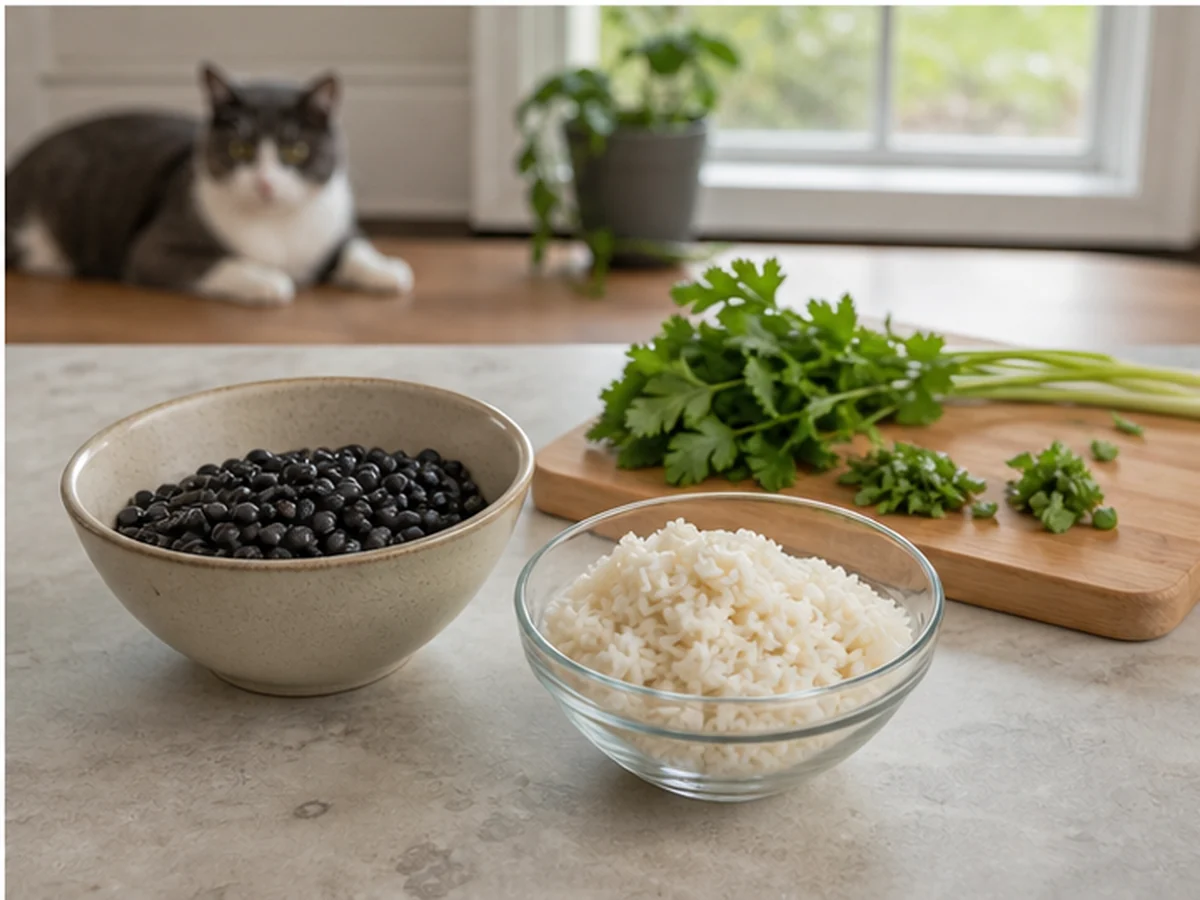
Meat fat, broth, cheese, warm temperature, novelty, or attention may attract a cat to the dish. Interest does not reveal a nutrient deficiency.
A sudden broad increase in appetite paired with weight loss, thirst, or extra urination deserves medical evaluation instead of more table food.
Why bean water cannot treat dehydration
Starchy cooking liquid may contain salt, onion, garlic, or microbes after poor storage, and it does not supply a controlled electrolyte formula. Ordinary water is the safe default for a well cat.
A dehydrated, vomiting, or diarrheic cat needs the cause and fluid losses assessed. Syringing bean water can cause aspiration and delay effective treatment.
Frequently asked questions
Can cats eat canned black beans?
One rinsed no-salt-added bean may be low risk, but cans vary and beans are unnecessary. Read for seasoning and avoid the liquid.
Can black beans help constipation?
Do not treat unexplained straining with random fiber. Constipation, urinary blockage, pain, dehydration, and obstruction require different responses.
Can cats eat black-bean burgers?
These commonly contain onion, garlic, salt, oil, grains, sauces, or cheese. Assess the complete patty and packaging, not the bean name.
The bottom line
One or two plain soft black beans are generally a low-risk taste, not a feline dietary need. Raw beans, brine, Allium seasoning, rich recipes, symptoms, sharp cans, packaging, and therapeutic diets justify greater caution.