Can Cats Eat Lettuce? A Crisp, Practical Safety Guide
Plain, clean lettuce is generally a low-risk food for cats, and a small chopped piece is reasonable for a healthy adult that enjoys it. Lettuce is optional, not nutritionally necessary, and salad dressing, onion, garlic, cheese, croutons, bacon, wilted leaves, plastic bags, and skewers usually deserve more attention than the leaf.
If your cat raided the salad bowl
Move the bowl, save the recipe or package, and work out what was actually eaten. Check dressing, toppings, garnish, toothpicks, elastic bands, bag corners, absorbent pads, and any medication or supplement mixed into a personal meal.
- One clean plain leaf: offer water and watch for mild vomiting or loose stool.
- Dressing or mixed salad: identify every ingredient before deciding the risk.
- Onion, garlic, raisins, alcohol, chocolate, medication, or a swallowed skewer or plastic: call a veterinarian promptly.
- Choking, breathing difficulty, collapse, repeated vomiting, or severe weakness: seek urgent care.
Do not induce vomiting or pull string-like material from the mouth or rectum. Bring the packaging or a photo of the ingredient list if professional advice is needed.
What lettuce can and cannot offer a cat
Lettuce contributes mostly water and fiber, with varying amounts of micronutrients depending on the type. Those nutrients do not arrive in the feline proportions provided by a properly formulated complete diet.
Cornell’s cat-feeding guidance explains why complete food should supply the daily nutritional foundation. A lettuce nibble can be enrichment, but it should not replace meat-based balanced food or a prescribed diet.
Iceberg, romaine, butterhead, and leaf lettuce
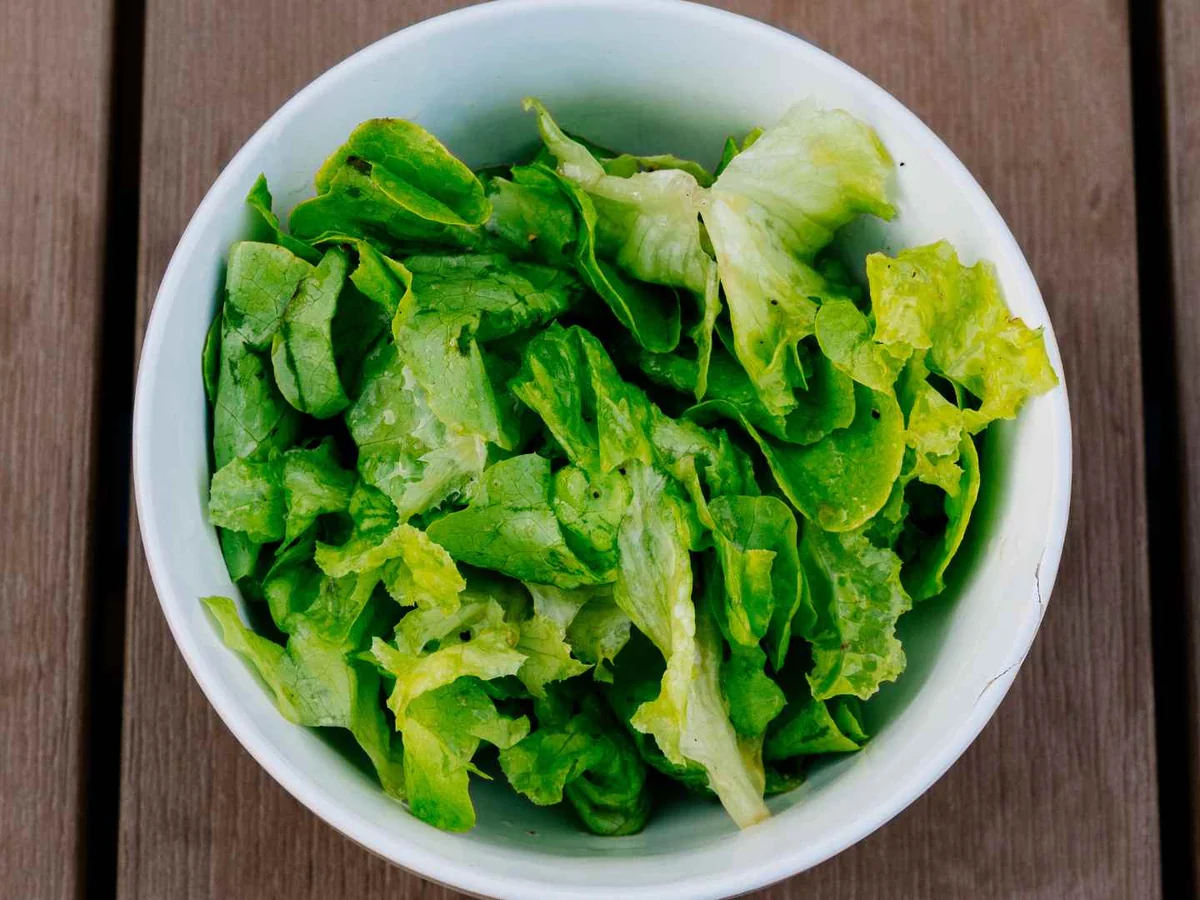
Common grocery lettuces are generally handled the same way: serve only fresh, thoroughly rinsed, plain leaves in tiny pieces. Remove the tough base and any stringy or oversized section that could be awkward to chew.
Romaine and darker leaf lettuces contain more of some nutrients than iceberg, yet “more vitamins” does not make a large salad helpful to an obligate carnivore. Portion and preparation matter more than ranking leaves by human nutrition charts.
Wash produce even when the package says ready to eat
Follow the package directions, discard damaged outer leaves, keep lettuce away from raw meat juices, and use clean hands and utensils. Running water is appropriate for loose produce; soap, bleach, and household cleaners are not food rinses.
The FDA produce-safety guidance covers selection, refrigeration, rinsing, cutting, and cross-contamination. Cats can become ill from contaminated food, and people can be exposed while cleaning bowls, counters, or litter boxes.
Chop it smaller than you think
A broad floppy leaf can stick to the palate, trigger gagging, or be swallowed as a long strip. Chop a washed leaf into pea-sized pieces and offer one or two, not a tangled nest.
Cats with dental pain, swallowing disorders, prior gastrointestinal surgery, or a history of eating nonfood objects need individual advice. If chewing looks awkward, stop experimenting and arrange a dental or medical assessment.
Salad dressing changes the answer
Ranch, Caesar, vinaigrette, blue cheese, Italian dressing, and creamy sauces may contain garlic, onion, chives, salt, dairy, fat, mustard, alcohol, sweeteners, or concentrated seasoning. “Only licked the lettuce” still includes whatever coated it.
Garlic and onion can damage feline red blood cells, and cooked or powdered forms are not safe exceptions. The Merck Allium toxicosis review notes that cats are especially susceptible and signs may be delayed.
A tour of common salad extras
Croutons may contain garlic or onion powder, bacon adds salt and fat, cheese adds dairy and calories, and deli meat can be salty and seasoned. Avocado chunks, grapes, raisins, nuts, olives, pickles, eggs, tuna, and chicken each bring separate preparation questions.
Use our guides to green beans, olives, pickles, avocado for component-specific checks. A mixed salad should be assessed as a recipe, not as lettuce wearing accessories.
Bagged salad hazards
Plastic film, clips, twist ties, labels, silica packets, and absorbent pads can be chewed because they smell like food. Check the bag itself after a raid and call if any part is missing.
Repeated vomiting, appetite loss, abdominal pain, lethargy, straining, or reduced stool after suspected packaging ingestion can indicate obstruction. Early veterinary assessment is safer than waiting for plastic to appear in the litter box.
Wilted, slimy, moldy, or recalled lettuce
Do not feed spoiled leaves, and do not trim around visible mold for a pet serving. Discard packages that are slimy, foul-smelling, beyond safe storage, or included in a recall.
If a cat develops vomiting, diarrhea, fever, lethargy, or appetite loss after questionable produce, call and mention the food history. Save the product label, date code, and receipt if available.
Lettuce versus cat grass
A cat that likes chewing greens may accept lettuce, but lettuce is not the same plant as products sold as cat grass. Neither is a treatment for hairballs, constipation, nutritional deficiency, or repeated vomiting.
Our grass guide explains safe indoor growing and why lawn chemicals or toxic houseplants complicate grazing. Persistent plant eating paired with symptoms deserves a veterinary discussion.
Can lettuce help with weight loss?
Adding bulky human vegetables without recalculating the diet can dilute nutrients or simply add another snack. Successful feline weight management uses a measured calorie plan, appropriate food, enrichment, and regular weigh-ins.
Ask the veterinarian whether a few lettuce pieces fit the plan, especially if the cat has diabetes, kidney disease, urinary disease, bowel problems, or a prescription diet. Never replace a significant share of the ration with salad.
Kittens and older cats
Kittens should spend their small stomach capacity on complete growth food. Older cats may have dental pain or swallowing trouble that makes a crisp leaf harder to manage than it appears.
A cat that suddenly drops food, chews on one side, paws at the mouth, drools, or avoids crunchy textures needs an oral examination. Lettuce softness should not be used to work around unexplained pain.
How to offer lettuce safely
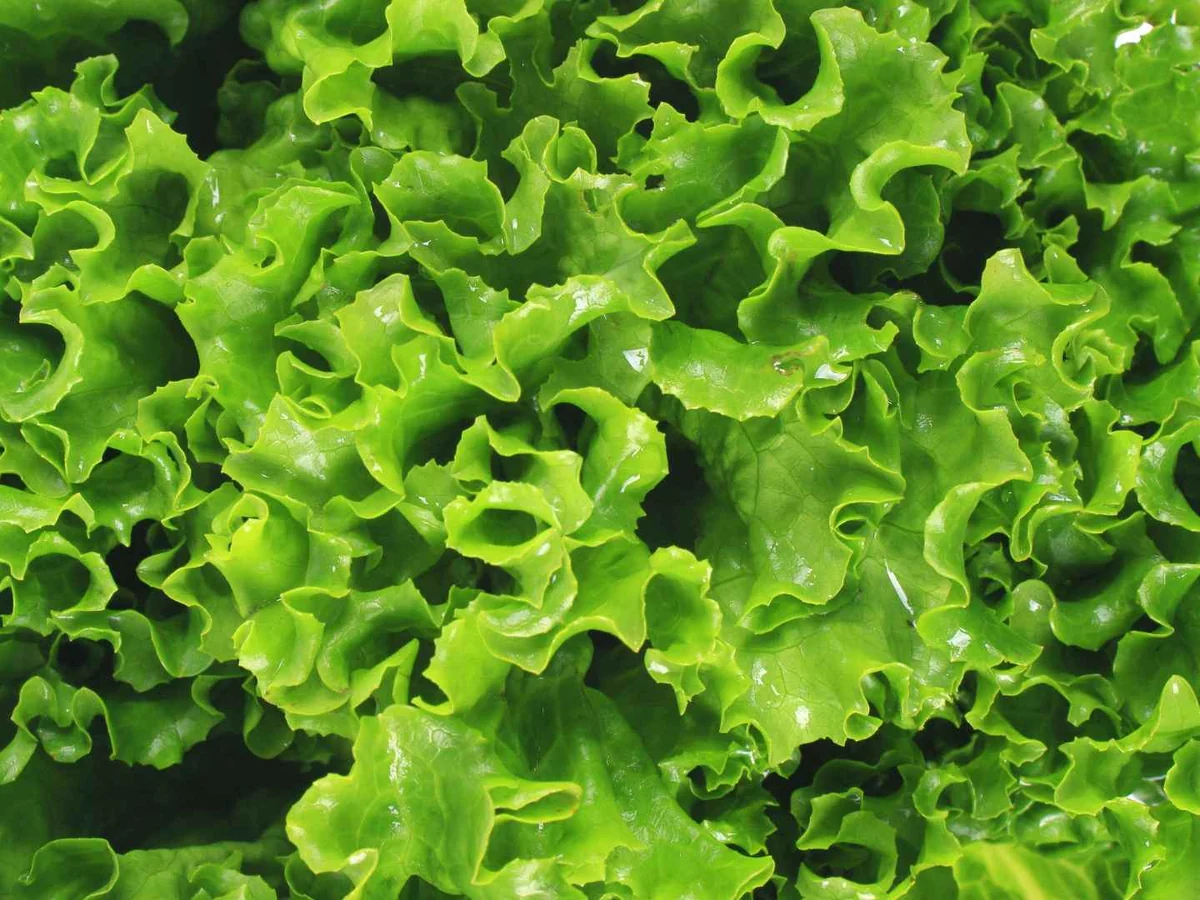
Choose a fresh leaf, wash it under running water, dry it, remove the tough base, and chop one or two pea-sized pieces. Serve them plain in a clean dish and discard leftovers before they wilt.
Introduce only one new food at a time so a reaction is easier to interpret. Stop if vomiting, diarrhea, itching, facial swelling, coughing, or repeated gagging occurs.
Lettuce is not a constipation remedy
Fiber changes stool differently depending on type, dose, hydration, and the cause of constipation. Random handfuls of lettuce can dilute nutrition, cause gas, or postpone treatment for pain, dehydration, obstruction, kidney disease, or megacolon.
Call if a cat repeatedly strains, cries in the box, produces little stool, vomits, stops eating, or seems painful. Straining to urinate can look similar and is an emergency, especially in male cats.
It is not a hairball cure either
Occasional hair passage can be normal, but repeated retching, vomiting, appetite loss, or weight change should not be treated with salad. Coughing is also frequently mistaken for a hairball and may indicate airway disease.
Regular brushing, appropriate parasite control, hydration, and a veterinarian-approved diet plan address common contributors more directly. Long leaves can create gagging without solving the original problem.
Wild greens are not grocery lettuce
Do not identify a yard weed by deciding that it looks lettuce-like. Toxic plants, lawn chemicals, fertilizer, slug bait, animal waste, and sharp seed heads make outdoor grazing a different risk.
If an unknown plant was eaten, photograph the whole plant, leaves, stem, flowers, berries, and growing location before removing it. A plant-identification expert and poison service need those details more than a chewed fragment alone.
Microgreens and sprouts
Microgreens may come from many plant species, so the exact seed matters. Raw sprouts also have food-safety concerns because warm, humid growing conditions can support bacterial growth.
Do not offer an unidentified garnish from a restaurant plate. Even an edible species may be dressed with oil, salt, garlic, onion, or concentrated flavoring.
Hydration claims need perspective
Lettuce contains plenty of water by weight, but one tiny feline serving contributes very little to daily hydration. Fresh drinking water and moisture-rich complete food are more dependable tools.
A cat drinking much more or less than usual should be evaluated rather than redirected toward watery vegetables. Measure trends when possible and mention changes in urine volume, appetite, weight, and energy.
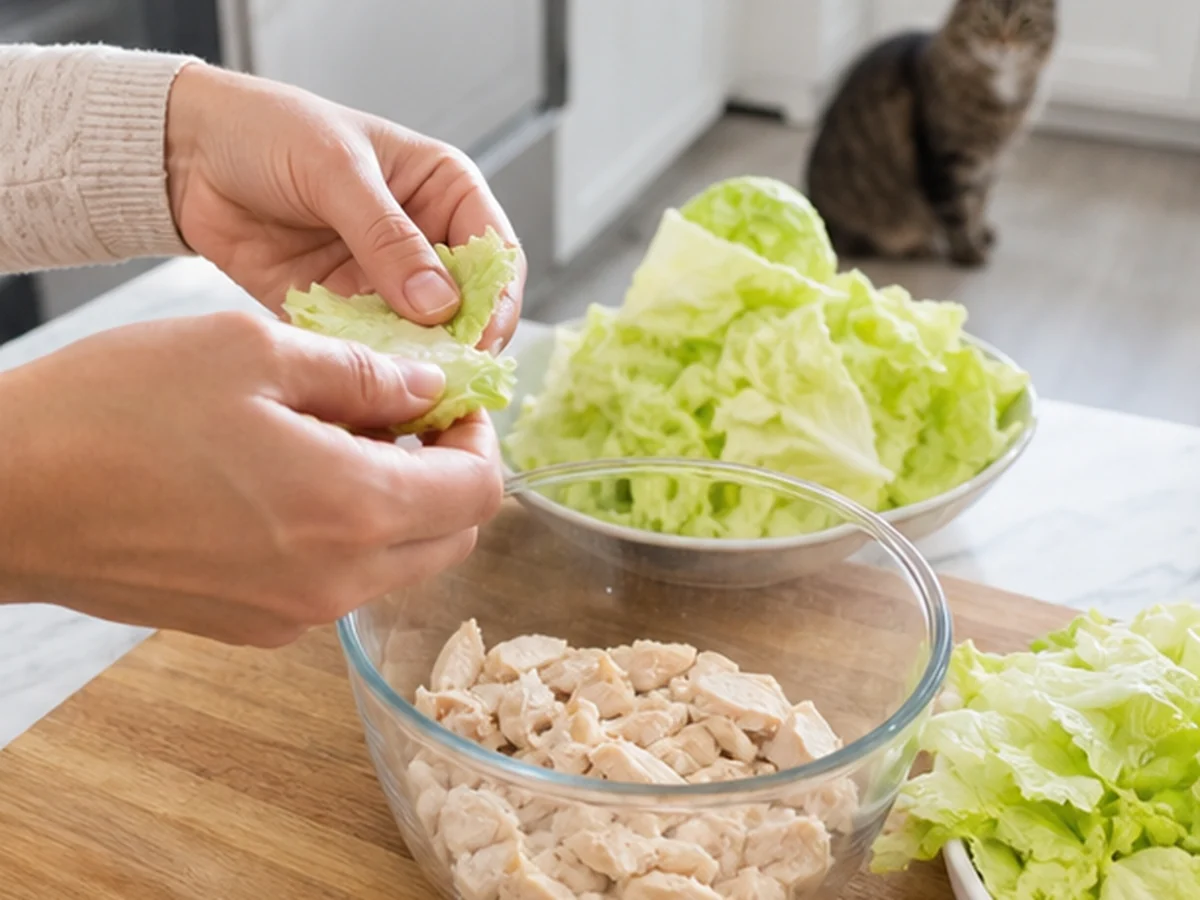
Separate the cat portion before seasoning
Wash and chop the small plain piece before dressing the family salad. Once leaves are tossed, rinsing one off cannot reliably remove oily seasoning or ingredients tucked into folds.
Store the cat-sized portion in a clean covered dish and discard it promptly if untouched. This prevents a well-intended family member from selecting a piece out of the dressed bowl later.
If the cat enjoys crunch, ask whether a dental-friendly commercial treat or a few pieces of the usual kibble fit the diet. Texture can be provided without turning every open produce drawer into a snack bar.
Keep a note of any new food and response, especially in a multi-cat home where the litter-box evidence has no signature. That record makes recurring digestive patterns much easier to discuss.
Frequently asked questions
Can cats eat romaine lettuce?
A tiny amount of washed, plain, finely chopped romaine is generally low risk for a healthy adult. Skip dressing and tough ribs.
Can cats eat iceberg lettuce?
Yes in similarly tiny, plain pieces, but it offers no special benefit. Too much can cause digestive upset or displace balanced food.
Why does my cat want lettuce?
The crisp texture, moisture, smell of dressing, play value, or ordinary curiosity may attract the cat. Interest alone does not diagnose a deficiency.
The bottom line
Fresh plain lettuce is one of the simpler accidental plant bites, provided it is clean and chopped small. The real detective work belongs to dressings, toppings, spoiled produce, packaging, and any symptoms.