Can Cats Eat Dried Cranberries? Labels, Raisin Mix-Ups, and UTI Myths
One plain dried cranberry is unlikely to poison a healthy adult cat, but most products are sweetened, chewy, and easy to confuse with raisins in a mix. Check the complete label, keep the bag away, and never use dried cranberries to treat urinary signs or delay veterinary care.
The thirty-second snack-bag check
Move the bag, inspect the floor, and identify whether the cat ate one berry, a handful, a trail mix, a chocolate product, or part of the package. Photograph the ingredient and nutrition panels before cleanup.
For one confirmed cranberry with no hazardous additions and a comfortable cat, offer water and monitor appetite, energy, vomiting, stool, and abdominal comfort. The most likely outcome is nothing, although mild stomach upset is possible.
Call promptly for raisins or grapes, chocolate, medication, an unknown sweetener blend, a large amount, missing plastic, repeated vomiting, weakness, tremors, breathing trouble, collapse, or inability to urinate. Do not induce vomiting or give salt, oil, milk, or human urinary medicine.
Drying changes portion and texture
Removing water shrinks fruit and concentrates its calories and natural acids into a small, sticky piece. Several dried berries can disappear faster than the equivalent amount of fresh fruit, especially when they cling together in a sweetened cluster.
The leathery texture can stick to teeth, palate, or throat, and a cat who bolts food may swallow a wad with little chewing. Dried cranberries are not a dental chew, fiber treatment, or enrichment food merely because they require work.
Cats need complete feline nutrition rather than concentrated fruit. The Cornell Feline Health Center recommends complete and balanced cat food and keeping treats to a minor share of daily calories.
Why dried cranberries are usually sweetened
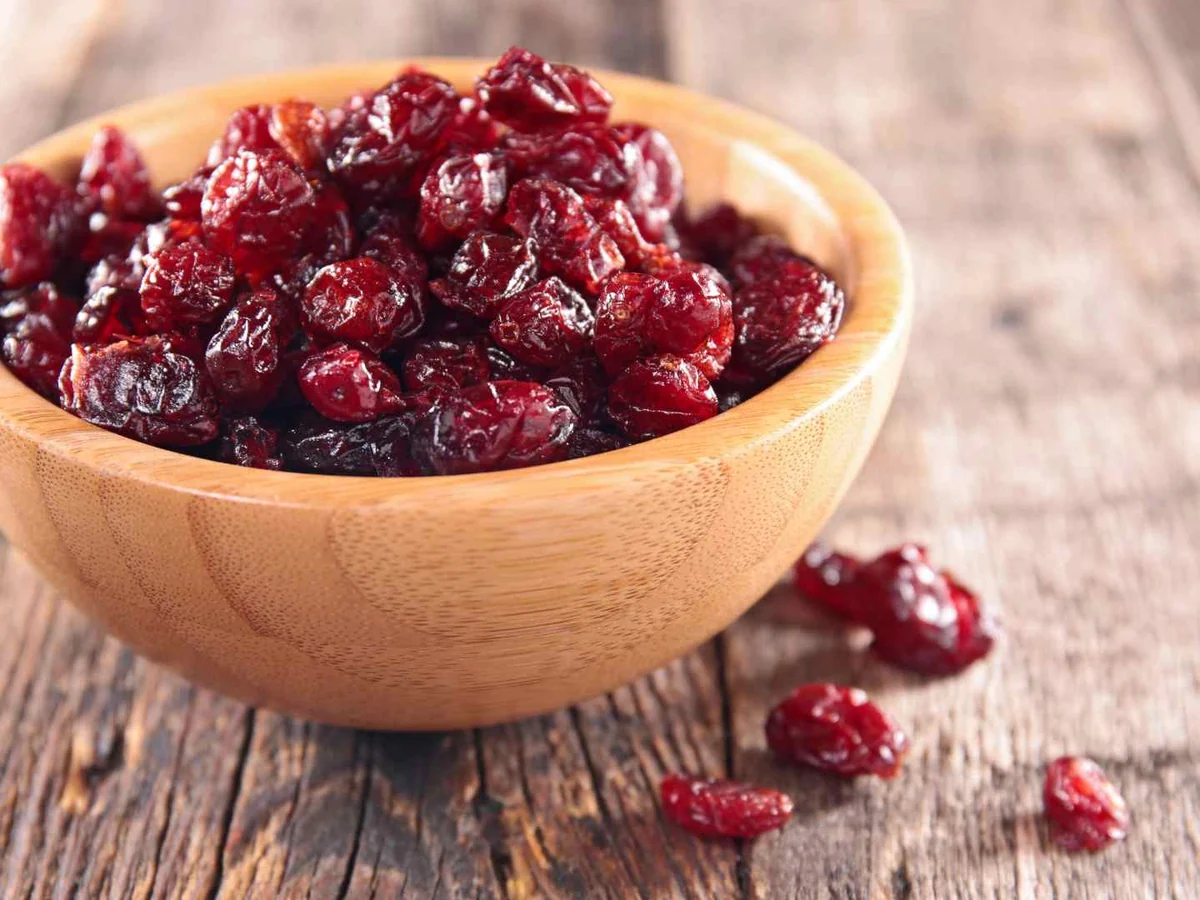
Cranberries are naturally tart, so manufacturers often add sugar, syrup, apple juice concentrate, or another sweetening ingredient. The result may resemble a raisin while carrying far more added sugar than a shopper expects from the word fruit.
The FDA specifically discusses added sugar labeling for cranberry products. Compare serving size, added sugars, ingredients, and servings per bag, while remembering that every Daily Value on the package is designed for people.
Unsweetened dried cranberries avoid added sugar but remain concentrated, acidic, and chewy. Freeze-dried whole fruit is crisp rather than leathery, yet it still offers no nutrient a properly fed cat needs from berries.
Read beyond the word cranberry
Products may include sunflower oil to reduce sticking, glycerin to preserve softness, flavors, color, preservatives, or sulfites. A small amount of an ordinary labeled ingredient does not automatically create feline poisoning, but the label determines whether plain-fruit reassurance applies.
Sugar-free, reduced-sugar, keto, and functional snacks can use sugar alcohols, high-intensity sweeteners, caffeine, herbs, or supplement ingredients. Xylitol is notoriously dangerous to dogs, but the FDA notes that it does not appear as dangerous for cats.
That species distinction prevents dog-only toxicology from being copied onto cats, but it does not make a mixed product suitable. Call with the exact formula after a meaningful or uncertain exposure so every ingredient can be assessed.
The site’s dried cranberry product guide helps identify label variations. Its canine doses and conclusions should not be used as feline instructions.
Raisins are the mix-up that matters most
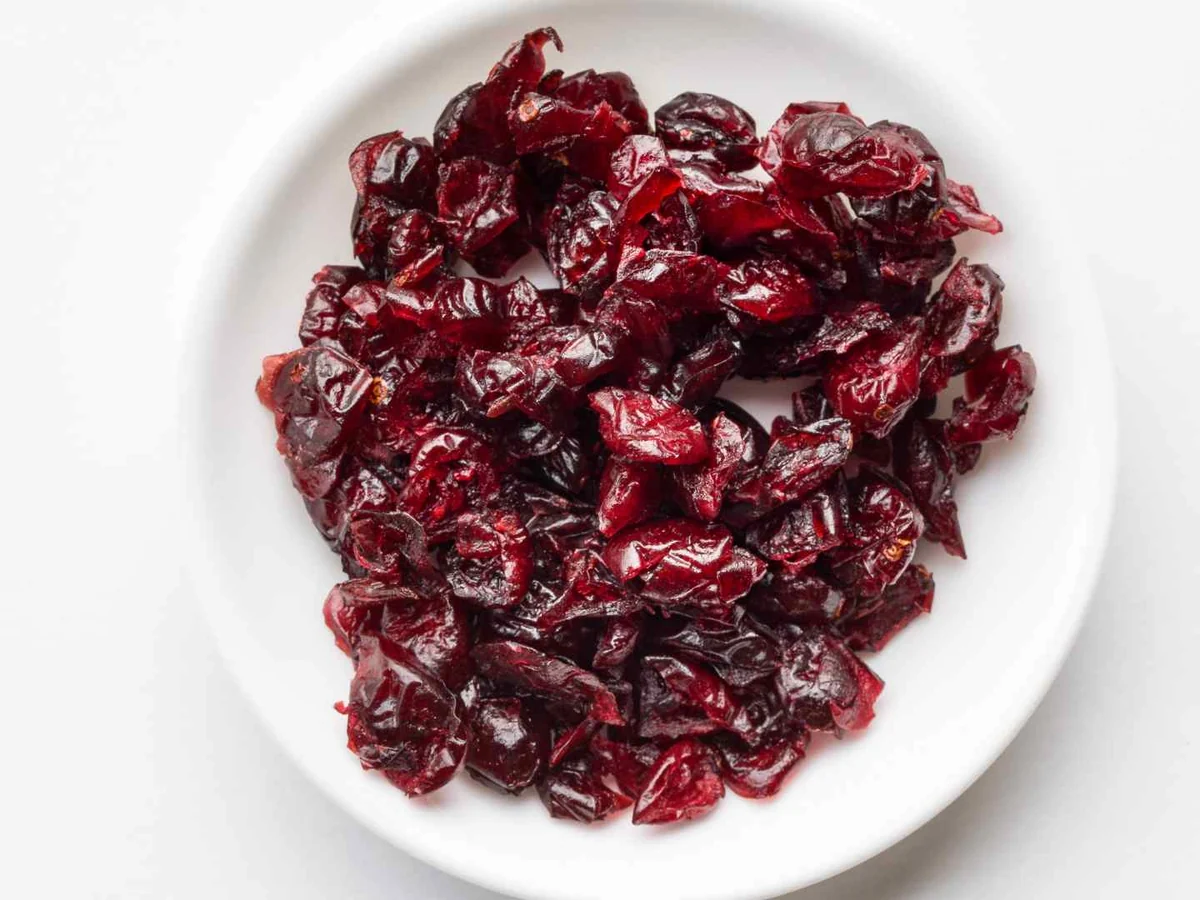
Dried cranberries and raisins can look nearly identical after tumbling through trail mix, oatmeal, cookies, or stuffing. Some packages contain both, and a dark shriveled piece found after the incident may not be identifiable by sight.
Grape and raisin kidney injury is well documented in dogs, while feline evidence is limited and no reliable safe feline dose is established. Use a precautionary call rather than declaring a raisin harmless because the better-known cases involve dogs.
Our cat grape and raisin guide explains that uncertainty and the information a clinician needs. Preserve the mix bag and count the types of fruit remaining if possible.
Trail mix adds a whole pantry of questions
Trail mix can contain chocolate, coffee beans, macadamias, raisins, yogurt coating, salt, spices, sugar-free candy, and hard nuts. Evaluate the most concerning possible ingredient, not the one named in the question you typed first.
Chocolate requires prompt veterinary advice because cats can be affected by methylxanthines such as theobromine and caffeine. Hard nuts and seeds add choking risk, while greasy plastic bags can be swallowed or trap a pet’s head.
Report missing wrappers, zip strips, oxygen absorbers, and desiccant packets along with the food. Do not open or taste a packet to determine its contents.
Cranberries are not a feline UTI cure
Human cranberry marketing is often connected with urinary health, which tempts owners to add berries when a cat strains or visits the box repeatedly. Dried fruit cannot diagnose infection, dissolve an obstruction, relieve pain, or replace a urine test.
Cornell’s feline lower urinary tract resource explains that several conditions can cause similar signs and that male cats face increased obstruction risk. Straining with little or no urine is an emergency, regardless of whether the cat will eat cranberries.
The Merck Veterinary Manual notes preliminary evidence for certain cranberry extracts in some feline lower urinary tract contexts. Preliminary supplement evidence is not proof that sweetened dried berries treat an individual cat’s condition.
A standardized extract used within veterinary care differs from a snack in active compounds, dose, calories, and quality control. Never substitute fruit for prescribed food, pain relief, urinary medication, hydration measures, environmental changes, or emergency treatment.
Know the urinary emergency signs
Frequent litter-box trips, straining, crying, licking the genital area, blood in urine, urinating outside the box, or producing only drops needs veterinary attention. A cat who cannot pass urine may deteriorate rapidly.
Vomiting, profound lethargy, weakness, a painful abdomen, or collapse alongside urinary signs increases urgency. Do not press the bladder, force water, or wait overnight to see whether fruit changes the situation.
Cookies, breads, oatmeal, and salads
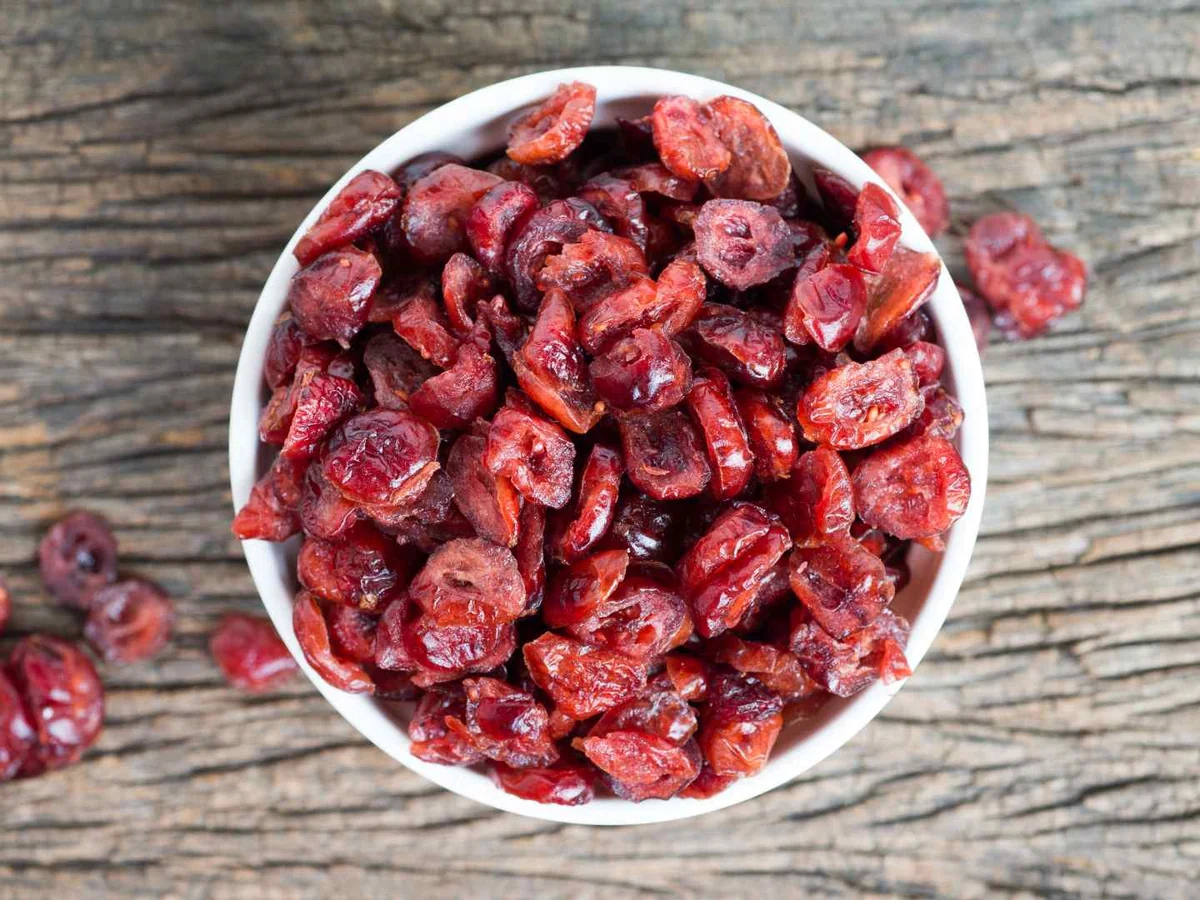
Cranberry cookies and breads add flour, sugar, fat, and sometimes white chocolate, orange peel, raisins, or nuts. Raw dough brings uncooked flour and egg, while yeast dough can expand and produce alcohol.
Oatmeal may be plain or contain milk, sweetener, spices, raisins, and hot liquid capable of burning. A salad can add onion, cheese, dressing, candied nuts, skewers, or plastic film.
Cranberry sauce and juice are more concentrated sweet products and may be blended with grape or other juices. The cranberry juice label guide can help distinguish blends, while feline urinary claims still require veterinary evidence.
Sulfites and preservatives without alarmism
Sulfites may be used in some dried fruits and must be declared on human food labels above regulatory thresholds. Human sensitivity is established, but a label containing sulfite does not by itself prove that one berry will poison a cat.
Call if a cat with respiratory disease eats a substantial amount or develops coughing, wheezing, facial swelling, vomiting, weakness, or breathing difficulty. The product, amount, symptoms, and medical history matter more than a preservative panic list.
Cats who should skip dried fruit entirely
Kittens, diabetic cats, overweight cats, and patients with dental disease, swallowing difficulty, chronic digestive problems, or therapeutic diets gain nothing from dried cranberries. Food-allergy trials also require strict control of every extra ingredient.
Cats with urinary disease should follow the veterinarian’s moisture, diet, medication, and environmental plan rather than receiving a sugary homemade intervention. Cats with kidney or heart disease may also need closer attention to product additives and overall diet.
Do dried cranberries belong in pill pockets?
The sticky center may look convenient for hiding a tablet, but a cat can chew around the medicine, spit it out, or receive an incomplete dose. Fruit acids, sugar, and supplement ingredients also make the method less predictable than an approved pill vehicle.
Ask the prescribing clinic whether a medication can be crushed, split, opened, or given with food, because altering certain tablets changes absorption or safety. If the cat repeatedly refuses medication, request a demonstration or discuss another formulation rather than building a cranberry delivery system.
After an accidental medication-and-fruit theft, report both the drug and the dried product. The missing dose may matter more urgently than the berry, especially when another pet’s prescription was involved.
Storage and prevention
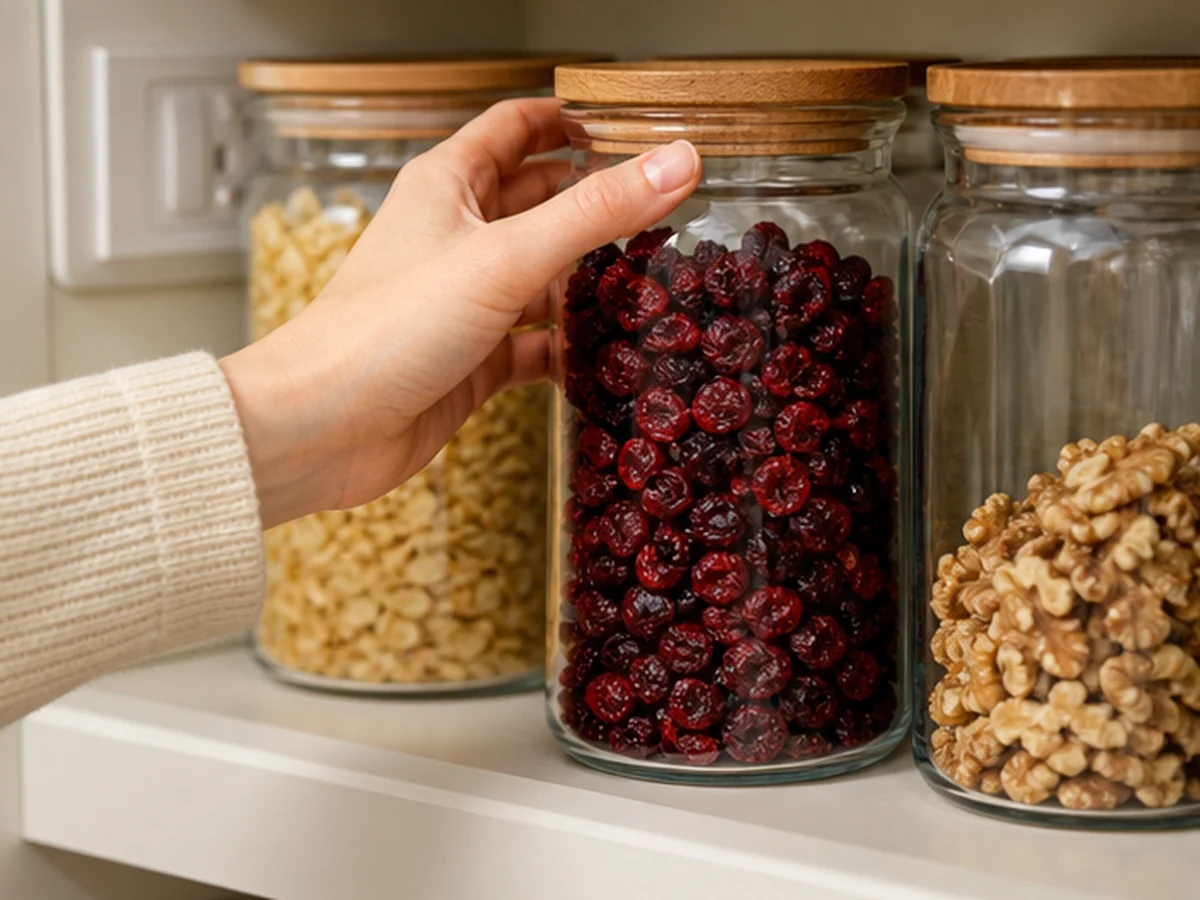
Keep dried fruit in a rigid closed container inside a cabinet, not in a soft bag on the counter. Discard empty bags behind a lidded bin and sweep berries that roll under appliances.
Check children’s snack boxes, holiday garlands, baking stations, and guest bowls where dried fruit may appear away from its original label. A cat can turn one unattended trail-mix cup into a forensic exercise remarkably quickly.
Use a measured cat treat or part of the normal ration when you want to share snack time. The attention is the prize, and your cat will not file a complaint about missing antioxidants.
FAQ
Are dried cranberries toxic to cats?
Plain dried cranberry is not recognized as a feline poison, and one piece is generally low risk. Sugar, texture, mixed ingredients, and packaging make it a poor intentional treat.
What if my cat ate cranberry trail mix?
Check immediately for raisins, chocolate, coffee, macadamias, sweeteners, medication, and missing bag pieces. Call with the label and possible amounts because the mix cannot be judged as cranberries alone.
Can dried cranberries prevent a cat UTI?
No evidence supports using sweetened dried fruit as prevention or treatment. Urinary signs need diagnosis, and inability to urinate is an emergency.
Are unsweetened dried cranberries better?
They avoid added sugar but remain concentrated, acidic, and chewy. A complete feline treat remains the more appropriate choice.
Bottom line
One confirmed dried cranberry is usually a monitor-at-home event, but the bag may tell a more complicated story. Check for raisins, chocolate, sweeteners, supplements, and plastic, and treat urinary signs as a veterinary problem rather than a fruit problem.