Can Cats Eat Eggshells? Sharp Fragments, Salmonella, and Calcium Balance
A tiny accidental eggshell fleck will usually pass without harming a healthy adult cat, but jagged pieces can cut or choke and raw shells can carry contamination. Do not grind shells into food or calculate a calcium dose at home unless a veterinary nutritionist formulated the entire diet.
First look at size, sharpness, and raw contact
Find the remaining shell and estimate whether the cat licked dust, swallowed a small curved fragment, crunched half a shell, or ate raw egg with it. Check the mouth only if you can do so safely and without pushing material deeper.
After one tiny smooth fleck and no symptoms, offer normal food and water and observe. Do not add bread, oil, pumpkin, cotton, or another bulky material in an attempt to wrap the shell.
Call for a large or jagged piece, repeated gagging, drooling, blood, vomiting, abdominal pain, weakness, feverish behavior, loss of appetite, or difficulty passing stool. Breathing trouble, collapse, or active choking needs emergency care.
Eggshell is mostly mineral, but that does not make it a supplement
Eggshell consists largely of calcium carbonate with a thin inner membrane and trace minerals. The word calcium sounds beneficial, yet nutrition depends on dose, bioavailability, phosphorus, vitamin D, life stage, disease, and every other ingredient in the diet.
A complete commercial cat food already contains calcium balanced against phosphorus and other nutrients. Adding shell powder on top can alter a formula that was designed to meet the cat’s needs without it.
The Merck Veterinary Manual’s nutrition review explains that calcium and phosphorus are closely balanced and that limited-ingredient homemade diets are often inadequate. It also notes that cats have requirements distinct from dogs.
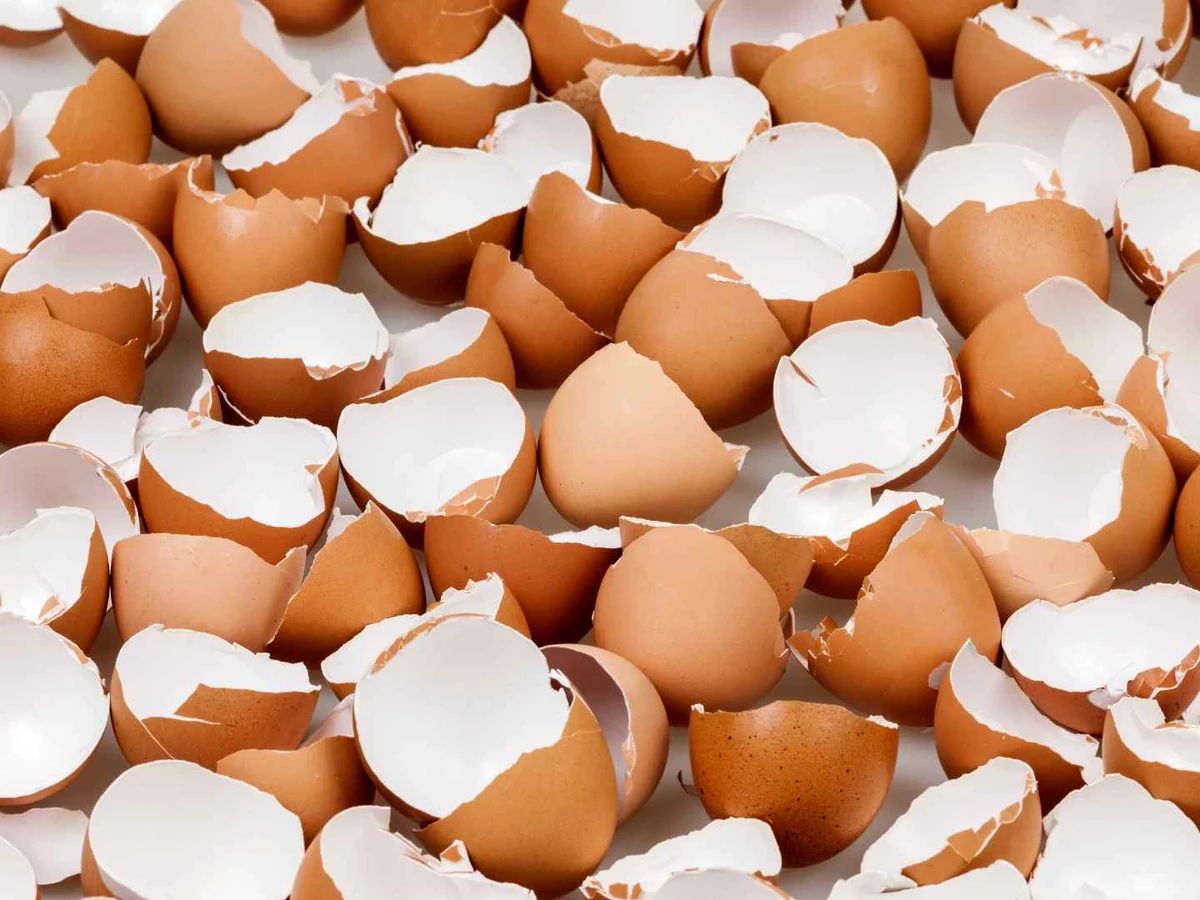
Why there is no universal teaspoon dose
Shell thickness, egg size, grinding fineness, packing, and measuring technique can change how much calcium fits in a spoon. More importantly, the correct amount depends on the recipe’s meat, organs, bones, supplements, total calories, and nutrient analysis.
A kitten, pregnant cat, healthy adult, and cat with kidney disease do not share one safe homemade calcium formula. Copying a recipe between life stages or changing the meat quantity without recalculating the supplement can unbalance the diet.
Do not use a social-media conversion such as one shell per pound of meat without a credentialed nutritionist evaluating the complete recipe. A precise-looking number can still be precisely wrong for the food, cat, and analytical assumptions.
Too little calcium and too much guesswork both matter
All-meat homemade diets can be high in phosphorus and deficient in calcium, prompting the body to remove mineral from the skeleton. Merck describes nutritional secondary hyperparathyroidism, weakened bones, and severe disease from prolonged imbalance.
That deficiency risk is not an invitation to shake powder into the bowl until it looks right. Excess supplementation can disturb mineral balance, reduce absorption of other nutrients, complicate kidney or urinary disease, and make a recipe impossible to evaluate.
The safe solution is a complete diet or a home-prepared formula written for the individual by a board-certified veterinary nutritionist. Follow ingredient weights, product brands, preparation, and supplement amounts exactly.
Raw shell can carry Salmonella
Clean-looking eggs are not guaranteed free of bacteria. The FDA egg-safety guidance states that fresh eggs with clean, uncracked shells may contain Salmonella and recommends refrigeration, thorough cooking, and careful cleaning.
Bacteria may be on the outer shell or associated with the egg contents, and cracking can transfer contamination to hands, counters, bowls, and floors. A cat who walks through raw egg can groom contaminated material from paws later.
Wash hands, utensils, and work surfaces with hot soapy water after raw egg contact and use an appropriate disinfecting step where needed. Keep the cat away from wet cleaners and prevent cross-contamination with its food and water dishes.
The FDA’s pet-focused Salmonella resource notes that contaminated pet food and raw animal products can affect animals and household members. Cats may develop illness or shed bacteria, creating added concern around children, older adults, pregnant people, and immunocompromised individuals.
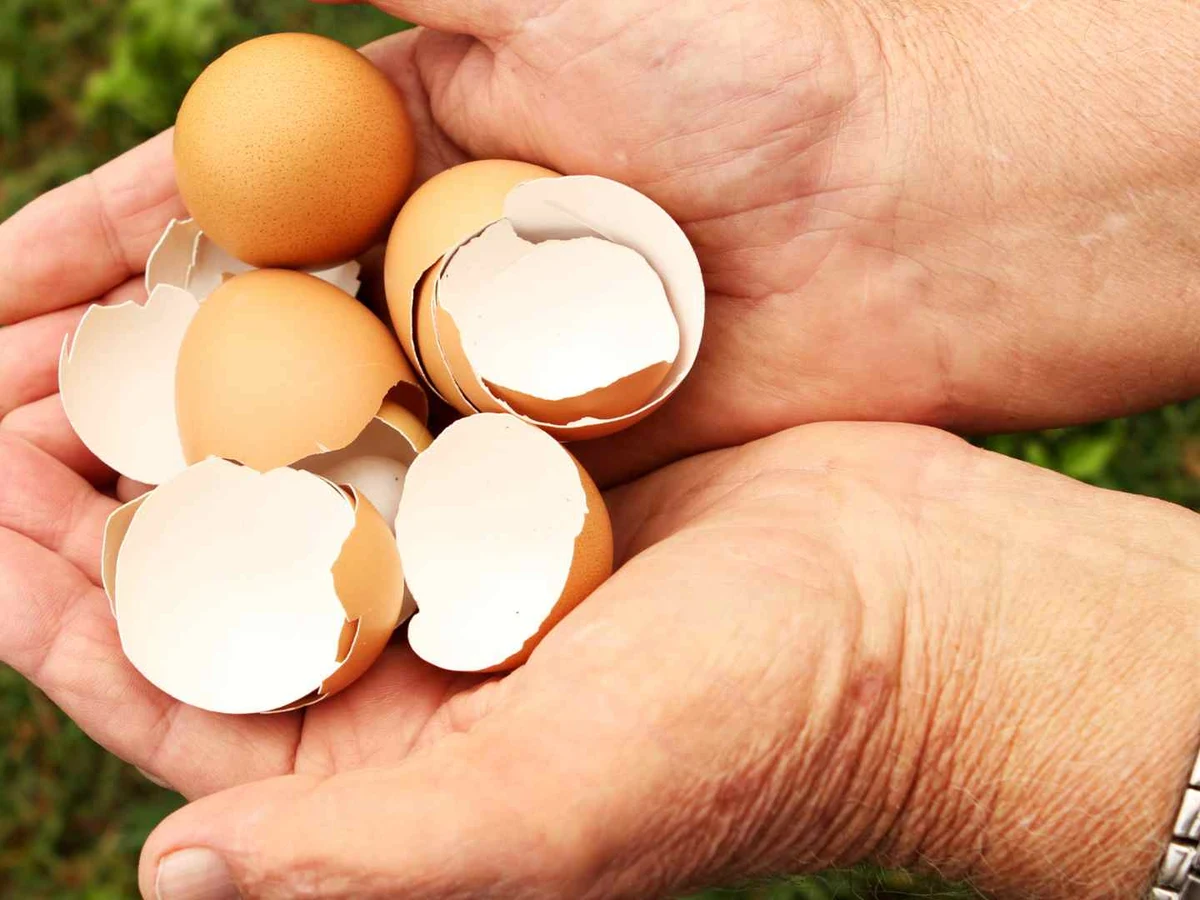
Cooking reduces microbes but does not smooth a jagged shard
Boiling or baking shell can reduce bacterial risk when done properly, but heat does not turn a curved fragment into soft food. Large pieces can remain sharp enough to scratch gums, lodge, or irritate the gastrointestinal tract.
Finely grinding changes physical texture but creates a concentrated powder whose dose must be formulated. It can also become airborne or contaminate grinders and surfaces if raw handling was poor.
Do not feed decorative dyed shells, craft eggs, shells treated with cleaners, or eggs used in hunts. The FDA advises that eggs used for hiding or play may pick up contamination and should not be eaten.
What sharp fragments can do
Shell edges can cut the lips, tongue, palate, or throat, while a larger curved piece may choke. Farther along, fragments may irritate the stomach or intestines, though one microscopic fleck is unlikely to cause injury.
Watch for repeated swallowing, mouth pawing, drooling, coughing, gagging, blood in saliva or stool, vomiting, hunching, or appetite loss. A cat who cannot breathe normally needs immediate emergency help.
If a fragment is embedded where it is clearly visible, do not wrestle with a distressed cat or probe blindly. A veterinarian can examine the mouth with safe restraint and determine whether imaging or gastrointestinal monitoring is needed.
Shell membrane and boiled-egg leftovers
The inner membrane can peel away as a tough translucent sheet and may be swallowed with shell attached. It has no proven household benefit for cats and can form an awkward strip when large.
Hard-boiled egg white or yolk is a separate food question from the shell. Our boiled egg guide covers doneness, portions, refrigeration, and seasoning, while the complete egg guide compares cooked and raw forms.
Discard shells directly into a lidded bin rather than leaving them beside the cutting board. A shell rocking across tile has all the charisma of an expensive cat toy and none of the design testing.
Backyard and farm eggs need the same hygiene
A backyard source does not make a shell sterile, even when hens look healthy and the egg is freshly collected. Soil, fecal material, nesting surfaces, hands, and kitchen tools can move microbes.
Follow applicable storage and egg-safety guidance and keep broken, dirty, or questionable eggs away from cats. Do not feed a shell because it seems wasteful to discard an egg that cannot be used safely for people.
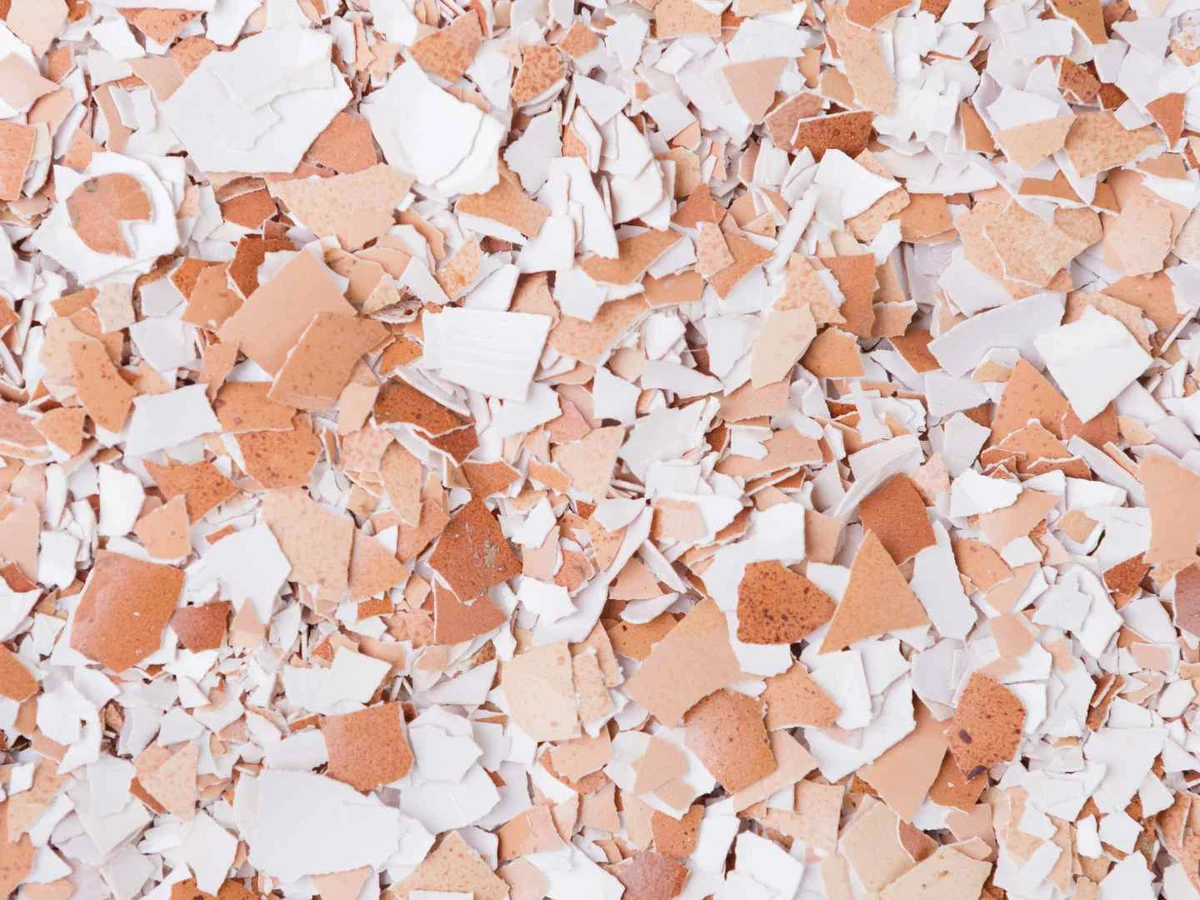
Eggshell powder products and labels
Commercial eggshell calcium products may be tested, processed, and labeled more consistently than kitchen scraps, but they are still supplements. A quality product cannot determine by itself whether the cat needs calcium or how much fits the diet.
Products may include vitamin D, magnesium, flavoring, herbs, or other minerals, which changes both benefit and risk. Bring the Supplement Facts panel, lot number, dose eaten, and cat’s medical history to any exposure call.
Keep human calcium supplements away from pets because formulations can include sweeteners or high doses intended for people. Never substitute a human tablet for a veterinary nutritionist’s specified ingredient without approval.
Kidney and urinary disease require particular restraint
Kidney disease changes phosphorus handling and interacts with calcium, vitamin D, parathyroid hormone, hydration, and prescribed diets. Adding shell powder can undermine a carefully formulated renal plan or complicate interpretation of blood and urine results.
Cats with calcium oxalate stones or abnormal blood calcium should never receive casual calcium supplementation. The relationship among dietary calcium, urinary minerals, gut binding, and stone risk is too complex for a simple less calcium or more calcium rule.
The Merck cat-owner mineral guide explains that calcium, phosphorus, vitamin D, kidney function, and parathyroid hormone are interconnected. Follow the treating veterinarian’s diet and medication instructions precisely.
Kittens and reproducing cats are not DIY projects
Growth, pregnancy, and lactation alter calcium and energy needs, and errors can harm both mother and young. Do not add eggshell based on the assumption that growing bones always need more calcium.
Use a complete food labeled for the appropriate life stage or a veterinary nutritionist’s exact formula. If a queen has tremors, weakness, panting, seizures, or abnormal behavior during nursing, seek emergency care instead of giving shell powder.
What to tell the clinic
Report raw or cooked status, shell size and sharpness, possible amount, time, accompanying egg or dish, cat’s weight, diagnoses, medications, and symptoms. Mention whether the egg was spoiled, recalled, decorated, backyard-sourced, or exposed to cleaning chemicals.
If supplement powder was eaten, provide the brand, ingredient panel, serving scoop, remaining quantity, and lot number. Do not estimate calcium from a photograph when a label can give the clinic better information.
The eggshell form guide can help identify fragments, powder, raw egg, and supplement scenarios, but dog dosing or bone claims must not be transferred to cats.
FAQ
What if my cat ate a tiny eggshell piece?
One small smooth fleck will usually pass without a problem. Monitor for gagging, drooling, vomiting, pain, blood, or appetite loss and call if any appears.
Can I grind eggshells for my cat’s calcium?
Only when a veterinary nutritionist has formulated the complete diet and specified the exact processed product and amount. Do not supplement a complete cat food routinely.
Does boiling make eggshell safe?
Heat can reduce microbial risk, but it does not remove sharp edges or determine a correct calcium dose. Large shell pieces remain inappropriate.
Are eggshells good for cat bones?
Healthy bones require correctly balanced calcium, phosphorus, vitamin D, calories, and protein, not an unmeasured shell. A complete life-stage diet provides a safer foundation.
Bottom line
A microscopic shell fleck is usually harmless, but jagged pieces, raw contamination, and homemade calcium dosing deserve respect. Secure the scraps, clean raw egg carefully, and leave mineral formulation to a veterinary nutritionist.