Can Cats Eat Dried Mango? Texture, Sugar, Sulfites, and Snack Bags
A tiny piece of plain dried mango is unlikely to poison a healthy adult cat, but it is concentrated, sugary, and surprisingly tough. Long strips, sweetened products, chili coatings, sulfites, mixed snacks, and swallowed packaging make the label and the missing shape more useful than the fruit name alone.
If a mango strip just vanished
Remove the bag and look for the missing piece before assuming it was swallowed. A thumbnail crumb of soft plain mango is a different event from a whole leathery strip, several cubes, a chili snack, or torn plastic.
For one tiny confirmed piece and a normal cat, keep water and usual food available and monitor. Mild drooling, vomiting, gas, or loose stool can follow an unfamiliar fruit, though many cats remain entirely normal.
Call a veterinarian for choking, repeated gagging, a missing long strip, persistent vomiting, abdominal pain, weakness, breathing trouble, a large amount, unknown additives, or swallowed packaging. Do not induce vomiting or give oil, bread, or laxatives to push the fruit through.
Dried mango is a concentrated version, not a tiny fresh slice
Drying removes most of the water that gives fresh mango its volume and softness. Sugar, calories, acids, and fiber remain in a smaller package, so several dried pieces represent considerably more fruit than their size suggests.
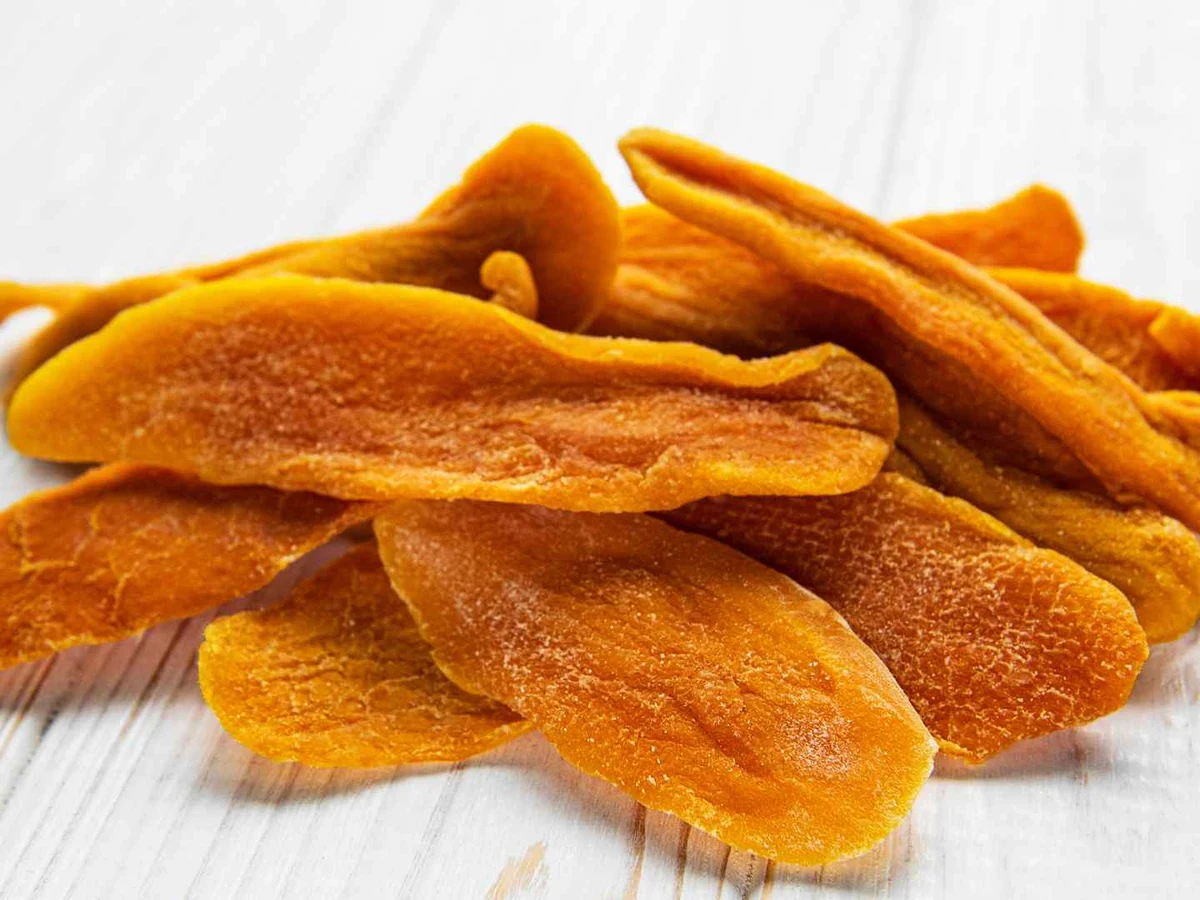
The texture ranges from supple and sticky to stiff enough to fold without breaking. Cats tend to shear meat rather than grind chewy fruit methodically, which makes a long strip poorly suited to their mouth.
Mango nutrients valued in human diets do not make dried fruit a feline supplement. The Cornell Feline Health Center recommends complete and balanced cat food, with treats kept to a small share of daily intake.

The shape can matter more than the ingredients
A thin mango ribbon can stick across the palate, lodge in the throat, or be swallowed as linear material. Dense cubes and rolled fruit leather create different choking geometry but remain awkward for a cat who bolts food.
If material is visible deep in the mouth, do not blindly sweep with fingers and risk pushing it farther or being bitten. Breathing difficulty, blue or pale gums, collapse, or inability to swallow needs emergency care.
The Merck Veterinary Manual notes that foreign-body obstruction commonly causes vomiting or poor appetite and may also produce low energy and a sore abdomen. Do not pull a strip protruding from the mouth or anus because attached material can injure the gut.
Sweetened versus unsweetened labels
Some dried mango contains only mango, while other brands add cane sugar, glucose syrup, juice concentrate, or honey. Sweetened fruit delivers more unnecessary calories and may feel softer, which can make it easier to overeat.
The FDA explains how added sugars appear on Nutrition Facts labels. Check serving size and servings per package too, but never scale the printed human serving down as if it were a veterinary recommendation.
No-sugar-added means the processor did not add qualifying sugar, not that mango contains no natural sugar. Unsweetened dried fruit is therefore simpler but still concentrated and optional.
The site’s dried mango label guide helps identify sweetened, chewy, and coated varieties. Its dog portions cannot establish what a cat should eat.
Sulfites and color preservatives
Sulfur dioxide, sodium metabisulfite, or related sulfites may be used to preserve color in dried fruit. FDA regulations require declaration when sulfites are present above specified levels because sensitive people can have serious reactions.
Feline evidence is not strong enough to claim that a labeled sulfite dose in one mango piece routinely poisons cats. Avoid intentional feeding and call if a substantial amount was eaten or coughing, wheezing, facial swelling, vomiting, weakness, or breathing difficulty develops.
Color alone does not reveal sulfite use because some unsulfured mango stays bright and some treated fruit darkens. The ingredient list and manufacturer are better sources than comparing the snack with a photograph.

Chili mango is a mouth-irritation project
Chili-lime mango may contain chili powder, cayenne, citric acid, lime, salt, sugar, and flavor blends. Capsaicin can cause painful oral irritation, drooling, pawing at the mouth, coughing, vomiting, or diarrhea.
Do not force water into the mouth or give milk to extinguish the spice. Offer voluntary water, remove loose powder from access, and call for severe drooling, eye exposure, breathing signs, repeated vomiting, or marked distress.
Powder on paws can be groomed into the mouth and rubbed into eyes. Ask a veterinarian or poison service how to decontaminate the specific coating without spreading it across the coat.
Fresh mango has different physical hazards
Fresh ripe mango flesh is moist and can be minced, while its peel is tougher and the large flat pit can obstruct. Dried mango should not contain either, but homemade batches and rustic slices may retain peel or hard fragments.
The fresh mango overview separates flesh, peel, pit, and products, while the guava guide illustrates why tropical fruits cannot be treated as one interchangeable category. Use these for food-form identification, not feline dosing.
If you dehydrate mango at home, wash the intact fruit under running water, peel it, remove every pit fragment, and dry it using validated food-safety instructions. A homemade label should record ingredients, batch date, storage, and any pretreatment.
Fruit leather, gummies, and mixed snacks
Mango fruit leather may blend apple, pear, juice concentrate, sugar, acids, oils, or preservatives into a sticky sheet. Gummies can add gelatin, sugar alcohols, colors, cannabis, vitamins, or medication, making fruit reassurance irrelevant.
Trail mix can include raisins, chocolate, coffee beans, macadamias, salty nuts, and yogurt coatings. Our grape and raisin guide for cats explains why uncertain dried-fruit identification warrants a precautionary call.
Freeze-dried mango is crisp and less likely to form a leathery ribbon, but chunks can still choke and rehydrate after swallowing. Powders are easy to inhale and may be blended into supplements or sweetened drinks.
The package can become the emergency
Resealable pouches, oxygen absorbers, desiccant packets, plastic windows, and tear strips carry strong fruit odor. Cats may chew or swallow them while extracting the last sticky residue.
Do not open, taste, or wet a mysterious packet to identify it. Save the package and call with printed information if the packet is damaged or missing.
Store dried fruit in a rigid closed container inside a cabinet and cut up empty bags before secure disposal. A zipper seal delays a determined cat for roughly the length of one phone notification.
Dried mango is not a constipation remedy
Fiber does not make every fruit an appropriate laxative. Constipation can involve dehydration, pain, pelvic disease, medication, swallowed material, neurologic problems, or megacolon, and extra fiber may be unhelpful in some cats.
Straining in the litter box can also be urinary obstruction rather than constipation, particularly in males. Inability to pass urine, repeated box visits, crying, vomiting, lethargy, or a painful abdomen requires urgent veterinary care.
Never give a long strip to sweep hair through the digestive tract. Linear material can create precisely the obstruction you hoped to prevent.
Moisture, mold, and pantry storage
Soft dried mango still contains enough moisture to spoil when the package is left open, contaminated by wet hands, or stored in heat. Clumping, condensation, fermentation odor, unexpected fizz, or visible mold means the entire product belongs in secure trash.
Do not trim a moldy edge and offer the clean-looking remainder, because fungal growth and moisture migration extend beyond what is obvious. Reheating or redrying questionable fruit does not reliably remove every microbial or toxin concern.
Mark homemade batches with the date and storage instructions and discard them when safety is uncertain. A cat’s willingness to eat a forgotten strip is a comment on access, not a freshness test.
Cats who should skip dried mango
Kittens, diabetic or overweight cats, and patients with dental disease, swallowing trouble, chronic digestive conditions, constipation, or prescription diets should not receive dried mango. An elimination diet also fails when surprise fruit enters the trial.
Seniors may have hidden dental pain that makes tough food risky. Dropping kibble, chewing on one side, mouth odor, pawing at the face, or sudden preference for soft food merits an oral examination.
A cat refusing normal meals while accepting sweet novelty still has reduced appropriate intake. Contact the clinic if appetite loss persists or accompanies vomiting, pain, lethargy, or weight change.
A clean monitoring and call plan
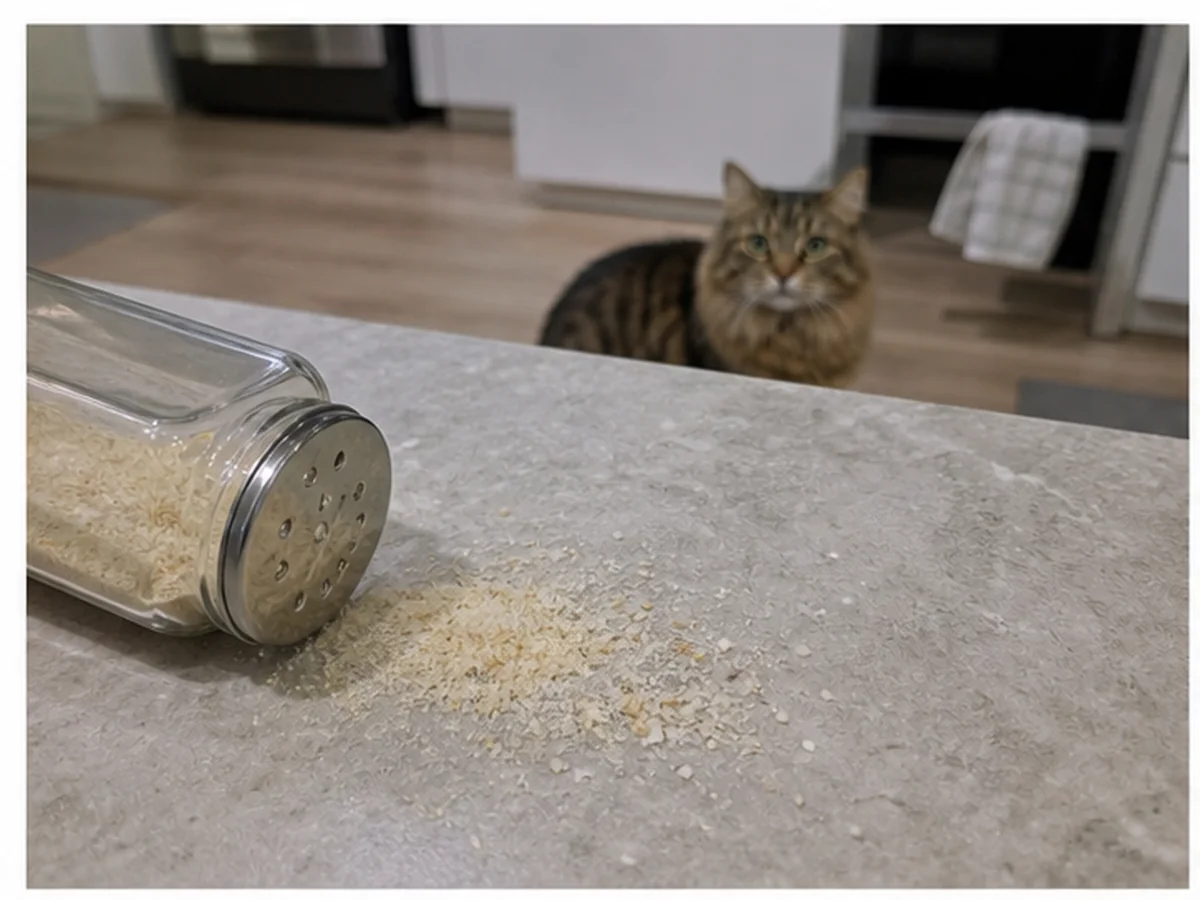
After a small plain piece, watch swallowing, breathing, appetite, energy, vomiting, stool, and abdominal comfort. Keep the routine quiet and avoid adding other unfamiliar foods that would muddy the picture.
When calling, give the brand, exact flavor, ingredients, possible amount, piece shape, time, cat’s weight, medical conditions, medications, symptoms, and missing packaging. Photograph the remaining snack beside a ruler if size is hard to describe.
Urgent signs include open-mouth breathing, collapse, blue or pale gums, severe weakness, repeated vomiting, a painful swollen abdomen, or inability to swallow. Travel for care while another person phones ahead when possible.
FAQ
Is dried mango toxic to cats?
Plain mango is not a recognized feline poison, and one tiny dried piece is generally low risk. Its concentrated sugar and tough texture make it a poor regular treat.
What if my cat swallowed a whole mango strip?
Call for advice because length, toughness, and the cat’s size affect choking and obstruction risk. Seek urgent care for gagging, breathing trouble, vomiting, pain, or appetite loss.
Can cats eat chili dried mango?
Do not offer it because chili can painfully irritate the mouth and gut, while coatings may contain salt and other additives. Call for significant exposure or persistent signs.
Is unsweetened dried mango safe?
It is simpler than sweetened mango but still concentrated and chewy. If sharing at all, choose a minuscule soft piece and keep it rare.
Bottom line
A crumb of plain dried mango is usually a quiet monitoring event, but strips, coatings, snack mixes, and bags can change that answer. Keep the label, respect the texture, and choose a cat treat when the goal is simply sharing.