Can Cats Eat Ginger? Fresh Root, Pickled Slices, Tea, and Supplements
A tiny accidental lick of food containing ordinary culinary ginger is usually a monitoring question, but cats do not need ginger and concentrated forms should not be given without veterinary direction. Fresh root, pickled slices, candy, tea, essential oil, supplements, and ginger-seasoned dishes have very different ingredients and risks.
Ginger is a family of products at the kitchen counter
| Form | What else may be present | Best feline answer |
|---|---|---|
| Fresh culinary root | Fibrous peel and tough chunks | Do not offer; monitor a tiny lick |
| Ground spice | Airborne dust or mixed seasonings | Avoid intentional feeding |
| Pickled ginger | Salt, sugar, vinegar, coloring | Skip |
| Candied ginger | Concentrated sugar and sticky texture | Skip |
| Tea or wellness shot | Caffeine, citrus, sweeteners, botanicals | Read every ingredient |
| Essential oil or supplement | Highly concentrated active compounds | Call for exposure |
The word “ginger” can describe a root shaving beside sushi, powder in a curry, a gummy supplement, or a bottle of essential oil. Those are not interchangeable exposures, and a reassuring answer about seasoning cannot be stretched to concentrated products.
Identify the exact item, largest possible amount, time, and cat’s current behavior. Save labels for blends because the companion ingredients often decide whether the situation stays mundane.
A culinary trace is not a recommended cat remedy
Ordinary ginger is not recognized as a routine feline food requirement. A tiny residue on plain cooked meat may cause no problem, yet that does not prove a useful anti-nausea, anti-inflammatory, digestive, or immune effect in cats.
Human studies and traditional use do not establish a feline dose or benefit. The National Center for Complementary and Integrative Health reviews ginger evidence and cautions for people, which should not be converted into pet instructions.
Fresh root brings fiber and shape
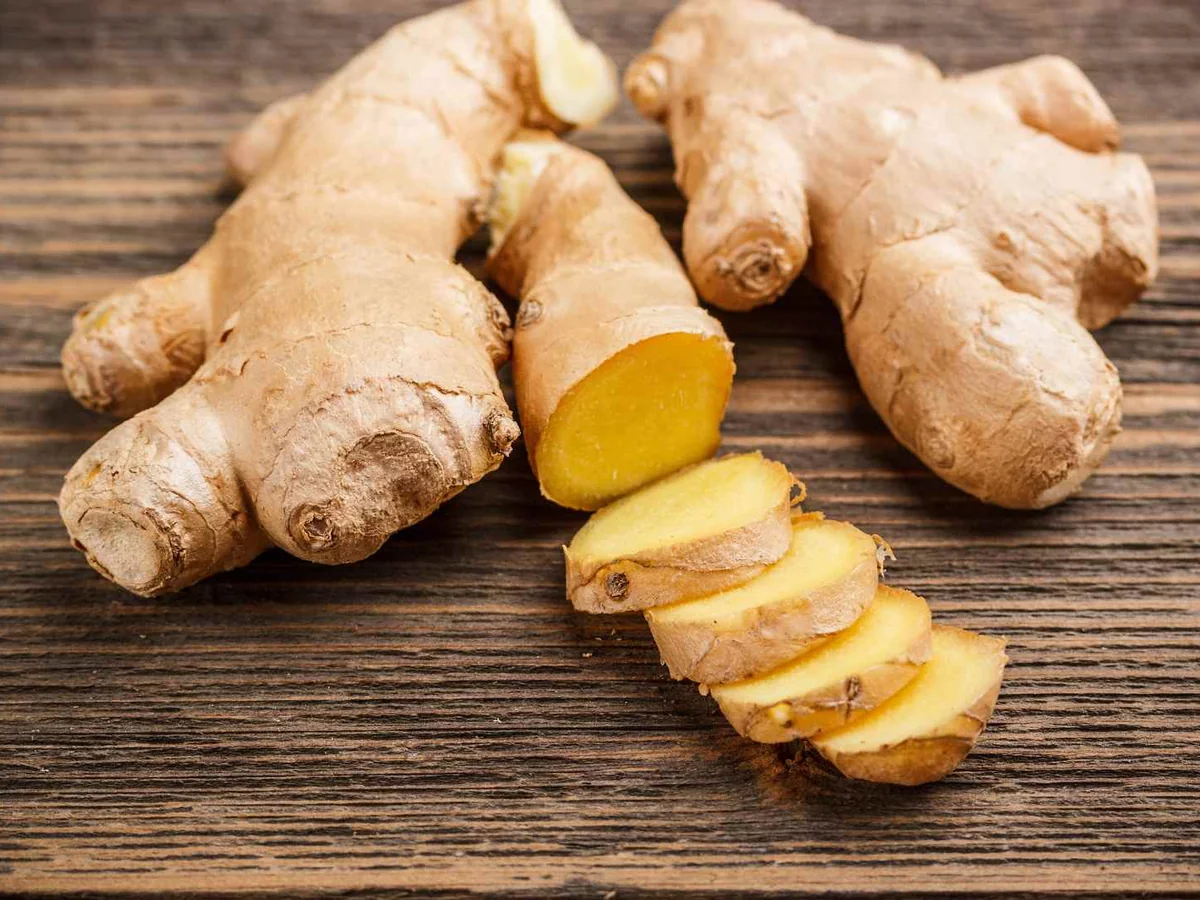
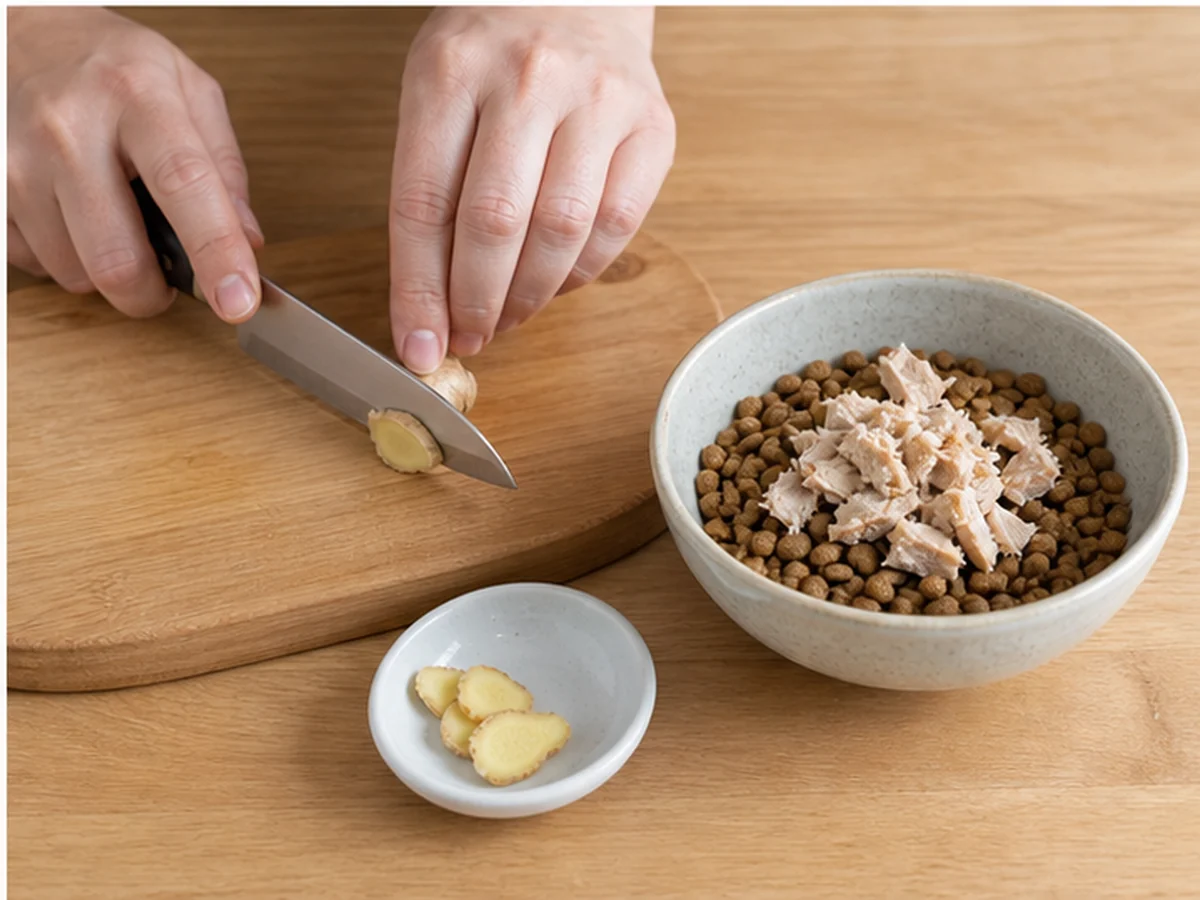
Raw ginger root is firm, stringy, pungent, and capable of becoming an awkward chunk for a small mouth. Peel scraps and knobs can also carry soil, surface residues, mold, or produce stickers.
A superficial lick is different from swallowing a coin-shaped slice. Gagging, repeated swallowing, drooling, mouth pawing, painful swallowing, repeated vomiting, or food refusal warrants veterinary advice.
Ground ginger can reach places the root cannot
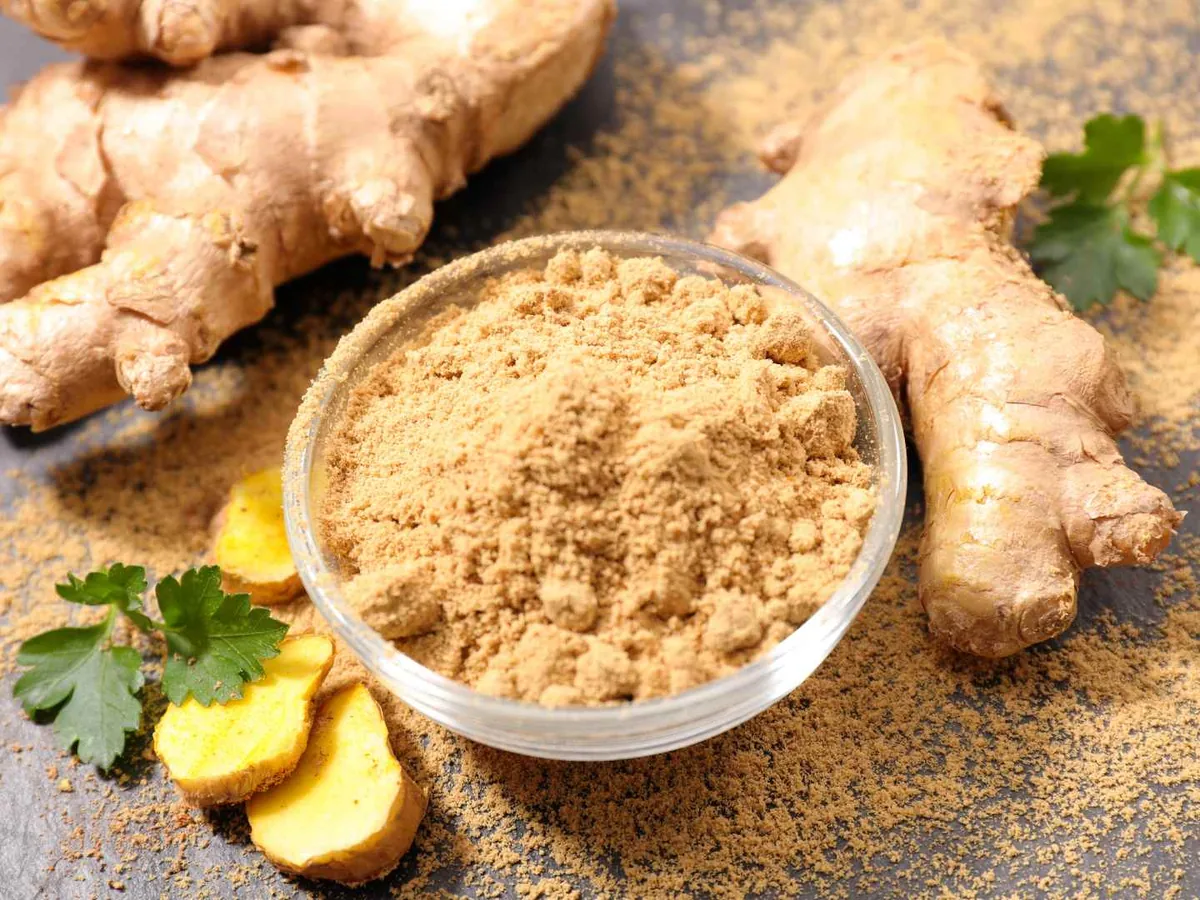
Fine powder can irritate eyes, noses, and airways after a jar drops or a mixer throws spice into the air. It also coats paws for later grooming and can be combined with cinnamon, nutmeg, clove, cocoa, or sweeteners.
Move the cat to clean air and avoid dry sweeping while the animal remains nearby. Open-mouth breathing, wheezing, blue-gray gums, collapse, or severe eye pain requires emergency assessment.
Pickled sushi ginger is mostly a condiment question
Pickled slices commonly include vinegar, sugar, salt, and coloring, and they may share a tray with soy sauce, wasabi, raw fish, plastic grass, chopstick splinters, and condiment packets. The complete sushi spread matters more than the pink curl alone.
One quick lick is unlikely to deliver a therapeutic or toxic ginger dose, but there is no reason to offer more. Call if a packet, skewer, plastic separator, large salty portion, or unknown sauce disappeared.
Candied ginger is a sticky sweet, not a spice serving
Crystallized ginger is cooked or dried with substantial sugar and may arrive as chewy cubes, chocolate-coated pieces, or baking chips. Its tacky texture can cling to teeth, wrappers, and fur.
Cats with diabetes, obesity, dental disease, or a calorie-controlled plan should avoid it entirely. A sugar-free candy requires an exact sweetener label, because feline evidence cannot be assumed from well-known dog warnings.
Tea can contain much more than ginger
Herbal infusions may blend ginger with lemon, licorice, peppermint, turmeric, chamomile, or proprietary extracts, while chai usually includes true tea and therefore caffeine. Wellness shots can add concentrated juice, pepper, sweeteners, vitamins, or alcohol-containing tinctures.
Hot liquid can burn the mouth and skin before any botanical effect develops. For ordinary tea questions, the site’s cat tea guide separates caffeine, temperature, dairy, sweetener, bags, and strings.
Essential oil is not extra-strong cooking ginger
Essential oils are concentrated mixtures that can be swallowed, inhaled, or absorbed after coat and skin contamination. Cats have species-specific metabolic limits for various compounds, and product composition differs among oils and diffusers.
The Merck Veterinary Manual advises that concentrated essential oils can poison pets. Call promptly after direct contact and do not apply another oil, solvent, or fragranced shampoo to “neutralize” it.
Supplements need a prescribing reason and a full label
Capsules, chews, tinctures, gummies, powders, and combination products may contain high ginger concentrations plus turmeric, black pepper extract, vitamins, minerals, sweeteners, alcohol, or flavoring. Human serving directions are not scaled veterinary prescriptions.
Do not give ginger for nausea, arthritis, motion sickness, appetite, or hairballs unless the veterinarian overseeing the cat recommends the exact veterinary plan. Natural origin does not settle efficacy, dose, interaction, or quality.
Medication interactions are a clinician question
A supplement could complicate treatment through gastrointestinal effects or interactions, and the relevance depends on product, dose, disease, and medication. Cats receiving anticoagulants, diabetes treatment, blood-pressure drugs, surgery plans, or multiple medicines need professional review.
Do not stop a prescribed drug because a website mentions a theoretical interaction. Bring every bottle, gummy, tea, and powder to the clinic so the team can reconcile actual ingredients.
Ginger-seasoned dinner may hide the real hazard
Stir-fries, curries, marinades, cookies, soups, and sauces can include onion, garlic, chives, alcohol, chili, salt, butter, coconut milk, or rich meat fat. A food can smell strongly of ginger while its Allium powder creates the more urgent feline problem.
Use our garlic guide and onion guide to identify unsafe seasonings. Photograph the complete recipe instead of picking out visible vegetable pieces.
Gingerbread is a separate dessert investigation
Cookies and houses can contain molasses, sugar, butter, nutmeg, clove, cinnamon, chocolate, icing, candy, sugar substitutes, and raw dough. Decorations add ribbon, cellophane, toothpicks, glue, paint, and small hard candies.
Do not use a plain-spice answer for a gingerbread raid. Preserve the recipe and account for construction materials, especially when an enthusiastic cat has remodeled the roof.
Plants called ginger are not always culinary ginger
Common names can refer to different botanical species, and a decorative plant may have pesticide, fertilizer, soil, pot shards, or toxic neighbors. Do not identify a chewed houseplant by scent or leaf shape alone.
The ASPCA lists butterfly ginger as non-toxic to cats, but that entry applies to the named species and notes no culinary benefit. Keep the plant tag and photograph the entire plant for poison identification.
Cats who should not be experimental spice tasters
Kittens and seniors have little to gain from ginger, while cats with gastrointestinal disease, kidney or liver disease, diabetes, bleeding disorders, poor appetite, or a prescription diet need individualized answers. A current illness also makes vomiting harder to interpret.
Complete cat food should remain the reliable base. The FDA nutritional adequacy resource explains why a balanced diet is different from assembling fashionable human ingredients.
A ginger exposure plan with no guesswork
- Separate the cat from the root, powder, dish, tea, oil, plant, supplement, and package.
- Check breathing, swallowing, eyes, coat, alertness, vomiting, and coordination.
- Save the full label and identify hot liquid, caffeine, Alliums, alcohol, sweeteners, oils, and objects.
- Call urgently for essential oil, significant supplement exposure, unsafe co-ingredients, symptoms, or missing packaging.
- Do not induce vomiting, force fluids, or administer a human anti-nausea dose.
After one tiny culinary trace with no unsafe additions and no signs, remove access and observe normal eating, activity, and litter-box habits. Contact the regular clinic if digestive upset persists or appetite changes.
Breathing difficulty, collapse, seizures, severe weakness, repeated vomiting, or inability to swallow is an emergency. Take the labeled product along in a sealed container.
Storage separates a root from a household hazard
Keep fresh ginger in a location where the cat cannot chew produce bags, rubber bands, stickers, or moldy scraps. Refrigerated pastes and minced jars may contain oil, salt, sugar, acid, preservatives, or other seasonings, so retain their original labels.
Discard shriveled, slimy, leaking, fermented, or moldy ginger rather than trimming it for pet use. Secure compost and rubbish because a fragrant root can lead a cat directly to coffee grounds, onion skins, string, and flexible plastic.
A spice cabinet also needs stable shelving and closed lids. One falling glass jar turns a mild culinary question into broken glass, powder inhalation, cut paws, and a cleanup that nobody had on the evening schedule.
Appetite loss deserves a diagnosis, not stronger flavoring
A cat refusing its normal diet may sniff pungent ginger foods out of novelty without eating enough complete nutrition. That brief interest should not be mistaken for recovery or used to justify repeated seasoning.
Contact the clinic promptly when a cat eats markedly less, and sooner for vomiting, pain, weakness, or other illness. Feline fasting can have serious consequences, while ginger cannot identify dental disease, nausea, obstruction, kidney problems, or pancreatitis.
Track measured food offered and remaining, water intake, medications, vomiting, stool, and urine. Concrete notes help the veterinarian much more than the general impression that the cat was “being picky again.”
Do not let a diffuser, simmer pot, or scented candle substitute for product identification. Fragrance blends can include numerous oils, and a cat exposed to spilled liquid needs advice based on the bottle rather than the room’s dominant ginger note.
A few ginger questions, peeled plainly
Can I give ginger to a nauseated cat?
Do not treat feline nausea with ginger unless a veterinarian recommends a specific product and plan. Nausea can signal obstruction, toxin exposure, kidney disease, pancreatitis, or another condition that needs diagnosis.
Is ginger tea safe for cats?
It is unnecessary and may be hot or contain caffeine, citrus, sweeteners, herbs, or concentrated extracts. Offer normal water and ask the clinic about hydration or nausea concerns.
What if my cat licked fresh ginger?
Remove the root, check the mouth and package, and monitor after one tiny lick if the cat is comfortable. Call for a swallowed chunk, persistent drooling, vomiting, painful swallowing, breathing changes, or a medically vulnerable cat.
Keep the root in its lane
A trace of culinary ginger is usually less concerning than the product wrapped around it, but that is not an invitation to medicate a cat with spice. Separate fresh root from tea, candy, oil, supplements, plants, and seasoned dishes, then let a veterinarian handle nausea, dosing, and interactions.