Can Dogs Eat Poppy Seeds? Culinary Seeds, Pods, and Exposure Risk
Do not intentionally feed poppy seeds, poppy pods, poppy straw, or unwashed poppy products to a dog. A few food-grade seeds stuck to one bite of bread are not equivalent to consuming a pod or concentrated liquid, but product type, amount, dog size, and symptoms should guide the response.
The dose and the poppy product both matter
Poppy discussions often collapse a bakery sprinkle, a bag of seeds, a garden plant, and a concentrated preparation into one frightening sentence. Those exposures are not interchangeable.
A healthy medium-size dog licking a few culinary seeds from the floor is unlikely to experience the same risk as a small dog eating a seed-filled pastry, unwashed seeds, dried pods, plant material, or liquid made from them. Avoid deliberate feeding while keeping accidental triage proportional.
The Pet Poison Helpline poppy entry notes that alkaloids vary among poppy species and advises immediate veterinary help after a potentially toxic exposure. Correct plant identification and product history are therefore valuable.
What culinary seeds do and do not contain
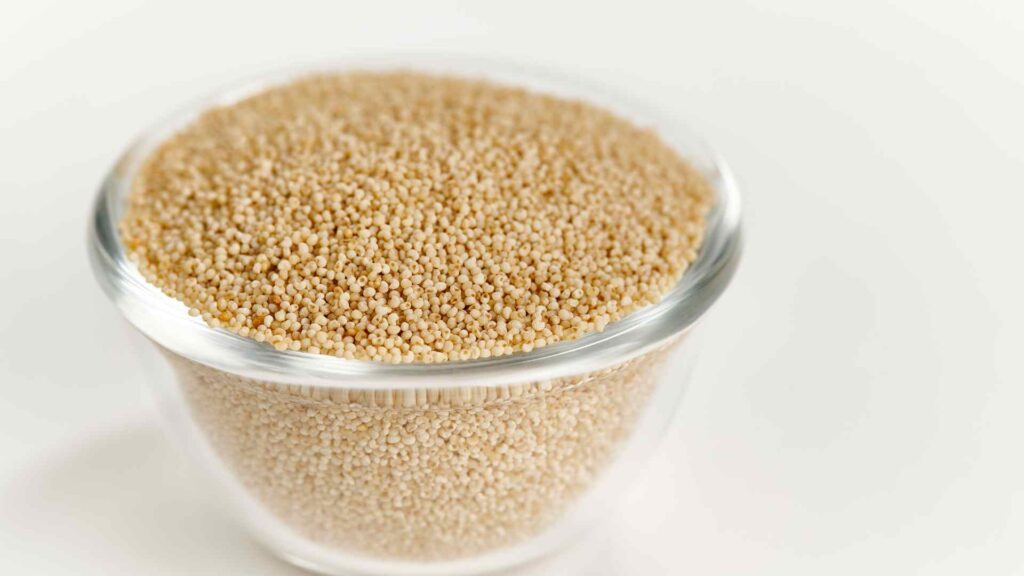
Opium poppy seeds do not manufacture the narcotic alkaloids found in the plant’s latex and other tissues. They can become contaminated on their surfaces during plant damage and harvesting, so alkaloid levels in food seeds vary.
The European Food Safety Authority’s scientific opinion explains this distinction and evaluates morphine, codeine, thebaine, and related alkaloids in poppy seed samples. It also reports that processing can reduce alkaloid content, although variation remains.
That evidence supports two ideas at once: culinary seeds should not be treated like purified opioid, and they are not a useful dog ingredient with a guaranteed alkaloid concentration. “A few seeds” and “a bag of unknown seeds” deserve different answers.
Food-grade, unwashed, and unknown seeds
Food-grade seeds in a finished bakery product: A few surface seeds represent a small exposure, but the rest of the food may matter more. Check chocolate, raisins, xylitol, macadamia nuts, alcohol, caffeine, and packaging.
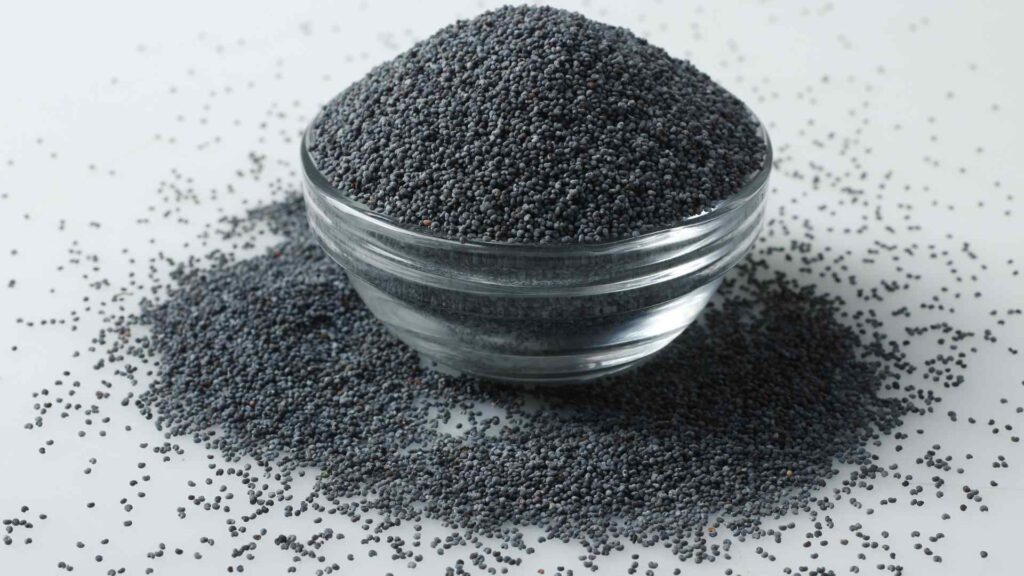
A container of retail culinary seeds: The amount can be much larger and alkaloid content is not visible. Call with the brand, lot, amount missing, time, dog weight, and symptoms rather than attempting a home dose calculation.
Seeds marketed as unwashed or untreated: Treat these as a more concerning exposure because surface residues may be higher and more variable. Do not taste, rinse, brew, or otherwise manipulate the product to estimate strength.
Loose or unknown seeds: Identification uncertainty is part of the risk. Photograph the material, secure a sample without handling plant sap, and call a veterinarian or poison service.
Pods, straw, stems, leaves, and garden plants
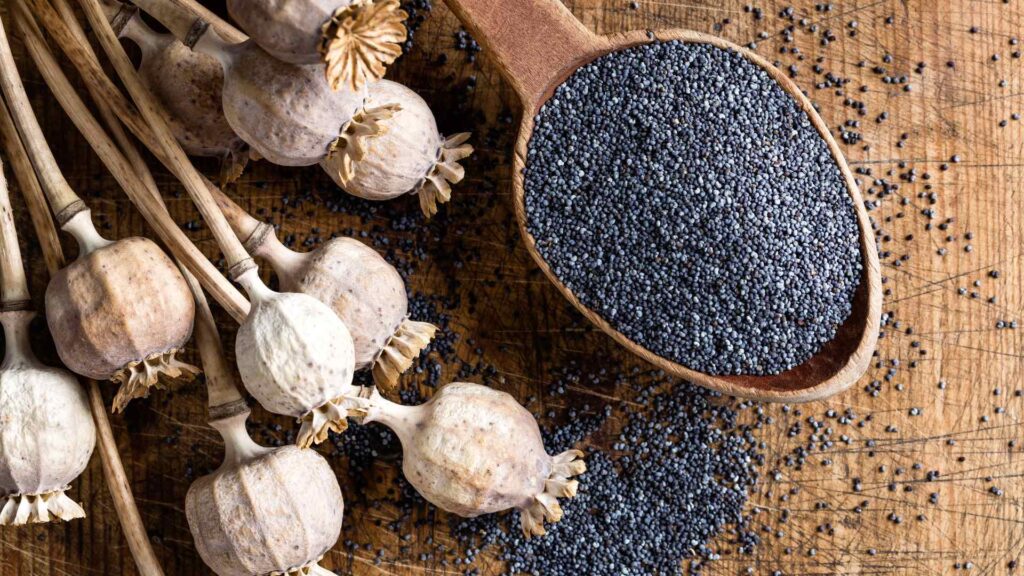
Poppy pods and straw include alkaloid-containing plant tissues and are not culinary seeds. They should be kept away from dogs whether fresh, dried, decorative, composted, or included in a craft arrangement.
Do not let a dog chew garden poppies while you try to identify the species from memory. Many plants share the common name “poppy,” their chemistry differs, and pesticides or fertilizers can add separate hazards.
After plant ingestion, bring clear photographs of flowers, leaves, pods, and labels, plus a securely bagged sample if the clinic requests one. Never delay a symptomatic dog’s care while waiting for a plant-identification forum.
Poppy seed tea and concentrated liquids
Liquid made by soaking or washing unprocessed seeds or plant material can transfer surface alkaloids into an easy-to-consume form. It is not comparable to one dry seed on a bagel and should be treated as a serious potential exposure.
Do not offer the liquid, attempt to determine its potency, or make another batch to compare it. Secure the material and container, prevent human or animal access, and contact emergency veterinary or poison-control professionals.
Be candid about what the product is and how it was prepared, because accurate history helps treatment. Veterinary teams need exposure facts, not judgment, and withholding details can waste crucial time.
What opioid-like toxicity can look like in dogs
The Merck Veterinary Manual’s opioid toxicosis overview notes that dogs may show early excitation followed by drowsiness or central nervous system depression. Other possible signs include incoordination, vomiting, seizures, small pupils, coma, slowed breathing, and low blood pressure.
Not every exposed dog develops every sign, and ordinary sleep after stealing bread is not proof of opioid poisoning. What matters is unusual sedation, difficulty waking, wobbliness, agitation, abnormal pupils, slow or labored breathing, weakness, or collapse in the context of a plausible exposure.
Breathing changes, profound sedation, seizures, collapse, or inability to stand is an emergency. Keep the dog quiet and away from stairs while arranging immediate transport, but do not force food or water into a poorly responsive animal.
Poppy seed oil is a separate product
Food-grade poppy seed oil is pressed from seeds and is not the same as plant latex, pod material, or an unwashed-seed liquid. Refining and manufacturing vary, so an oil label cannot be used to infer the chemistry of another poppy product.
A lick of ordinary culinary oil is more likely to cause greasy stomach upset than classic opioid signs, but there is no reason to feed it. A larger amount can bring vomiting, diarrhea, excess calories, and concern for dogs that require low-fat diets.
Topical or cosmetic oils may contain fragrance, essential oils, or other additives and should not be evaluated as food. Save the exact bottle and call after substantial ingestion or any symptom.
Bagels, muffins, cake, and salad dressing
A bite of plain poppy-seed bread: Count the number of seeds realistically and inspect the recipe. One bite with a light sprinkle is generally a monitor-and-check-label situation for a comfortable dog.
Lemon-poppy muffin or cake: Sugar, butter, oil, frosting, xylitol, and portion size may matter more than a sparse seed topping. Citrus flavor does not make the baked item healthy or toxic by itself.
Everything seasoning: This can add garlic, onion, and salt beside poppy and sesame seeds. Use the focused garlic guide if the ingredient appears.
Salad dressing: Oil, onion, garlic, salt, sweetener, mustard, and other ingredients complicate the exposure. A bottle raid needs a complete label review.
Granola and breakfast bars: Check oats, raisins, chocolate, nuts, xylitol, and wrappers separately. The poppy seed may be only one line in a much longer risk inventory.
The dangerous habit of declaring every seed toxic
Saying one culinary seed equals opioid poisoning creates panic and can distract from a swallowed wrapper or xylitol-containing pastry. Saying all poppy products are harmless misses the variability of residues and the much greater concern from pods, straw, and concentrated liquids.
Good triage begins with the product, not the word “poppy.” Record whether the exposure involved a sprinkle, bulk seeds, an unwashed label, plant material, oil, liquid, or a mixed baked item.
What to do after accidental ingestion
For a few food-grade seeds on one small bite of otherwise safe food, remove the rest and monitor closely. Call if the dog is tiny, medically fragile, showing abnormal behavior, or the actual amount is uncertain.
For a container of seeds, any unwashed product, pods, straw, garden material, or concentrated liquid, call a veterinarian or animal poison service promptly. Provide the dog weight, time, amount, product source, label, plant photographs, and current signs.
Do not induce vomiting or give peroxide, salt, oil, milk, charcoal, stimulants, or human opioid-reversal medication unless a veterinarian directs it. A sedated animal can aspirate, and professional treatment depends on airway status and observed signs.
For baked goods, check raisins and grapes, chocolate, xylitol, macadamia nuts, caffeine, alcohol, and swallowed packaging. The FDA xylitol warning says to seek immediate help after a xylitol exposure.
Who needs a lower threshold for calling?
Puppies, toy breeds, seniors, pregnant dogs, and dogs with liver, kidney, respiratory, neurologic, or serious digestive disease have less margin for uncertainty. Call early rather than trying to adapt a human dose or food regulation.
A dog taking sedatives, pain medication, seizure medication, or other central nervous system drugs also needs careful assessment. Do not stop prescribed medicine without direction, but tell the clinician exactly what the dog receives.
Preventing the confusing exposures
Store baking seeds in their original labeled container, not an unmarked jar, and keep dried arrangements or garden trimmings inaccessible. A clear label gives a poison specialist far more useful information than a photograph of mystery black specks.
Discard unknown, old, or unwashed poppy products where pets and wildlife cannot reach them. Secure bakery bags too, because a dog may swallow plastic while pursuing crumbs.
Safer choices need no poppy detective work
Dogs gain no necessary nutrient or medicinal benefit from poppy seeds. Use the regular diet, a compatible commercial treat, or a tiny veterinary-approved food instead.
Even familiar alternatives need labels: peanut butter can contain xylitol, and walnuts have mold, fat, and species-specific concerns. “Seed” and “nut” are not safety categories.
The bottom line
Do not deliberately feed poppy seeds or other poppy products to a dog. A few culinary seeds on one bite are not automatically an opioid emergency, but a large, unknown, unwashed, plant, pod, straw, or concentrated-liquid exposure deserves prompt professional triage.
Symptoms outrank internet absolutes. Unusual excitement or sedation, wobbliness, abnormal pupils, vomiting, seizures, weakness, or breathing changes after a plausible exposure should move the dog from kitchen observation to veterinary care.