Can Cats Eat Goat Cheese? Lactose, Fat, Salt, and Flavors
A healthy adult cat who steals one tiny crumb of plain, pasteurized goat cheese will usually be fine, although stomach upset is possible. Larger portions, salty or flavored logs, raw-milk cheese, spoiled cheese, packaging, and a cat’s medical diet deserve a more careful answer.
The quick triage: cheese, coating, or package?
Put the cheese away and find the label. Record the approximate amount, time, pasteurization statement, flavorings, sodium, and whether any rind, foil, plastic wrap, netting, toothpick, or desiccant packet is missing.
A plain crumb generally calls for observation, not panic. Call promptly if the cheese contained onion or garlic, came from an uncertain raw-milk source, was moldy or spoiled, or vanished with part of its packaging.
Repeated vomiting, pronounced diarrhea, a painful belly, weakness, pale gums, breathing difficulty, choking, tremors, collapse, or inability to keep water down needs veterinary attention. Do not induce vomiting or give milk to settle a dairy exposure.
Goat cheese is a family of products
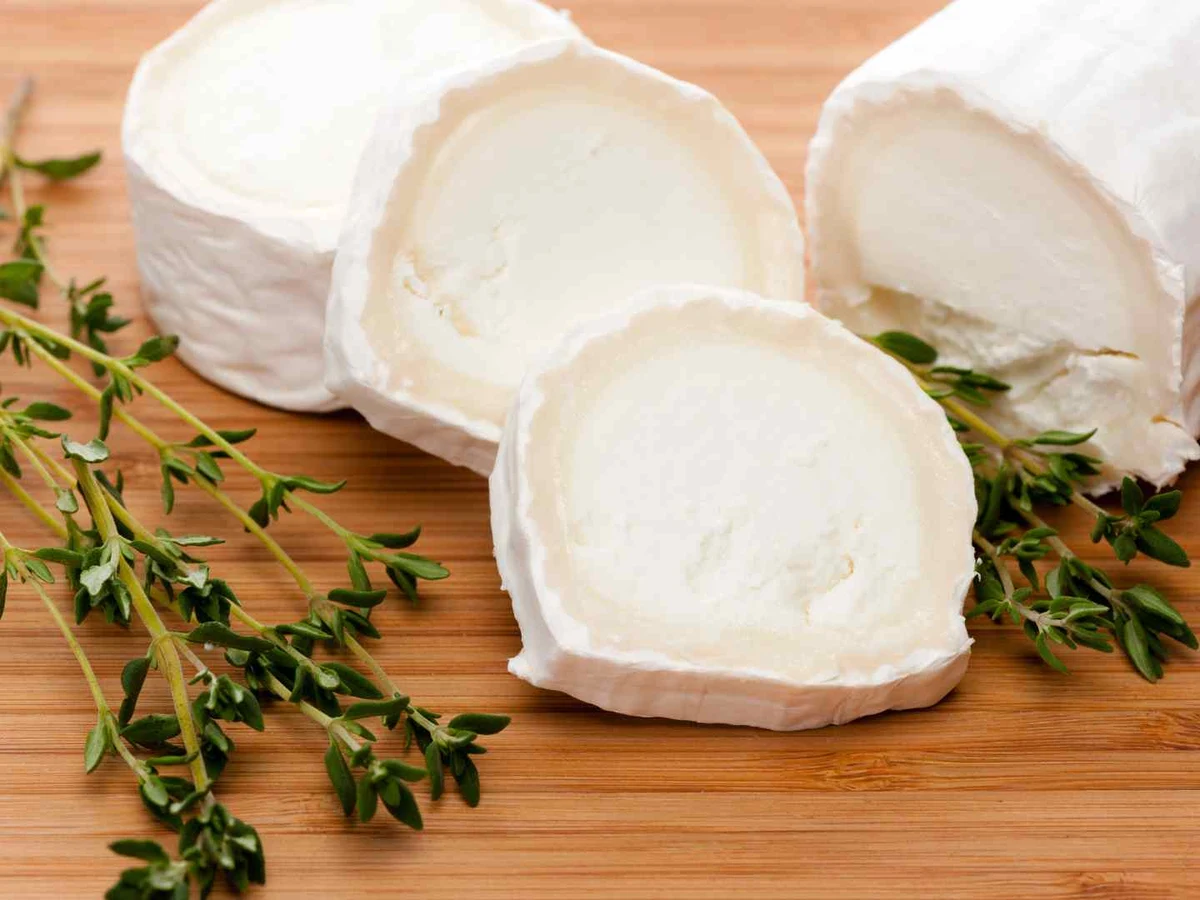
Fresh chèvre is soft and moist, aged goat cheese is firmer and often saltier, and mixed-milk cheeses may contain goat plus cow or sheep milk. Logs can be rolled in herbs, pepper, ash, fruit, nuts, honey, or seasoning blends.
Those differences change lactose, moisture, fat, sodium, texture, and food-safety considerations. They also make the front label less useful than the ingredient panel, nutrition facts, storage directions, and pasteurization wording.
The live goat cheese product guide can help identify forms and add-ins, but canine portions and disease claims do not set feline advice. Cats get their own nutritional and clinical assessment here.
Many adult cats do not handle dairy gracefully
Goat cheese still comes from milk and can retain lactose, even though fermentation and aging may reduce it. A product being easier for one human to digest does not prove it will agree with a particular cat.
The Cornell Feline Health Center says milk is generally not recommended as a cat treat because many cats are lactose-intolerant and may develop gastrointestinal trouble. Soft stool, gas, abdominal discomfort, or vomiting can follow dairy.
Fresh goat cheese usually contains more moisture and residual lactose than a hard, long-aged cheese, but recipes and processes vary. The only reliable conclusion from a label is what that label actually states.
Lactose intolerance is not milk-protein allergy
Lactose intolerance is a digestive problem involving milk sugar, while a food allergy is an immune response to proteins. The two can overlap in their digestive signs, but they are not interchangeable diagnoses.
Goat milk contains its own milk proteins and is not automatically hypoallergenic. A cat reacting to a cow-milk product should not be challenged with goat cheese as a home experiment, especially after facial swelling, hives, breathing trouble, or a severe reaction.
Veterinarians investigate suspected food allergy through history and a controlled elimination-and-challenge plan, not a casual cheese tasting. If the cat is already on a dietary trial, one flavored crumb can muddy weeks of useful information.
Fat turns a nibble into a calorie bargain nobody requested
Goat cheese is energy-dense, so a portion that looks dainty beside a human cracker can be substantial for a ten-pound cat. Regular extras can displace complete food and work against weight, diabetes, or digestive plans.
A fatty food can also trigger vomiting or diarrhea in some cats, and cats with prior pancreatitis or chronic gastrointestinal disease deserve individualized advice. Do not diagnose pancreatitis from one symptom, but do not ignore persistent appetite loss or abdominal pain either.
If the stolen bite included butter, cream cheese, or pastry, use the cat butter guide to separate rich-food concerns from actual toxins. The entire plate matters more than the goat pictured on the package.
Sodium varies more than the word chèvre suggests
Fresh plain logs, feta-style goat cheese, brined cubes, aged wheels, and processed spreads can have very different sodium concentrations. Compare serving size and sodium on the Nutrition Facts panel instead of guessing from how salty one bite tastes.
The FDA label guide explains how serving size and nutrient amounts relate. A human serving may be several cat-sized portions, so calculate what disappeared rather than quoting the number without context.
One salty crumb is unlikely to cause salt poisoning, but a cat that eats a large brined portion, drinks brine, or has kidney or heart disease needs prompt advice. Vomiting, extreme thirst, weakness, disorientation, tremors, seizures, or collapse are urgent signs.
Pasteurized and raw-milk cheese are not equivalent
Raw goat milk can harbor pathogens, and cheese made from it is not made risk-free by rustic packaging or a farm-shop story. Check for the word pasteurized, because the animal species does not remove microbial risk.
The FDA warns that unpasteurized milk from goats and other animals may carry harmful germs, including Salmonella, E. coli, Listeria, and Campylobacter. Pasteurization reduces those risks but does not justify leaving cheese warm for hours.
Call after a meaningful raw-milk cheese exposure, particularly for a kitten, senior, pregnant cat, or cat with immune suppression or chronic illness. Report vomiting, diarrhea, feverish behavior, lethargy, appetite loss, or neurologic changes.
Mold-ripened does not mean spoiled
Some cheeses are intentionally made with specific cultures, edible rinds, ash, or surface molds under controlled conditions. Unplanned fuzzy growth, an ammonia-like odor, slime, leaking liquid, or storage far beyond directions is a different situation.
Do not trim an accidental mold patch and feed the remaining cheese to a cat. Spoilage can extend beyond the visible spot in a soft food, and some moldy foods can cause vomiting, tremors, poor coordination, or seizures in animals.
If the cat ate a commercial mold-ripened cheese, give the clinic its exact name rather than reporting “mold.” The intended style, amount, freshness, and any new spoilage determine whether that word is reassuring or concerning.
Garlic and onion are the flavoring red flags
Herbed goat cheese may contain garlic, onion, shallot, chives, or concentrated powders. Cats are particularly susceptible to allium-related red blood cell damage, and dried powders can be more concentrated than a visible sliver.
The ASPCA’s people-food guidance connects alliums with gastrointestinal irritation and red blood cell injury and specifically notes feline sensitivity. Call with the ingredient list rather than waiting for pale gums, weakness, fast breathing, or dark urine.
Black pepper, chili, and strong herb coatings may irritate the mouth or stomach without creating the same blood-cell mechanism. Drooling, coughing, repeated vomiting, or eye exposure still deserves practical veterinary guidance.
Fruit, nuts, honey, and salad extras
Cranberry, fig, apricot, blueberry, or honey-coated logs add sugar and sticky texture, while nut crusts add hard pieces and more fat. Products with raisins or currants require a prompt call because feline data is limited and safety is not established.
A salad may add onion, garlic dressing, avocado, cured meat, grapes, skewers, or plastic film. Inventory the full dish before deciding that the soft white cheese was the only thing stolen.
Plain cheese and grapes are not one risk category, as the cat grape guide explains. Keep canine kidney-injury evidence labeled as canine rather than presenting an unproven feline dose.
Cheesecake, pizza, and dips need their own ingredient audit
Goat-cheese cheesecake can include chocolate, coffee, alcohol, raw batter, nuts, or sugar substitutes. Dips may contain garlic, onion, spinach, artichoke, hot sauce, mayonnaise, and enough salt or fat to overshadow the cheese itself.
Pizza adds dough, sauce, seasoning, cured meat, and sometimes charred crust or packaging. Our cat pizza guide is more relevant to a stolen slice than treating goat cheese as an isolated cube.
Photograph menus and labels while they are available. A restaurant may provide an allergen or ingredient sheet, but recipes can change and the kitchen should not be asked to guarantee a feline-safe portion.
Wrappers can be more dangerous than crumbs
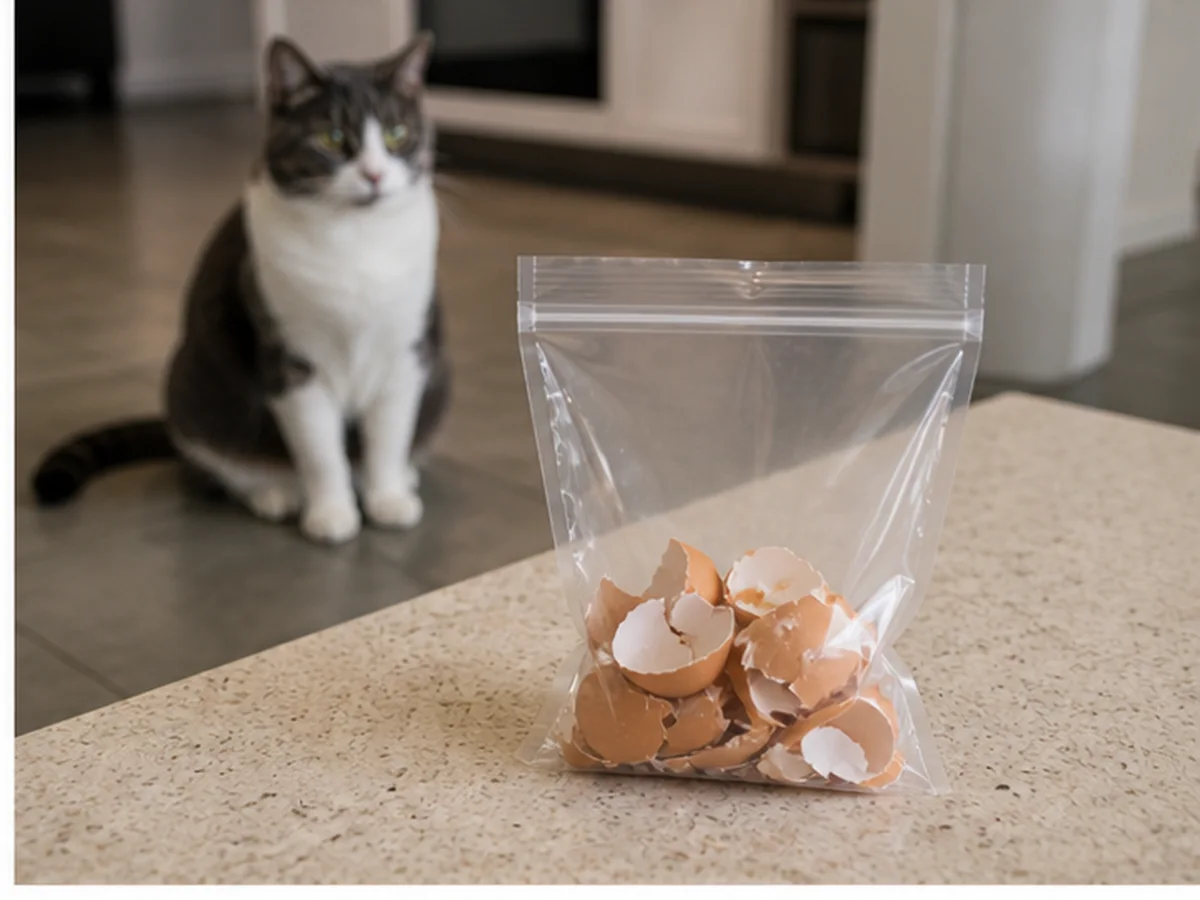
Soft cheese clings to plastic film, foil, parchment, netting, wax, and cardboard, making packaging unusually tempting. Swallowed material can choke or obstruct even when the remaining cheese amount is nutritionally trivial.
The Merck Veterinary Manual describes vomiting, appetite loss, lethargy, abdominal pain, diarrhea, and shock among possible obstruction findings. Never pull visible string or netting from a cat’s mouth or anus.
Which cats should skip the experiment?
Kittens, seniors, pregnant cats, and cats with immune compromise should not be offered raw-milk or questionable cheese. Cats with kidney, heart, urinary, pancreatic, diabetic, obesity, allergy, or gastrointestinal plans should follow the prescribed diet.
A medication hidden in goat cheese also changes drug absorption and calorie intake unpredictably unless the prescribing veterinarian approved it. Ask for a compatible pill vehicle rather than improvising with a flavored log.
Monitoring a known plain crumb
For one small piece of plain pasteurized cheese, return to normal measured meals and water, then watch appetite, energy, stool, and vomiting. Do not add more dairy to see whether the first bite was tolerated.
Call if digestive signs are repeated, severe, or accompanied by pain, weakness, dehydration, or refusal to eat. A cat that skips meals deserves faster attention than a cat that passes one soft stool and remains bright.
A better way to share snack time
Reserve part of the cat’s normal ration before preparing the cheese board and place it in a puzzle toy. The cat gets an event, while you keep the foil, toothpicks, grapes, cured meat, and chèvre on the human side of negotiations.
Rewrap leftovers immediately and store them in the refrigerator according to the label. Scrape coatings into secure trash and check beneath the table before a dropped garlic crumb becomes the encore.
FAQ
Is goat cheese better for cats than cow cheese?
Not in a way that makes it necessary or reliably digestible. Both are dairy foods that can contain lactose, milk proteins, fat, and sodium, with amounts varying by product.
Can cats eat plain chèvre?
One tiny crumb of fresh, plain, pasteurized chèvre is usually low risk for a healthy adult cat, although diarrhea or vomiting is possible. It should remain an accidental taste, not a regular treat.
Is raw goat cheese safe for cats?
Do not offer it because unpasteurized dairy can contain harmful microbes. Call after a meaningful exposure or if a vulnerable cat develops digestive, appetite, energy, fever, or neurologic changes.
What if the goat cheese had garlic?
Call with the package and amount because cats are unusually sensitive to alliums, including concentrated powder. Do not wait for weakness or pale gums, since blood-cell effects may not be immediate.
Bottom line
A plain pasteurized goat-cheese crumb is usually low risk, but it is rich, potentially lactose-containing, and nutritionally unnecessary. Check flavorings, salt, raw-milk status, spoilage, and packaging before deciding the cat merely sampled cheese.