Can Cats Eat Green Grapes? Feline Evidence and What to Do
Do not feed green grapes to cats, and call promptly after a meaningful exposure. Grape-associated acute kidney injury is well established in dogs, but feline reports are sparse and no dependable cat toxic dose exists, so the accurate response is product-and-quantity-based professional advice without pretending canine certainty transfers intact.
Green color does not create a separate species of grape
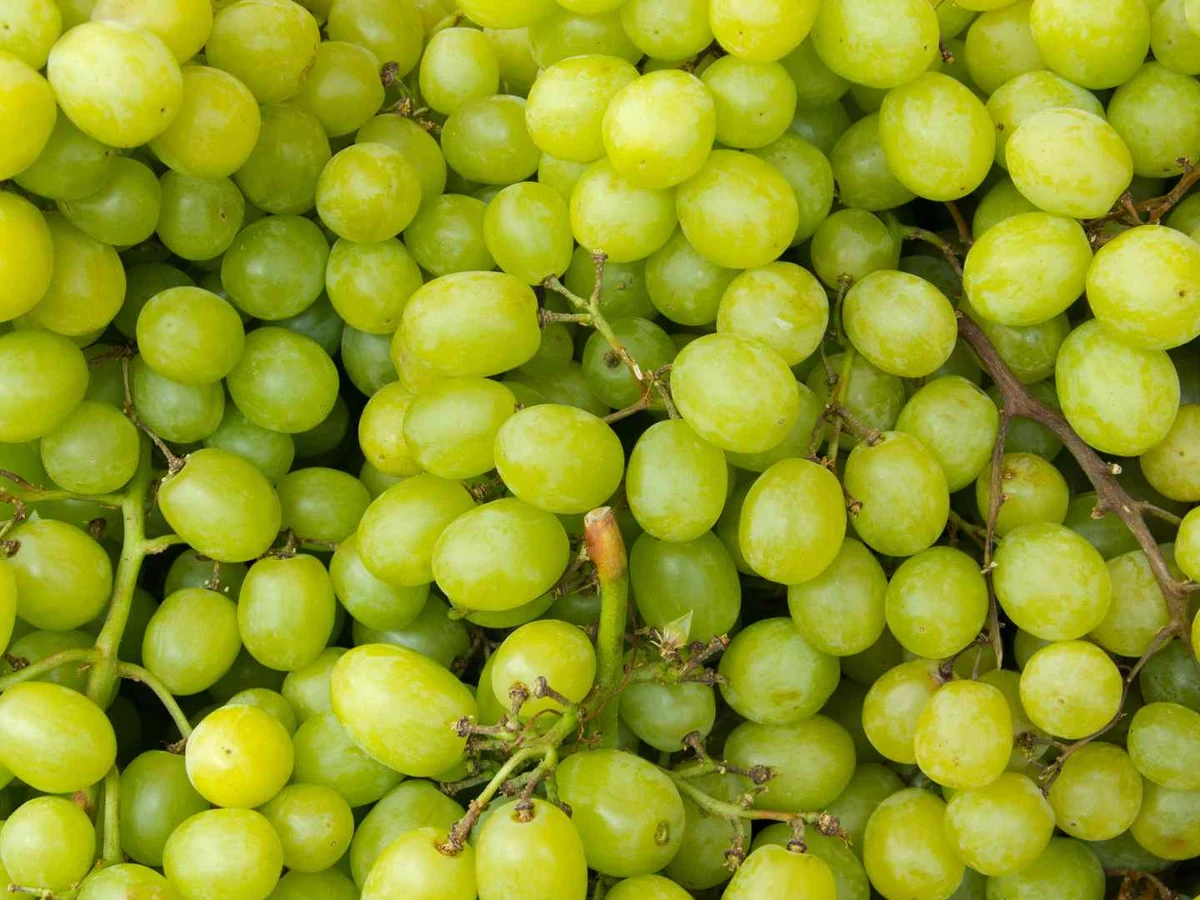
Green, red, black, seedless, seeded, table, wine, organic, and homegrown grapes belong to the Vitis food category despite differences in cultivar, size, sweetness, and use. No color has been proven to supply cats with a reliable safe threshold.
Seedless only means the fruit lacks mature hard seeds; it does not address the canine kidney-toxicity question. Washing removes dirt and some surface residue, not the unresolved issue inside the fruit.
One whole green grape also has a smooth round shape capable of choking a small animal. Chemistry and mechanics deserve separate attention during the call.
The evidence boundary in plain language
Veterinary evidence shows that grapes and raisins can cause acute kidney injury in dogs, with variable individual susceptibility. The mechanism has been linked to tartaric acid, yet canine data do not establish a feline dose-response curve.
The Merck Veterinary Manual describes the syndrome mainly in dogs and mentions a report involving a cat. That thin feline record supports caution but cannot justify claiming every green grape will injure every cat.
A missing safe cat dose is not the same as proof that any quantity is harmless. It means professional triage should use the actual fruit, amount, time, cat, health history, and signs instead of a copied dog calculator.
The existing comprehensive grape guide for cats covers other colors, raisins, currants, products, vines, and evidence in more detail. This page answers the common green-grape question without implying a color exception.
What to do during the first ten minutes
- Remove the bowl: keep all pets away and pick up rolled fruit beneath furniture.
- Count carefully: compare grapes, stems, packaging, and known spills with the original cluster.
- Record timing: note the earliest and latest possible access rather than choosing one comforting estimate.
- Call: contact a veterinarian or animal poison service for any meaningful or uncertain ingestion.
- Do not improvise: avoid peroxide, salt, oil, milk, charcoal, or forced water unless a professional directs treatment.
Have the cat’s weight, age, diseases, medicines, grape size, number missing, symptoms, and product source ready. A photograph of a matching grape beside a ruler can help when fruit size varies widely.
Do not wait for kidney signs to make the first call
Possible early signs described with grape exposures include vomiting, diarrhea, low appetite, abdominal discomfort, and lethargy. Changes in thirst and urination may become important as kidney function changes, but feline prediction is limited.
A cat can appear normal immediately after access, and symptoms are not a home test of a safe dose. The veterinarian may advise examination, laboratory testing, decontamination, fluids, or monitoring depending on the case.
Emergency care is warranted for choking, collapse, seizures, profound weakness, repeated retching, inability to urinate, or severe distress. Call ahead while arranging transport.
Choking may be more immediate than toxicology
A whole grape is slick, compressible, and close to the diameter of a cat’s airway. A cat batting fruit can suddenly bite and gulp when someone approaches to take it away.
Coughing, frantic mouth-pawing, silent open-mouth distress, abnormal gum color, or collapse indicates an airway emergency. Do not delay for an online dose calculation.
If the grape has already passed the throat, repeated swallowing, drooling, or regurgitation can indicate esophageal lodging. Do not blindly reach deep into a conscious cat’s mouth.
Seeds, stems, leaves, and vines
Grape stems and vine pieces are fibrous nonfood material and can be difficult to swallow or digest. Vineyard and garden plants may also carry pesticide, fertilizer, wire ties, netting, and trellis clips.
Save a plant sample and chemical label after outdoor access, but avoid contaminating your own skin. Prevent grooming when wet treatment is on the coat and call for washing instructions.
Do not pull string-like vine or netting from the mouth or rectum. It may be anchored internally and can damage the intestines when tugged.
Organic, washed, frozen, and peeled grapes
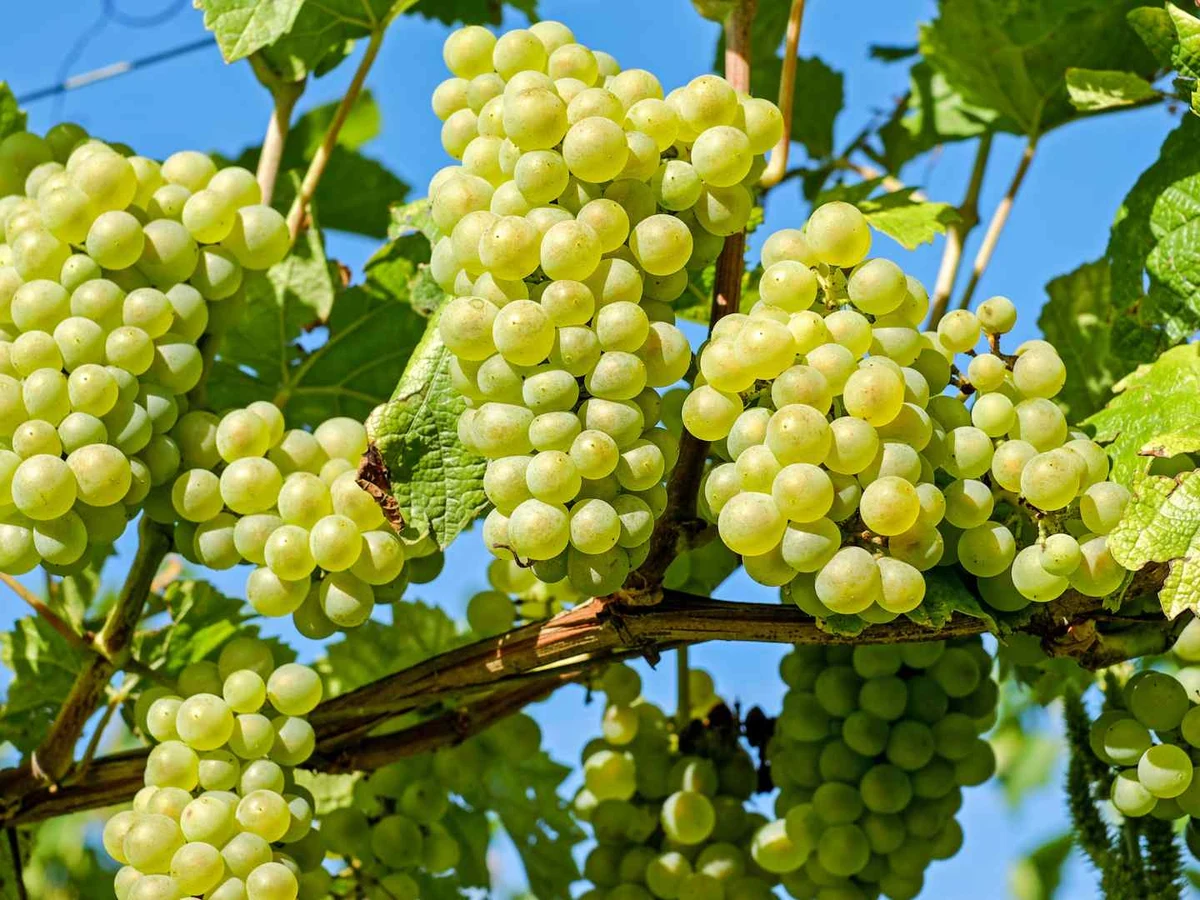
Organic certification addresses production practices rather than feline toxicology. Washing is appropriate food hygiene but does not neutralize whatever drives grape-associated kidney injury in susceptible dogs.
Frozen grapes are harder and may injure teeth or become an even more awkward choking object. Thawing changes texture without resolving feline evidence uncertainty.
Peeling removes skin but leaves the flesh and juice. No evidence supports peeled green grapes as a feline-safe workaround.
Green grape products
| Product | Extra questions | Response |
|---|---|---|
| White grape juice | Concentrate, blends, sugar, sweetener, cap | Call after meaningful true-grape exposure. |
| Grape jelly | Actual grape content, sugar, sugar-free formula | Save the jar and assess product quantity. |
| Fruit salad | Other grapes, raisins, pits, yogurt, alcohol | Reconstruct the full bowl. |
| Frozen fruit mix | Hard texture, cherries, packaging | Identify every fruit and object. |
| Wine or fermented juice | Alcohol plus grape product | Urgent veterinary advice. |
| Grape-flavored candy | May contain flavor rather than fruit, plus sweeteners | Read the current label rather than assuming. |
The cat fruit overview compares lower-risk flesh, pits, citrus oils, grapes, dried products, juices, and desserts. Green grape remains in the call-for-advice category because cat-specific certainty is absent.
Raisins are not just smaller grapes in dose calculations
Drying removes water and concentrates the fruit into a smaller chewy unit, making the amount easy to underestimate in cereal, bread, trail mix, and baked goods. Do not translate one fresh grape count directly into raisin advice.
Mixed dried fruit can include raisins even when cranberries or cherries dominate the front label. Check every ingredient and count wrappers, freshness packets, nuts, chocolate, and dough.
The cat bread guide is helpful when the exposure came from raisin toast, but the grape component still calls for feline-specific toxicology advice.
Wine, vinegar, and fermented fruit
Wine creates an alcohol exposure, which can cause vomiting, poor coordination, depression, breathing changes, low body temperature, coma, or worse. A cocktail glass also adds picks, glass, citrus peel, and sweeteners.
Grape vinegar is chemically different from fresh fruit after fermentation and processing, yet it is acidic and unnecessary. Salad dressings may contain garlic, onion, salt, oil, mustard, or alcohol.
Rotting grapes in compost can ferment and develop mold while mixing with coffee grounds, onions, bones, and string. Treat compost access as a multi-hazard event.
Food safety and storage still matter
The FDA recommends rinsing produce under running water and refrigerating cut fruit. Those steps reduce ordinary foodborne risk for the household without creating a cat serving.
Discard moldy, leaking, oddly fizzy, fermented-smelling, or damaged grapes in secured trash. Do not cut around decay and offer the remaining fruit to a pet.
Plastic produce bags can collapse around a cat’s face, and twist ties or clips can be swallowed. Transfer grapes to a rigid closed refrigerator container.
Cats with extra reason for prompt assessment
Kittens receive a larger dose per pound from one grape and have small airways. Cats with kidney disease, dehydration, diabetes, vomiting, or medications affecting the kidneys have less room for uncertainty.
A prescription or elimination diet should not include fruit experiments. An unapproved exposure can affect calories, glucose, gastrointestinal signs, or interpretation of a food trial.
Do not use grapes for hydration, constipation, antioxidants, vitamins, or urinary health. A complete feline diet and diagnosed medical plan are the safer route.
Prevention that works in a real kitchen
Store grapes in the refrigerator, clear fallen fruit after washing a bunch, and count stems before they enter trash. A green grape under a greenish chair is impressively easy to miss until a paw retrieves it.
At picnics, put discarded grapes and stems into a rigid covered container instead of a thin open bag. Outdoor tables also add skewers, toothpicks, wine, cheese wrappers, and insects that expand the exposure beyond fruit.
Wash reusable shopping bags after crushed produce leaks and inspect vehicle floors after transport. A forgotten grape can remain rollable, scented, and accessible long after groceries reach the kitchen.
If several pets had access, calculate the maximum each one could have eaten rather than dividing the missing count evenly. The tidiest mathematical split rarely matches what happened during an unsupervised snack raid.
Ask children and guests not to roll grapes as toys or share snacks. Give the cat a measured treat away from food preparation so supervision is not a contest between fruit and whiskers.
The Cornell Feline Health Center includes grapes and raisins among common cat hazards and advises prompt professional contact after suspected poisoning.
Frequently asked questions
Are green grapes more toxic than red grapes to cats?
No reliable feline evidence establishes a safe or uniquely dangerous color. Do not offer either, and call after meaningful exposure with the cultivar, amount, time, and cat details.
My cat bit a grape but spit it out. What now?
Find and inspect the fruit, estimate missing flesh or juice, and call when any amount may have been swallowed. A bite also creates choking and mouth-residue questions even when most fruit remains.
Can cats eat seedless green grapes?
Seedless does not resolve the Vitis uncertainty or round choking shape. Keep them away and use a feline treat instead.
How many green grapes are toxic to cats?
A dependable feline toxic dose has not been established. Do not substitute a dog threshold; obtain product-and-quantity-based advice for the individual cat.
Bottom line
Green grapes are not a special safe color and should stay out of feline reach. The dog kidney syndrome is clear, the cat dose is not, and that gap calls for honest uncertainty, prompt case-based advice, and a careful count rather than borrowed certainty.