Can Cats Eat Jell-O? Gelatin, Sweeteners, Mix-Ins, and Cups
Jell-O is not a useful cat treat, although one tiny lick of ordinary prepared gelatin dessert may cause no illness. Sugar-free formulas, alcohol, caffeine, chocolate, grape ingredients, fruit pieces, dairy layers, supplements, hot liquid, wobbly choking texture, molds, cups, foil lids, and plastic spoons can make the dessert far more complicated.
Jell-O is a brand family and a dessert category
Powdered mixes, ready-to-eat cups, sugar-free versions, puddings, layered desserts, homemade gelatin, gummies, shots, and unflavored gelatin are not one formula. Flavors, sweeteners, colors, acids, preservatives, and regional recipes can change.
Save the current box or cup and photograph ingredients, nutrition label, lot, date, preparation method, and amount missing. An old label screenshot cannot assess today’s limited-edition flavor.
| Form | What to check | Main concern |
|---|---|---|
| Regular prepared gelatin | Sugar, flavor, portion, texture | Unnecessary calories and digestive upset. |
| Sugar-free gelatin | Exact sweeteners and serving amount | Species-specific xylitol boundary and formula variation. |
| Jell-O shot | Alcohol, cup, lid, garnish | Urgent alcohol exposure plus packaging. |
| Layered dessert | Dairy, chocolate, coffee, fruit, cake | Whole recipe controls risk. |
| Dry powder | Airway and eye dust, concentrated ingredients | Prevent inhalation and grooming. |
| Hot unset liquid | Boiling water and steam | Thermal burn risk comes first. |
| Cup or mold | Foil, plastic, silicone, spoon | Choking and obstruction hazards. |
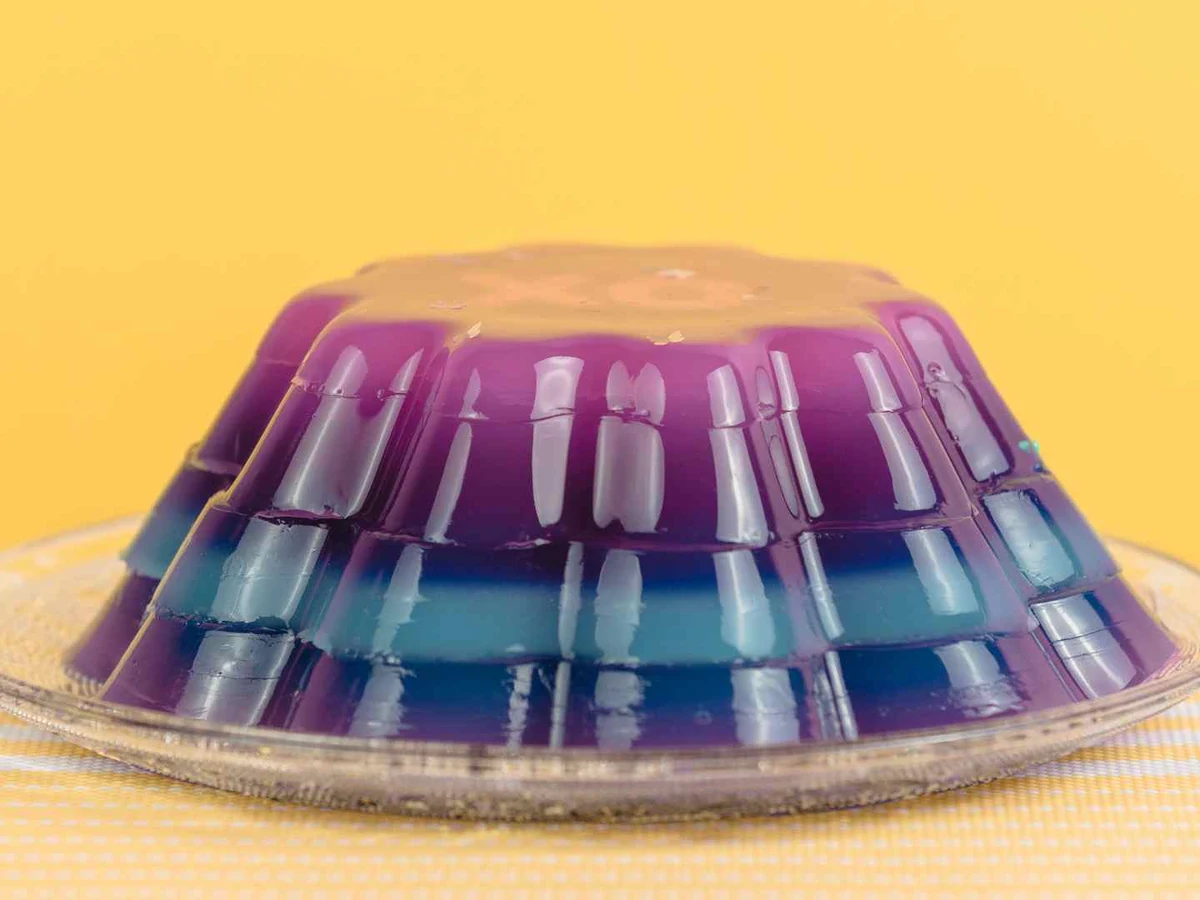
Gelatin does not make dessert a joint supplement
Gelatin is processed protein used to create a gel, but a flavored dessert does not provide complete feline nutrition. Protein on an ingredient list does not establish a therapeutic dose, amino-acid balance, or joint benefit.
No responsible guide should claim Jell-O hydrates cats, strengthens claws, repairs joints, improves skin, or replaces meals. Water, complete cat food, and veterinary treatment are the evidence-based defaults.
The FDA explains nutritional adequacy statements on pet foods. A gelatin cup carries no feline life-stage claim and should not displace even part of a kitten meal.
Regular sugar adds calories without creating a poison
One lick of conventional prepared gelatin is unlikely to cause sugar poisoning. The more accurate concerns are unnecessary calories, dental residue, digestive upset, and the larger amount a cat can lap from a soft cup.
A substantial serving may produce nausea, vomiting, loose stool, abdominal discomfort, or reduced appetite. Cats with diabetes or obesity have especially little reason to receive dessert.
Do not use gelatin dessert as emergency glucose treatment unless the veterinarian managing the diabetic cat has given that exact instruction. Flavor, dose, insulin timing, measured glucose, and aspiration risk matter.
Honey may appear in homemade gelatin, but “natural” does not mean useful for cats. The cat honey guide covers its sugar and product questions.
Sugar-free means read every sweetener
Sugar-free mixes may use aspartame, sucralose, acesulfame potassium, sugar alcohols, or blends, with formulas varying by product and country. The front panel cannot establish feline risk.
Xylitol can cause severe hypoglycemia and liver injury in dogs. The FDA’s xylitol warning is specifically about dogs, and comparable feline sensitivity is not established.
Do not transfer a canine dose threshold to a cat or assume unknown feline sensitivity guarantees safety. Call with the exact product, sweeteners, amount, time, cat weight, conditions, and signs.
Never preemptively give syrup or honey because dog guidance mentions glucose. Forced sticky liquid can enter the lungs and may complicate diabetes.
Jell-O shots are alcohol exposures
Vodka, rum, tequila, wine, or liqueur can remain in a gelatin shot because the dessert is not cooked long enough to guarantee removal. Bright color and small cup size can hide a meaningful alcohol concentration.
Alcohol can cause vomiting, disorientation, poor coordination, depression, low body temperature, breathing problems, coma, or death in pets. Call immediately after a known shot exposure rather than waiting for drunken behavior.
Shot cups add plastic rims, foil lids, toothpicks, straws, and fruit garnishes. Count all missing objects and bring the recipe or bottle.
Chocolate, coffee, and energy-dessert layers
Chocolate pudding gelatin, mocha layers, coffee jelly, and energy-drink gelatin can contain theobromine or caffeine. These stimulants may affect heart rhythm and the nervous system.
Vomiting, restlessness, rapid heart rate, tremors, seizures, or collapse after cocoa or caffeine needs urgent care. The feline chocolate guide helps gather cocoa type and amount.
Do not assume brown gelatin is chocolate or that clear coffee jelly is caffeine-free. The label and recipe settle ingredient identity.
Fruit mix-ins need their own names
Gelatin salads can contain grapes, raisins, cherries, pineapple, citrus, canned fruit, nuts, marshmallows, or sweetened cream. Each fruit part and product changes the assessment.
Grape and raisin kidney toxicity is established in dogs, while feline evidence is limited and no dependable cat toxic dose exists. Our cat grape guide explains why meaningful exposure deserves a call without borrowing canine certainty.
Fruit chunks can also choke, while pits, stems, peel, and skewers may obstruct. Count physical objects before attributing everything to gelatin.
Dairy, cream cheese, and whipped layers
Molded desserts may add whipped cream, condensed milk, cottage cheese, cream cheese, or yogurt. Many adult cats digest lactose poorly, and rich fat can cause vomiting or diarrhea.
The cat yogurt guide covers dairy tolerance, sugar, cultures, and flavored products. A gelatin layer does not cancel what the creamy layer contains.
Sugar-free whipped topping and pudding require their own sweetener labels. Do not extrapolate from the gelatin box to the full dessert.
Dry powder is not ready-to-eat gelatin
Mix powder is concentrated and can become airborne when a packet tears. Dust may irritate eyes, nose, throat, or lungs, particularly in a cat with asthma.
Move the cat to clean air, avoid sweeping a cloud, and prevent grooming from a heavily coated coat. Eye pain, persistent coughing, wheezing, repeated vomiting, or breathing effort needs veterinary advice.
The packet itself can be swallowed, and granules may cling inside. Save the wrapper and account for any torn strip.
Hot liquid creates a true burn
Gelatin powder is often dissolved in boiling water before cold liquid is added. A curious paw or face can be scalded by the bowl, kettle, steam, or spilled solution.
Mouth-pawing, sudden drooling, skin redness, blisters, lip swelling, or reluctance to eat after hot contact needs prompt assessment. Eye, face, mouth, large-area, or severe burns require urgent care.
Do not apply butter, oil, toothpaste, or ice directly to a burn and do not peel sticky gelatin from damaged skin. Call for cooling instructions.
Wobbly texture can be swallowed in one gulp
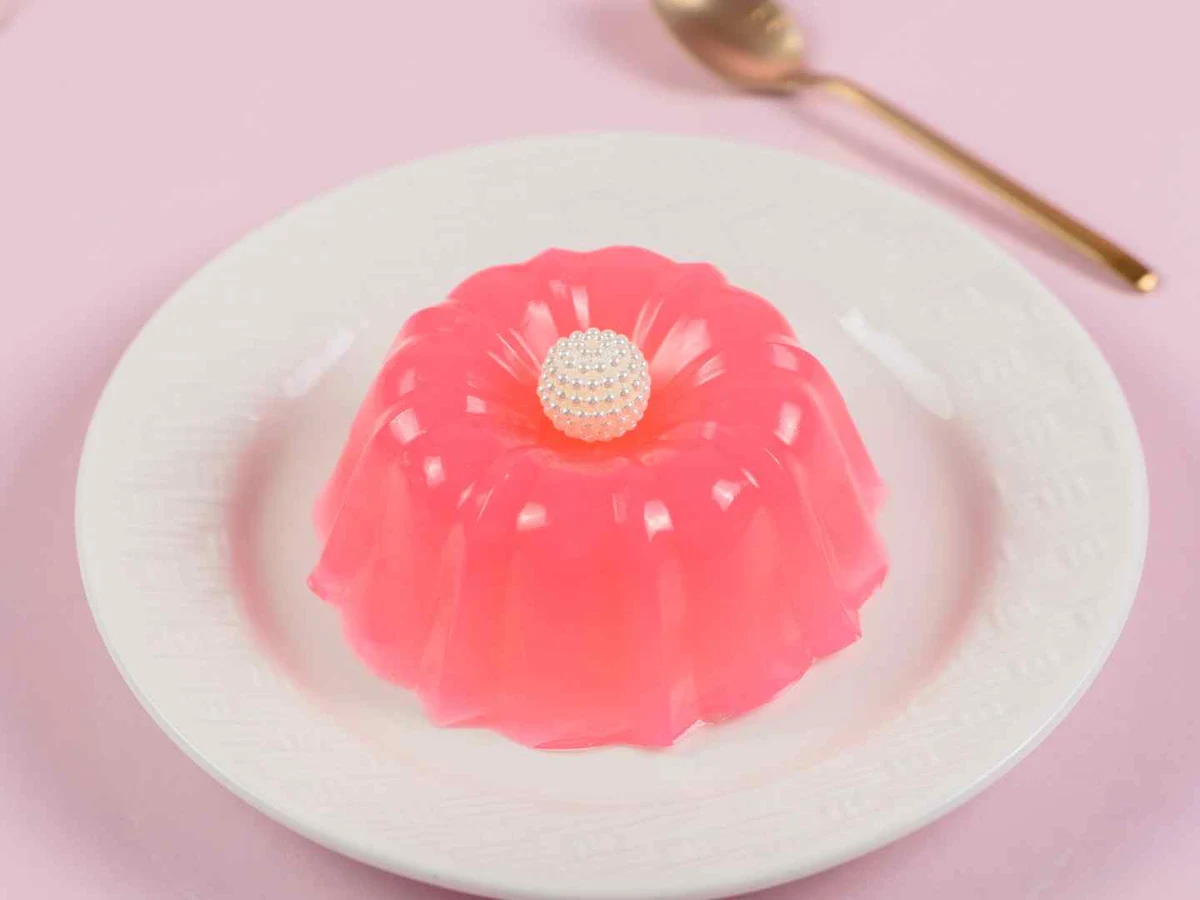
A gelatin cube compresses easily and can slide toward the throat, especially when a cat steals it quickly. Mini cups are still designed around human portions.
Cutting a tiny taste smaller does not create a nutritional reason to serve it. Gagging, repeated swallowing, drooling, regurgitation, or coughing after a cube disappears deserves attention.
Airway distress, abnormal gum color, or collapse is an emergency. Do not pour water into the mouth to dissolve a suspected blockage.
Cups, foil lids, molds, and decorations
Single-serve cups have foil or plastic seals, sharp rims, labels, and spoons that retain sweet residue. Silicone molds, plastic wrap, decorative picks, ribbon, and candles can disappear from a party table.
Repeated vomiting, abdominal pain, appetite loss, reduced stool, straining, or marked lethargy after packaging disappears requires veterinary assessment. Never pull ribbon or strip material from the mouth or rectum.
Rinse empty cups and place them in a closed bin. An open cup can trap a cat’s muzzle or invite chewing long after the dessert is gone.
Storage and homemade molds
Prepared gelatin is perishable when it contains dairy, fruit, or other additions. Follow the package recipe and refrigeration instructions and discard a mold left warm for an uncertain period.
Reject moldy, fermented, slimy, leaking, or oddly smelling dessert. Do not remove one spoiled section and offer the rest to a pet.
FDA storage guidance says a household refrigerator should remain at 40°F or colder, with perishables chilled promptly. Use clean utensils for every serving.
A useful post-dessert checklist
- Identify the product: regular, sugar-free, pudding, shot, dry mix, homemade, supplement, or layered dessert.
- List all additions: alcohol, caffeine, cocoa, grape, raisins, fruit, dairy, nuts, sweeteners, and medication.
- Measure amount and temperature: note maximum volume, time, whether unset liquid was hot, and symptoms.
- Count packaging: find cups, lids, packets, spoons, molds, picks, ribbon, and plastic film.
- Call promptly: seek advice for alcohol, stimulants, true grape, uncertain sweeteners, burns, foreign objects, large amounts, or symptoms.
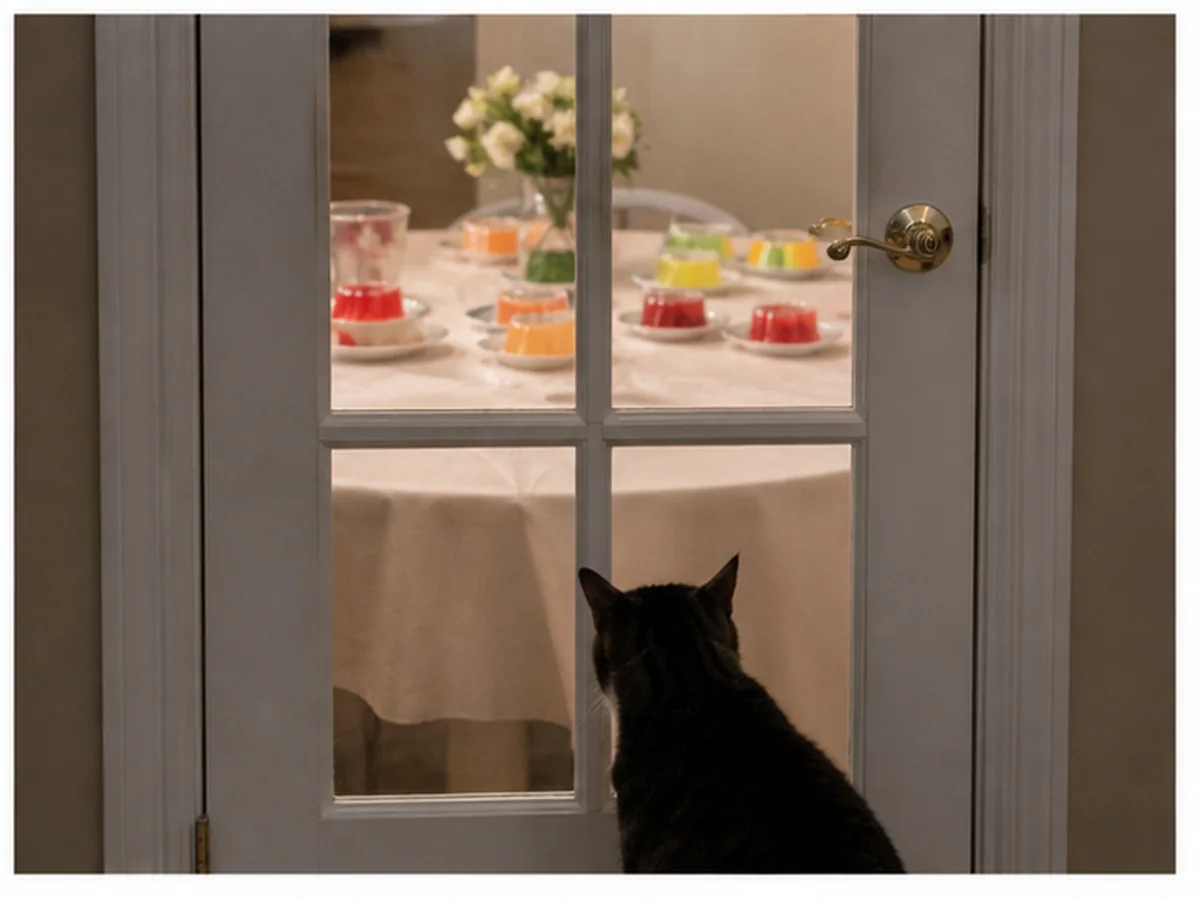
Party-table prevention
Keep unset bowls, shot cups, foil lids, and molds in a closed room while guests arrive. Clear cups directly into a lidded bin, because sweet residue keeps plastic interesting long after dessert.
Give the cat a measured portion of regular food away from the table. Shared attention remains festive without asking gelatin, alcohol, and packaging to function as enrichment.
Frequently asked questions
Can cats eat plain unflavored gelatin?
A tiny amount may be low risk, but it is not a complete protein source, joint treatment, or hydration plan. Ask the veterinarian before adding any supplement form.
Can cats eat sugar-free Jell-O?
Do not offer it. Read every sweetener after an accident, keep xylitol claims species-specific, and call when the product or amount is uncertain.
Does Jell-O help cats drink more water?
It is not an appropriate hydration tool because sugar, sweeteners, flavor, and texture complicate intake. Use fresh water, appropriate wet food, or a veterinarian-directed hydration plan.
What if my cat ate a Jell-O cup lid?
Call with the material, size, time, and symptoms because film or foil can choke, cut, or obstruct. Do not induce vomiting unless a veterinarian specifically directs it.
Bottom line
Jell-O can wobble without earning a place in the cat bowl. One ordinary lick is often minor, but sugar-free labels, shots, chocolate, coffee, fruit, hot liquid, slippery cubes, and cups demand a full dessert inventory rather than a gelatin health claim.