Can Cats Eat Jalapeños? Capsaicin, Pickles, Sauces, and Stems
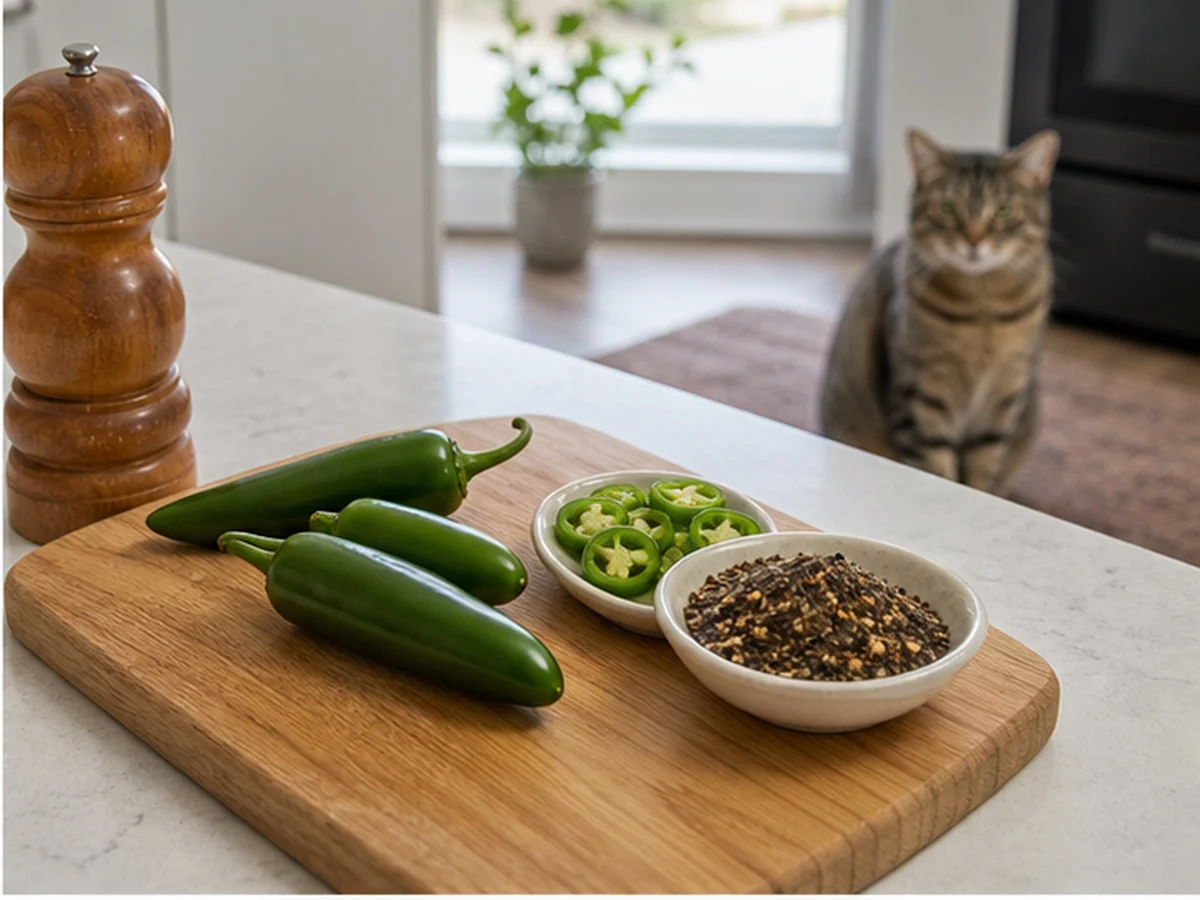
Cats should not eat jalapeños, although one tiny accidental taste is usually an irritation problem rather than a classic poisoning event. Capsaicin can burn the mouth, eyes, nose, and digestive tract, while pickled peppers, sauces, powders, stems, garden chemicals, hot oil, dairy dips, and jars add separate risks.
Capsaicin creates heat by triggering pain receptors
Jalapeños contain capsaicinoids that activate receptors associated with heat and pain. The pepper does not physically raise tissue temperature like boiling liquid, but the sensation and inflammation can be intense.
Cats gain no nutritional or enrichment benefit from that discomfort. A reluctant sniff is not a challenge to hide pepper in meat and try again.
Daily nutrition should come from food formulated for feline requirements. The FDA’s complete-and-balanced explanation shows why a pepper’s human vitamins do not make capsaicin a worthwhile cat ingredient.
One small lick may produce lip licking, drooling, face-pawing, vomiting, diarrhea, or temporary food refusal. A larger bite, concentrated extract, eye exposure, or respiratory signs deserves prompt veterinary guidance.
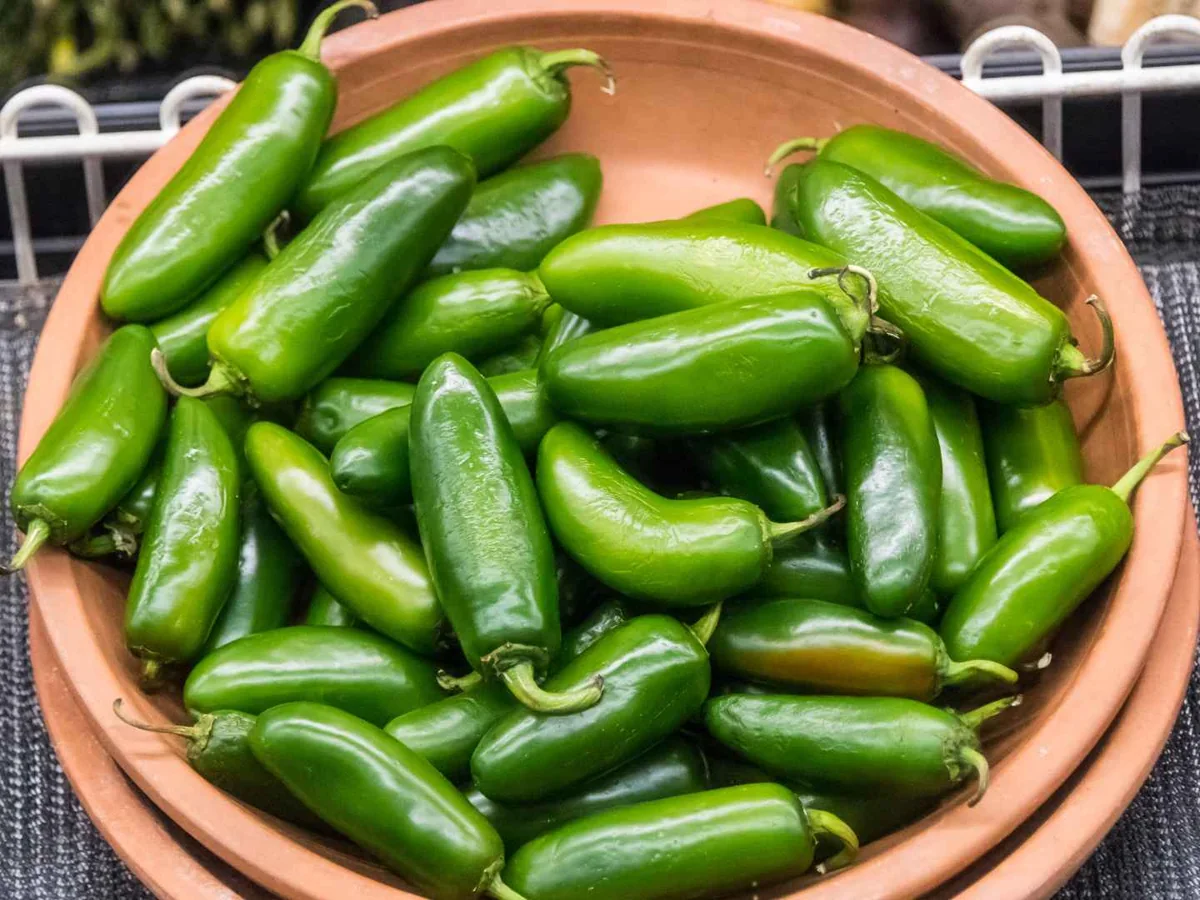
Fresh pepper anatomy
| Part | Practical concern | Handling |
|---|---|---|
| Green flesh | Capsaicin irritation and awkward chunks | Do not offer; remove access after a taste. |
| White inner ribs | Often carry more capsaicinoid-rich tissue | Avoid direct contact and feline access. |
| Seeds | Small hard pieces coated in pepper oils | Can scatter into eyes, nose, and mouth. |
| Stem and cap | Fibrous, indigestible, possible pesticide residue | Keep out of trash raids. |
| Chopped juice | Spreads to paws, fur, boards, and eyes | Clean surfaces and prevent grooming. |
| Whole pepper | Choking, large exposure, garden chemicals | Store in the refrigerator. |
Capsaicin distribution varies by cultivar, growing conditions, ripeness, and individual pepper. An owner cannot establish a safe feline dose by counting seeds or judging whether the pepper tasted mild to a person.
What to do after a mouth exposure
Remove the pepper and offer ordinary fresh water without forcing the cat to drink. Wipe external residue only if the cat calmly allows safe handling, using professional advice for extensive contamination.
Do not give milk, cream, butter, oil, or yogurt as a universal “cooling” treatment. Dairy can cause digestive upset, fat adds another burden, and forced liquid can enter the airway.
Call for persistent drooling, repeated vomiting, refusal to eat, severe mouth pain, facial swelling, or any breathing change. Cats that do not eat adequately can develop serious metabolic problems, so prolonged appetite loss is not trivial.
Eye and airway contact deserves faster action
A paw that touched cut pepper can transfer capsaicin into the eye during grooming. Aerosolized powder, smoke, or cooking fumes can irritate airways, especially in an asthmatic cat.
Squinting, tearing, red eyes, repeated face rubbing, coughing, wheezing, open-mouth breathing, or increased breathing effort needs veterinary direction. Move the cat to clean air without causing exertion.
Do not use soap, essential oil, or random eye drops. A veterinarian can recommend safe flushing and examine for corneal injury.
Pickled jalapeños are a brine problem too
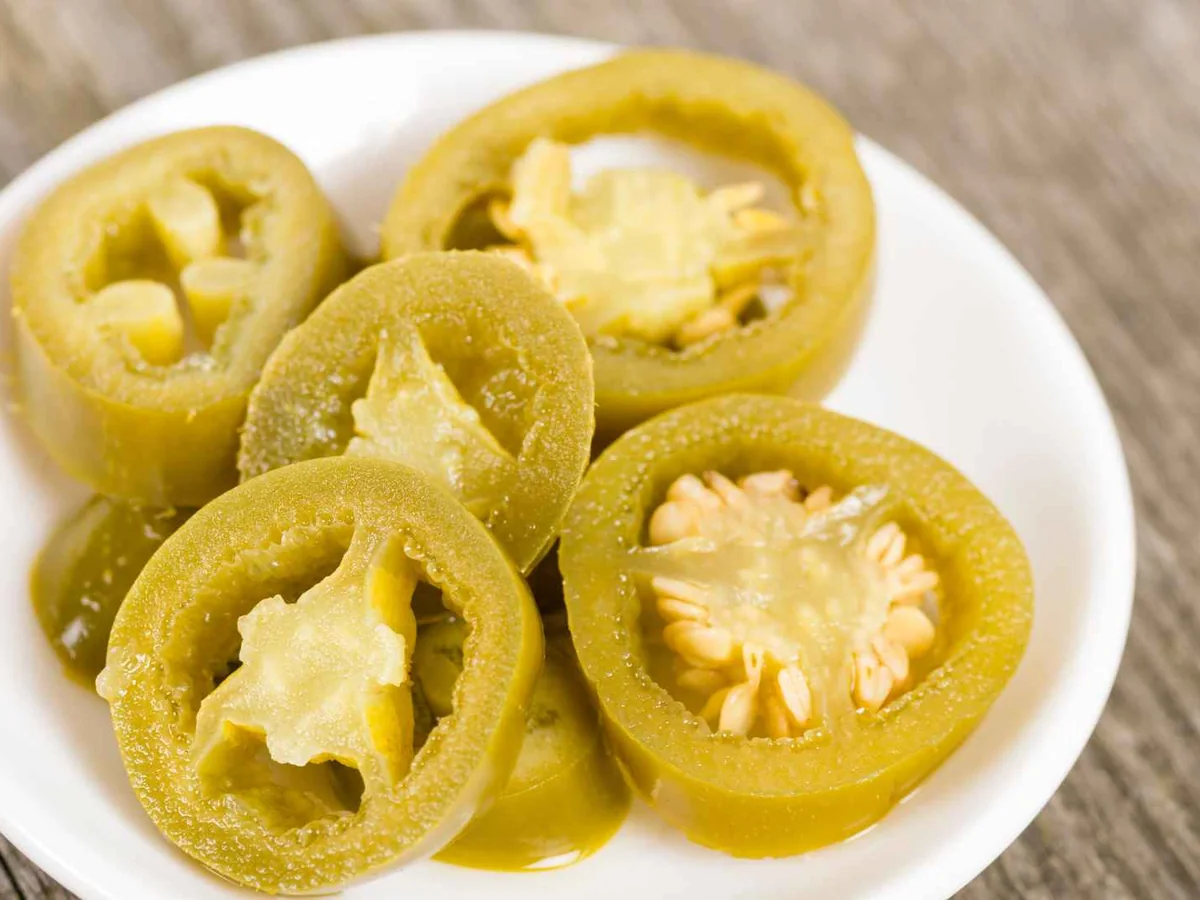
Pickled rings can contain substantial salt, vinegar, garlic, onion, sugar, preservatives, and spices. A drained slice retains seasoning, and the jar liquid should never be offered as broth.
Our cat pickle guide covers brine, Alliums, sweeteners, fermentation, and jar hardware. Jalapeño adds capsaicin irritation to that existing checklist.
One brine lick may cause only thirst or nausea, while a meaningful drink, neurologic signs, or sodium-sensitive disease needs advice. Do not force water to flush salt.
Onion and garlic in salsa can be more serious than the pepper
Salsa, pico de gallo, queso, guacamole, hot sauce, chili, and taco fillings commonly combine jalapeño with onion or garlic. Alliums can damage feline red blood cells and remain hazardous after cooking.
The Merck Veterinary Manual identifies cats as especially susceptible to Allium injury and notes that anemia can emerge days later. Call after known onion or garlic rather than focusing solely on mouth heat.
The feline onion guide explains delayed weakness, pale gums, rapid breathing, and dark urine. Removing a pepper ring cannot remove blended salsa ingredients.
Hot sauce and extracts magnify concentration
Hot sauces vary from mild fermented pepper blends to concentrated extracts measured in drops. They may add salt, vinegar, garlic, onion, alcohol, fruit, smoke flavor, or preservatives.
Save the bottle and report Scoville marketing only as supplementary information, not as a medical dose. Exact ingredients, amount, route, and signs are more useful.
Never use pepper spray, capsaicin cream, or hot sauce as a cat deterrent. These concentrated products can injure eyes, skin, mouth, and lungs.
Powder, flakes, and seasoning dust
Jalapeño powder and crushed pepper can become airborne during a spill. Move the cat away, avoid sweeping dust into a cloud, and prevent grooming from coated fur.
Seasoning blends may contain onion, garlic, salt, cheese powder, lime, or other chiles. Read the complete panel instead of assuming green dust is pure jalapeño.
Persistent sneezing, coughing, eye pain, breathing effort, vomiting, or neurologic signs after a blend requires veterinary advice. Bring the container.
Cheese poppers, nachos, and pizza
Jalapeño poppers add dairy, breading, frying fat, salt, and sometimes toothpicks. Nachos add chips, cheese sauce, meat, beans, onion, garlic, and foil.
The cat cheese guide helps separate dairy tolerance and fat from the pepper exposure. Rich food can cause vomiting and diarrhea without making capsaicin harmless.
Pizza brings sauce, Alliums, crust, cheese, meat, and boxes. Assess the whole slice instead of judging the one visible pepper.
Garden jalapeños and plant materials
The ripe fruit is the culinary portion, while stems, leaves, roots, soil, fertilizer, pesticide, wire ties, and stakes add garden hazards. Do not let cats chew plants even if the fruit itself is not classified as a classic feline poison.
Wash produce under running water before cutting. The FDA recommends washing produce without soap or detergent and separating it from raw animal foods.
If wet garden chemical gets on a coat, prevent grooming and save the label. Do not neutralize it with another household chemical.
Hot pans and pepper oil
Sautéed jalapeños can spatter hot oil, and a skillet remains hot after food is removed. A real thermal burn and a capsaicin sensation can occur together.
Red or blistered skin, paw-pad injury, eye splash, or mouth burns from hot food needs prompt assessment. Do not apply butter, oil, toothpaste, or ice directly to a burn.
Packaging, stems, and trash
Jar lids, glass, can edges, foil seals, pepper stems, produce bags, rubber bands, skewers, and sauce packets can be swallowed. Count them whenever a cat raids taco night.
Repeated vomiting, abdominal pain, appetite loss, reduced stool, straining, or severe lethargy after an object disappears needs veterinary evaluation. Do not induce vomiting after sharp material.
A proportionate triage plan
- Tiny trace: remove access, check ingredients, offer normal water, and monitor for irritation.
- Call promptly: seek advice for a substantial piece, extract, eye contact, powder inhalation, Alliums, brine, hot oil, or persistent signs.
- Preserve evidence: keep the pepper, jar, sauce bottle, recipe, garden product, and missing-object match.
- Avoid home antidotes: do not force dairy, oil, water, medicine, or vomiting.
- Use emergency care: breathing trouble, collapse, severe swelling, seizures, repeated retching, or intense pain cannot wait.
Cats with respiratory or digestive disease
Asthmatic cats have less room for airborne chili powder, cooking smoke, and aerosolized cleaner used after a spill. Keep them outside the kitchen during pepper preparation and move calmly to clean air if exposure occurs.
Cats with inflammatory bowel disease, chronic vomiting, oral ulcers, dental pain, or pancreatitis history may react badly to even a modest spicy or fatty dish. Their established veterinary diet should not be interrupted for a heat experiment.
Kittens are small, curious, and more likely to bat a whole pepper or swallow a stem. Use closed refrigerator storage and clear scraps before a young cat enters the room.
Why pepper does not train or deter safely
Sprinkling jalapeño powder on furniture, plants, cords, or counters deliberately exposes paws, eyes, airways, and mouths. It can also make the home stressful without teaching the alternative behavior an owner wants.
Use physical barriers, cord covers, approved bitter products, enrichment, and reward-based redirection instead. A veterinarian or qualified behavior professional can help when counter surfing or plant chewing persists.
If pepper was already used as a deterrent, clean the area with the cat excluded and follow product-safe methods. Never mix cleaning chemicals in an attempt to erase capsaicin faster.
Wash hands after cutting peppers before touching cat bowls, medication, toys, or a cat’s face. Gloves can reduce transfer during heavy preparation, but contaminated gloves must be removed before handling anything the cat will lick.
Clean knives and boards separately from feline food-preparation tools. A faint residue invisible on stainless steel can still create an unpleasant surprise for a cat eating the next meal.
Frequently asked questions
Are jalapeños poisonous to cats?
They are inappropriate and irritating, but one trace is not usually described as a classic systemic poison exposure. Concentrated products, accompanying Alliums, and symptoms can make the case urgent.
What if my cat licked jalapeño juice?
Remove access, prevent face rubbing, offer normal water, and watch for drooling, vomiting, eye pain, or breathing changes. Call when signs persist or the exposure was concentrated.
Can cats eat pickled jalapeños?
No planned serving is appropriate because capsaicin, brine, salt, vinegar, onion, garlic, and spices may be present. Check the jar after an accident.
Will milk help my cat after hot pepper?
Do not force milk because many cats digest lactose poorly and liquid can be aspirated. Ask a veterinarian for safe care based on the exposure route and signs.
Bottom line
Jalapeños are less a secret poison than a very predictable irritation cats do not need. Keep fresh peppers, pickled rings, powders, sauces, and garden scraps away, then look beyond the heat for Alliums, salt, burns, and packaging that may matter more.