Can Cats Eat Orange Peels? Zest, Citrus Oil, Pith, and Obstruction Risks
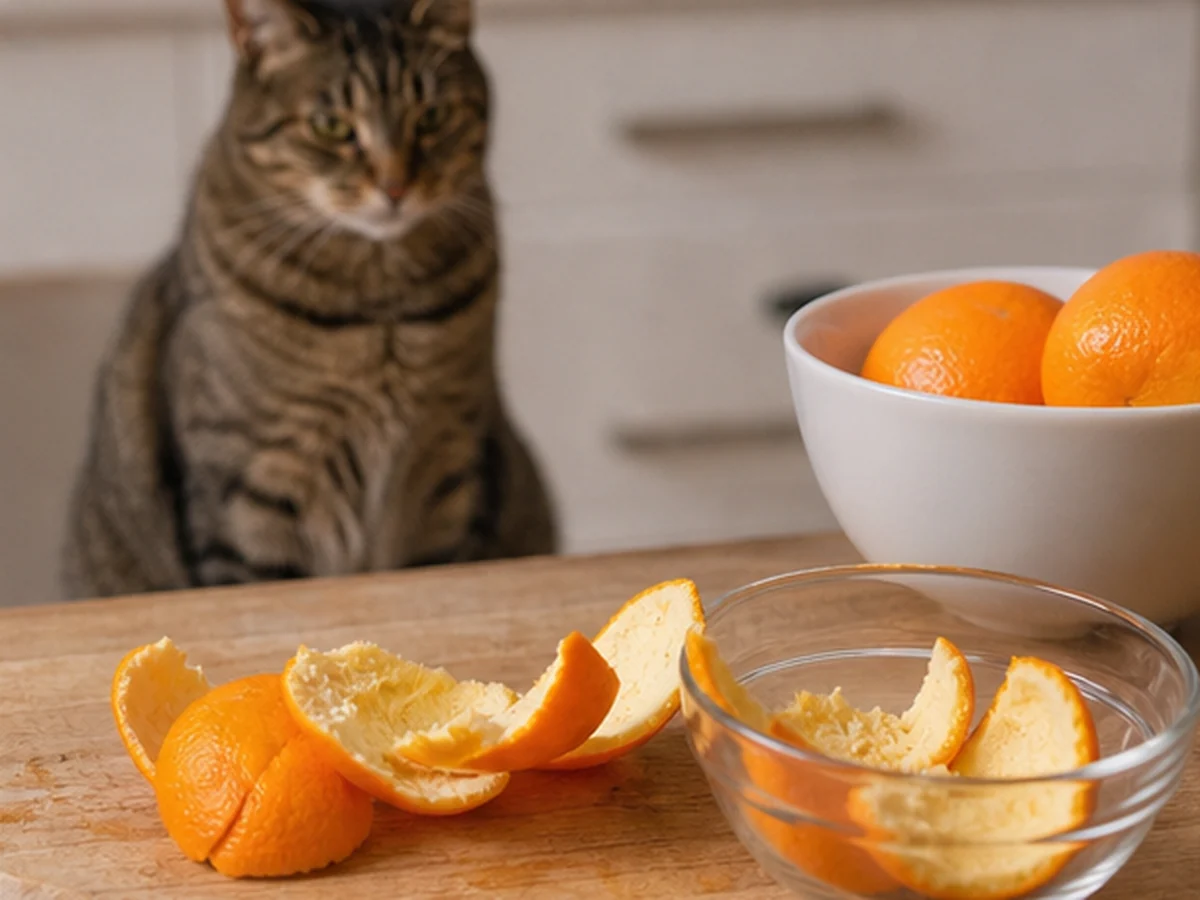
Do not feed orange peel to cats. The colored rind holds concentrated citrus oils, the white pith and long strips are difficult to digest, and zest, candied peel, marmalade, essential oil, cleaners, compost, produce bags, and orange-tree parts create very different exposures, so identify the exact product before deciding what to do.
An orange peel has several safety zones
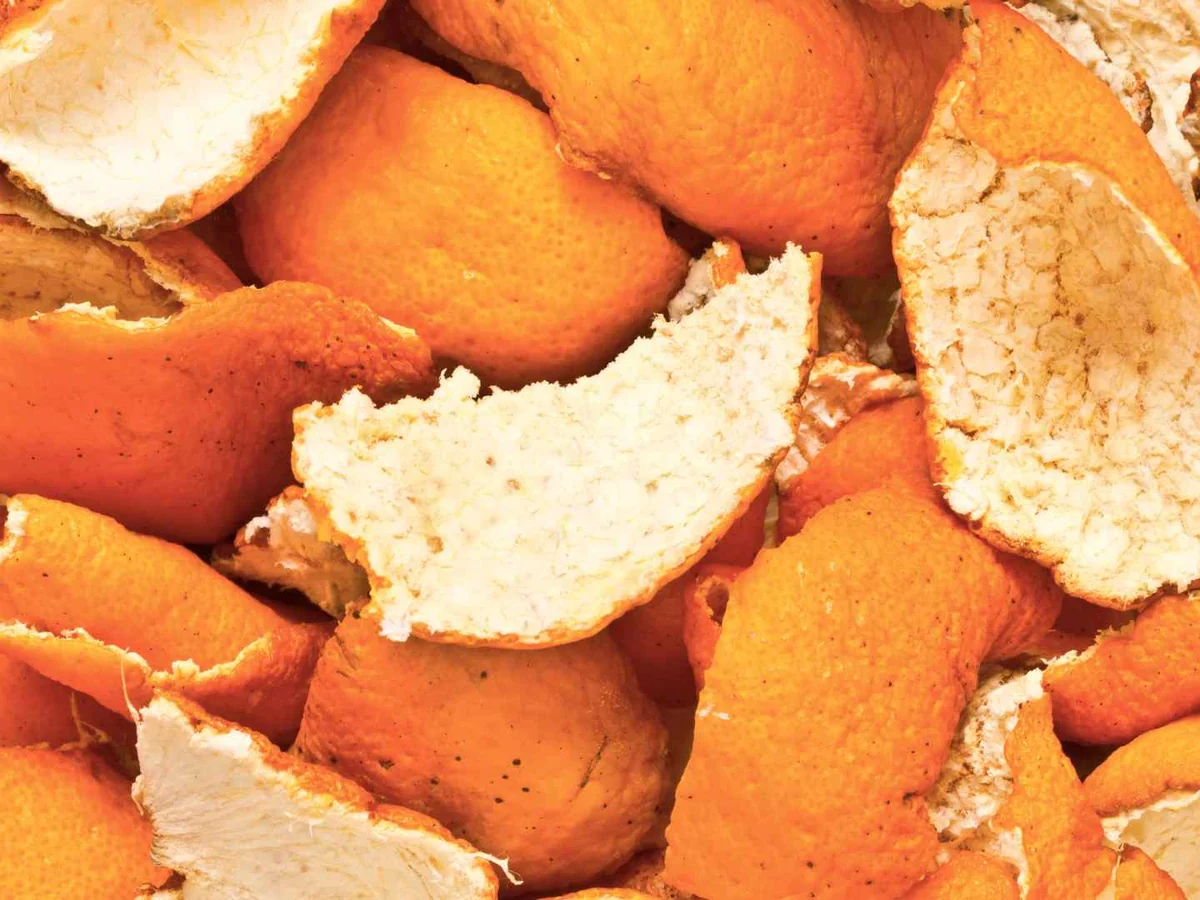
The bright outer layer, or flavedo, contains aromatic oil glands that release fragrance when the skin is bent or grated. A cat can swallow the oil, inhale droplets, or transfer residue from paws to mouth during grooming.
The white pith beneath it contains more fibrous material and less fragrant oil, but it is not a safe chew. Thick pith, membranes, and stringy strips can trigger gagging, vomiting, or an intestinal blockage.
Flesh and juice are separate from rind even when they touch on the cutting board. The complete cat orange guide compares segments, juice, seeds, peel, tree parts, desserts, and flavored products.
The useful answer is no, even though dose matters
Orange peel is not an appropriate treat, dental aid, toy, fiber supplement, or enrichment item. Avoidance is simpler than trying to calculate how much oil remained in one irregular strip.
A brief lick of a freshly peeled orange is not automatically a severe poisoning, while chewing rind, swallowing a ribbon, contacting essential oil, or being soaked by cleaner deserves greater concern. Product, route, concentration, amount, cat size, health, and symptoms guide triage.
There is no reason to invent a household “toxic strip” or teaspoon threshold for cats. Call with measured facts when exposure is more than trivial or any signs develop.
Why citrus oil changes the conversation
Orange rind naturally contains volatile compounds, including limonene, that give it its smell. Concentrated citrus oils may be far stronger than the residue on one whole fruit and can expose a cat through swallowing, skin, eyes, or inhalation.
Cats groom contaminated fur, so a surface spill can become an oral exposure. Oily material may also irritate skin and make accurate home cleanup harder.
The ASPCA advises caution with essential oils around pets, especially after direct application or ingestion. A product marketed as natural, food grade, pure, therapeutic, or pet friendly still needs its actual label reviewed.
Possible signs after peel or oil exposure
Watch for drooling, lip licking, pawing at the mouth, vomiting, diarrhea, appetite loss, lethargy, weakness, wobbliness, tremors, skin redness, squinting, coughing, or unusual breathing. A long swallowed strip may instead cause delayed vomiting, pain, reduced stool, or food refusal.
Trouble breathing, collapse, seizures, severe weakness, repeated unproductive retching, or marked neurologic change requires emergency care. Eye pain and extensive oily coat exposure also warrant prompt professional direction.
Do not wait for every possible symptom when a concentrated product is involved. Early product identification often gives the clinic more options than a vague call after the bottle has been discarded.
What to do in the first ten minutes
- Move the cat away: prevent another bite, paw contact, grooming, or access to broken glass and cleanup products.
- Name the material: fresh rind, pith, zest, dried peel, candied peel, marmalade, oil, diffuser liquid, cleaner, plant, compost, or packaging.
- Record the route: swallowed, chewed then spat out, inhaled, splashed in an eye, or spread on skin and fur.
- Estimate the maximum: compare missing strips, product weight, bottle volume, recipe amount, and spill size.
- Call with evidence: provide label photographs, concentration, ingredients, time, cat weight, health conditions, and present signs.
Do not induce vomiting, force milk or oil, scrub with solvent, apply another essential oil, or give human medicine. If material is on the coat, prevent grooming and ask which decontamination method is appropriate for that product.
A swallowed ribbon can become a mechanical problem
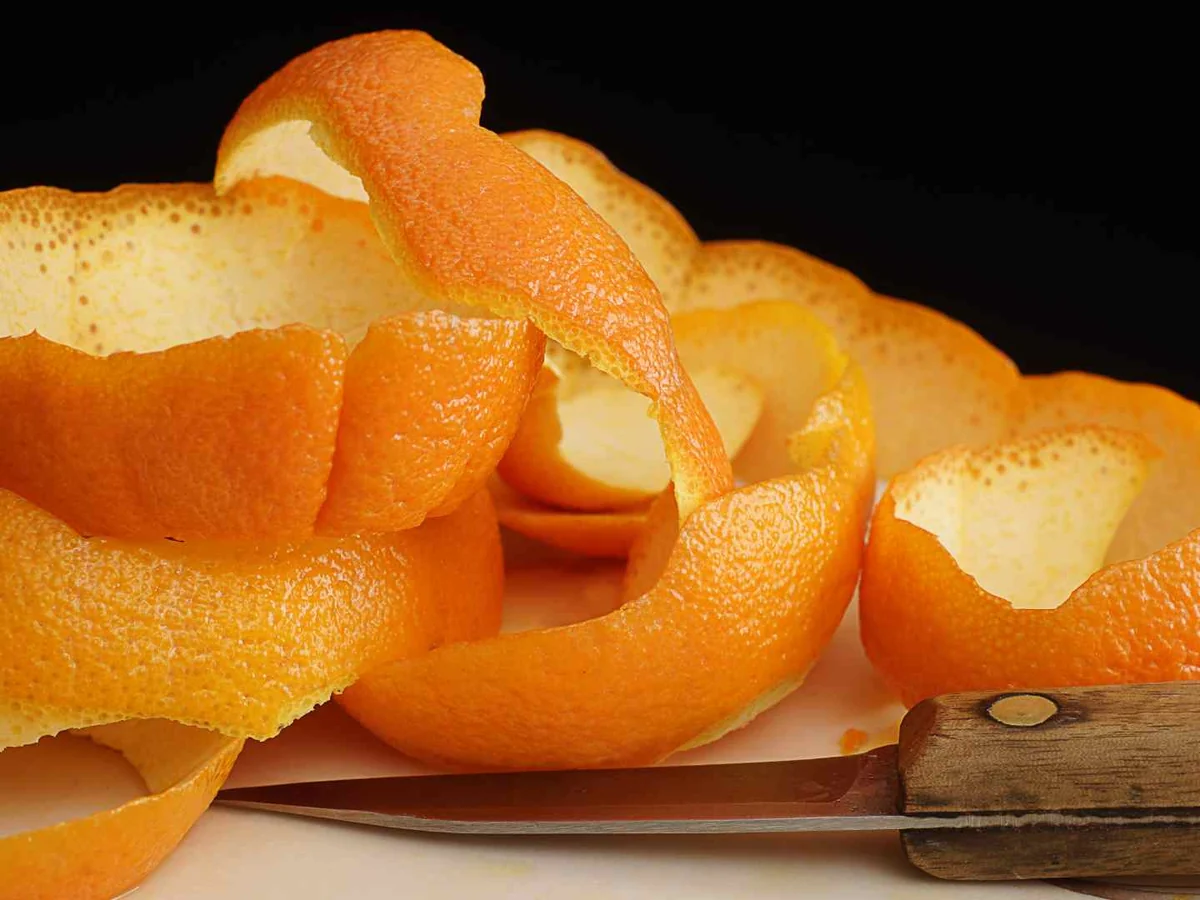
Orange peel often separates into curved pieces that are tough, slick, and longer than they look when folded. A cat may gulp one during play without grinding it into smaller fragments.
Gagging, repeated swallowing, drooling, regurgitation, repeated vomiting, abdominal tenderness, poor appetite, low stool output, or lethargy after rind disappears needs veterinary assessment. Symptoms may start after the citrus smell has faded.
Do not pull peel, string, ribbon, or packaging from the mouth or rectum because unseen material may be lodged or anchored. Keep the cat from chewing the visible end and obtain urgent veterinary instructions.
Zest is peel in a more concentrated serving pattern
Zest is the colored rind grated into fine pieces, so a small spoon can represent the aromatic surface from much of a fruit. It also spreads across batter, cutting boards, microplanes, fingers, and floors.
One speck on a baked crumb is different from licking a mound of fresh zest or chewing the loaded grater. Check for mouth cuts if a sharp tool was accessible and count any missing protective cover.
Dried zest, citrus seasoning, and powdered peel may include salt, sugar, pepper, tea, herbs, or flavor concentrates. Dust can irritate eyes and airways before a cat swallows it.
Candied peel is not just fruit skin
Candied orange peel is boiled or soaked in sugar syrup and may be rolled in sugar, dipped in chocolate, or packaged with freshness material. The rind remains fibrous while the coating adds calories and new hazards.
Chocolate-coated peel requires cocoa assessment rather than an orange-only verdict. The cat chocolate safety guide explains how type, cocoa concentration, product weight, and signs affect urgency.
Sugar-free candy needs its current sweetener panel, but canine xylitol evidence should not be repeated as a proven feline dose-response. Call about the complete candy and missing wrapper instead of making a species leap.
Marmalade and preserves hide the peel’s shape
Traditional marmalade can suspend narrow peel shreds in a sugary gel, making them easy to lap in quantity. Recipes may add lemon, grapefruit, alcohol, spice, or sugar substitutes.
One small lick may cause no illness in a healthy adult cat, yet a jar raid can produce gastrointestinal upset and substantial peel exposure. Glass fragments, foil seals, lids, and sticky labels also belong in the inventory.
A homemade preserve has no standardized formula, and a café pastry may use marmalade plus chocolate, cream, coffee, or nuts. Ask the baker for ingredient and batch information.
Orange drinks are not evidence that rind is absent
Fresh juice can contain pulp and traces of peel oil when fruit is squeezed against the rind. Bottled drinks may use natural flavor, oil emulsions, sweeteners, caffeine, supplements, or alcohol.
Cocktail twists are deliberately bent to release oil over a drink, then left as a tempting ribbon in the glass. Alcohol, mixers, picks, and glassware can outrank the garnish as hazards.
Do not flavor cat water with orange, peel, zest, extracts, or juice. Cats need easy access to fresh plain water, and a disliked odor can reduce drinking rather than enrich it.
Citrus cleaners are formulated chemicals
A countertop spray, degreaser, adhesive remover, furniture polish, detergent, disinfectant, or pest product may smell like orange because it contains citrus-derived ingredients or synthetic fragrance. It is not equivalent to touching fresh fruit.
Surfactants, solvents, disinfectants, propellants, and product pH can matter alongside citrus oil. Preserve the full front and back labels and do not rely on a generic online ingredient list from another size or country.
Keep the cat off a treated surface until it is used, rinsed if directed, and dried exactly as the manufacturer instructs. Never encourage paw licking as a cleanup method.
Diffusers and fragrance devices add routes of exposure
Passive reed diffusers can spill concentrated liquid, while active devices may disperse droplets into air and onto nearby surfaces. Open bowls, wicks, reeds, cords, batteries, and glass add physical hazards.
A strong smell alone does not prove poisoning, but coughing, wheezing, drooling, vomiting, weakness, or behavior change after a spill or enclosed exposure needs advice. Cats with asthma or other respiratory disease have less room for experimentation.
Do not place orange oil on bedding, collars, scratching posts, litter, paws, or skin to deter behavior. Use feline-safe environmental management rather than turning every groom into another dose.
Orange trees and houseplants are not chew toys
Leaves, flowers, twigs, bark, unripe fruit, fallen rind, and potting material can be accessible around a citrus tree. Plant oils, woody pieces, pesticides, fertilizer, stakes, ties, and soil additives all need consideration.
The ASPCA lists orange plant material as toxic to cats and identifies essential oils and psoralens among the toxic principles. Keep plant identity, treatment records, and a photograph for the call.
A fallen fruit may also be fermented, moldy, insect-damaged, or contaminated by compost. Do not assume outdoor rind matches a clean grocery peel.
Compost turns one peel into a mystery meal
A compost container may combine citrus rind with coffee grounds, tea bags, moldy bread, onions, garlic, bones, corn cobs, avocado pits, string, and spoiled leftovers. Report the entire accessible mixture.
Fermentation and mold can produce neurologic or gastrointestinal hazards unrelated to citrus. Tremors, incoordination, repeated vomiting, seizures, or collapse after compost access needs emergency care.
Use a secured bin with a lid a cat cannot tip, and clean spills before insects or rodents spread pieces. Decorative counter bowls are not secure storage.
Produce washing helps people, but it does not make peel a cat treat
The FDA recommends washing produce under running water rather than with soap or commercial produce wash. Clean hands, tools, and cutting surfaces reduce contamination while preparing human food.
Washing cannot remove the peel’s natural oils or make a fibrous strip digestible. It also cannot reverse mold, fermentation, or chemical damage.
Discard visibly moldy or rotten fruit and secure the rind promptly after cutting. A lidded trash container is safer than a fragrant heap beside the cutting board.
Bags, stickers, netting, and kitchen gear
Mesh sacks, thin produce bags, barcode stickers, rubber bands, twist ties, knives, zesters, peelers, skewers, jar lids, and foil seals can disappear during the same event. Count equipment before focusing only on food.
Plastic film can obstruct or collapse around the face, and metal or glass can cut internally. Do not induce vomiting when a sharp item may have been swallowed.
If a tool is missing a blade cover or fragment, tell the clinic immediately. A normal appetite in the first hour does not rule out a foreign object.
Cats who deserve a lower threshold for advice
Kittens, seniors, and cats with liver disease, respiratory disease, neurologic conditions, swallowing trouble, prior obstruction, pica, or prescription diets should not be offered citrus experiments. Small body size and existing illness can narrow the margin for error.
A cat receiving medicine also deserves a careful product review because grapefruit and some citrus products can alter drug handling in people, but pet-specific interactions depend on the drug and exposure. Do not change or delay a feline prescription based on a human interaction list.
Call the prescribing veterinarian with the medicine name, dose schedule, citrus product, amount, and time. Home adjustments can create a second problem.
When a tiny contact may stay low concern
A healthy adult cat that briefly sniffed an intact orange or licked a finger with faint fresh-fruit residue and remains normal may only need cleanup and observation after professional guidance. That scenario does not include chewing peel, zest piles, oils, cleaners, or long strips.
Wash your hands before handling food, toys, and medication, remove the fruit, and watch ordinary behavior, appetite, gait, breathing, vomiting, and litter-box output. Escalate promptly if anything changes.
Good triage is proportionate rather than dramatic. It can acknowledge a trivial contact without turning orange peel into an approved snack.
Better ways to share the kitchen moment
Offer a piece of the cat’s regular food, a veterinarian-approved commercial treat, a food puzzle, or attention away from the cutting board. The goal is participation without a fragrant rind to steal.
For cats attracted to crinkly peel, use an intact feline toy that cannot unravel or shed pieces. Supervise play and retire damaged toys before strands appear.
The broader cat fruit guide helps compare common flesh, pits, seeds, peels, syrups, dried products, and mixed dishes without assuming every fruit behaves alike.
Frequently asked questions
What if my cat licked orange peel?
A quick lick of fresh rind may remain low concern if the cat is normal, but rinse residue from your hands, prevent more contact, and call if oil, zest, cleaner, a large amount, or symptoms are involved.
Can cats eat the white pith of an orange?
Do not offer it. Pith is less oily than colored zest but remains fibrous, stringy, unnecessary, and capable of causing choking or digestive trouble in a large piece.
Is dried orange peel safe for cats?
No. Drying does not make peel nutritionally necessary or mechanically friendly, and teas, potpourri, spice blends, powders, and supplements may concentrate or combine ingredients.
Can orange peel keep cats off furniture?
Do not rub citrus oil, cleaner, zest, or rind where a cat will contact or groom it. Use barriers, appropriate scratching options, reward-based training, and veterinary behavior help for persistent problems.
What if my cat swallowed a long strip?
Call a veterinarian promptly with strip dimensions, time, cat size, and symptoms. Do not induce vomiting or tug on material that later appears from the mouth or rectum.
Bottom line
Orange peel combines aromatic oil with fibrous, obstruction-prone shape and gains extra hazards when it becomes zest, candy, marmalade, cleaner, diffuser liquid, plant debris, or compost. Keep rind secured, preserve the exact product after accidents, and let the cat’s kitchen treat come from a complete feline food rather than the peel bucket.