Can Cats Eat Oranges? Flesh, Peel, Oils, Juice, and Exposure Triage
Cats should not eat oranges. A lick of ripe orange flesh is unlikely to cause severe poisoning in a healthy adult, but peel, seeds, leaves, stems, concentrated citrus oil, cleaners, and essential-oil products are more concerning, while even the juicy flesh can cause drooling or stomach upset.
Start with the exact orange exposure
Remove the fruit or product, offer fresh water, and keep the label or package. Note whether the cat licked pulp, chewed peel, drank juice, contacted oil on the coat, or got into a cleaner, diffuser, supplement, or garden plant.
- One lick of ripe flesh: usually monitor for drooling, vomiting, diarrhea, or reduced appetite.
- Peel, leaves, stems, seeds, or more than a small taste: call your veterinarian or pet poison service for case-specific advice.
- Essential oil, concentrated extract, cleaner, or oil on fur: call promptly and prevent grooming without spreading the product.
- Tremors, wobbliness, repeated vomiting, marked lethargy, breathing trouble, collapse, or seizures: seek urgent veterinary care.
Do not induce vomiting or give hydrogen peroxide, salt, milk, butter, or another home remedy. If product is on the coat or skin, ask a veterinarian or poison professional how to decontaminate it because the wrong solvent can increase absorption or chill the cat.

Why oranges and cats are a poor match
Citrus plants contain aromatic oils and other compounds that help create the scent humans associate with a freshly peeled orange. Cats can be exposed by eating plant material, swallowing concentrated products, inhaling droplets, or grooming contaminated fur.
The ASPCA lists orange, Citrus sinensis, as toxic to cats, with essential oils and psoralens identified as toxic principles. The concentration and plant part matter, which is why one pulp lick should not be described as equivalent to drinking orange oil.
The fruit is also acidic and sugary, with no nutritional role in a feline diet. Cats need a complete species-appropriate food, not a vitamin C delivery system wearing a tiny orange jacket.
Flesh is lower risk than peel, but not a treat recommendation
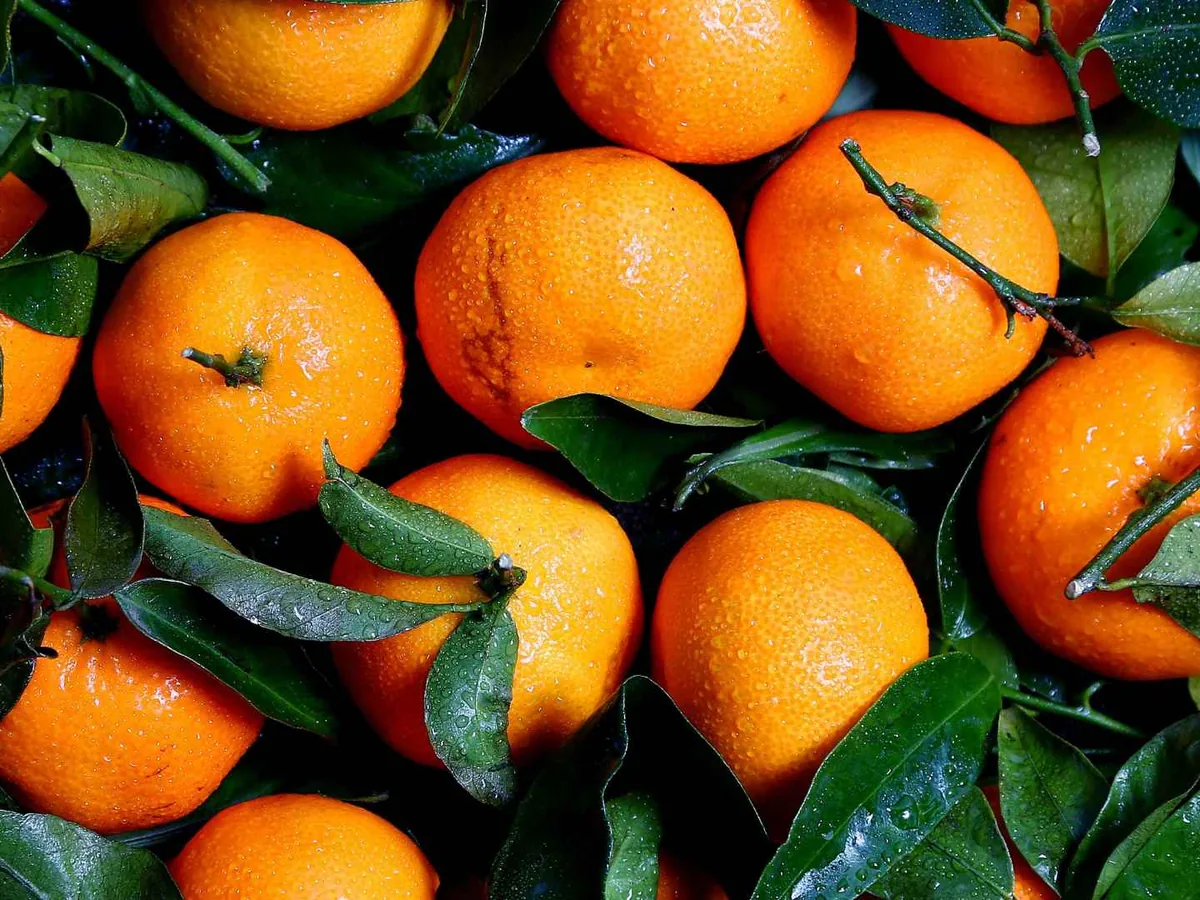
The moist flesh of a ripe orange contains less concentrated oil than the peel. A tiny accidental taste commonly produces no sign or brief oral and digestive irritation, but there is no useful reason to serve it deliberately.
Acid can irritate the mouth and stomach, while sugar and fruit calories displace better choices. Stringy membranes and large pieces also create gagging or choking concerns for kittens and determined gulpers.
If the cat ate a segment, estimate the portion rather than reporting one orange. A stolen mandarin wedge and a bowl of citrus salad differ in size, recipe, and opportunity to swallow peel or packaging.
Peel and zest concentrate the problem
Orange peel contains aromatic oil glands, which are easy to see when zest sprays into the air. Zest, peel strips, dried rind, candied peel, marmalade, and baking extract can therefore deliver a more concentrated citrus exposure than plain pulp.
Peel is also tough and difficult to digest. A swallowed strip can trigger vomiting or contribute to a gastrointestinal obstruction, especially in a small cat.
Do not assume a peel is safe after cooking or drying. Processing changes texture and water content but does not turn concentrated citrus compounds into feline nutrition.
Orange essential oil deserves a faster response
Essential oils are concentrated products, not fruit juice with better branding. Cats can absorb them through the digestive tract, skin, lungs, and mucous membranes, then ingest more while grooming contaminated fur.
The Merck Veterinary Manual review of essential-oil toxicoses explains that cats are particularly sensitive and lists vomiting, drooling, poor coordination, lethargy, tremors, seizures, respiratory signs, and liver or kidney injury among possible effects. Higher concentration generally raises risk.
Never apply orange, lemon, citronella, or another essential oil directly to a cat as a flea treatment or fragrance. Natural describes where a substance came from, not whether a liver enjoys meeting it.
Diffusers, sprays, and orange cleaners
Active diffusers can release tiny oil droplets that settle on a cat’s coat, furniture, food, and water. A cat may then groom the residue, creating a combined inhalation, skin, and oral exposure.
Move the cat to fresh air if a diffuser or spray causes coughing, watery eyes, drooling, wheezing, or breathing difficulty, then call a veterinarian. Breathing distress is an emergency.
Citrus-scented does not always mean the product contains orange oil, and orange oil does not reveal the concentration or other cleaning chemicals. Save the entire label, including active ingredients and emergency number, because detergent, solvent, or disinfectant ingredients may drive treatment.
Orange juice is not harmless hydration
Orange juice combines acid and sugar in an easy-to-swallow form, and some products contain pulp, peel oil, calcium, flavoring, sweeteners, or other fruit juices. A lick is usually a stomach-watch situation, while a larger drink warrants a call based on the cat and product.
Sugar-free, energy, cocktail, and supplement drinks need a full ingredient check. Caffeine, alcohol, grapes, concentrated vitamins, and nonstandard sweeteners can matter more than the orange pictured on the bottle.
Offer water for hydration and complete cat food for nutrition. Juice does not treat dehydration, urinary disease, constipation, or vitamin deficiency in a cat.
Marmalade, orange cake, and chocolate oranges
Marmalade often contains peel and substantial sugar, while sugar-free recipes may use alternative sweeteners. Check our applesauce label guide for the same practical lesson: fruit products must be judged by the whole ingredient list, not the produce word on the front.
Orange cake, cookies, sweet rolls, and frosting can add butter, dairy, alcohol extract, chocolate, raisins, nuts, raw dough, and wrappers. A chocolate orange is primarily a chocolate exposure with citrus flavoring, so call promptly with the cocoa type and amount.
Takeout dishes may pair citrus glaze with garlic, onion, salt, hot pepper, or skewers. Our guides to pizza and salami show why a familiar main ingredient rarely tells the whole table-scrap story.
Seeds, leaves, flowers, and the orange tree
Keep cats from chewing orange-tree leaves, stems, flowers, and fallen fruit. Plant material can expose them to citrus compounds and cause mechanical or gastrointestinal irritation even when a single nibble does not produce systemic poisoning.
Seeds are not a useful snack and can be swallowed with pulp, while plant soil may contain fertilizer, insecticide, mold, or another hazard. A cat who repeatedly chews a potted citrus tree needs the plant moved to a truly inaccessible room, not a shelf six inches higher.

Symptoms to watch, and how timing helps
After fruit or plant ingestion, possible signs include drooling, pawing at the mouth, vomiting, diarrhea, abdominal discomfort, and reduced appetite. Essential-oil exposure can also cause lethargy, wobbliness, tremors, low body temperature, respiratory signs, seizures, and organ injury.
Tell the veterinarian when the exposure occurred and which route was involved. A cat who walked through cleaner and groomed for an hour has a different exposure from one who sniffed a closed orange.
Call for repeated vomiting, inability to keep water down, worsening lethargy, abnormal walking, tremors, seizures, coughing, or breathing changes. Seek emergency care for breathing difficulty, collapse, severe weakness, or seizures.
Cats who need extra caution
Kittens are small and quick to mouth objects, while older cats and cats with liver, kidney, respiratory, skin, or gastrointestinal disease may have less margin for a concentrated product. Cats on medication or a prescription diet also deserve individualized advice.
A cat with orange oil on the coat needs prompt direction because grooming can turn skin contamination into ingestion. An Elizabethan collar may reduce licking while you call, but do not stress a struggling cat or delay care to improvise equipment.
Better treats than citrus
The Cornell Feline Health Center recommends complete and balanced food as the foundation and keeping extras to a modest share of calories. Reserving a few pieces of the cat’s normal ration is the simplest low-drama treat plan.
A tiny piece of plain, fully cooked egg can suit many healthy cats when the veterinarian has no objection. Choose a species-appropriate snack rather than trying to convince an obligate carnivore that brunch requires a fruit garnish.
How to prevent citrus exposure
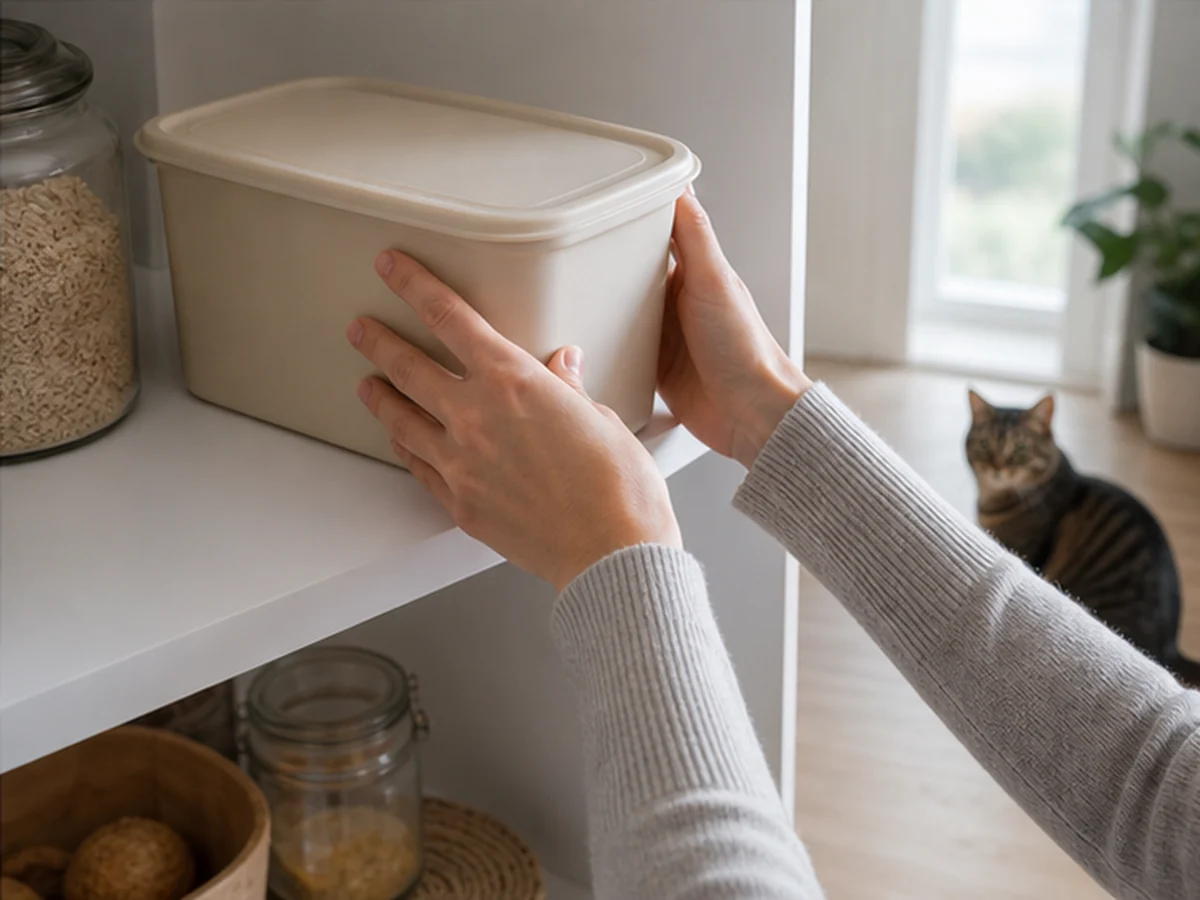
Keep fresh fruit, peel, zest, extracts, supplements, and essential oils in closed storage, then put scraps directly into a lidded bin. Wipe counters and floors after zesting because a curious paw can collect droplets that later reach the mouth during grooming.
Read cleaning labels before use and keep the cat away until surfaces are rinsed or dry according to directions and the room is ventilated. Never add essential oil to litter, bedding, collars, flea products, humidifiers, or bathwater unless the treating veterinarian has approved the exact product and use.
Store diffuser reservoirs where they cannot spill, and keep oils away from food and water bowls. A high shelf is not reliable storage for a cat with opinions about gravity, so use a closed cabinet.
If orange scent is being used to discourage scratching or counter access, switch to management that does not expose the cat to concentrated fragrance. Provide a stable scratcher near the target, reward its use, cover the surface temporarily, and block kitchen access during food preparation.
For outdoor citrus trees, collect fallen fruit and peel, restrict access to treated soil, and check whether pesticides or fertilizer were applied. When a cat chews plants repeatedly, discuss the behavior and diet with a veterinarian rather than rotating through stronger scented deterrents.
Frequently asked questions
Can cats eat mandarin oranges or clementines?
Treat them like other citrus. A pulp lick is lower risk than peel or oil, but deliberate feeding offers no benefit and can cause oral or digestive upset.
Can cats smell oranges safely?
Smelling an intact fruit is not the same as inhaling aerosolized essential oil. Avoid using concentrated citrus fragrance to repel a cat because droplets can contact the coat, lungs, food, and water.
Can orange peel keep cats off furniture?
Do not scatter peel where a cat can chew it or rub concentrated citrus oil onto surfaces the cat contacts. Use physical barriers, washable covers, appropriate scratchers, and behavior guidance instead.
The bottom line
Skip oranges as cat food, with particular care around peel, zest, plant material, concentrated oil, diffusers, and cleaners. A pulp lick is usually minor, but save the product, call when the amount or form raises concern, and seek urgent care for neurologic or breathing signs.