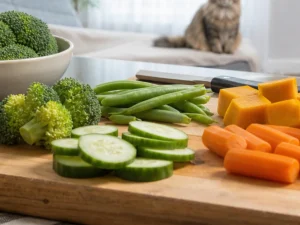
Can Cats Eat Carrots? Raw, Cooked, Frozen, and Puréed Forms
Cats can eat a tiny amount of plain carrot, but cooked, soft, and finely chopped is safer than a hard raw coin. Carrots are optional rather than essential, and butter, salt, onion, garlic, broth, glaze, dips, baby-food blends, and oversized or frozen pieces change the answer.
The practical verdict
Offer one pea-sized piece of plain steamed or boiled carrot to a healthy adult cat that wants it. Mash it for easier licking, then stop before a curiosity bite becomes a vegetable course.
Carrots do not replace meat, complete cat food, or veterinary treatment for weight, bowel, eye, or skin problems. Cats are obligate carnivores and need nutrients in proportions that a root vegetable cannot supply.
Cooked carrot is the simplest form
Steaming or boiling softens the fibers and makes the piece easier to cut very small. Roast only if the carrot remains plain, unburned, and free from oil, butter, salt, seasoning, onions, and garlic.
Cool the piece fully before serving because a cat may sniff or bite hot food without understanding what came out of the oven. A temperature burn is avoidable and far more consequential than missing a carrot taste.
Our carrot guide for dogs maps cooked, raw, frozen, puréed, and seasoned forms. Use the preparation checklist, then keep portions and medical decisions feline.
Raw carrot creates a shape and texture problem
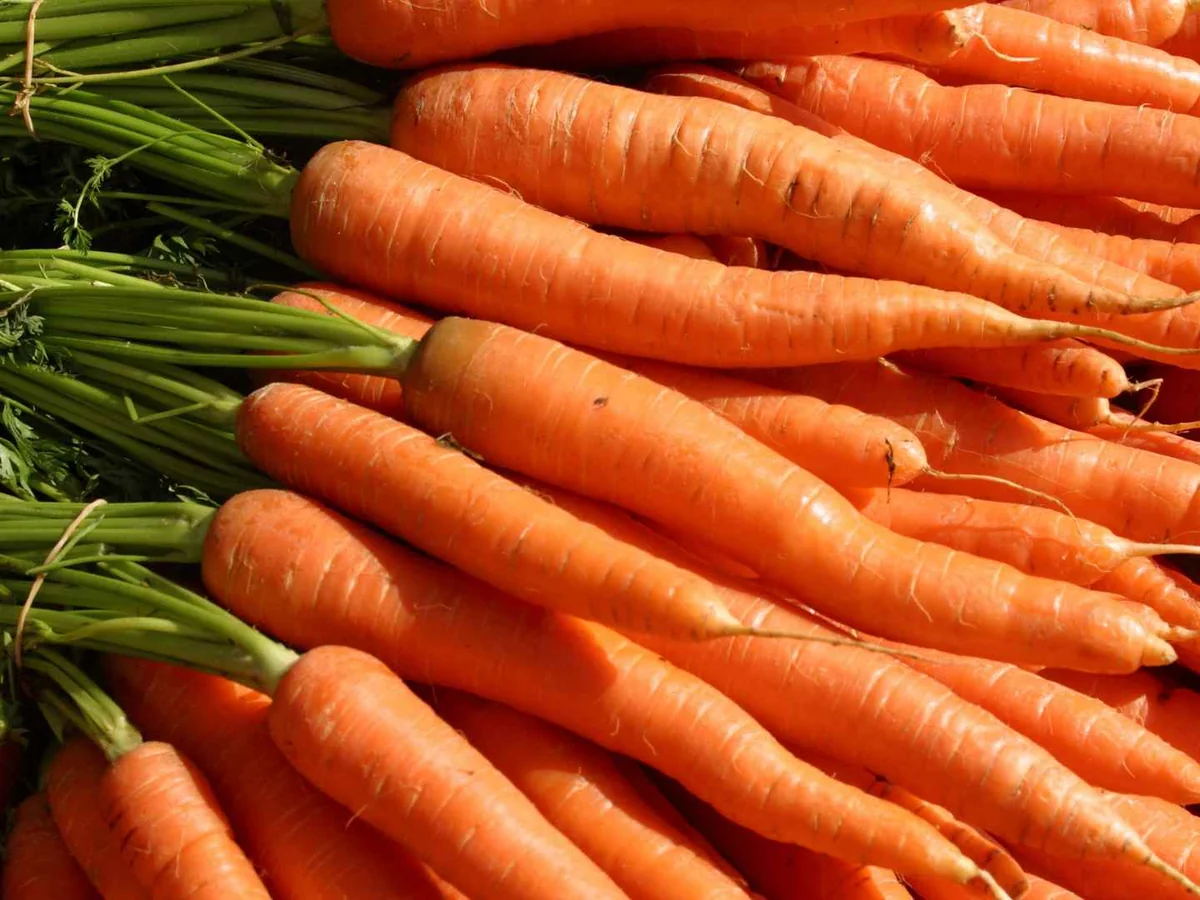
Raw carrot is not a recognized cat toxin, but a thick coin or baby carrot is hard, smooth, and easy to swallow with too little chewing. Kittens, gulpers, cats with dental pain, and cats with swallowing disorders deserve particular caution.
If you offer raw carrot at all, grate a few clean strands or mince them almost to crumbs. Soft cooked carrot is easier, so there is little reason to turn snack time into a jaw-strength demonstration.
The raw carrot guide covers coins, baby carrots, cut size, dips, and choking. Its dog-sized examples are not cat servings.
Signs that need urgent help
- Urgent carrot warning signs include open-mouth breathing, visible choking, blue or pale gums, collapse, and extreme distress.
- A hard carrot piece needs prompt help if gagging, mouth-pawing, heavy saliva, or difficult swallowing continues.
- A carrot incident should not be watched at home through repeated vomiting, poor water retention, or a painful enlarged belly.
- Food refusal, marked lethargy, reduced stool, or straining after a large hard piece.
- Pale gums, weakness, fast breathing, or dark urine after onion- or garlic-seasoned carrots.
Do not push a piece down with food, oil, or water and do not sweep blindly with your fingers. Breathing trouble is an emergency, while a swallowed baby carrot or thick coin deserves prompt veterinary advice.
Frozen carrots are not feline teething toys
A frozen carrot is tooth-hard and can be painful for cats with dental disease, resorptive lesions, or cracked teeth. It is also slippery and can be gulped as it thaws.
Thaw frozen carrot completely, cook it until soft, and cut one tiny piece. Check frozen vegetable blends for onion, garlic, sauce, cheese, butter, and seasoning before sharing.
How much carrot can a cat have?
One pea-sized piece is a reasonable first taste, and there is no benefit to increasing the serving. Carrot contains carbohydrate and natural sugar, and extras add up quickly in a small animal.
The Cornell Feline Health Center explains that cats are obligate carnivores and treats are not complete nutrition. Complete life-stage cat food should remain the foundation.
Too much carrot can cause gas, vomiting, loose stool, diarrhea, or appetite change. Introduce only one new food at a time so any reaction is easier to interpret.
A safe preparation method
- Choose a firm fresh carrot without slime, mold, or decay.
- Wash it under plain running water and trim away greens and damaged areas.
- Peel if the surface is tough, heavily soiled, or difficult to clean.
- Steam or boil until soft, cool fully, and cut one pea-sized piece.
- Serve plain without oil, butter, salt, sugar, broth, sauce, or spice.
The FDA produce-safety guidance recommends washing under running water without soap or detergent, using clean preparation surfaces, and discarding rotten produce. Separate the carrot from raw meat and its utensils.

Carrot peel and leafy tops
Clean peel is not known to be toxic, but long strips are fibrous and can be swallowed as an awkward wad. Remove the peel for the cat’s tiny portion rather than debating its nutritional value.
Carrot greens are not a useful cat treat and can carry soil, fertilizer, pesticide, mold, or plant-identification uncertainty. Compost and garden scraps should stay inaccessible, especially when other plants are mixed in.
The Merck Veterinary Manual obstruction review explains that foreign bodies can cause vomiting, appetite loss, abdominal pain, lethargy, diarrhea, and shock. Do not pull plant fiber from the mouth or anus if it seems anchored.
Baby food and carrot purée
Plain single-ingredient carrot purée has a soft texture, but many baby foods and pouches are blends. Check for onion, garlic, fruit, lemon juice, cereal, dairy, salt, spices, and preservatives before allowing a lick.
Squeeze-pouch caps, foil seals, and plastic corners can become choking or foreign-body hazards. Transfer any tiny approved amount to a dish and put the package away.
Do not feed carrot purée as a complete meal to a sick cat or kitten. Appetite loss in cats can become medically serious, and a sweet vegetable paste is not nutritional support.
Glazed carrots, soup, and mixed dishes
Glazed carrots may contain butter, brown sugar, honey, maple syrup, salt, spices, or alcohol flavoring. The glaze adds calories and ingredients without making the vegetable more valuable to a cat.
Soup and stew can bring onion, garlic, salty broth, fat, meat bones, wine, and hot liquid. A soft carrot cube from a seasoned pot is not plain even when it looks innocent.
Carrot cake can contain raisins, nuts, cream cheese frosting, sugar, spices, and sweeteners, plus paper liners or foil. Inventory the complete recipe and packaging rather than focusing on the grated carrot.
Dips and snack trays
Hummus, ranch, onion dip, cheese dip, and flavored yogurt often contain garlic, onion, chives, salt, dairy, oils, or hot spices. A carrot that has toured the dip bowl needs the dip’s ingredient list.
Party trays also bring skewers, toothpicks, plastic wrap, sauce-cup lids, and rubber bands. A missing nonfood item deserves prompt veterinary advice because sharp or linear foreign bodies can cause severe injury.
Crunchy carrot does not clean feline teeth
A hard carrot may scrape a little food from a tooth, but it is not a proven dental-care tool and can hurt a painful or weakened tooth. Cats commonly develop dental disease below the gumline, where a vegetable cannot reach.
Use brushing, dental products accepted for cats, and professional care recommended by your veterinarian. Bad breath, drooling, dropping food, chewing on one side, pawing at the mouth, or appetite change deserves an oral examination rather than a crunchy snack test.
Can carrots improve vision?
The familiar carrot-and-eyes claim comes from beta-carotene and human nutrition, but cats do not use carrots as a substitute for preformed vitamin A from animal sources. Feeding more carrot will not treat retinal disease, cataracts, hypertension, injury, or sudden blindness.
Sudden vision change, bumping into objects, unequal pupils, eye pain, redness, or cloudiness needs veterinary evaluation. Do not delay eye care to test a vegetable remedy.
Can carrots help constipation or weight loss?
Do not treat feline constipation with carrots unless a veterinarian designed the plan. Straining may reflect dehydration, pain, obstruction, kidney disease, medication effects, neurologic disease, or megacolon, and added fiber can be inappropriate.
For weight loss, cats need a calorie-controlled complete diet with enough protein and nutrients. Our pumpkin guide illustrates similar fiber and purée product traps, but neither pumpkin nor carrot should become a homemade feline weight-loss formula.
Cats that should skip carrots
- Kittens, whose small meals should deliver complete growth nutrition.
- Cats with diabetes, obesity, or tightly controlled carbohydrates and calories.
- Avoid testing carrot tolerance in a cat already managing chronic stomach or intestinal trouble.
- Keep carrot off the snack list when a veterinarian is controlling every ingredient or prescribing the complete diet.
- Hard carrot pieces are especially unsuitable for cats with sore teeth, poor swallowing, pica, or an earlier blockage.
Carrot does not become a potent toxin in every cat on this list. It is simply optional and capable of complicating a deliberate medical plan without providing a proven benefit.
What to do if your cat ate carrots
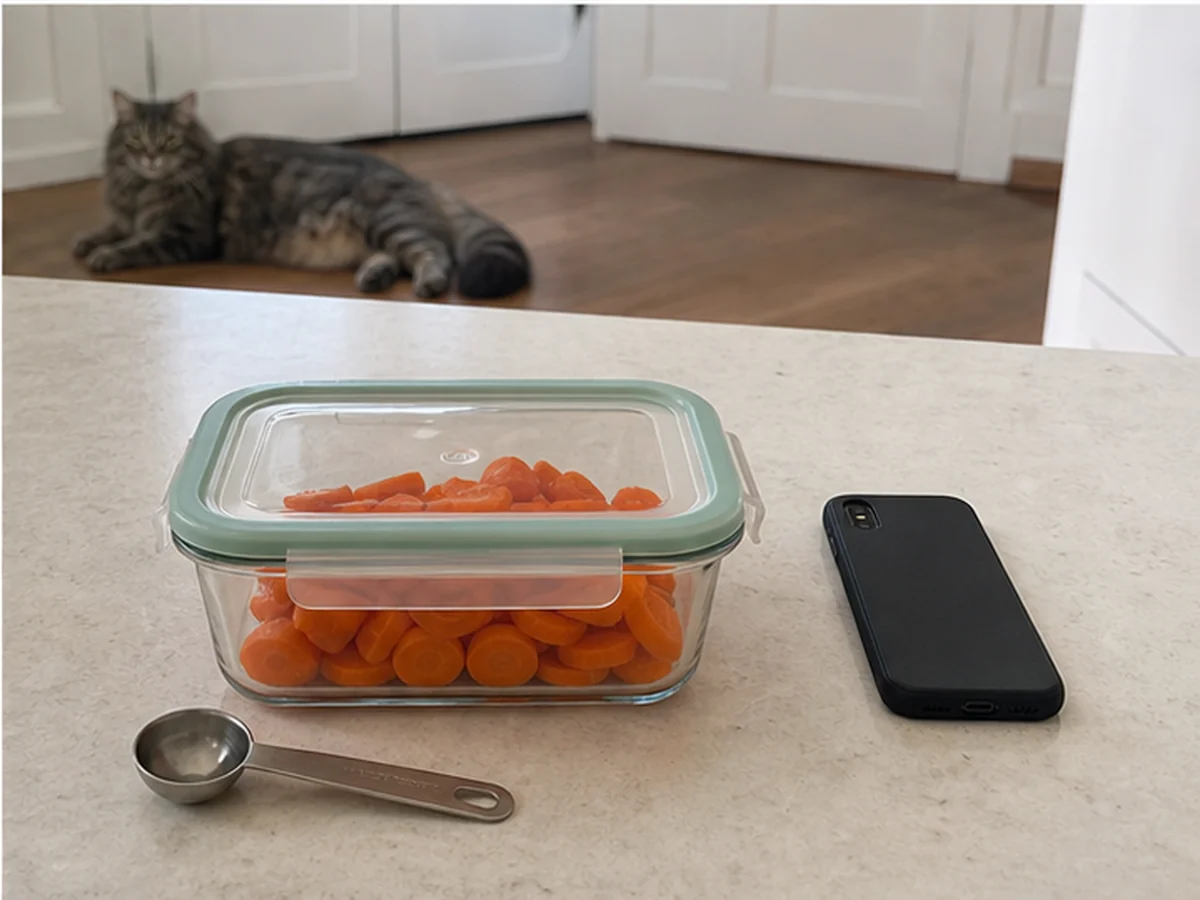
- Remove the carrot, dish, dip, garden material, and packaging.
- After a carrot theft, assess the cat’s breathing, ability to swallow, gum color, awareness, and belly comfort.
- Identify raw, cooked, frozen, puréed, seasoned, glazed, or mixed food.
- Write down the likely carrot portion and exposure time, then set aside the food label or dish recipe.
- Call for choking, a large hard piece, alliums, missing objects, a vulnerable cat, or symptoms.
Never use peroxide, salt, oil, milk, bread, or charcoal after a carrot exposure unless a veterinary professional specifically instructs you. A comfortable cat can reach fresh water, but do not coax or syringe food after carrot-related vomiting.
Frequently asked questions
Can kittens eat carrots?
Kittens do not need carrots, and raw coins or baby carrots are large relative to a kitten’s airway. Use complete kitten food and kitten-appropriate treats.
Can cats eat carrots every day?
Daily carrot is unnecessary and can add carbohydrate while displacing balanced food. Keep any approved taste tiny and occasional.
Can cats eat canned carrots?
Plain canned carrots are soft but may contain substantial sodium. Rinse a tiny piece and avoid products with sauce, broth, onion, garlic, sugar, or seasoning.
My cat swallowed a baby carrot. What now?
Call your veterinarian promptly with the carrot size and time. Gagging, breathing trouble, repeated vomiting, pain, food refusal, lethargy, or reduced stool needs urgent assessment.
The bottom line
One pea-sized piece of plain, soft cooked carrot can be an occasional taste for many healthy adult cats, but it is not needed. Avoid raw coins and frozen chunks, inspect purées and mixed dishes, and call promptly for choking, alliums, foreign material, large amounts, vulnerable cats, or symptoms.