Can Cats Eat Potato Skins? Green Areas, Sprouts, and Toppings
A small piece of thoroughly cooked peel from a fresh, non-green potato is unlikely to poison a healthy cat, but it is not a useful treat. Green skin, sprouts, raw peel, plant parts, large pieces, loaded toppings, grease, and foil can change the situation.
Inspect color, sprouts, and toppings first
Save the remaining potato and determine whether it was green, sprouted, raw, baked, fried, or loaded. Photograph cut surfaces because green pigment and sprouts help the veterinary team assess concern.
Call promptly for green or sprouted potato, plant material, a large raw amount, repeated vomiting, weakness, tremors, confusion, collapse, or a missing foil fragment.
Do not induce vomiting or feed oil, bread, milk, or charcoal without direction. Keep the recipe and produce bag.
Plain cooked peel is mostly a texture issue
Cooking a sound potato softens peel, and one tiny unseasoned piece may pass uneventfully. Potato skin still provides no nutrient a complete feline diet lacks.
The Cornell Feline Health Center emphasizes balanced feline nutrition. A human fiber claim does not create a cat serving.
Trim away every green area and sprout for human cooking, but do not use questionable trim as pet food. Cats should receive their regular diet instead.
Green potatoes signal higher glycoalkaloid concern
Potatoes naturally contain glycoalkaloids such as solanine and chaconine, with greater concentrations possible in green, sprouted, damaged, or bitter tubers. Green chlorophyll itself is a warning sign rather than the toxin.
Cooking does not reliably make a heavily green or sprouted potato appropriate for a cat. Discard it securely and call after ingestion.
Possible signs include drooling, vomiting, diarrhea, abdominal pain, weakness, neurologic changes, abnormal heart rate, or collapse. Exact feline toxic portions are not well established.
Sprouts, eyes, leaves, and stems
Sprouts and above-ground potato plant parts contain more glycoalkaloid than ordinary sound flesh. A cat chewing a house-grown potato vine has not eaten a baked-potato skin.
Photograph the plant and collect fallen sprouts safely. Identify fertilizer, pesticide, potting mix, and decorative stakes too.
The live potato-skin product guide helps distinguish forms, but canine doses and responses do not establish a feline threshold.
Raw peel is harder and less digestible
Raw potato skin is tough, can carry soil, and may retain higher glycoalkaloid exposure than a sound cooked peel. A long strip can also choke or obstruct.
Call about a substantial raw amount, especially from green or sprouted tubers. Repeated gagging, vomiting, food refusal, lethargy, or belly pain needs attention.
The FDA produce guidance supports washing vegetables with running water and clean tools, not soap.
Loaded skins are a mixed dish
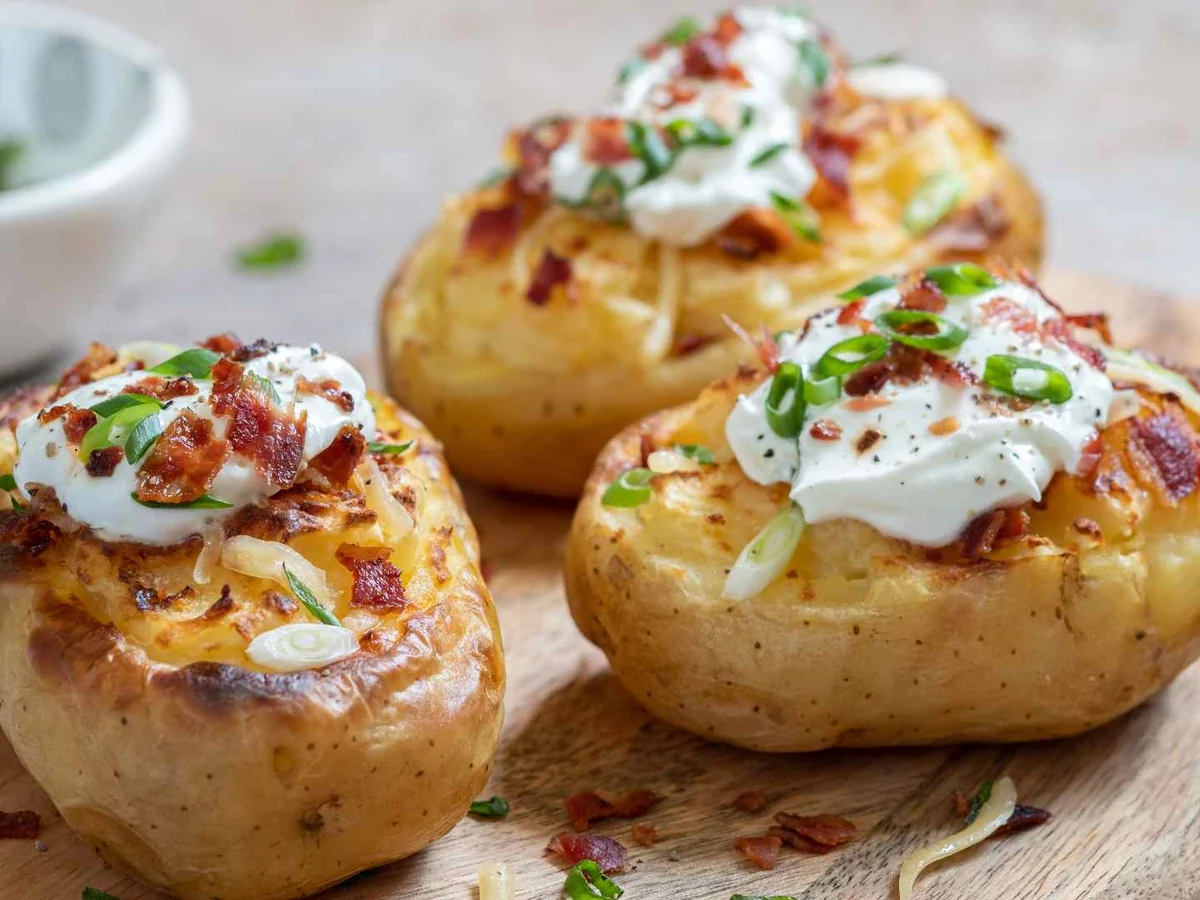
Restaurant potato skins can carry cheese, bacon, sour cream, butter, ranch, onion, chives, garlic, hot sauce, and large amounts of salt and fat. The peel may be the least important item.
Cats are particularly vulnerable to allium-related red blood cell injury. The ASPCA identifies onion, garlic, and chives as foods to avoid.
Call with the ingredient list rather than waiting for pale gums, weakness, rapid breathing, or dark urine. Powdered seasonings count.
Cheese, cream, and butter
Many adult cats digest lactose poorly, and rich dairy can cause gas, vomiting, or diarrhea. Fat and calories also complicate obesity, diabetes, or gastrointestinal disease.
One cheesy crumb is not an instant pancreatitis diagnosis. Persistent vomiting, abdominal pain, hunched posture, lethargy, or food refusal warrants veterinary evaluation.
The cat cheese guide helps separate dairy effects from plant chemistry.
Bacon, salt, and cured toppings
Bacon adds fat, sodium, and sometimes smoke or allium flavor. One tiny bacon-speckled bite is not automatically poison, but a raided platter can be a substantial salty meal.
After a heavily salted potato dish, marked thirst, vomiting, neurologic changes, weakness, or collapse demands urgent care. Leave fresh water available without forcing it.
Report the number of skins and toppings missing, not only the potato weight.
Fried skins and cooking oil
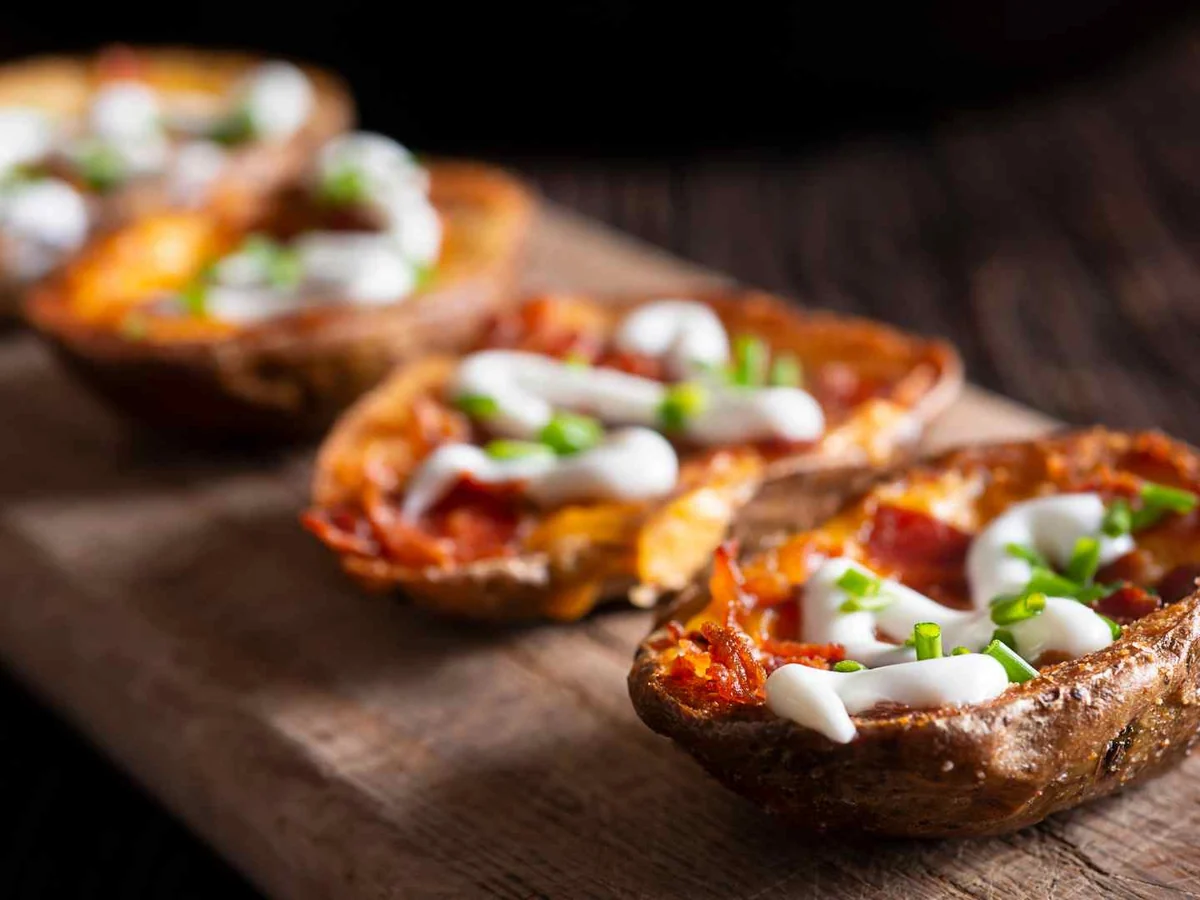
Deep-fried skins are calorie-dense, crisp, and capable of breaking into hard pieces. Hot oil can burn paws, mouth, skin, and eyes.
Cool a minor surface splash with room-temperature water and call for blistering, severe pain, squinting, or inability to eat. Prevent grooming of greasy fur.
Do not apply butter or another oil to a burn. A large greasy exposure needs advice for digestive signs.
Choking and obstruction
A curved leathery skin can fold into a plug, while toothpicks and foil introduce sharper foreign objects. Kittens and cats with dental or swallowing disease have less margin.
The Merck Veterinary Manual describes vomiting, appetite loss, lethargy, pain, and shock among obstruction findings.
Never pull skin, foil, or string protruding from the mouth or anus. Seek emergency help if air movement stops.
Mashed peel and leftover scraps
Peels mixed into mash may be softer but usually carry butter, cream, salt, garlic, gravy, or broth. Sink and disposal scraps can add bones, blades, cleaners, and mold.
Refrigerate leftovers promptly and discard sour, slimy, moldy, or questionable food. Reheating does not erase every spoilage hazard.
Keep compost and trash covered because green trim and sprouts should not cycle back into a cat’s reach.
Cats with medical diets
Kidney disease, heart disease, diabetes, obesity, gastrointestinal illness, food allergy, and prescription diets eliminate any reason to serve potato skins.
Do not use peel as a fiber remedy for constipation. Fiber type, hydration, obstruction risk, and the underlying cause require a veterinary plan.
A cat refusing normal food needs timely care rather than a loaded-potato buffet.
Watching one known sound cooked piece
When the potato was fresh, non-green, fully cooked, plain, and tiny, continue normal meals and water. For potato exposure, track appetite, digestive signs, energy, walking, and belly tenderness.
Call if signs recur, worsen, or include weakness, pain, dehydration, or food refusal. Green, sprouted, raw, plant, and foreign-object exposures do not belong in simple monitoring.
A tiny sound cooked peel is generally low risk, but green color, sprouts, plant parts, toppings, grease, size, and packaging decide the real potato-skin risk.
Air-fryer and microwave preparations
Air-fried skins may use less oil than deep-fried versions but can still carry salt, garlic, and hard crisp edges.
Microwaved peel can remain leathery and form a long strip. Cooking method never clears green color or sprouts.
Read the seasoning and inspect texture before deciding what the cat swallowed.
Potato chips made from skins
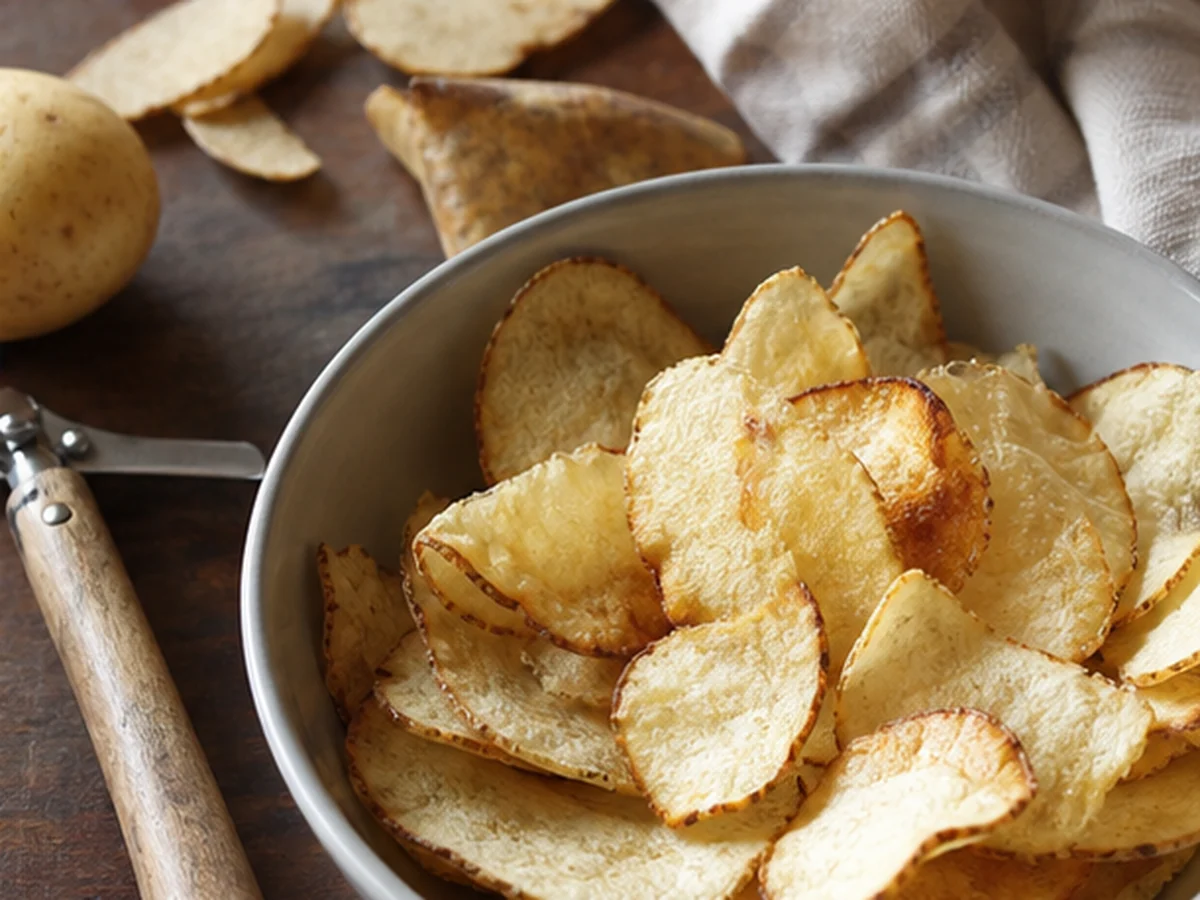
Commercial skin-on chips are fried, salty snacks with flavor powders and bags, not simple produce.
One crumb is usually low risk, while a bag raid or garlic flavor deserves advice.
The cat garlic-powder guide applies when concentrated allium seasoning appears.
Compost and garden access
Compost can contain green peels, sprouts, mold, onion, coffee, bones, and other hazards.
Keep bins latched and identify every missing scrap rather than blaming one potato.
A cat that raids compost and develops tremors or repeated vomiting needs urgent care.
Bitter taste is a warning
Unusually bitter potato can indicate elevated glycoalkaloid content and should not be eaten by people or pets.
Do not taste suspicious scraps to estimate the cat’s experience.
Preserve a sample safely and report bitterness, greening, damage, and sprouting.
Multiple pets at the platter
Separate animals and count remaining skins, picks, and foil before assigning portions.
Report the maximum each pet could have eaten because equal division may underestimate one exposure.
Competition can also encourage a cat to swallow an oversized skin without chewing.
Dental and mouth concerns
Hard fried peel can lodge between teeth or aggravate dental pain.
Drooling, pawing, bleeding, or suddenly dropping food needs an oral examination.
Leave removal of firmly lodged peel or topping debris to a veterinary professional who can protect the mouth and teeth.
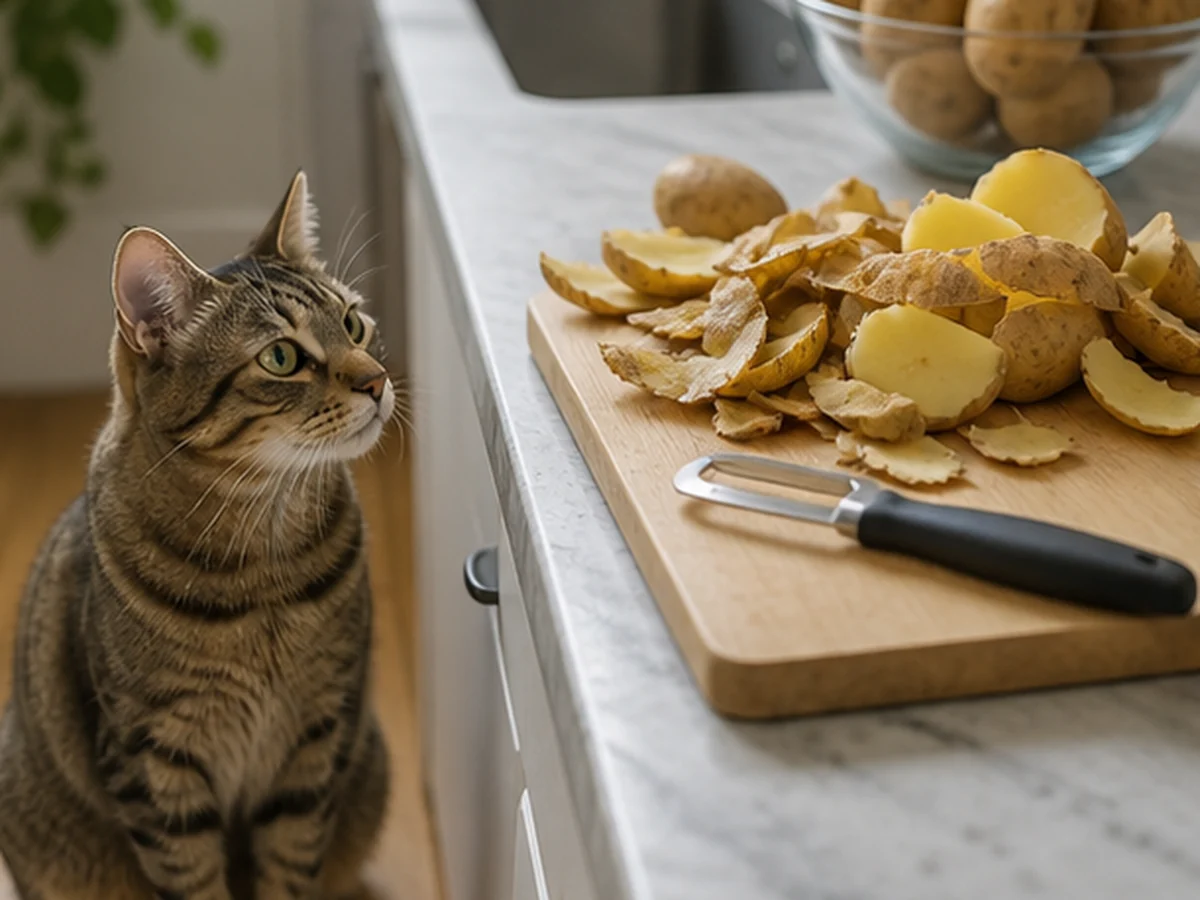
Safe kitchen habits
Store potatoes in a cool dark place according to food guidance and discard green or sprouted ones securely.
Move loaded trays behind a closed door during cooling and account for foil before cleanup.
Offer part of the cat’s regular ration in a puzzle feeder instead of peel.
Potato-skin appetizers may be cut into small boats, but curved edges still fold when swallowed.
Green patches can hide beneath cheese, so inspect the underside of a loaded skin.
A bitter or sprouted potato should be discarded before toppings are added.
Do not use potato peel to hide medication because dosing becomes unreliable.
Foil baked onto grease can tear into small enticing pieces.
Produce bags may also contain twist ties and identification tags.
A cat with neurologic signs after green potato needs immediate transport.
Keep photographs of the tuber until veterinary monitoring ends.
Potato peel used in homemade cat food can unbalance a recipe even when the tuber is sound and cooked. Home-prepared diets require formulation by a veterinary nutrition specialist, because adding scraps changes calories, fiber, minerals, and the proportion of essential animal-derived nutrients.
Photograph green areas in natural light before discarding the potato. Color may look different beneath restaurant toppings, kitchen bulbs, or browned cheese, and a useful image can support the exposure history without delaying a call.
A food scale can improve the amount estimate when a matching untouched skin remains, but weighing should never delay urgent care for neurologic signs or a missing sharp object.
FAQ
Can cats eat baked potato skin?
One tiny plain piece from a fresh non-green potato is generally low risk, but it is unnecessary.
What if the skin was green?
Call because greening can accompany higher glycoalkaloid levels, especially with sprouts or bitterness.
Are loaded potato skins safe?
No. Alliums, dairy, bacon, salt, grease, and toothpicks make the whole dish unsuitable.
Does cooking destroy solanine?
Cooking does not reliably make heavily green or sprouted potatoes appropriate for cats. Discard them.
Bottom line
A tiny sound cooked peel is generally low risk, but green color, sprouts, plant parts, toppings, grease, size, and packaging decide the real potato-skin risk.