Can Cats Eat Pecan Pie? Chocolate, Mold, Fat, and Crust
Do not offer pecan pie to cats. One tiny crumb of ordinary baked filling may only cause digestive upset, but pecans, mold, chocolate, alcohol, sugar-free recipes, rich fat, raw batter, crust, whole nuts, wrappers, and serving utensils can change the response.
Audit the slice before judging it
Save the recipe, bakery label, and package, then estimate missing filling, crust, nuts, toppings, foil, and utensils. Ask whether chocolate, bourbon, raisins, or unusual sweeteners were used.
Call promptly for chocolate, alcohol, moldy nuts, sugar-free filling, raw yeast dough, a large amount, or swallowed foil and picks. Breathing trouble, repeated vomiting, tremors, seizures, collapse, or severe abdominal pain is urgent.
Do not induce vomiting or feed oil, milk, bread, or salt. A pie name cannot replace an ingredient list.
Ordinary pie is rich rather than instantly poisonous
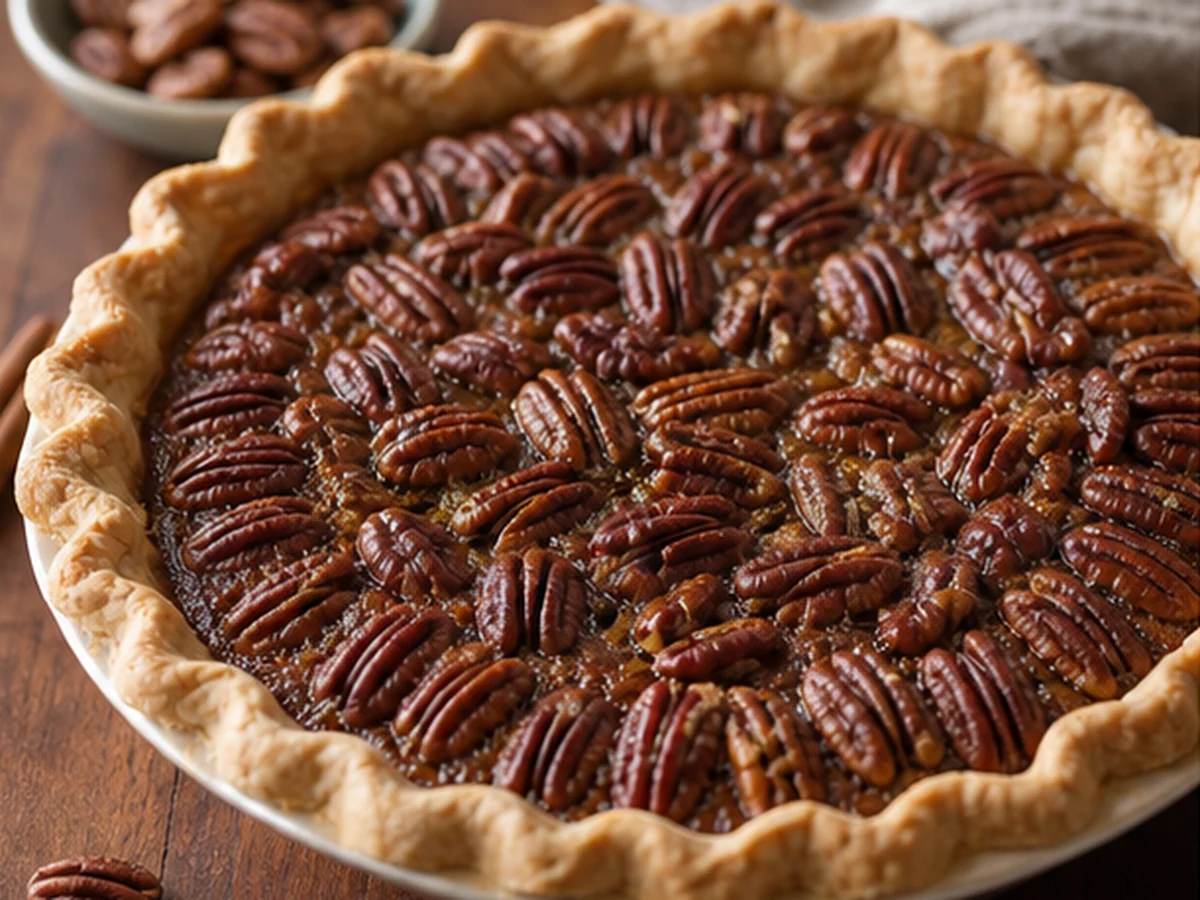
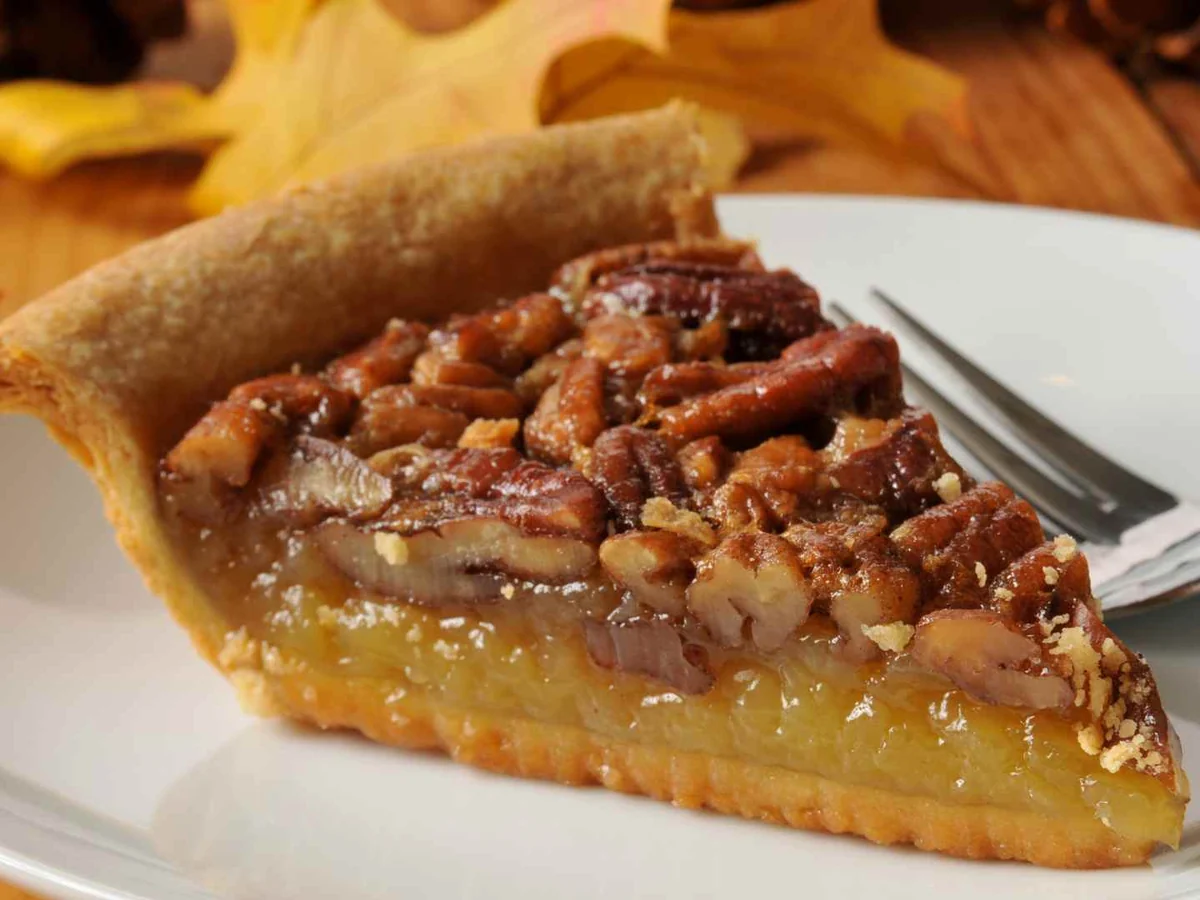
Classic filling commonly includes sugar or syrup, eggs, butter, vanilla, and pecans. One tiny baked crumb does not automatically poison a healthy cat.
It is still unsuitable because it is calorie-dense, fatty, sugary, and nutritionally unbalanced. The Cornell Feline Health Center recommends complete diets and limited treats.
Do not claim one bite causes pancreatitis. Rich food can cause digestive upset, while pancreatitis diagnosis requires veterinary evaluation.
Pecans bring hardness, shell, and spoilage
A pecan piece is not an established feline poison, but whole halves can choke and shell fragments can injure or obstruct. Ground filling reduces shape without removing fat.
Moldy nuts can contain tremorgenic toxins and cause vomiting, tremors, poor coordination, feverish behavior, or seizures. Call urgently after spoiled pecan exposure.
The cat pecan guide covers kernels, shells, mold, and mixed nuts in detail.
Chocolate pecan pie
Chocolate chips, cocoa powder, brownie filling, and dark drizzle introduce methylxanthines that cats metabolize poorly. Cocoa-rich products deserve prompt calculation.
Use the cat chocolate guide to collect cocoa type, amount, time, and cat weight. Call before restlessness, rapid heart rate, tremors, or seizures.
White chocolate has less cocoa stimulant but remains rich. It cannot clear a recipe that also contains coffee or dark-chocolate chunks.
Bourbon and rum pies
Alcohol can remain in filling, sauce, whipped cream, or a post-bake drizzle, with amount depending on recipe and preparation. Cats are small enough that casual assumptions are unsafe.
The cat alcohol guide describes weakness, poor coordination, sleepiness, temperature change, vomiting, and breathing concerns.
Call immediately about meaningful alcohol exposure. Coffee is not an antidote and may add caffeine toxicity.
Sugar-free is not one formula
Alternative pies may use xylitol, erythritol, stevia, monk fruit blends, or sugar alcohols. Read the exact label rather than treating sugar-free as a diagnosis.
Xylitol’s severe hypoglycemia and liver effects are established in dogs, while the FDA notes it does not appear equally dangerous in cats. Do not import canine certainty.
Call about an uncertain feline exposure because chocolate, alcohol, supplements, and other ingredients may still matter.
Fat, butter, and digestive signs
Butter, nuts, eggs, and syrup make pecan pie extremely calorie-dense. A large amount may cause vomiting, diarrhea, abdominal discomfort, and appetite loss.
Cats with obesity, diabetes, pancreatitis history, or chronic gastrointestinal disease deserve individualized advice. Persistent vomiting, pain, lethargy, or food refusal requires care.
The cat butter guide explains rich-food concerns without calling butter a classic toxin.
Raw filling and dough
Unbaked filling may contain raw egg, while crust dough contains untreated flour and considerable fat. Some specialty crusts use yeast.
The FDA advises against raw dough because flour can carry pathogens. Rising yeast dough additionally can expand and produce ethanol.
Call about raw yeast dough immediately and report digestive illness after raw batter. Do not offer raw scraps during baking.
Crust is not harmless packaging
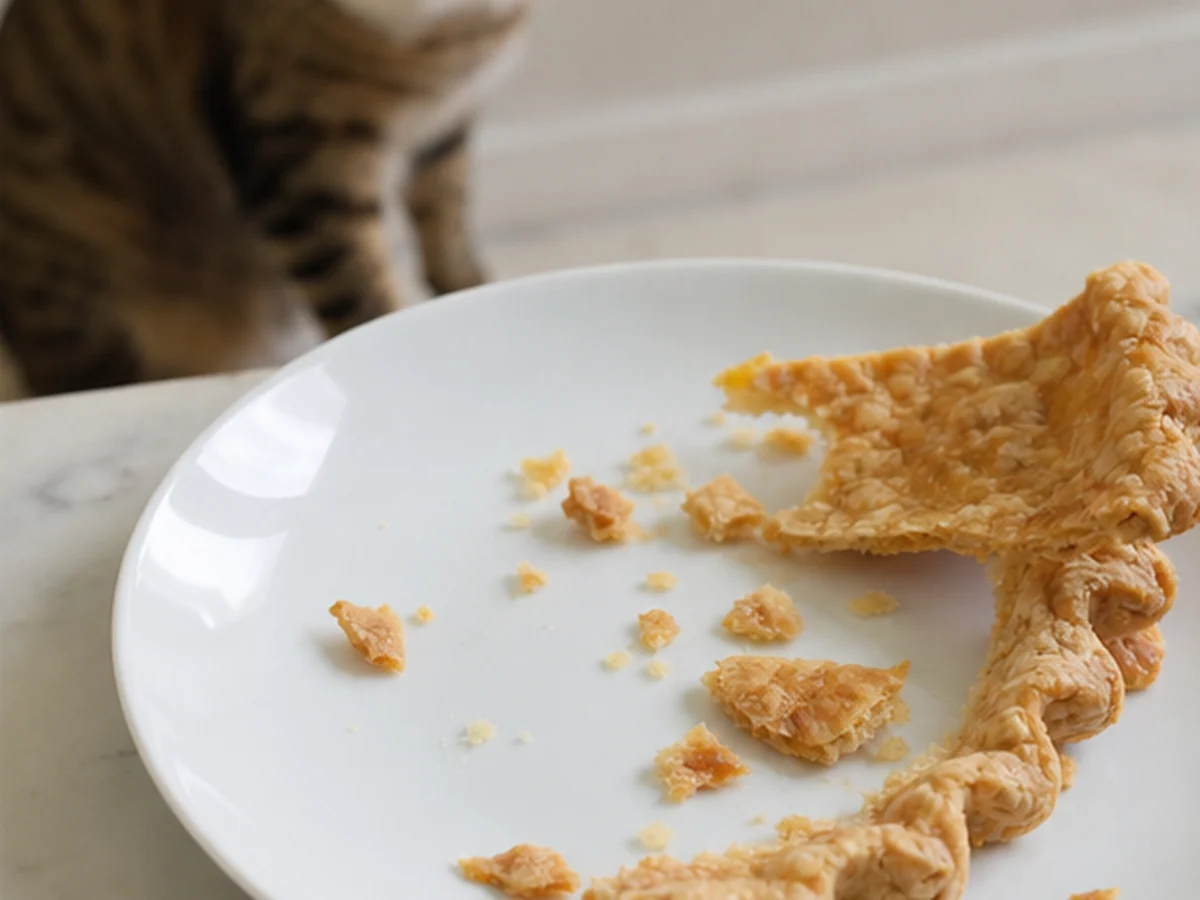
Baked crust mainly adds starch, salt, and fat, while hard edges can be awkward to swallow. Gluten-free crusts may contain nuts or other binders.
Burned or moldy crust belongs in secure trash. A cat that swallowed a large hard piece and later vomits or refuses food needs advice.
Bakery paper, foil pans, plastic domes, and freshness packets can obstruct. Count them before focusing on crumbs.
Toppings widen the recipe
Whipped cream adds dairy and fat, ice cream adds cold chunks and flavorings, and caramel adds sticky sugar. Coffee, chocolate, nuts, cherries, and alcohol may appear as garnish.
Many adult cats digest lactose poorly and may develop gas, vomiting, or diarrhea. A tiny cream lick is different from eating a loaded slice.
Count skewers and decorative picks. A missing point needs urgent veterinary direction.
Storage and holiday leftovers
Egg-rich pie should be handled and stored according to recipe and food-safety directions. A slice left warm overnight is not a treat for avoiding waste.
Discard sour, slimy, fermented, or moldy pie securely. Reheating does not reliably erase every spoilage hazard.
Multiple pets may share a raid, so report the maximum each could have eaten rather than dividing the missing portion evenly.
Medical diets and monitoring
Diabetes, obesity, kidney disease, food allergy, gastrointestinal illness, and prescription diets eliminate any reason to serve pie. Do not use filling as a pill pocket.
After one confirmed ordinary baked crumb, continue normal meals and water while watching appetite, energy, vomiting, stool, and abdominal comfort.
A tiny plain baked crumb may stay uneventful, but mold, chocolate, alcohol, sweeteners, raw dough, whole nuts, and packaging deserve immediate attention.
Corn syrup, maple syrup, and molasses
Different recipes use corn syrup, maple syrup, molasses, brown sugar, or combinations. These sweeteners are not classic feline toxins in a crumb, but they create a sticky calorie-dense filling.
Large sugary exposures can cause vomiting or diarrhea and are especially unsuitable for diabetic cats. Blot a small syrup patch from the coat with a water-dampened cloth before the cat can lick it clean.
Do not use a syrup’s human mineral or natural-food reputation to claim feline benefit. The pie remains dessert.
Coffee, espresso, and mocha versions
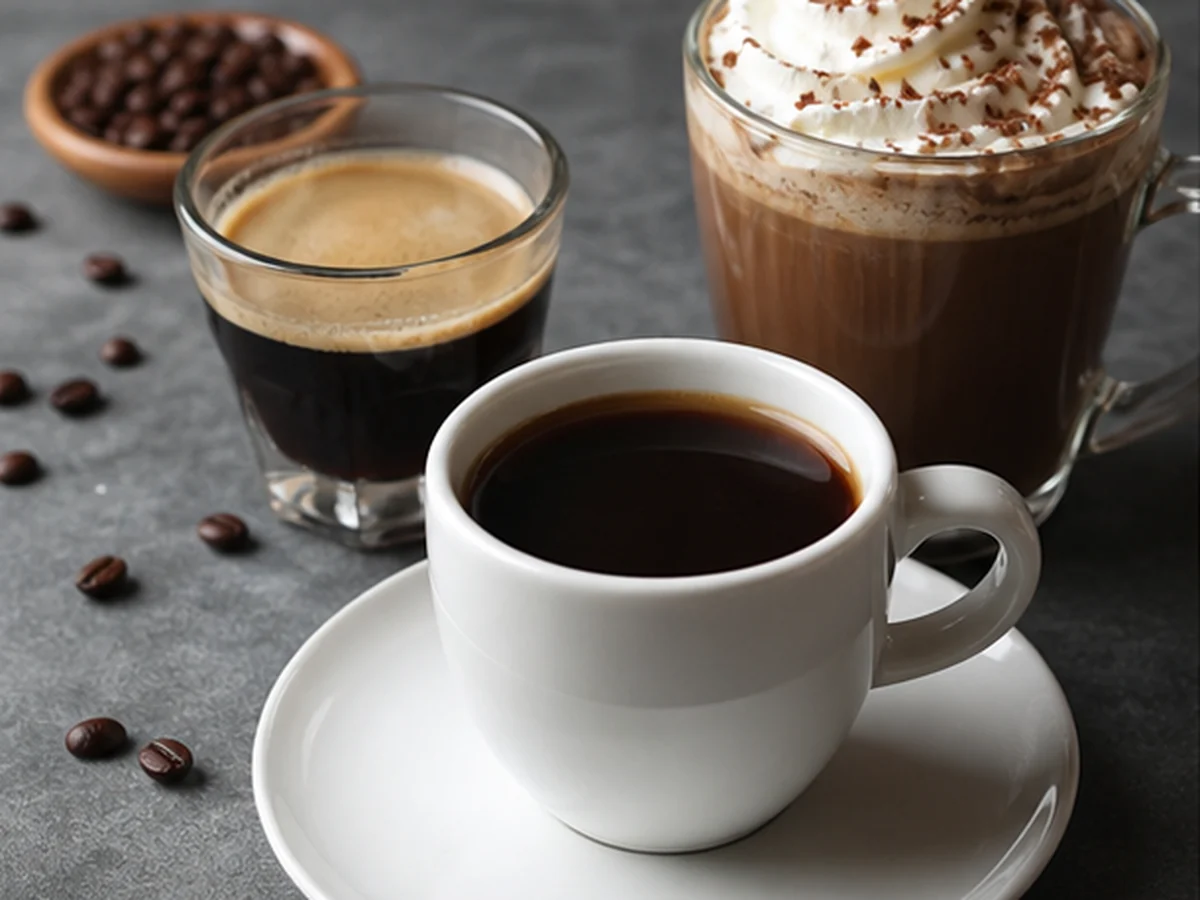
Some chocolate pecan pies add espresso powder or coffee liqueur. Caffeine can cause dangerous restlessness, rapid heartbeat, temperature elevation, tremors, and seizures.
The FDA pet-hazard guide includes caffeine and chocolate among household dangers. Call immediately with the recipe and amount.
Do not try to counter sedating alcohol with stimulating coffee. The veterinary team must manage each ingredient safely.
Vegan and gluten-free pies
Vegan pie removes some animal ingredients but can still contain cocoa, nuts, alcohol, sugar, oils, and alternative sweeteners. Gluten-free crust may use almond or other nut flour.
Neither label means cat-safe, low-fat, or nutritionally complete. Read the entire ingredient list and identify every flour, binder, and topping.
Food-allergic cats on elimination trials should receive no bakery dessert. One novel crumb can confuse weeks of controlled feeding.
Pie servers, forks, and holiday décor
A raided dessert table may include sharp servers, forks, candles, ribbon, artificial berries, toothpicks, and broken plates. Inventory the scene before washing dishes.
A puncture, swallowed ribbon, missing candle, or broken glass can outrank the filling exposure. Keep the cat quiet and seek urgent instructions.
Photograph the table and save packaging until every pet is accounted for. Holiday chaos is not the time to trust memory.
A more useful calorie perspective
A human slice represents a large energy load for a cat, even before ice cream or cream is added. Regular scraps can quietly contribute to weight gain.
The FDA label guide helps interpret commercial pie serving size, but the veterinarian can put calories in feline context.
Reserve a small amount of normal food for the cat’s celebration. Participation does not require eating the centerpiece.
When monitoring stops being enough
One ordinary baked crumb with no chocolate, alcohol, specialty sweetener, mold, or foreign object may only require observation. Confirm every exclusion rather than assuming.
Move to a call for repeated vomiting, pain, weakness, lethargy, food refusal, neurologic signs, or any uncertain recipe. Cats should not be fasted all day without veterinary direction.
Write down changes and keep water available. A calm, accurate history helps more than trying several home remedies.
Pecan pie bars, mini tarts, and bite-size candies can be easier for a cat to carry away than a full slice. Small format does not guarantee low exposure because a compact piece may contain concentrated filling, chocolate, or a whole nut.
Check beneath furniture for the missing bite and for its paper liner. A grease-soaked mini-cup can be swallowed after the dessert itself is gone.
If a bakery cannot provide an ingredient list immediately, report the product name and every visible addition while seeking it. Do not delay an urgent chocolate or alcohol call for perfect documentation.
Refrigerated and frozen commercial pies may include preservatives, stabilizers, or separate topping packets not found in a home recipe. Read both the outer carton and the tray label before discarding anything.
A frozen slice can be a hard choking object and may damage teeth. Let human servings thaw as directed while keeping the cat away from the counter.
FAQ
Will one bite of pecan pie poison a cat?
A tiny ordinary baked crumb may not cause serious illness, but check chocolate, alcohol, sweeteners, mold, and packaging.
Can pecan pie cause pancreatitis?
Rich food can contribute to digestive illness, but one bite does not justify an instant diagnosis. Persistent pain, vomiting, or food refusal needs care.
What if the pie was sugar-free?
Save the label and call. Do not transfer dog xylitol certainty to cats, and assess every other ingredient.
Are moldy pecans dangerous?
Yes, some molds can produce toxins causing tremors or seizures. Seek urgent advice after moldy nut exposure.
Bottom line
A tiny plain baked crumb may stay uneventful, but mold, chocolate, alcohol, sweeteners, raw dough, whole nuts, and packaging deserve immediate attention.