Can Cats Eat Rhubarb? Toxic Leaves, Stalks, Oxalates, and Urgent Signs
Rhubarb leaves are toxic to cats and should trigger an immediate call to a veterinarian or animal poison service. The familiar stalk is much lower concern than the leaf, but a stolen pie filling still brings sugar, other fruits, raw dough, seasonings, and packaging into the assessment, so identify the plant part first.
Leaf, stalk, root, or dessert?
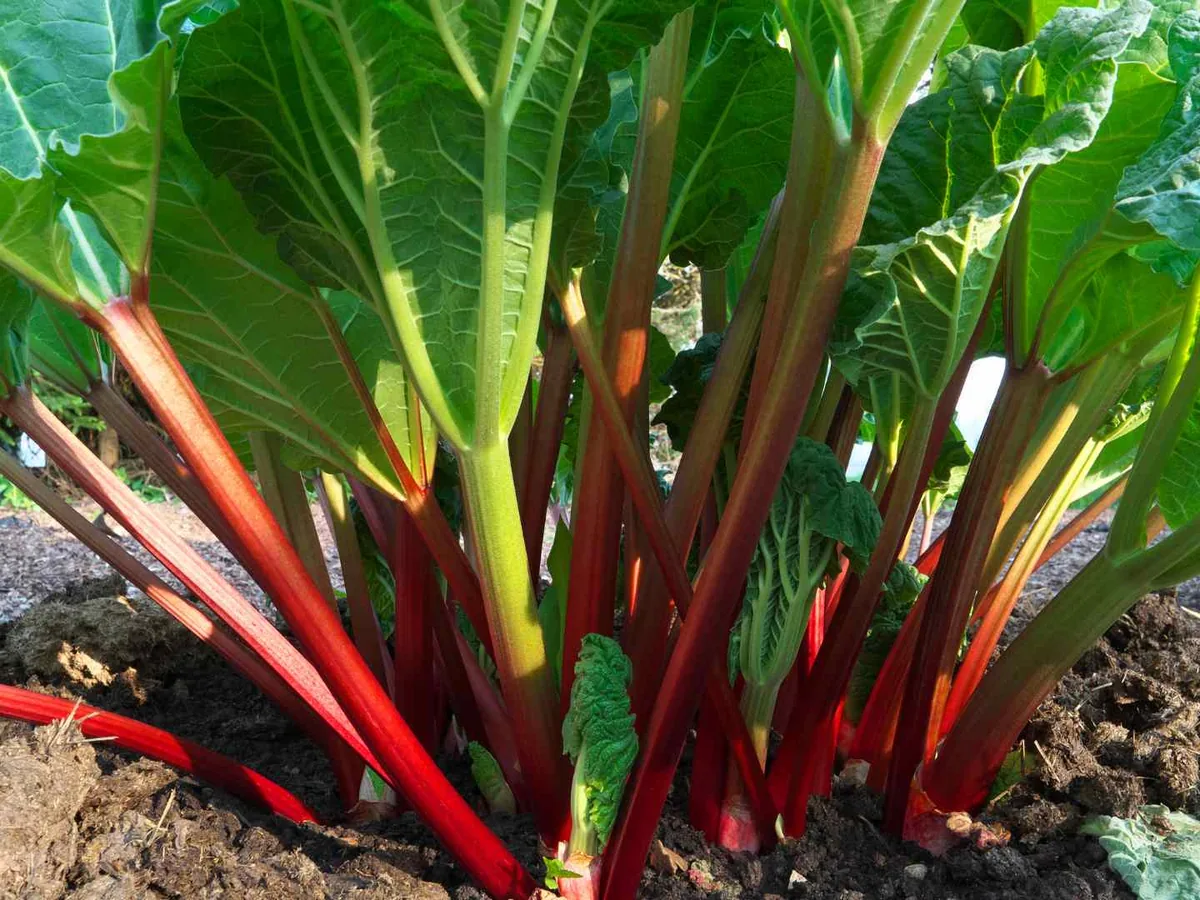
Rhubarb is one of those foods where the green top and red stalk should not share a casual answer. Before trimming the plant or wiping the floor, photograph what remains and estimate which part, how much, and when the cat reached it.
| Exposure | How to treat it |
| Leaf or leaf-heavy garden cutting | Urgent poison consultation |
| Root or crown | Non-food plant material, call promptly |
| Tiny lick of washed stalk juice | Lower concern, ask if signs or uncertainty |
| Large amount of raw stalk | Digestive and oxalate assessment |
| Cooked pie or compote | Recipe, portion, heat, and packaging assessment |
| Unknown ornamental plant | Identify the plant before using rhubarb advice |
Soluble oxalates make the leaves dangerous
The ASPCA lists rhubarb as toxic to cats because of soluble calcium oxalates, with kidney failure, tremors, and salivation among the reported signs. Soluble oxalates can be absorbed and bind calcium, creating risks that extend beyond irritation in the mouth.
The effect can include low blood calcium and kidney injury, depending on the plant part, amount, and patient. Do not try to calculate a safe number of leaf bites from a human oxalate table, since feline dose information and plant concentrations are not that tidy.
Why the stalk gets a different sentence
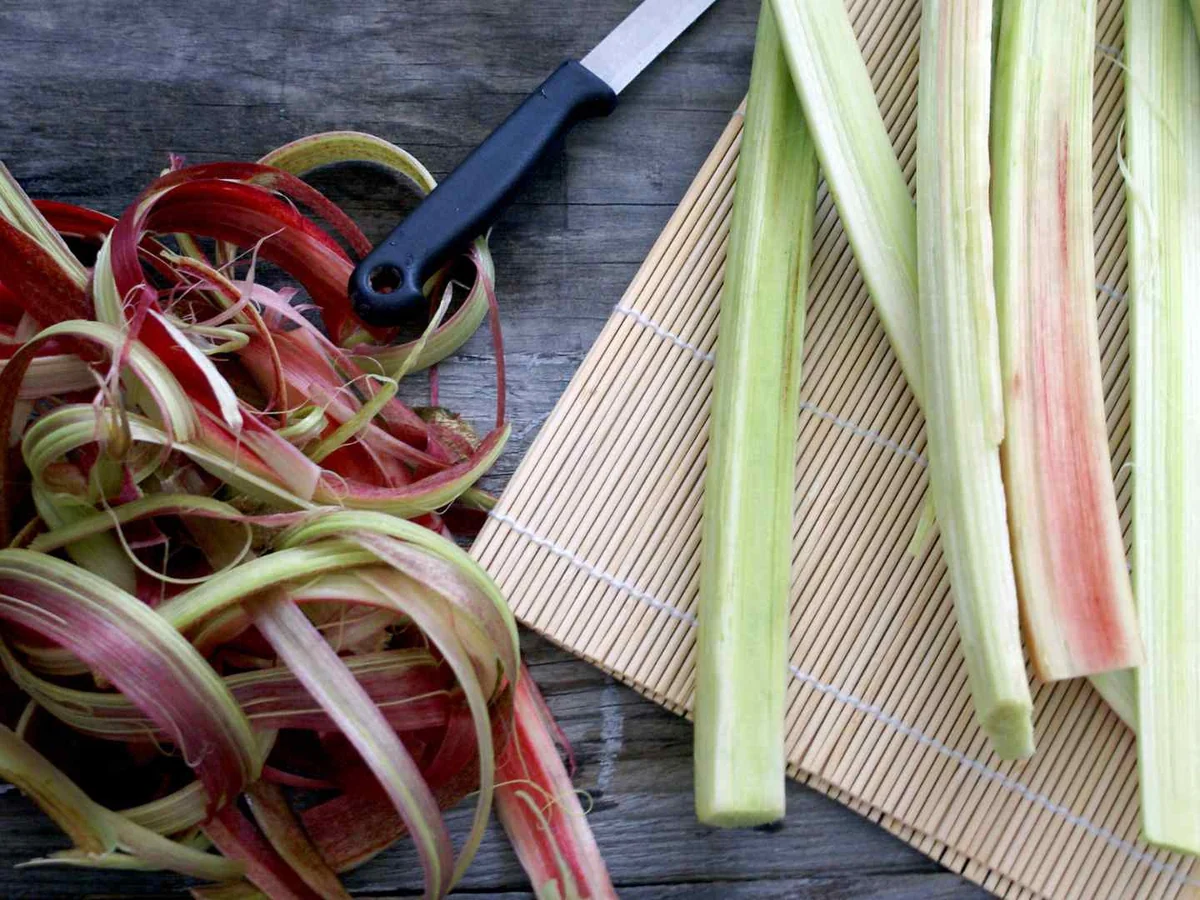
The Merck Veterinary Manual’s soluble-oxalate section describes garden-rhubarb stalks as edible and not a concern, while the toxic foliage remains the priority. That distinction is useful for triage, but it is not a recommendation to make stalks into cat treats.
Raw stalk is stringy, acidic, and likely to be unpleasant, while a wide strip could still be swallowed awkwardly. A large stalk exposure, a cat with kidney disease, or any abnormal sign deserves case-specific advice even when no leaf is visible.
Oxalate numbers vary too much for confident kitchen math
Oxalate content changes with plant tissue, variety, growing conditions, and measurement method. A peer-reviewed review of food oxalate data found wide variation in reported rhubarb values, reinforcing why a generic internet chart is a poor feline dose calculator.
Tell the professional whether the plant was homegrown, purchased, cooked, frozen, or dried and which tissues were available. A photograph of the cut surface and leaf pile can be more useful than remembering whether the stalk looked “extra red.”
Signs that should send you to urgent care
- Heavy drooling, repeated vomiting, marked weakness, or refusal to eat
- Muscle twitching, tremors, poor coordination, seizures, or collapse
- Abnormal breathing, a very slow or irregular heartbeat, or profound lethargy
- Major changes in thirst or urination, straining, or little to no urine
- Any worsening sign after a known or possible rhubarb-leaf exposure
Do not wait for the full list, since treatment decisions can be time-sensitive and early signs may be nonspecific. Bring a safely bagged plant sample or clear photograph, but keep the cat away from additional leaf pieces during collection.
No home antidote can make the leaf disappear
Do not induce vomiting and do not give peroxide, salt, milk, calcium tablets, antacid, oil, activated charcoal, or extra water unless a veterinarian directs a specific step. A well-meant mineral supplement cannot safely correct a calcium or kidney problem without examination and laboratory information.
Veterinary professionals may assess electrolytes, kidney values, heart rhythm, hydration, and urine, then choose decontamination or supportive care appropriate to the patient. Those choices belong in a clinic, not in a kitchen with a frightened cat and a measuring spoon.
The pie filling is often less botanical and more bakery
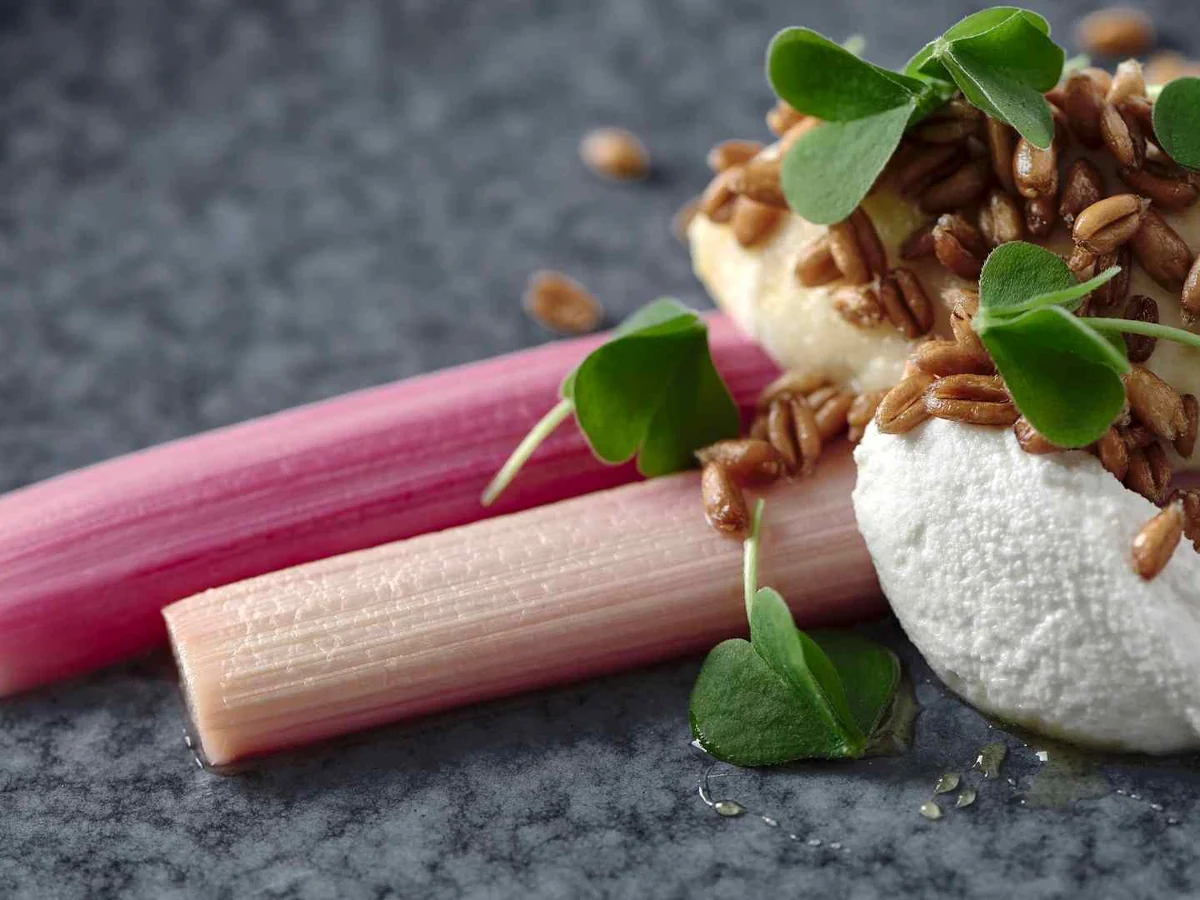
Rhubarb pie, crumble, jam, and compote usually contain substantial sugar because the stalk is tart. Recipes may also include strawberry, apple, butter, dairy, raw or baked dough, spices, alcohol, sweeteners, nuts, or raisins.
A lick of cooled filling made only from stalk is not equivalent to chewing leaves, but the whole recipe still needs review. If strawberry is present, the site’s strawberry guide offers texture context without declaring the mixed dessert safe.
Hot filling can cling to the mouth
Boiling jam and fresh pie filling hold heat and can stick to the tongue or palate. Sudden drooling, mouth pawing, crying, repeated swallowing, or refusal of food after a pan raid may indicate a burn and warrants prompt veterinary advice.
Do not apply butter, ice, ointment, essential oil, or human numbing gel to oral tissue. Cool pans behind a closed door and place spoons where a cat cannot hook them down by the handle.
Garden access is where prevention earns its keep
Rhubarb leaves are broad, low, and easy for an outdoor cat to investigate, while cut leaves can remain accessible in a bucket or wheelbarrow. Fence the bed, supervise garden time, and move trimmings directly to a secure waste stream rather than leaving a wilted pile beside the path.
Fertilizer, weed killer, slug bait, insecticide, plant ties, landscape fabric, and sharp stakes can accompany the plant. Record every product used in the area because a chemical exposure may change urgency and treatment independently of the rhubarb.
Compost does not neutralize a toxic plant on schedule
A home compost heap may contain fresh rhubarb leaves, moldy food, coffee grounds, onion scraps, fruit pits, fermentation products, string, and compostable bags. Decomposition is not a reliable safety process, and a warm pile can smell more interesting as it becomes less identifiable.
Use a latched bin that excludes pets and wildlife. If a cat enters compost, describe every plausible ingredient rather than selecting rhubarb as the only suspect because its leaf was easiest to recognize.
Florists and foragers can create identification mistakes
Rhubarb-like leaves can be confused with other large-leaved plants, and decorative foliage in bouquets may arrive without a consumer label. Do not taste a plant or rely on a phone image match to decide a cat is safe.
Contact a veterinarian or poison service while seeking reliable botanical identification from the nursery, florist, extension service, or product tag. Keep a sample away from children and animals, and wash hands after handling unknown sap or garden chemicals.
A precise emergency call takes five facts
- Plant part: leaf, stalk, root, crown, seed, or unknown material.
- Amount: bite marks, missing surface area, number of pieces, or best conservative estimate.
- Timing: earliest and latest possible access, plus whether the cat has eaten since.
- Patient: weight, age, kidney history, medications, and current signs.
- Context: recipe ingredients, garden products, packaging, compost, and other missing objects.
Keep the phone nearby during transport in case the clinic needs an update, but do not delay departure to perfect the estimate. A rough photograph with a coin or ruler for scale is usually better than a long search for the original plant catalog.
The safer sharing option contains no rhubarb
Cats do not need rhubarb’s fiber, vitamin content, color, or tart flavor. A measured commercial cat treat or a few pieces from the normal ration offers attention without bringing leaves, stringy stalk, sugar, or a hot baking dish into the negotiation.
For everyday feeding, use a product bearing an appropriate nutritional adequacy statement rather than a garden harvest. The FDA’s guide to complete and balanced pet food explains why isolated produce cannot substitute for a formulated feline diet.
Frozen stalks, juice, and powders deserve product-level checks
A bag of frozen chopped stalk is easier to mistake for leaf-free and ready-to-use, but it may still contain hard icy pieces, a torn bag strip, or another fruit in the blend. Thawing changes temperature and texture without turning rhubarb into a feline ingredient.
Concentrated rhubarb juice, bitters, extract, supplement powder, and herbal tea are not equivalent to a lick of cooked stalk filling. Call with the exact concentration, serving instructions, other botanicals, alcohol content, sweetener, amount, and product lot.
When a mixed fruit compote is involved, use the fruit overview to inventory every component and the pumpkin pie guide for pastry-style recipe hazards. Neither comparison overrides the urgency of a possible rhubarb leaf.
If more than one pet had access, record each animal’s species, weight, likely bite, and signs separately rather than dividing the missing leaf evenly. Dogs and cats may chew different tissues, and one animal can carry a leaf away before another consumes it.
Check the mouth only if it can be done safely and without delaying the call; do not pull deeply lodged material from an alert cat. Bag loose fragments for identification, wash plant residue from your hands, and keep transport carriers away from the remaining harvest.
Frequently asked questions
My cat bit a rhubarb leaf but seems normal. Should I call?
Yes, call immediately because the leaves contain soluble oxalates and a normal first impression does not rule out developing electrolyte or kidney effects. Report the bite size, time, cat’s weight, and any saliva, vomiting, weakness, tremor, or urine change.
Can cats eat cooked rhubarb stalk?
The stalk is much lower concern than the leaf, but it is acidic, unnecessary, and usually cooked with sugar and other ingredients. Do not deliberately offer it, and review the full recipe after a theft.
Does cooking make rhubarb leaves safe?
No household cooking method should be used to turn rhubarb leaves into pet food. Keep leaves out of soups, infusions, compost access, and animal bowls.
What if I cannot tell whether the piece was leaf or stalk?
Treat the uncertainty seriously and call a veterinarian or animal poison service now. Share photographs of the plant, cuttings, plate, and missing area rather than waiting for symptoms to identify the tissue.
Bottom line
Rhubarb leaves are the urgent toxic exposure because of soluble oxalates; stalks are far lower concern but still make poor cat food. Identify the plant part, save the recipe or garden-product details, avoid home remedies, and call immediately for leaves, uncertainty, or concerning signs.