Can Cats Eat Squash? A Cat-Safe Guide to Varieties, Bitterness, Rinds, and Recipes
Small amounts of plain, soft, non-bitter cooked edible squash are generally low risk for healthy cats, but squash is optional rather than necessary. Variety, intense bitterness, hard rind, seeds, raw texture, seasoning, garden origin, spoilage, and serving size decide whether a stolen piece is simple or urgent.
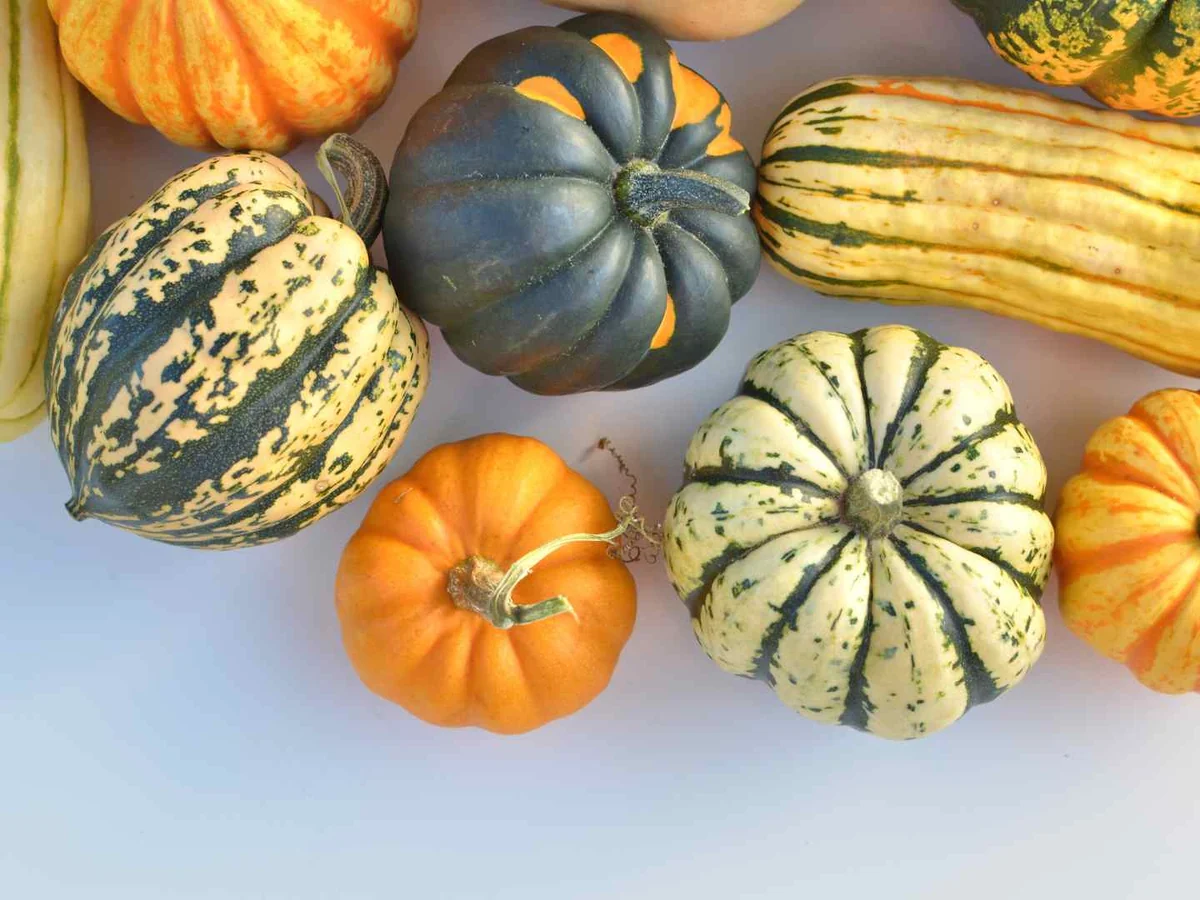
Name the squash before judging it
Photograph the whole fruit, cut surface, plant, produce label, or seed packet. Record grocery, farmers market, garden, volunteer vine, decorative display, or prepared dish.
Identify raw or cooked, bitter or normal, flesh or rind, seeds, oil, sauce, spices, and amount. Ornamental gourds should never be treated as edible squash.
Call promptly after bitter squash or for severe vomiting, diarrhea, bloody stool, collapse, abdominal pain, breathing trouble, or missing hard pieces. Do not induce vomiting.
The useful short answer
A few soft bites from a correctly identified edible squash may pass uneventfully. Squash does not replace meat-based complete feline nutrition, even when a human recipe calls it a superfood.
Cornell’s cat-feeding guidance explains species-specific nutritional needs. Balanced cat food should remain the meal and treat foundation.
Introduce no new human food during vomiting, diarrhea, an elimination trial, or a prescription diet without veterinary approval.
Bitter squash is the exception that matters
Cucurbitacins are intensely bitter defensive compounds that can occur at high levels in inedible gourds and rare garden or commercial squash. They can cause rapid, sometimes severe gastrointestinal illness in people.
ANSES warns that bitter inedible gourds remain hazardous after cooking. Feline dose data are limited, so call rather than importing a human or dog threshold.
If squash tastes abnormally bitter, spit it out, stop serving it, secure the entire fruit, and contact a veterinarian after feline ingestion. Do not try another cooked piece.
Summer squash: zucchini, yellow, and pattypan
Young summer squash has tender skin and higher water content. Plain cooked zucchini or yellow squash is usually easier to chew than dense winter varieties.
The cat zucchini guide covers flowers, garden plants, noodles, and products. Bitter flavor still overrides the usual low-risk answer.
Raw rounds and thick sticks can choke, especially in kittens or cats with dental trouble. Grilled pieces may carry oil, garlic, onion, or char.
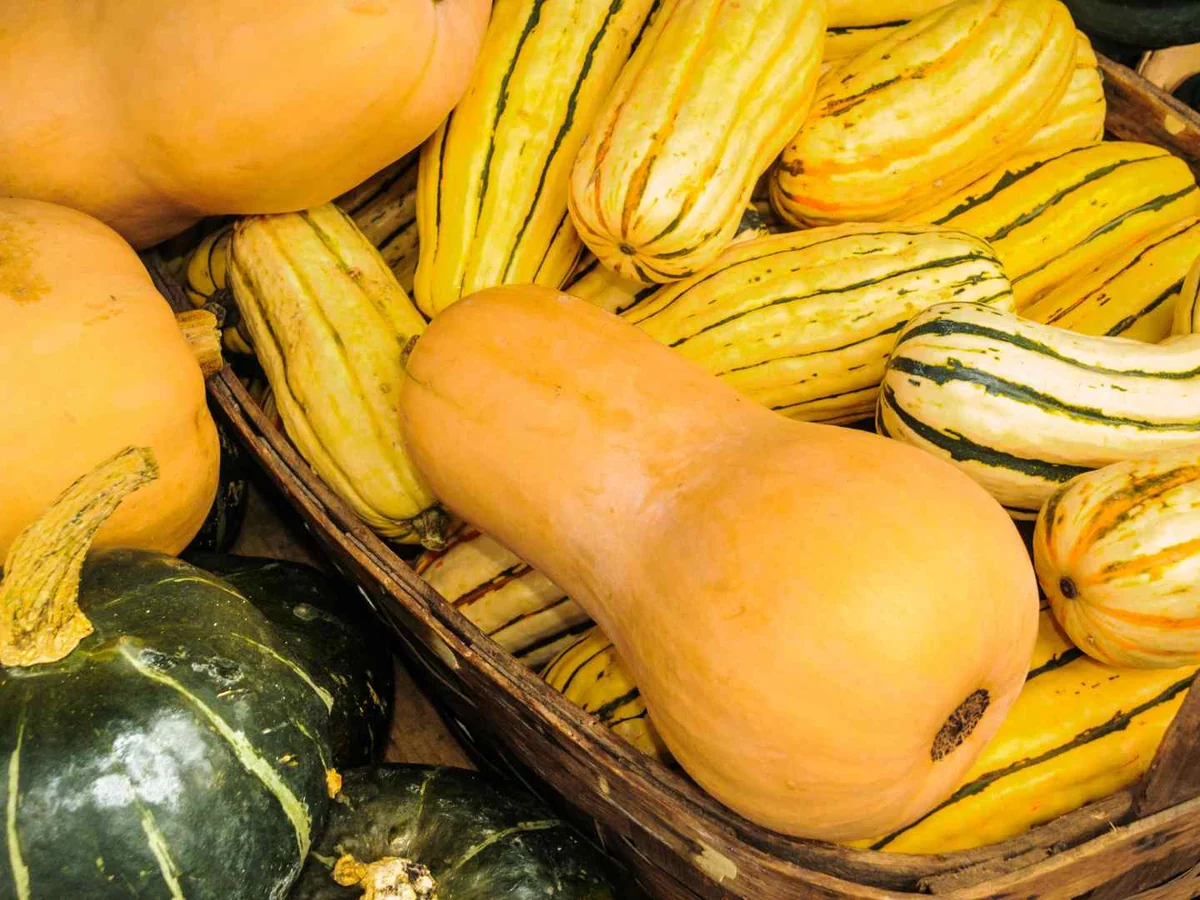
Winter squash: butternut, acorn, kabocha, and delicata
Mature winter squash has dense flesh, a seed cavity, and often a hard shell. Cooking until soft reduces the chewing problem but does not make rind digestible.
The cat butternut guide addresses cubes, puree, peels, and recipes. Acorn and kabocha need the same product-specific checks rather than assumed identical portions.
Delicata skin is edible for people when cooked, yet that fact does not make a strip useful to cats. Remove firm skin and serve no planned portion unless approved.
Pumpkin is part of the family, not one remedy
Pumpkin, canned puree, pie mix, decorative carving fruit, seeds, and rind are distinct exposures. Plain puree is not the same as sweetened spiced filling.
The cat pumpkin-puree guide explains fiber trials and can storage. Do not reach for a spoon whenever stool changes.
Constipation, diarrhea, straining, dehydration, obstruction, and urinary blockage require diagnosis. Male cats repeatedly visiting the box without urine need emergency care.
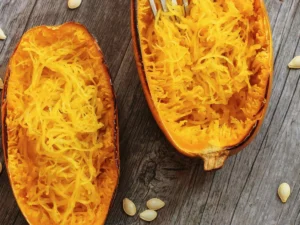
Spaghetti squash has string and sauce problems
Cooked spaghetti squash separates into long strands that can tangle with cheese, meat, herbs, or packaging. Tough raw pieces and shell fragments remain foreign-object concerns.
The spaghetti-squash guide covers cucurbitacin bitterness in detail. A noodle-shaped vegetable is not permission to copy a pasta meal.
Cut or mash only if a veterinarian has approved a tiny taste. Never offer strand bundles from garlic butter or meat sauce.
Rinds, stems, and chunks
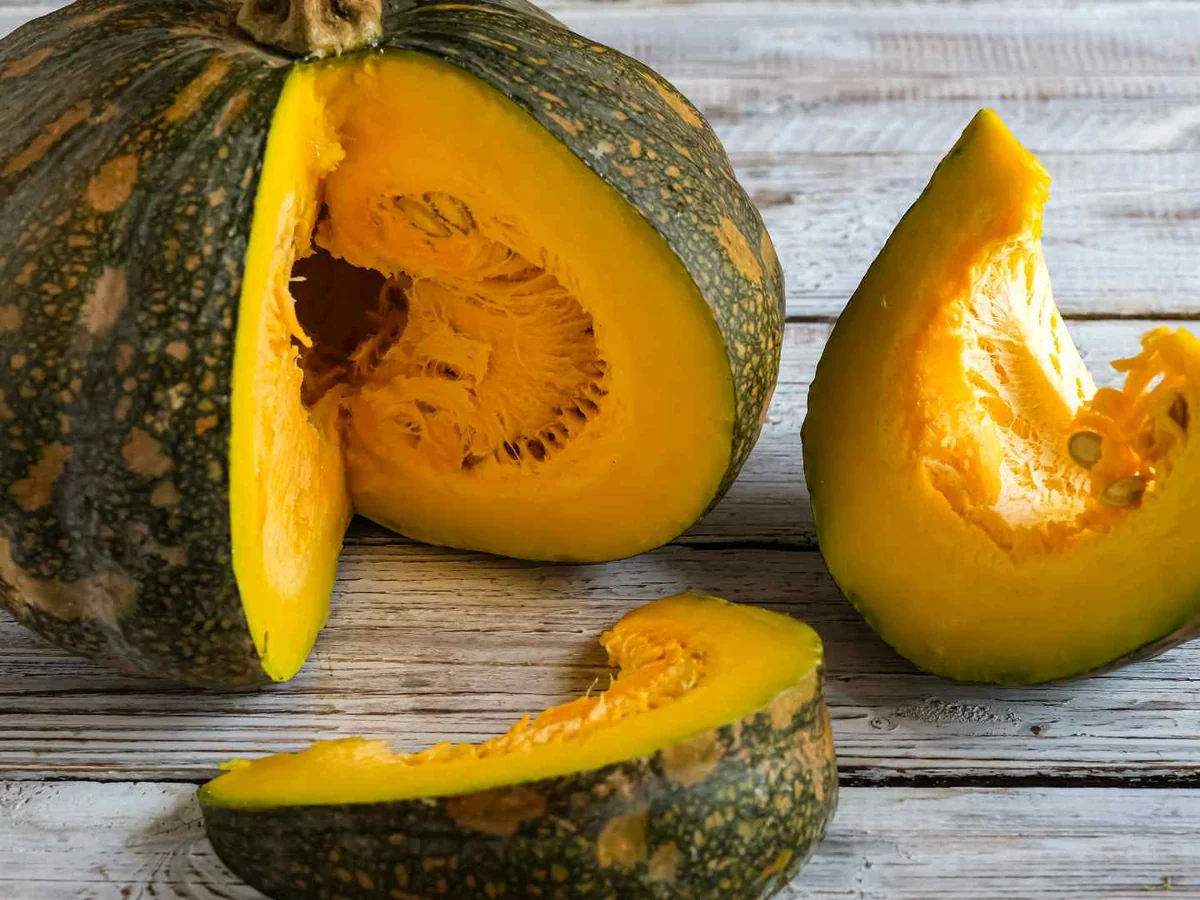
Winter-squash rind is hard, curved, and resistant to digestion. Stems are woody, while raw chunks can lodge in the airway or gastrointestinal tract.
FDA identifies food objects as possible causes of obstruction in pets. Repeated vomiting, appetite loss, lethargy, pain, straining, or reduced stool after a missing rind needs prompt assessment.
Do not pull plant material protruding from the mouth or anus. It may be anchored farther inside.
Seeds, pulp, and roasted snacks
Seed cavities contain slippery seeds and fibrous pulp that can form a mouthful. Roasted seeds may add salt, oil, chile, garlic, chocolate, or trail-mix ingredients.
A stray clean seed is usually less concerning than a handful with shell fragments and seasoning. Still, squash seeds offer no proven deworming dose for cats.
Use veterinary parasite prevention and fecal testing instead of seed remedies. Natural folklore should not delay effective treatment.
Raw, steamed, baked, grilled, or fried
Steaming or baking plain flesh until soft produces the simplest texture. Raw cubes are firm, grilled squash may be seasoned, and fried squash adds batter and fat.
Raw batter can contain flour and egg with microbial risk, while yeast dough can expand and produce alcohol. Preserve the complete recipe.
Hot squash can burn the mouth and paws. Let food cool and keep cats away from steam, pans, and fryer oil.
Savory seasoning is often the real hazard
Garlic, onion, shallot, chives, broth, stuffing, pesto, curry, and spice blends commonly accompany squash. Cats are particularly susceptible to Allium-related red blood cell damage.
Use the cat onion guide when an Allium appears. Delayed weakness, pale gums, fast breathing, dark urine, or collapse is urgent.
Butter, cream, cheese, bacon, and sausage add fat and sodium. One bite does not instantly diagnose pancreatitis, but persistent digestive pain needs evaluation.
Sweet dishes and pies
Brown sugar, maple syrup, marshmallows, chocolate, raisins, nutmeg, sweeteners, and rich crust can turn squash into dessert. The dessert name rarely lists every risk.
Xylitol is a proven severe canine hazard, while comparable feline toxicity has not been established. Do not invent a dog-based cat dose, and still call about unknown sweeteners.
Raw pie batter adds flour and egg concerns. Foil, parchment, pie weights, and broken dishes can be swallowed.
Garden vines, flowers, and chemicals
A garden raid may involve leaves, flowers, stems, soil, fertilizer, pesticide, slug bait, netting, and plant labels. Fruit identity alone cannot close the case.
Volunteer vines and saved seed deserve extra caution because hybridization with inedible gourds can produce bitter fruit. Do not feed mystery squash to people or pets.
Photograph the garden and list every applied product with dates. Unknown bait or granules merit an immediate poison call.
Storage, mold, and leftovers
Refrigerate cut or cooked squash promptly and follow the most perishable ingredient in mixed dishes. Discard mold, slime, leaking containers, or food abandoned at room temperature.
Some molds can produce neurologic toxins, and reheating does not reliably remove them. Tremors, seizures, marked agitation, or collapse is an emergency.
Secure compost and trash because oily rind can attract a cat that ignored the plain vegetable. Count skewers, film, ties, and absorbent pads during cleanup.
Portions and vulnerable cats
A tiny taste and a bowlful have different effects on calories, fiber, stool, and appetite. Large portions can cause vomiting, gas, diarrhea, or constipation.
Kittens need growth food; seniors may have dental disease; and cats with diabetes, kidney disease, obesity, or gastrointestinal illness need individualized advice. Prescription diets come first.
Never use squash to hide appetite loss. Cats refusing food need timely veterinary attention rather than an escalating buffet of buttery vegetables.
Monitoring a small plain piece
For a healthy adult that ate a small, soft, non-bitter, unseasoned piece, continue normal food and water while watching appetite, vomiting, stool, energy, and comfort. Keep a sample and recipe.
Call if symptoms develop, if bitterness is discovered, or if rind, alliums, garden chemicals, or packaging may be involved. New information should change the plan.
Store whole squash away from decorative gourds and clear scraps directly into a closed container. Good identification is more useful than a blanket yes or no.
Squash soups and baby foods
Squash soup may contain onion stock, garlic, cream, coconut milk, curry, nutmeg, salt, or alcohol. A smooth texture does not make the recipe simple.
Baby-food pouches sometimes pair squash with onion-containing savory meals, fruit, meat, starch, or vitamins. Read every label rather than relying on the pictured vegetable.
Call about alliums and preserve the container. Do not use human puree as a long-term meal because it lacks complete feline nutrition.
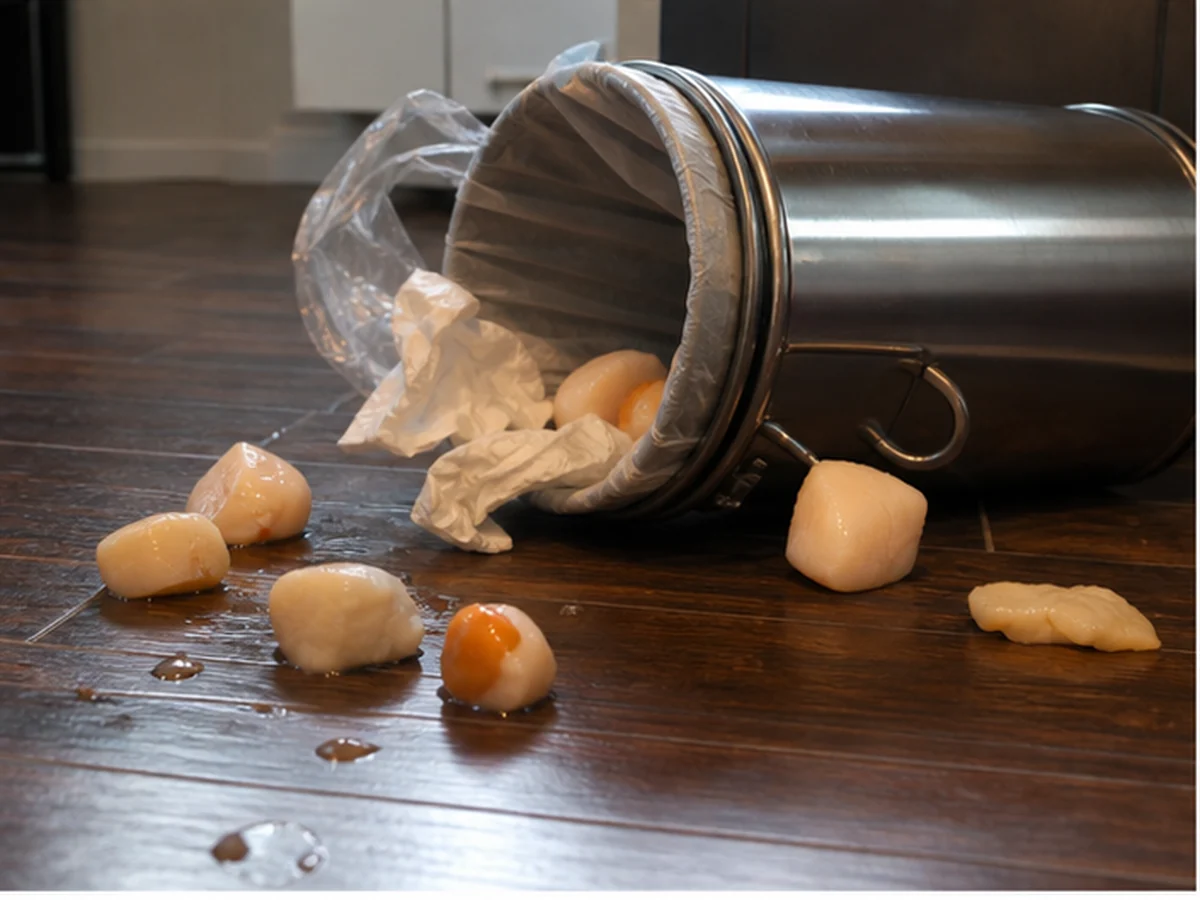
Dehydrated chips and powders
Dehydrated squash is more concentrated by weight and can be leathery, sharp-edged, salted, or seasoned. Powders can enter eyes and airways or hide inside supplements.
The FDA supplement overview explains why marketing claims do not equal proven treatment. Human squash capsules have no established feline dose.
Move a coughing cat from powder without raising more dust and seek advice for eye pain or breathing changes. Count packets, scoops, and capsule shells.
Frozen squash cubes can become hard choking objects before thawing, while frozen puree may hide sweeteners or pie spices. Thaw human portions securely and verify labels before a cat reaches the counter.
FAQ
Which squash can cats eat?
Tiny amounts of plain, soft, non-bitter flesh from correctly identified edible varieties are generally low risk, but no squash is nutritionally necessary.
Why is bitter squash dangerous?
Abnormal bitterness can signal high cucurbitacins, which resist cooking and can cause severe digestive illness; call after a cat eats it.
Can cats eat squash skin?
Avoid it, especially hard winter rind, because tough curved pieces can choke or obstruct.
Is squash good for constipation?
Not automatically. Fiber may worsen some conditions, and straining can indicate obstruction or urinary emergency.
Bottom line
Edible squash flesh is usually a low-risk extra when soft, plain, and not bitter, but the family is too varied for one carefree answer. Identify the variety and preparation, discard bitter fruit, and take rind, recipes, garden chemicals, and symptoms seriously.