Can Cats Eat Pumpkin Pie? Nutmeg, Sweeteners, Fat, and Crust
Do not offer pumpkin pie to cats. One tiny crumb of ordinary baked filling may only cause digestive upset, but nutmeg, concentrated spices, sugar-free recipes, dairy, fat, raw batter, alcohol, mold, crust, toppings, and packaging can change the response.
Check the recipe before the pumpkin
Save the box or recipe and estimate filling, crust, toppings, foil, and utensils missing. Identify nutmeg amount, chocolate, alcohol, sugar substitutes, and whether the filling was baked.
Call promptly for direct nutmeg powder, essential oil, alcohol, chocolate, raw yeast dough, a large amount, or swallowed foil. Tremors, seizures, severe disorientation, collapse, or repeated vomiting is urgent.
Do not induce vomiting or use coffee, milk, oil, or salt. The word pumpkin does not clear a dessert.
Baked pumpkin is not the problem by itself
Plain cooked pumpkin can appear in veterinarian-directed feeding plans, but pie filling adds sugar, dairy, egg, fat, and spices. A dessert slice is not plain puree.
The Cornell Feline Health Center supports complete diets and limited extras. Pumpkin pie cannot treat constipation or hairballs by reputation.
One ordinary baked crumb may cause no sign, yet it does not establish a safe serving or benefit.
Nutmeg needs amount and form
Nutmeg contains myristicin and other compounds capable of neurologic and cardiovascular effects at sufficient exposure. A trace baked into one crumb differs from eating powder directly.
Do not invent an exact feline toxic dose when evidence is limited. Call about direct spice ingestion, a large pie amount, concentrated extract, or symptoms.
Possible concerns include vomiting, disorientation, agitation, abnormal heart rate, tremors, seizures, and prolonged illness.
Cinnamon and spice blends
Culinary cinnamon in a baked crumb is different from powder inhalation or essential oil. Pumpkin-pie spice may also contain ginger, cloves, allspice, and nutmeg.
The cat cinnamon guide separates seasoning, dust, and concentrated oil. Call for coughing, eye exposure, repeated vomiting, or oil contact.
Do not apply oil to clean oil. Prevent grooming and follow professional decontamination advice.
Sugar and alternative sweeteners
Traditional filling is sugar-dense and inappropriate for diabetes or obesity. Sugar-free recipes can use several different sweeteners.
Xylitol causes severe hypoglycemia and liver injury in dogs, while the FDA notes it does not appear equally dangerous in cats. Do not import canine certainty.
Call about an unknown product because chocolate, alcohol, supplements, and other sweeteners still matter.
Dairy and egg
Evaporated milk, condensed milk, cream, and butter add lactose, fat, and calories. Many adult cats may develop gas, vomiting, or diarrhea after dairy.
Raw filling also contains egg and may carry harmful bacteria. Preserve the recipe and report digestive illness.
Facial swelling, hives, breathing difficulty, or collapse suggests a severe reaction and requires urgent care.
Fat without instant diagnosis
Pie filling, crust, cream, and ice cream create a rich meal. A large amount can cause digestive upset and complicate pancreatitis history.
Do not state that one bite automatically causes pancreatitis. Persistent vomiting, abdominal pain, lethargy, hunched posture, or food refusal needs veterinary evaluation.
Cats with obesity, diabetes, or gastrointestinal disease should receive no pie.
Raw crust and yeast dough
Unbaked crust contains untreated flour and fat, while some recipes include egg. The FDA warns that raw flour can carry pathogens.
Yeast dough is more urgent because it can expand and produce ethanol in the stomach. Call immediately after rising-dough ingestion.
Do not let cats lick bowls, pastry scraps, or flour spills during baking.
Crust, foil, and hard edges
Baked crust mainly adds starch, salt, and fat, while burned edges can be hard and awkward to swallow. Gluten-free crusts may contain nuts.
Foil pans, plastic domes, parchment, paper cups, and freshness packets can obstruct. Count packaging before focusing on crumbs.
The FDA pet-hazard guide supports treating food bags and foreign objects separately from ingredients.
Whipped cream and ice cream
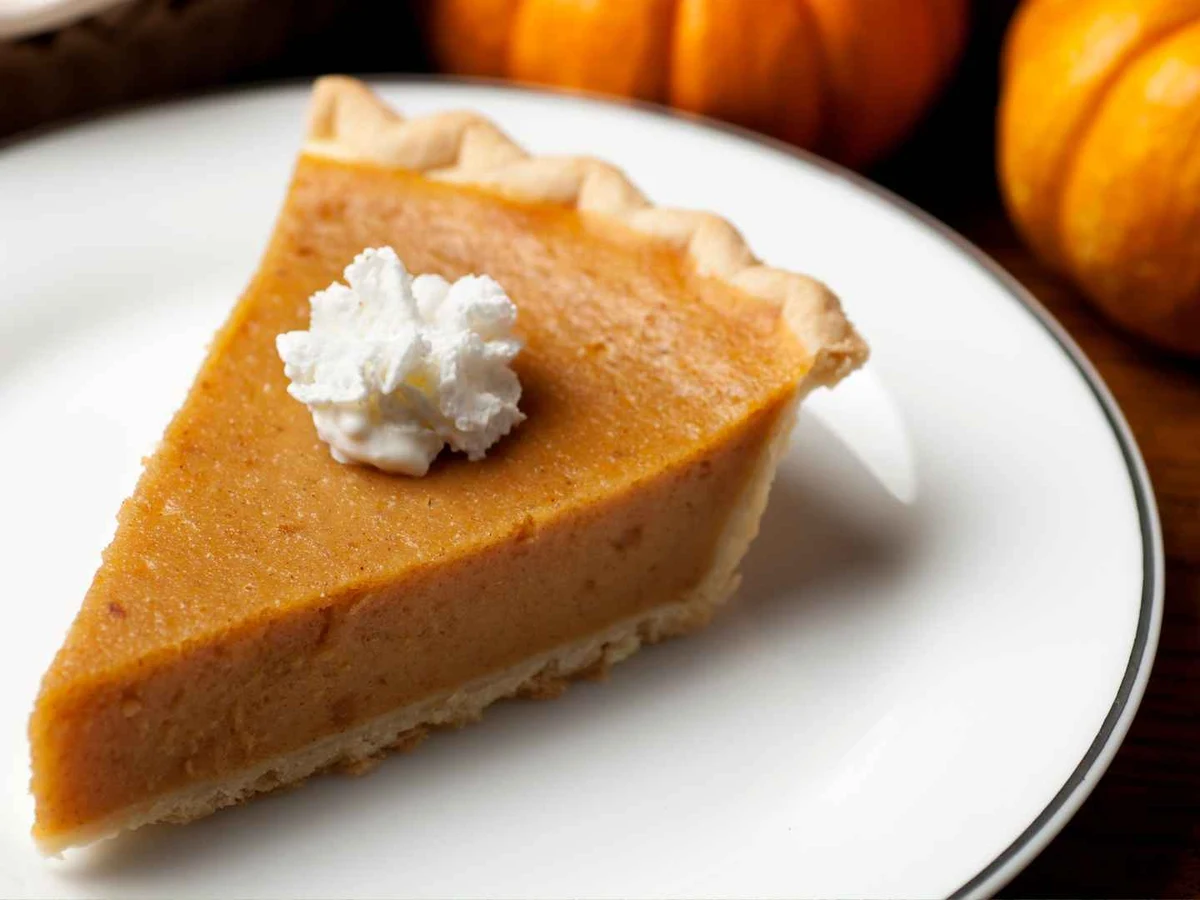
Toppings add dairy, fat, sugar, chocolate, coffee, alcohol, nuts, and sometimes sugar substitutes. A loaded slice is a layered exposure.
Cold hard scoops and spoons can also cause physical problems. Count decorative picks and utensils.
The cat whipped-topping guide helps assess a topping without clearing the pie beneath it.
Canned pumpkin versus pie mix
Plain pumpkin puree and canned pie filling are different products. Pie mix already contains sugar and spices and still requires dairy and egg in many recipes.
Read the can label rather than judging orange color. Sharp lids and metal edges are additional hazards.
The live pumpkin-pie product guide helps identify formats, but canine quantities do not set a feline dose.
Storage, mold, and leftovers
Egg- and dairy-rich pie should be refrigerated according to recipe or label directions. A slice left warm overnight should be discarded.
Moldy dessert can cause digestive or neurologic illness, including tremors and seizures from some toxins. Secure spoiled pie in lidded trash.
Reheating does not reliably remove every spoilage risk. Do not feed leftovers to avoid waste.
Watching one ordinary baked crumb
When the recipe contains no chocolate, alcohol, specialty sweetener, excessive spice, mold, or missing object, continue normal food and water. Observe appetite, vomiting, stool, energy, gait, and abdominal comfort.
Call if signs recur, worsen, or include pain, weakness, disorientation, tremors, or food refusal. Direct spice and raw-dough exposures require faster action.
A tiny ordinary baked crumb may remain uneventful, but nutmeg, concentrates, sweeteners, dairy, fat, raw batter, toppings, storage, and packaging make pumpkin pie unsuitable for cats.
Pumpkin-spice drinks
Lattes and cocktails can combine caffeine, alcohol, dairy, sugar, nutmeg, and syrups.
A few orange-colored drops are not equivalent to baked pie filling.
Save the cup label and call immediately about caffeine or alcohol.
Pumpkin-spice essential oils
Diffuser blends and fragrance oils are concentrated products, not culinary seasoning.
Skin, lung, and grooming exposure can be serious for cats.
Prevent licking, move to fresh air when safe, and request decontamination guidance.
Vegan and gluten-free pies
Vegan recipes can still contain cocoa, nutmeg, sugar, oils, nuts, and alternative sweeteners.
Gluten-free crust may use nut flour and remains calorie-dense.
Neither marketing label is a feline safety statement.
Pies with raisins or nuts
Some recipes add raisins, pecans, walnuts, or chocolate chips.
Feline grape evidence is limited compared with dog evidence, so do not invent a cat toxic dose.
Call about Vitis fruit and identify each nut separately.
Burns from warm pie
Hot filling can adhere to the tongue, fur, or paws and continue transferring heat.
Cool a minor surface exposure with room-temperature water.
Blistering, severe pain, eye contact, or inability to eat needs care.
Holiday table hazards
Candles, ribbon, artificial berries, forks, pie servers, and broken dishes can matter more than a crumb.
Inventory the table before washing everything.
A puncture, swallowed ribbon, or glass exposure needs urgent direction.
Multiple pets and uncertain portions
Separate animals and estimate the maximum each could have eaten.
Do not divide a missing slice evenly without evidence.
Keep packaging and recipes until every pet’s plan is established.
Prevention and safer celebration
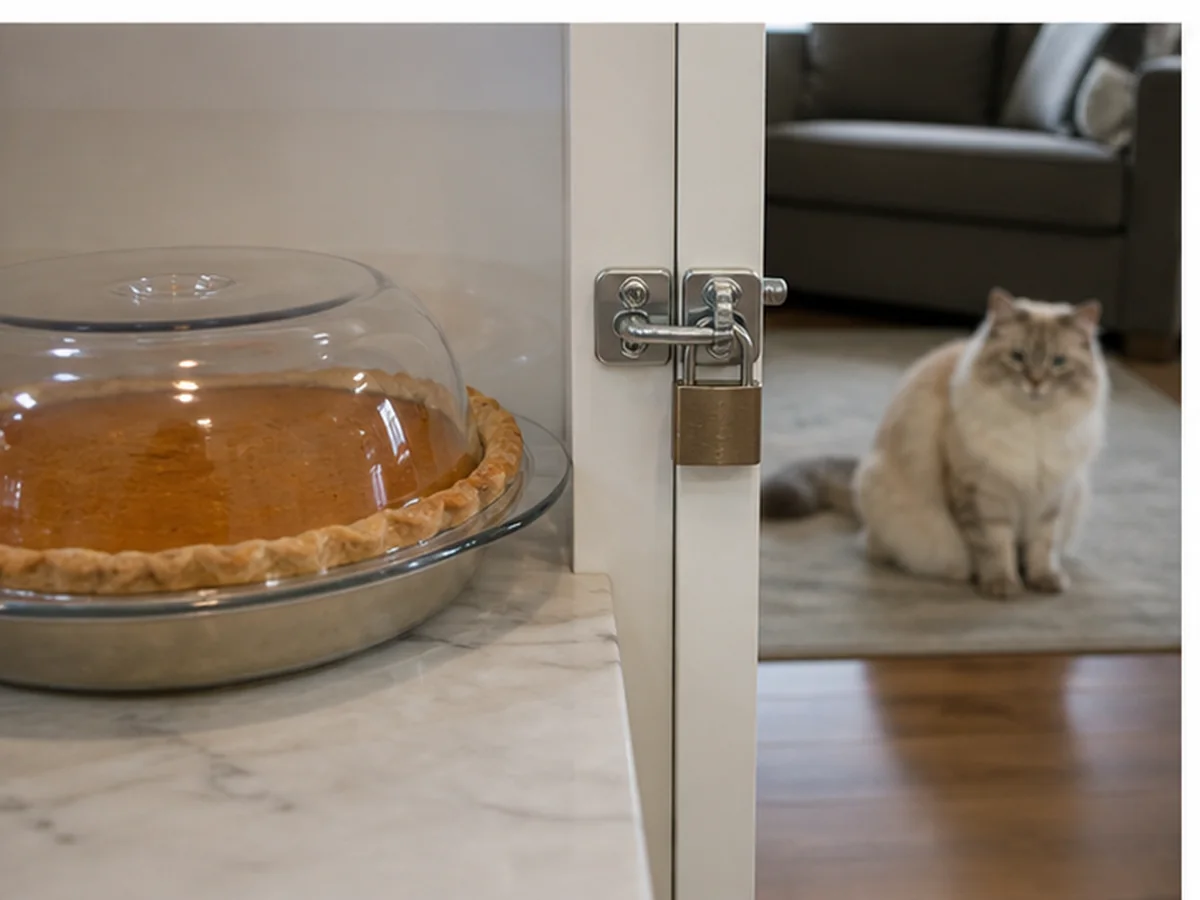
Cool pie in a closed appliance with a reminder before anyone turns it on.
Move foil and spice jars immediately and keep trash lidded.
Give the cat part of its normal ration during dessert so everyone gets a ritual.
Mini pumpkin tarts are easy for a cat to carry beneath furniture.
Search for paper liners and foil after a missing tart.
Pumpkin cheesecake adds cream cheese, dairy, fat, and sometimes chocolate.
A brûléed sugar top can be hard and sharp.
Candied ginger garnish is sticky and sugar-dense.
Direct clove or allspice powder can irritate the mouth and gut.
Commercial spice blends should be read ingredient by ingredient.
A pie-scented candle is not edible and may add wax or wick hazards.
Keep decorative nutmeg seeds and graters out of reach.
Reserve normal cat food for holiday treats instead of dessert.
Pumpkin pie protein bars and flavored candies may contain caffeine, chocolate, vitamins, herbs, or sugar substitutes while using little actual pumpkin. Treat them as formulated products and bring both Nutrition Facts and Supplement Facts to the call.
Condensed milk cans, sharp metal lids, spice-jar seals, and mixer attachments create kitchen injuries unrelated to ingestion. Clear the baking area before the cat returns, especially when a dropped utensil still carries fragrant filling.
A cat licking canned plain pumpkin from a spoon has not eaten pie, while a cat licking premixed pie filling has consumed spices and sugar. Keep the cans separate and photograph the label if their contents are uncertain.
Homemade whipped cream can contain vanilla extract or liqueur, and packaged topping can include several stabilizers and sweeteners. Identify the topping independently instead of assuming every white dollop is ordinary cream.
If vomiting occurs after a crumb, note whether the cat also ate ribbon, houseplants, table scraps, or medication during the gathering. Holiday timing can create several plausible causes, and a complete history prevents tunnel vision.
FAQ
Will one bite of pumpkin pie poison a cat?
A tiny ordinary baked crumb may not cause serious illness, but check nutmeg, sweeteners, chocolate, alcohol, and packaging.
Is nutmeg in pumpkin pie toxic?
A trace in a crumb differs from direct powder or a large amount. Call about meaningful exposure or neurologic signs.
Can pumpkin pie cause pancreatitis?
Rich food can contribute to illness, but one bite does not justify an instant diagnosis. Persistent vomiting, pain, or food refusal needs care.
Is canned pumpkin pie mix safe?
Do not offer it. Pie mix contains sugar and spices and is not the same as plain pumpkin puree.
Bottom line
A tiny ordinary baked crumb may remain uneventful, but nutmeg, concentrates, sweeteners, dairy, fat, raw batter, toppings, storage, and packaging make pumpkin pie unsuitable for cats.