Can Cats Eat Bananas? Portions, Peels, Chips, and Products
Can cats eat bananas? Learn when a tiny plain bite is reasonable, why peels and sweet products are different, and which cats should skip them.
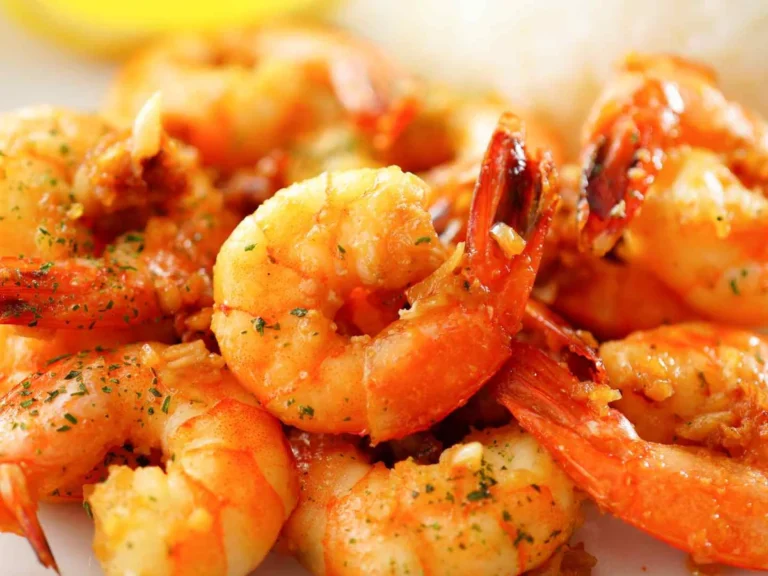
Cats can eat a tiny piece of plain cooked shrimp. Learn about shells, tails, raw shrimp, breading, cocktail sauce, allergies, storage, and portions.
Can cats eat mango? Learn when a tiny piece of ripe flesh is low risk, why peel and pits should stay away, and how dried, canned, or mixed mango differs.
Cats should skip oranges, especially peel, plant material, and citrus oils. Learn what a lick means, when to call, and which orange products raise concern.
Plain peanuts are not usually toxic to cats, but whole nuts, shells, salt, spice coatings, allergies, mold, calories, and packaging create avoidable risks.
Plain, fully cooked turkey can be a small cat treat. Learn which cuts are safest and why skin, bones, gravy, deli meat, and raw turkey need caution.
Can cats eat honey? Learn when a lick is low risk, why sugar and sticky texture matter, which honey products are dangerous, and when to call a vet.
A tiny plain spinach taste is non-toxic to most healthy cats, but oxalates, kidney or urinary disease, seasonings, and therapeutic diets change the answer.
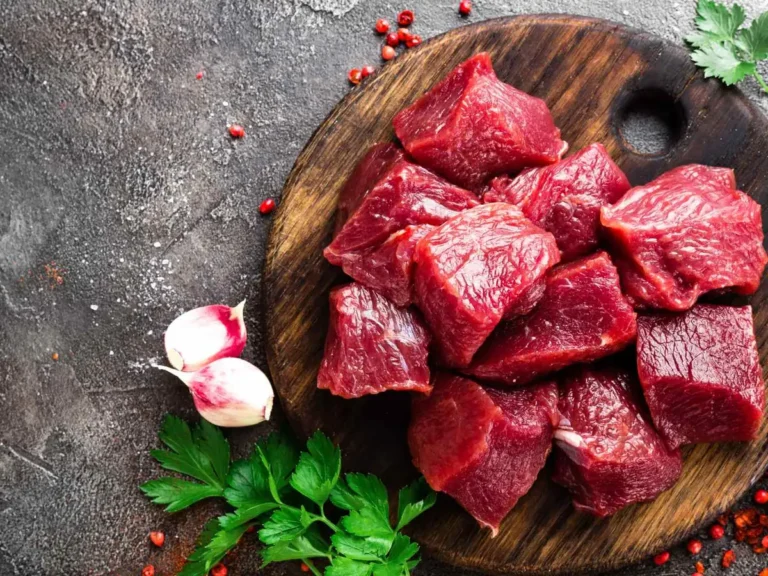
Cats can have a tiny piece of plain fully cooked lean pork, but raw meat, fat, bones, cured products, seasoning, storage, and complete nutrition matter.
Garlic is toxic to cats in fresh, cooked, and powdered forms. Learn what to do after exposure, delayed warning signs, and where garlic hides.