Can Dogs Eat Crawfish? Meat, Shells, Seasoning, and Seafood Boils
Dogs can eat a small amount of plain fully cooked crawfish meat, but I would never hand over the shell or a heavily seasoned seafood-boil serving. The meat can be fine. The Cajun spice, garlic, onion, butter, salt, sausage, and crunchy shell are what turn crawfish night into a dog-safety project.
The quick crawfish verdict for dogs
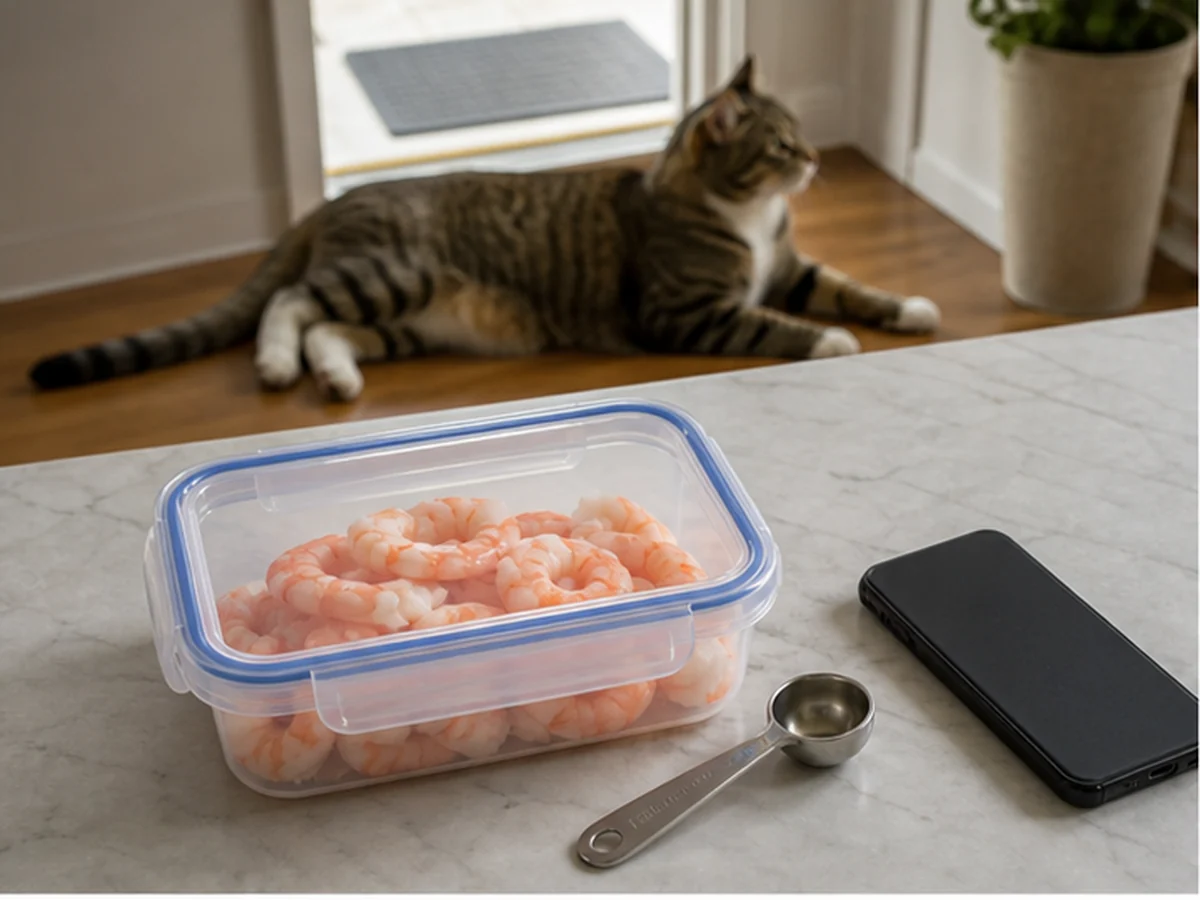
Plain fully cooked crawfish tail meat can be an occasional treat for many healthy dogs. It provides protein plus vitamin B12, selenium, phosphorus, and other nutrients.
I cook the crawfish thoroughly, remove every piece of shell, skip seasoning, let the meat cool, and serve a bite-size amount. Complete dog food should remain the nutritional foundation.
The safest version is boring on purpose: cooked meat only. Seafood-boil crawfish, fried crawfish, étouffée, bisque, dip, pasta, and crawfish bread are all separate foods with separate ingredient lists.
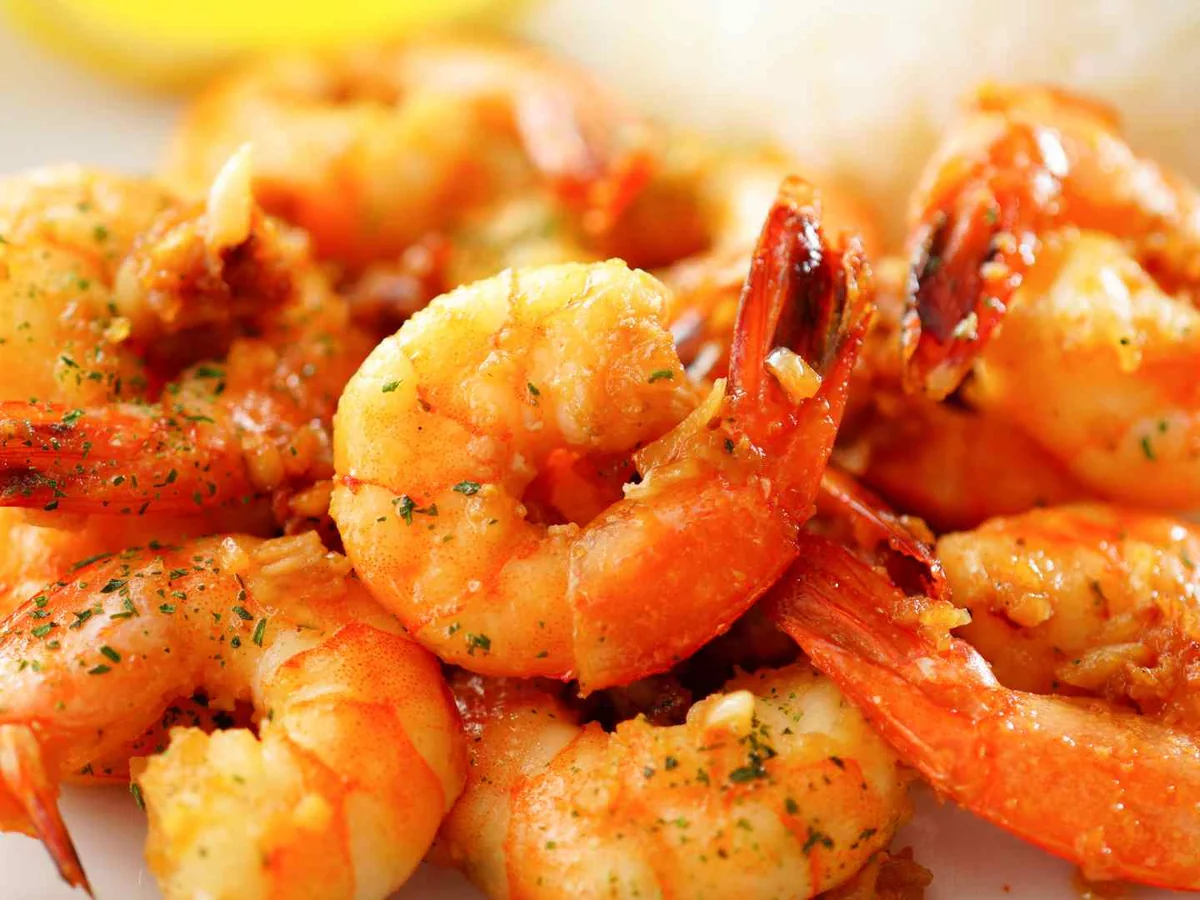
Plain tail meat is the only version I would share
Crawfish tail meat is relatively lean compared with sausage, butter, or creamy seafood dishes. A few plain pieces can add variety without adding a huge calorie load.
Lean does not mean unlimited. A large bowl of shellfish can still cause gastrointestinal upset and displace the complete food that supplies the dog’s balanced vitamins and minerals.
If a dog is on a prescription kidney, heart, gastrointestinal, allergy, or weight-management diet, I would check before adding shellfish regularly.
Crawfish shells can choke or injure
Crawfish shells are hard, pointed, and difficult to digest. Pieces can cut the mouth, lodge in the throat, cause choking, injure the esophagus, or irritate and obstruct the gastrointestinal tract.
If a dog swallowed a meaningful amount of shell, call your veterinarian for case-specific advice. I would not induce vomiting unless specifically directed because sharp shell fragments can cause additional injury on the way back up.
Gagging, drooling, repeated swallowing, vomiting, abdominal pain, bloody or black stool, refusal to eat, or breathing trouble deserves prompt evaluation.
Whole crawfish add claws and pointed shell parts
A whole crawfish includes claws, tail shell, head shell, and pointed edges. Dogs that gulp food can swallow those pieces with very little chewing.
I would not hand a whole cooked crawfish to a dog and rely on chewing skill. Remove the edible meat yourself and discard the shell securely.
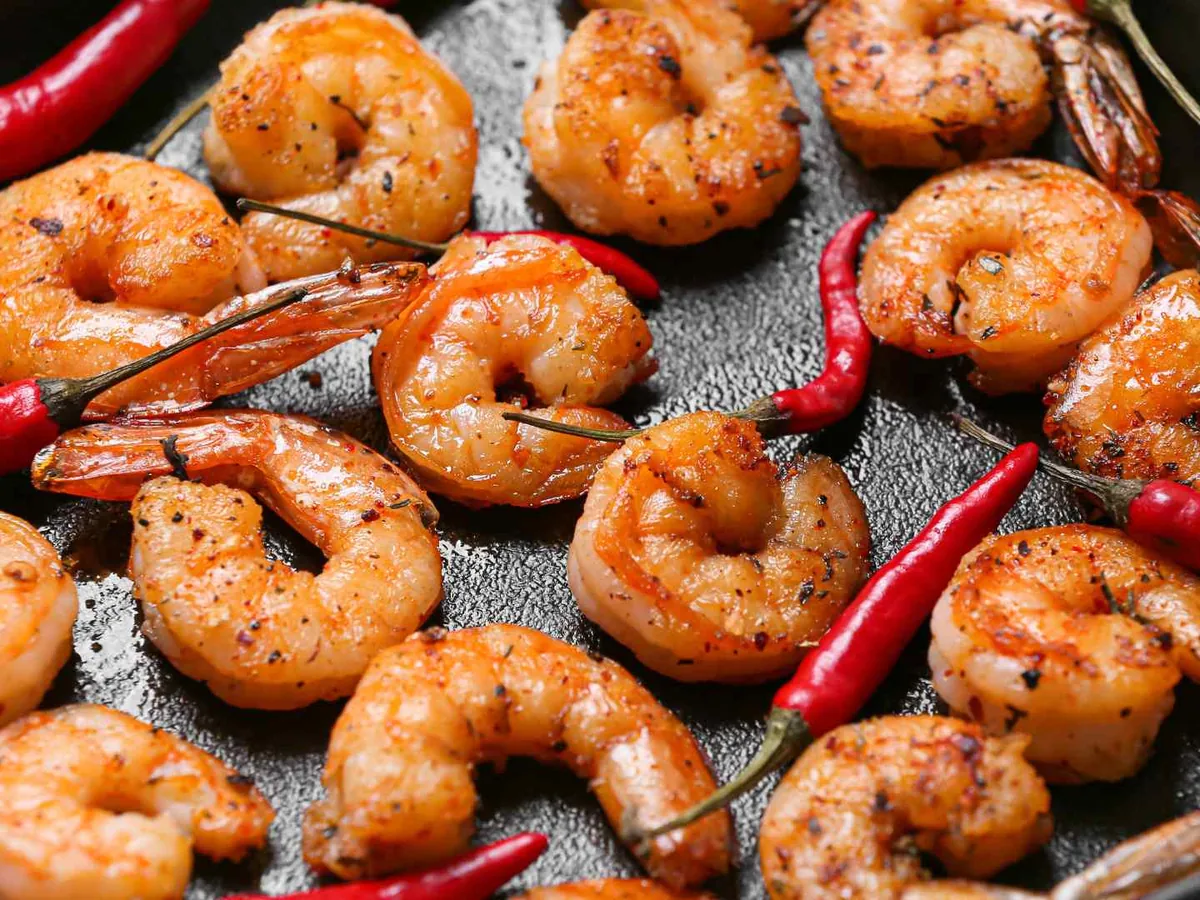
Seafood-boil seasoning is often the bigger problem
Crawfish boils commonly use salt, cayenne, garlic, onion, spice blends, butter, sausage, and concentrated seasoning packets. Onion and garlic can damage red blood cells in dogs after a sufficient dose.
Chile and strong spice can cause substantial gastrointestinal irritation, while salt can become a problem after a large salty-food raid. A tiny plain tail and a bowl of boil-soaked crawfish are not the same food.
I set aside the dog’s portion before seasoning rather than trying to rinse the spice out afterward. Sauce and broth soak into the meat.
Garlic and onion deserve separate attention
Garlic, onion, shallot, chive, and leek are alliums and can contribute to oxidative red-blood-cell injury after sufficient exposure. Powdered forms can be especially concentrated.
Boil mixes may contain onion and garlic powder even when no visible vegetable pieces are present. Save the seasoning packet after a substantial raid.
Weakness, pale gums, rapid breathing, dark or reddish urine, unusual tiredness, or collapse after a meaningful allium exposure deserves veterinary attention.
Butter and sausage add a major fat load
Many boils include melted butter and fatty sausage. A dog that raids the whole table can receive enough rich food to cause vomiting, diarrhea, abdominal discomfort, or pancreatitis in susceptible dogs.
Dogs with previous pancreatitis deserve particular caution. The crawfish tail may be lean, but the feast around it often is not.
Sausage can also add substantial sodium, garlic, onion, pepper, and preservatives. I would inventory it separately from the crawfish.
Raw crawfish are not a dog treat
Raw shellfish can carry bacteria and parasites, and live or raw crawfish add hard shells and pincers to the problem. Cooking thoroughly reduces food-safety risk and makes the meat easier to separate from the shell.
A tiny accidental raw bite does not guarantee illness, but repeated vomiting, severe diarrhea, fever, lethargy, dehydration, or abdominal pain deserves veterinary attention.
Puppies, seniors, pregnant dogs, immunocompromised dogs, and medically fragile dogs deserve extra caution around raw shellfish.
Crawfish étouffée is not plain crawfish
Étouffée commonly contains butter, flour, onion, celery, bell pepper, garlic, stock, seasoning, and sometimes substantial salt. That turns a simple shellfish protein into a rich allium-heavy sauce.
I would not scoop crawfish out of étouffée and assume the meat is plain. The sauce has already coated and flavored the entire dish.
Crawfish bisque and creamy dips add dairy and fat
Crawfish bisque, dip, queso, and creamy pasta can contain cream, butter, cheese, salt, onion, garlic, and seasoning. Those foods are much richer than plain tail meat.
Dogs with pancreatitis, obesity, or gastrointestinal disease have especially little room for creamy seafood dishes.
Fried crawfish add breading, oil, and seasoning
Fried crawfish can be heavily breaded, salted, and seasoned and may absorb a substantial amount of oil. A tiny accidental piece may cause no issue, but I would not use fried crawfish as a routine treat.
Plain cooked meat is easier to portion and predict. The dog does not need the crunchy version to understand that shellfish is exciting.
Corn and potatoes are not permission to share the whole boil
Plain cooked corn kernels and potato can be low risk in modest dog-sized portions, but boil vegetables soak up salt, spices, butter, garlic, and onion from the pot.
Corn cobs are a serious obstruction hazard if swallowed. A dog may eat the seasoned kernels and then gulp the cob, which turns a food question into a foreign-body problem.
If the dog stole food from a boil, inventory everything missing, including cobs, sausage, shells, plastic bags, skewers, napkins, and paper towels.
Seafood-boil bags and trash matter too
Plastic boil bags, foil, paper plates, napkins, skewers, and garbage can be swallowed during a raid. Grease-coated trash is especially tempting.
Count missing packaging as carefully as missing food. Vomiting, abdominal pain, repeated retching, refusing food, or lack of stool after a trash raid can signal obstruction.
Shellfish allergy is possible but not the default concern
Dogs can have adverse reactions to many proteins, including shellfish, but a first small exposure is more often a gastrointestinal question than an immediate allergy emergency.
Facial swelling, hives, repeated vomiting, collapse, or breathing difficulty after eating crawfish deserves urgent veterinary care.
Keep portions small
A few pieces of plain cooked tail meat are plenty for an occasional treat. Extras should generally remain a small share of daily calories unless your veterinarian gives a different plan.
Complete dog food should remain the nutritional foundation. Crawfish is a fun bonus, not a reason to recreate a Louisiana boil in the dog bowl.
What to do if your dog ate crawfish
- Identify whether the dog ate plain meat, whole crawfish, shell, seasoned boil food, or a prepared dish.
- Estimate the amount and time.
- Save seasoning packets, recipes, or restaurant ingredient information.
- Count missing shell, corn cobs, sausage, skewers, bags, foil, and trash.
- Check for onion, garlic, high salt, heavy fat, and raw shellfish exposure.
- Call promptly after a meaningful shell or foreign-body exposure, large allium dose, or significant symptoms.
How I would serve crawfish on purpose
I would use plain fully cooked tail meat, remove every shell fragment, cut it into small pieces, and skip butter, salt, garlic, onion, spice, and sauce.
I would not use boil-soaked crawfish, fried crawfish, bisque, dip, étouffée, or crawfish bread as a dog treat.
Frequently asked questions
Can dogs eat crawfish tails?
Plain fully cooked tail meat can be an occasional treat when every shell fragment is removed. Avoid seasoned boil meat.
Can dogs eat crawfish shells?
No. Shells can cut the mouth, cause choking, or irritate and obstruct the gastrointestinal tract.
Can dogs eat Cajun crawfish?
I would avoid it because Cajun-style crawfish can be very salty and may contain garlic, onion, chile, butter, and other seasonings.
What if my dog ate a whole crawfish?
Call your veterinarian if shell, claws, or a large amount was swallowed, especially in a small dog. Watch for gagging, vomiting, abdominal pain, lethargy, or refusal to eat.
Bottom line
Plain fully cooked crawfish meat can be an occasional dog treat. I would remove every shell, skip raw crawfish, avoid seasoned seafood-boil servings, and keep garlic, onion, butter, salt, sausage, corn cobs, skewers, and boil trash away from the dog.