Can Cats Eat Crawfish? Meat, Shells, Cajun Seasoning, and Boils
Cats can eat a tiny amount of plain fully cooked crawfish meat, but I would never offer the shell or a heavily seasoned seafood-boil serving. The meat can be fine. The garlic, onion, salt, cayenne, butter, sausage, and crunchy shell are what make crawfish night a bad buffet for a cat.
The quick crawfish verdict for cats
Plain fully cooked tail meat can be an occasional treat for many healthy cats. It provides animal protein plus vitamin B12, selenium, phosphorus, and other nutrients.
I cook the crawfish thoroughly, remove every shell fragment, skip seasoning, let it cool, and offer a tiny bite. Complete cat food should remain the nutritional foundation.
The simplest version is cooked meat only. Boil-soaked crawfish, étouffée, bisque, dip, fried crawfish, pasta, and crawfish bread are separate foods with much more complicated ingredient lists.
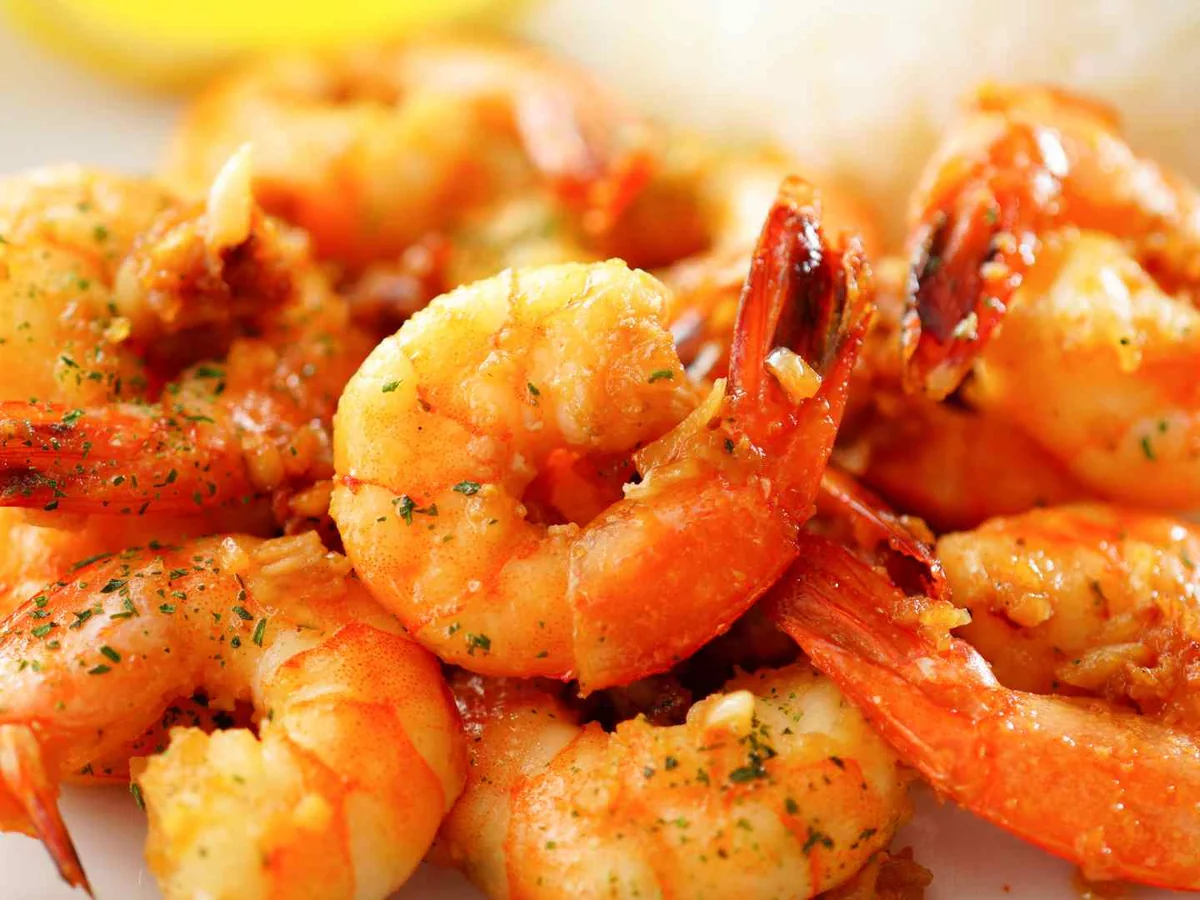
Plain cooked tail meat is the only version I would share
Crawfish tail meat is relatively lean compared with butter, sausage, or creamy seafood dishes. One or two tiny pieces can add variety without turning the treat into a second meal.
Cats are small enough that one tail can already be a generous bonus. I would not let curiosity turn a snack into a bowl of shellfish.
If a cat is on a prescription kidney, heart, gastrointestinal, allergy, urinary, or weight-management diet, I would check before adding shellfish regularly.
Crawfish shells can cut, choke, and obstruct
Crawfish shells are hard, pointed, and difficult to digest. Pieces can cut the mouth, lodge in the throat, damage teeth, injure the esophagus, or irritate and obstruct the gastrointestinal tract.
If a cat swallowed shell fragments, call your veterinarian for case-specific advice. I would not induce vomiting at home because sharp shell can cause additional injury on the way back up.
Gagging, drooling, repeated swallowing, regurgitation, vomiting, abdominal pain, blood in stool, black stool, refusal to eat, or breathing trouble deserves prompt evaluation.
Whole crawfish add claws and pointed shell pieces
A whole crawfish includes claws, tail shell, head shell, and pointed edges. A cat can swallow small sharp pieces while chewing surprisingly quickly.
I would not hand over a whole cooked crawfish and rely on feline precision. Remove the edible meat yourself and discard the shell securely.
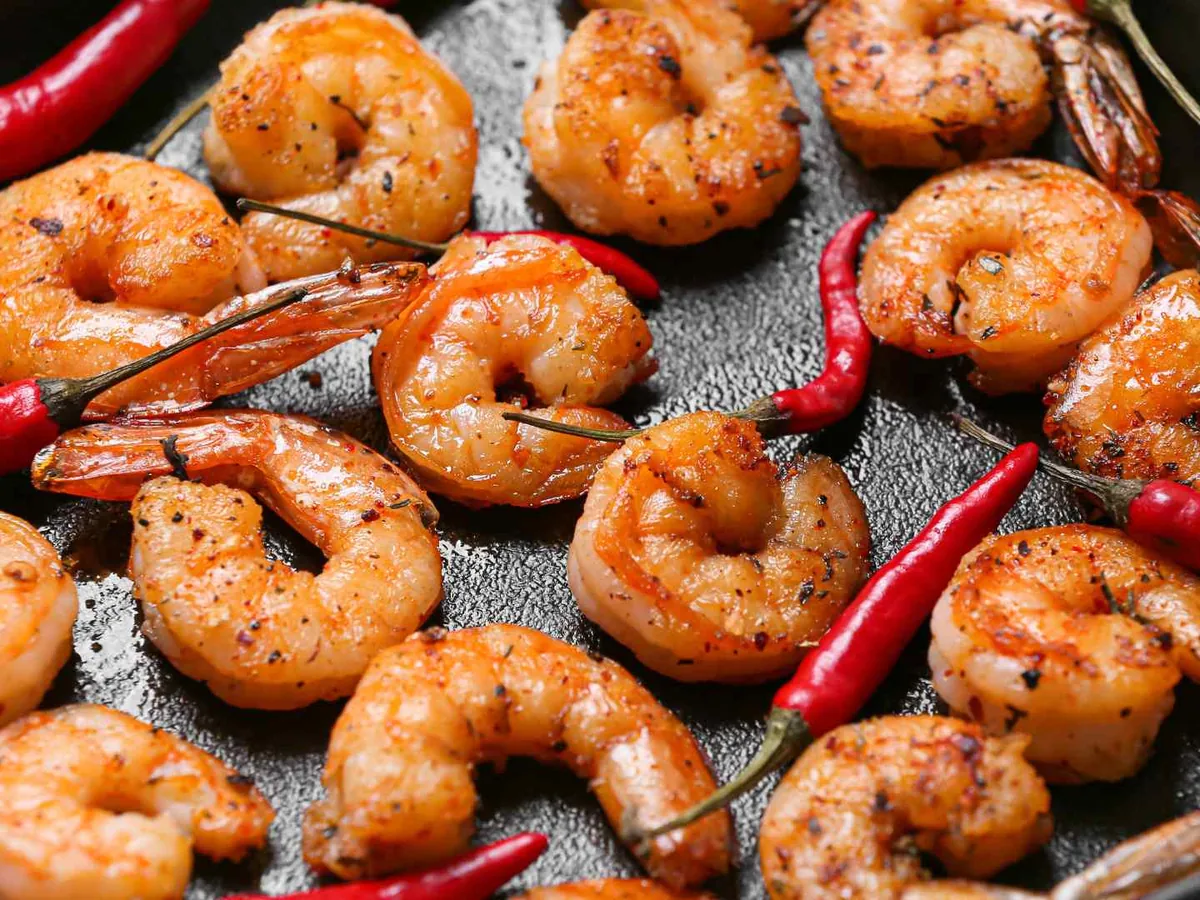
Cajun seasoning is often the bigger concern
Crawfish boils commonly use garlic, onion, shallots, salt, cayenne, spice blends, butter, sausage, and concentrated seasoning packets. Cats are particularly sensitive to alliums, and enough garlic or onion can damage red blood cells.
A tiny plain tail and a boil-soaked serving are not the same food. I would set aside the cat’s piece before seasoning rather than attempting the culinary equivalent of washing evidence off afterward.
Chile and strong spice can also irritate the gastrointestinal tract, while a very salty boil can interfere with diets for kidney, heart, or blood-pressure disease.
Garlic and onion deserve separate attention
Onion, garlic, shallots, chives, and leeks can damage feline red blood cells, and cats are particularly sensitive to this form of oxidative injury. Powdered alliums can be especially concentrated.
Boil mixes may contain onion or garlic powder even when no visible vegetable pieces are present. Save the seasoning packet after a substantial raid.
Weakness, pale gums, rapid breathing, increased heart rate, dark or reddish urine, reduced appetite, or collapse after a meaningful allium exposure deserves veterinary attention.
Butter and sausage make the boil much richer
Seafood boils often include melted butter and fatty sausage. Cats do not need either as part of a crawfish treat, and a large rich-food raid can cause vomiting, diarrhea, abdominal discomfort, or appetite loss.
Cats with pancreatitis, obesity, or chronic gastrointestinal disease deserve extra caution. The plain tail meat is much less complicated than the feast around it.
Sausage can also contain garlic, onion, salt, pepper, smoke flavor, and preservatives. I would assess it separately from the crawfish.
Raw crawfish add pathogens and sharp hardware
Raw shellfish can carry bacteria and parasites, while whole raw crawfish add hard shells, claws, and pointed parts. Cooking thoroughly reduces food-safety risk and makes the meat easier to separate from everything a cat should not swallow.
Repeated vomiting, severe diarrhea, fever, lethargy, dehydration, or abdominal pain after raw shellfish deserves veterinary attention.
Kittens, seniors, pregnant cats, immunocompromised cats, and medically fragile cats deserve more caution around raw shellfish.
Crawfish étouffée is a human recipe, not cat food
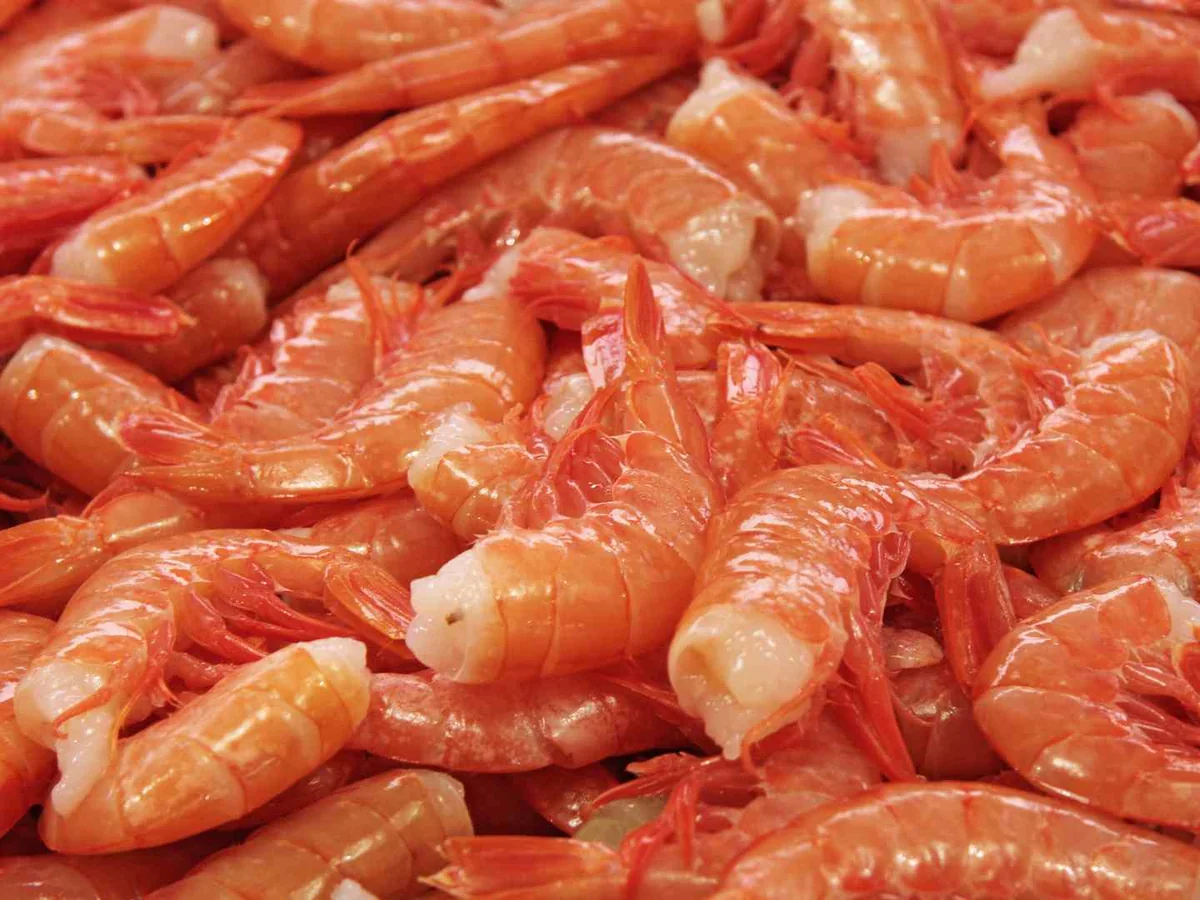
Étouffée commonly contains butter, flour, onion, celery, bell pepper, garlic, stock, seasoning, and substantial salt. That turns a simple shellfish protein into a rich allium-heavy sauce.
I would not scoop crawfish out of étouffée and assume the meat is plain. The sauce has already coated the entire serving.
Bisque, dip, and creamy pasta add dairy and fat
Crawfish bisque, dip, queso, and creamy pasta can contain cream, butter, cheese, salt, onion, garlic, and seasoning. Those dishes are much richer than plain tail meat.
Many adult cats also digest lactose poorly, so rich dairy can add gas, vomiting, or diarrhea alongside the more important seasoning concerns.
Fried crawfish is not a useful treat
Fried crawfish can be breaded, salted, seasoned, and cooked in substantial oil. A tiny accidental bite may cause no issue in a healthy cat, but I would not use fried shellfish intentionally.
Plain cooked meat is easier to portion and predict. The cat does not need the crunchy version to know shellfish is interesting.
Boil vegetables still carry the boil seasoning
Potatoes and corn may sound harmless, but boil vegetables soak up salt, butter, chile, garlic, and onion from the pot. A cat licking seasoned potato is not eating plain potato.
Corn cobs also create a foreign-body risk if chewed or swallowed. Cats are less likely than dogs to gulp a whole cob, but stringy husk, plastic, and other trash can still cause problems.
Boil bags, skewers, foil, and trash matter too
Plastic boil bags, foil, paper plates, skewers, napkins, rubber bands, and food wrappers can be swallowed during a raid. Cats can be particularly attracted to string-like or crinkly trash.
Count missing packaging as carefully as missing food. Repeated vomiting, abdominal pain, refusal to eat, or string protruding from the mouth or rectum deserves prompt veterinary attention.
Shellfish allergy is possible
Cats can react adversely to many proteins, including shellfish, although most small first exposures are more likely to cause gastrointestinal upset than a dramatic allergy.
Facial swelling, repeated vomiting, collapse, or breathing difficulty after crawfish deserves urgent veterinary care.
Keep the portion tiny
Complete cat food should remain the nutritional foundation. Crawfish can add variety, but it does not supply every nutrient a cat needs in the right proportions.
A few tiny pieces are enough. A cat does not need a seafood boil tasting menu to feel included.
What to do if your cat ate crawfish
- Identify whether the cat ate plain meat, whole crawfish, shell, seasoned boil food, or a prepared dish.
- Estimate the amount and time.
- Save seasoning packets, recipes, or restaurant ingredient information.
- Count missing shell, sausage, skewers, plastic, foil, string, and other trash.
- Check for onion, garlic, high salt, heavy fat, and raw shellfish exposure.
- Call promptly after a meaningful shell or foreign-body exposure, substantial allium exposure, or significant symptoms.
How I would serve crawfish on purpose
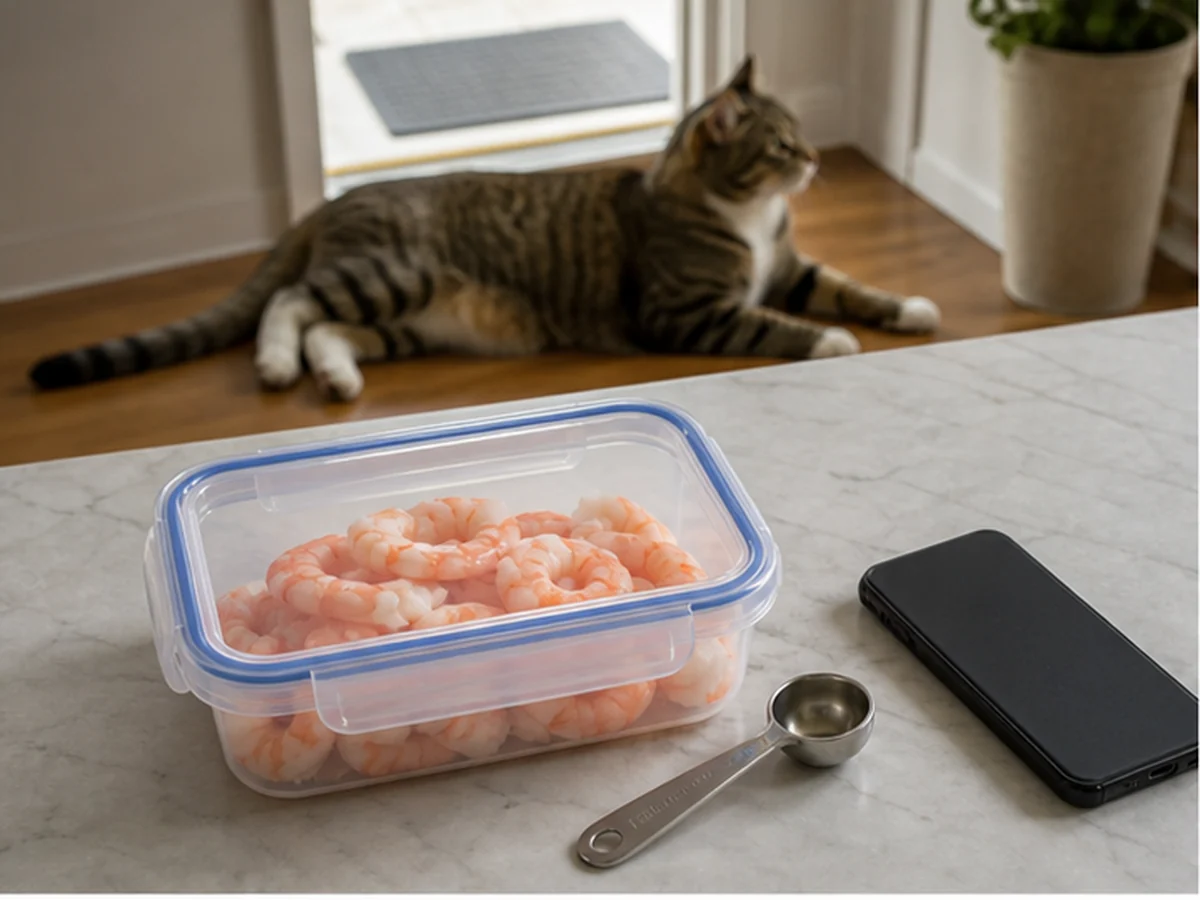
I would use plain fully cooked tail meat, remove every shell fragment, cut it into tiny pieces, and skip butter, salt, garlic, onion, chile, and sauce.
I would not use boil-soaked crawfish, fried crawfish, bisque, dip, étouffée, or crawfish bread as a cat treat.
Frequently asked questions
Can cats eat crawfish tails?
A tiny amount of plain fully cooked tail meat can be an occasional treat when every shell fragment is removed.
Can cats eat crawfish shells?
No. Shells can cut the mouth, cause choking, or injure and obstruct the gastrointestinal tract.
Can cats eat Cajun crawfish?
I would avoid it because Cajun-style crawfish can contain substantial salt, garlic, onion, chile, butter, and other seasoning.
Can kittens eat crawfish?
A tiny piece of plain cooked meat can fit as an occasional treat, but it should not displace complete kitten food during growth.
Bottom line
Plain fully cooked crawfish meat can be an occasional cat treat. I would remove every shell, skip raw crawfish, avoid seasoned seafood-boil servings, and keep garlic, onion, butter, salt, sausage, corn cobs, skewers, string, and boil trash away from the cat.