Can Cats Eat Jell-O? Gelatin, Sweeteners, Mix-Ins, and Cups
Jell-O is not a useful cat treat. Learn about gelatin, sugar, sugar-free sweeteners, alcohol, caffeine, chocolate, fruit, hot liquid, cups, and choking.

Jell-O is not a useful cat treat. Learn about gelatin, sugar, sugar-free sweeteners, alcohol, caffeine, chocolate, fruit, hot liquid, cups, and choking.

Cats should not eat jalapeños. A trace is not usually poison, but capsaicin can irritate the mouth, eyes, airways, and gut. Learn about pickles and sauces.

Imitation crab is a poor cat treat. Learn how surimi, fish species, starch, egg, sodium, sugar, additives, seasonings, allergies, storage, and packaging matter.

Guacamole is not a cat-safe dip. Learn how onion, garlic, avocado fat, pits, peel, lime, chiles, salt, recipe variability, and packaging affect urgency.

Can cats eat ground turkey? Learn why it must reach 165°F, how raw poultry and H5N1 matter, and what to know about fat, seasonings, sausage, and balance.

Can cats eat grits? Learn when a tiny plain cooled taste is low risk, and how heat, butter, dairy, salt, cheese, alliums, portions, and storage matter.

Can cats eat green peppers? Compare mild bell pepper with hot chiles, stems, seeds, leaves, cooked dishes, spice oils, choking risks, and safe prep.
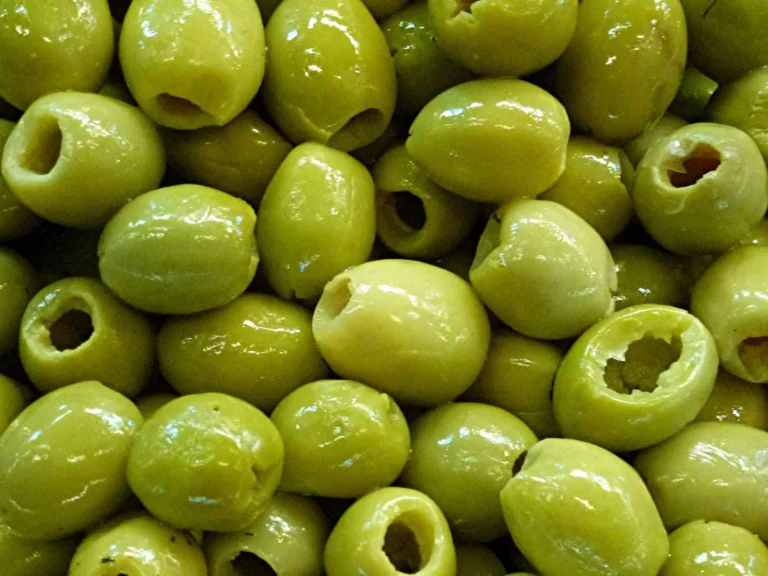
A tiny plain pit-free green olive taste may be low risk, but brine, sodium, pits, garlic, stuffings, cocktails, jars, and portions make olives poor cat treats.

Do not feed green grapes to cats. Canine kidney toxicity is established, but feline evidence and a safe cat dose are not. Learn proportionate next steps.

Can cats eat granola? Learn how raisins, chocolate, nuts, sweeteners, hard clusters, flavorings, and wrappers change the risk.