Can Cats Eat Banana Peppers? Fresh, Pickled, Mild, and Hot
A tiny piece of plain, fresh, mild banana pepper is unlikely to poison a healthy adult cat, but it is unnecessary and may irritate the mouth or stomach. Hot varieties, pickling brine, salt, garlic, onion, spices, stems, seeds, jars, lids, skewers, and mixed dishes make the practical answer more complicated.
Identify the pepper before judging the bite
Banana pepper is a shape and common name, not a guarantee of heat or preparation. Save the jar, produce label, restaurant recipe, or plant tag, then estimate amount, time, symptoms, and any missing packaging.
- One tiny fresh mild piece: offer water and observe for drooling or digestive upset.
- A hot pepper, several pickled rings, or brine: call if discomfort, vomiting, diarrhea, or marked thirst occurs.
- Garlic, onion, alcohol, medication, skewer, glass, or missing lid material: obtain prompt veterinary advice.
- Breathing difficulty, facial swelling, collapse, seizures, or relentless vomiting: seek emergency care.
Do not induce vomiting or rub the face after handling pepper, since residue on your hands can reach the cat’s eyes. Wash your hands and use plain lukewarm water on contaminated fur.
Sweet banana peppers and hot banana peppers
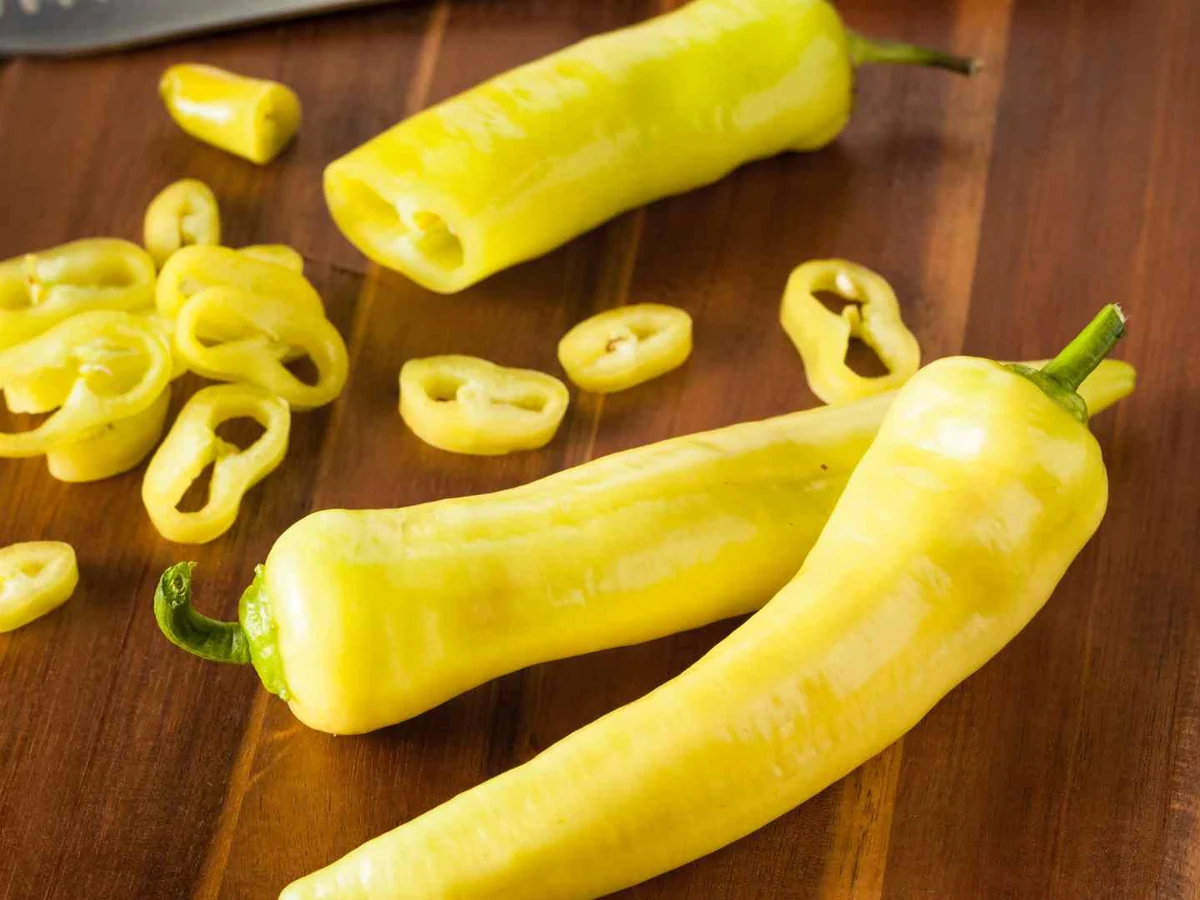
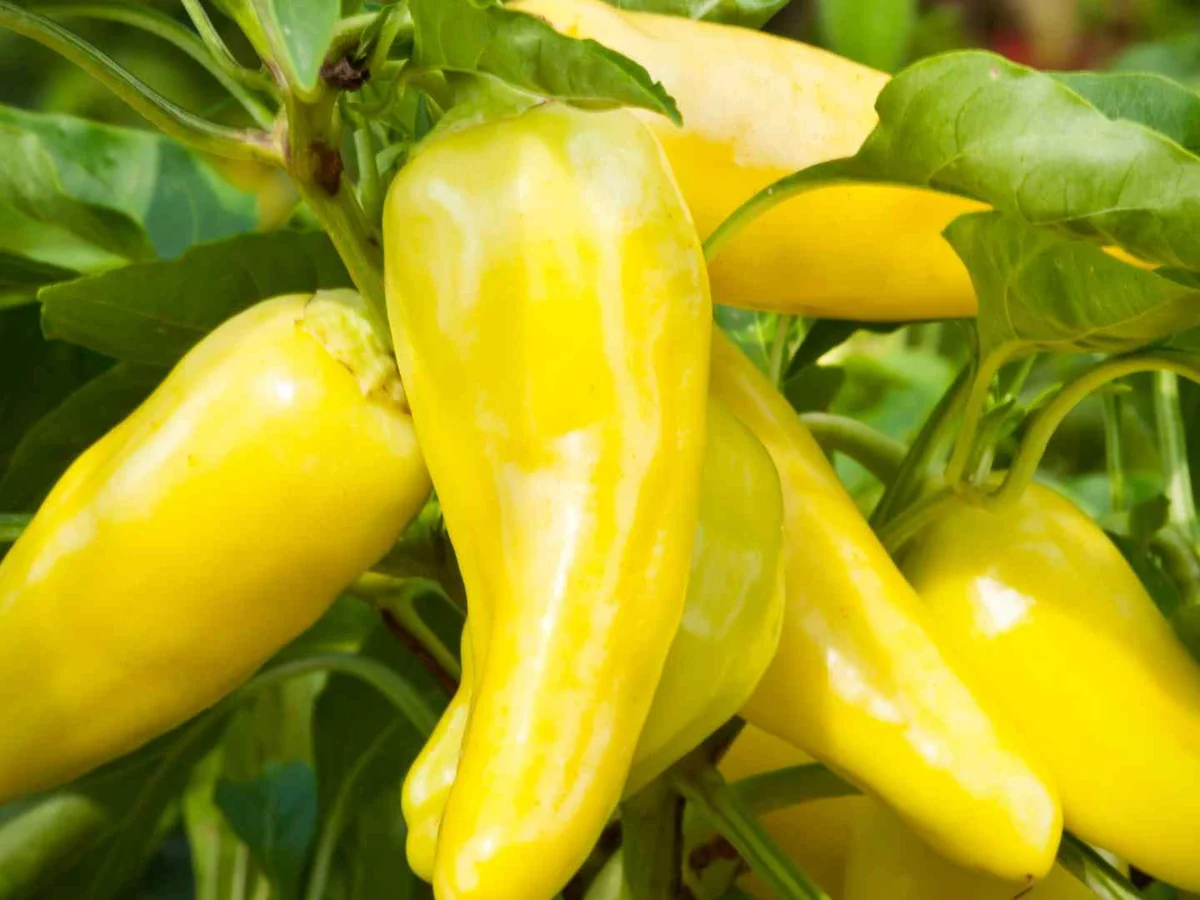
Cultivars range from mild and tangy to noticeably hot, and ripeness can change color from yellow toward orange or red. Visual appearance alone cannot provide an exact capsaicin level.
A stolen restaurant ring may also be pepperoncini or another Capsicum pepper. The useful facts are product identity, heat, preparation, seasoning, quantity, and response rather than winning a produce-name debate.
Capsaicin causes irritation
Capsaicin activates heat-sensing pain receptors without creating a thermal burn. Cats can respond with drooling, lip licking, pawing at the mouth, vocalization, vomiting, diarrhea, or avoidance of food and water.
There is no feline need to test a pepper’s Scoville rating. A product advertised as hot, spicy, fire-roasted, or pepper-flake coated should remain outside the cat’s menu.
Eyes and airways need protection
Pepper juice or powder on paws can be rubbed into the eyes, producing squinting, tearing, and redness. Airborne chili dust may cause coughing or respiratory distress.
Move the cat away from the spill, ventilate safely, and call for persistent eye pain, coughing, wheezing, or any open-mouth breathing. Do not apply milk, oil, or topical anesthetic to the eye.
Fresh produce hygiene
Rinse a whole fresh pepper under running water before cutting, use clean utensils, and keep it separate from raw meat. Washing protects kitchen handling even though the pepper is not a recommended feline snack.
The FDA produce-safety page advises against soap and detergent on fruits and vegetables. Refrigerate cut pepper promptly and discard slimy, moldy, or foul-smelling pieces.
Seeds, stem, and fibrous core
Pepper seeds are not the principal capsaicin source, but they and the pale inner ribs can be coated with pungent compounds. A stem or large fibrous section can also cause gagging or become a foreign object.
Check whether a stem was batted under an appliance before assuming it was swallowed. Repeated gulping, vomiting, appetite loss, abdominal pain, or low energy after a missing chunk needs assessment.
Pickled banana peppers are a saltier food
Commercial rings usually sit in brine containing water, vinegar, salt, preservatives, and spices. Some recipes include garlic, onion, coloring, sugar, or firming agents.
The Merck Veterinary Manual salt reference describes serious neurologic and gastrointestinal effects after excessive sodium exposure. One drained ring is not a salt-poisoning diagnosis, but drinking brine or eating many pieces deserves a call.
Never serve the brine
Brine concentrates sodium and acid into an easy-to-lap liquid. A cat with kidney disease, heart disease, hypertension, urinary concerns, or a prescribed sodium target has even less reason to sample it.
Leave ordinary water freely available without syringing it into the mouth. Clinically important sodium abnormalities require controlled veterinary correction.
Garlic and onion can hide in seasoning
Fresh cloves, flakes, powder, onion salt, chives, and seasoning blends can damage feline red blood cells. Pickling and cooking do not make Allium ingredients safe.
The Merck Allium toxicosis review notes cats’ particular susceptibility and explains that anemia signs can be delayed. Call with the full recipe rather than waiting for pale gums or weakness.
Sandwiches, pizza, and nachos
Banana peppers often arrive with deli meat, cheese, garlic sauce, onion, olives, salty chips, seasoned meat, and toothpicks. The pepper may be the brightest piece but not the highest-risk component.
Use our guides to pizza, ham, olives, and cheese to review the whole stolen bite. Count picks and wrappers separately.
Hot pepper condiments
Relish, hot sauce, giardiniera, salsa, and pepper spread may contain concentrated chili, salt, vinegar, oil, garlic, onion, sugar, or alcohol. Oil-based preparations cling to fur and are hard to remove by grooming safely.
Blot residue, wash the coat gently with veterinary guidance, and prevent licking. Severe mouth pain, repeated vomiting, eye exposure, or respiratory signs should not be managed with online condiment remedies.
Home-pickled peppers
Homemade jars vary in acidity, salt, refrigeration, sanitation, and recipe safety. A bulging lid, leaking seal, unexpected fizz, mold, or foul odor means the food should be discarded without tasting.
Do not let the cat serve as the household spoilage detector. Save the recipe and storage history if illness follows an exposure.
Pepper plants and garden products
A garden visit can also involve fertilizer, pesticide, slug bait, plant stakes, ties, potting mix, and unidentified ornamental peppers. The fruit name does not cover these co-exposures.
Photograph the entire plant and all applied products after chewing. Never assume a decorative pepper shares the mildness of a grocery banana pepper.
What if the cat likes the smell?
Vinegar, meat juices, cheese, and oil from the surrounding dish may attract the cat more than the pepper. Curiosity shows access and preference, not a nutritional requirement.
Cornell’s cat-feeding overview places complete food at the center and treats at the edge. Part of the regular ration makes a calmer reward than a tangy ring.
Diabetes and therapeutic diets
Sweetened pickles, oily condiments, and salty brines complicate diabetes and calorie plans. Allergy, kidney, urinary, and bowel diets also depend on ingredient consistency.
Ask the prescribing clinic before using pepper-containing meat or cheese to hide medicine. A compatible bite of the normal food is easier to account for.
Mild does not mean comfortable
Even a low-capsaicin pepper can be acidic, fibrous, and unfamiliar to a cat’s digestive system. An individual may drool or vomit after an amount that another ignores.
Stop exposure and monitor rather than offering a second ring to test tolerance. Food challenges should never be performed once irritation is visible.
Whole pepper rings can be gulped
A slippery circular slice may fold and slide into the throat before chewing. Chop no pepper for intentional feeding, since there is no benefit worth the choking variable.
Repeated gagging, neck extension, noisy respiration, bluish gums, or panic requires immediate action. Do not push fingers deeply into a conscious cat’s mouth.
Vinegar is not a parasite treatment
Pickled pepper juice will not safely eliminate worms, fleas, bacteria, or urinary crystals. Acidity can irritate without reaching the cause of any suspected illness.
Use fecal testing, species-appropriate parasite prevention, urinalysis, or other diagnostics recommended by the veterinarian. Never apply pepper or vinegar to feline skin.
Deli-counter cross-contact
Tongs and trays can transfer onion, garlic sauce, spicy oil, cheese, cured meat, or cleaning residue between toppings. A ring selected from a mixed bar may not match a sealed jar ingredient list.
Tell the clinic it came from a shared counter and list neighboring foods. Unknown seasoning calls for caution rather than certainty.
Watch the cat after a low-concern nibble
Check comfortable swallowing, quiet breathing, normal meals, water intake, activity, and stool. Brief lip licking may settle once the taste is gone.
Call when drooling persists, vomiting repeats, diarrhea is substantial, the mouth seems painful, or the cat refuses food. Eye exposure and respiratory signs deserve an earlier response.
A calmer kitchen routine
Cut peppers on a board away from the counter edge, discard stems into a lidded container, and wipe droplets before the cat enters. Close jars before sitting down to eat.
Offer the normal meal in another area during sandwich assembly. Strategic timing beats trying to reason with a cat standing beside open deli meat.
Jar rims and broken glass
Cats may lick the mouth of a jar and cut the tongue on a chipped rim, or step on shards after a dropped container. Confine the animal while glass is collected and floors are vacuumed carefully.
Blood, sudden drooling, limping, mouth pawing, or food refusal needs prompt examination. Do not probe a painful mouth or paw with bare fingers.
Why peppers cannot improve appetite safely
A cat refusing its normal meal may investigate salty meat or pickle juice while still being nauseated or painful. Novel interest does not prove recovery or adequate calorie intake.
Contact the clinic when meaningful eating stops, especially for a kitten, diabetic cat, or animal already unwell. Prolonged under-eating can become dangerous in cats.
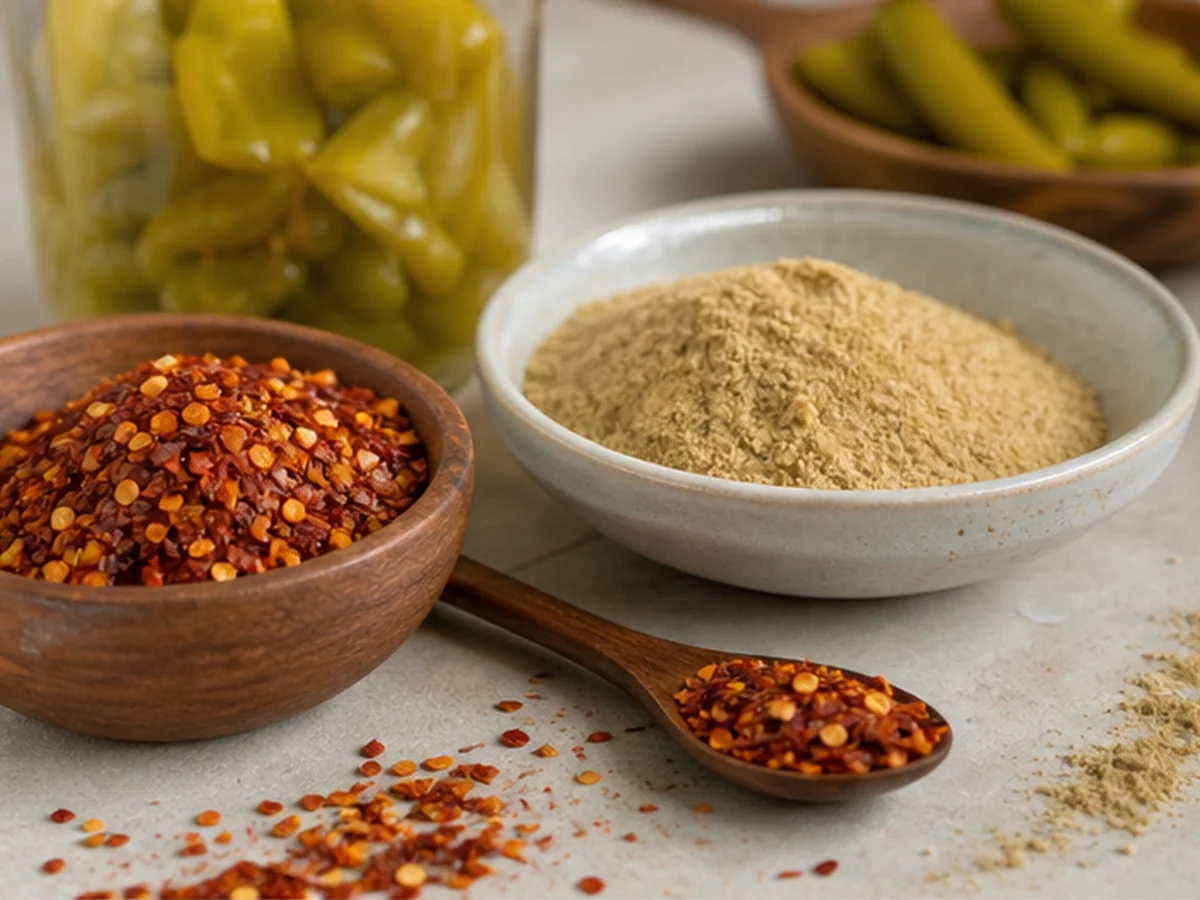
Pepper flakes and dried powder
Dry chili blends are more concentrated than a watery fresh slice and can spread through the air. They may also contain garlic, onion, salt, smoke flavor, anticaking agents, or other ground peppers.
Move the cat from the room before sweeping, wipe contaminated paws, and ventilate without using fragranced sprays. Persistent cough, eye pain, vomiting, or respiratory effort warrants veterinary advice.
Kittens and senior cats
A kitten’s narrow airway and tiny calorie allowance make slippery rings and seasoned brine particularly poor choices. Senior cats may have dental pain, kidney disease, hypertension, or medication that changes the response.
Skip intentional tastes for both groups and call earlier when symptoms appear. Age itself is not the only factor, but it often travels with smaller margins and hidden disease.
Frequently asked questions
Are banana peppers toxic to cats?
Plain mild flesh is not recognized as a common feline poison, but capsaicin, acidity, seasoning, and physical parts can cause trouble. Avoid intentional feeding.
Can cats eat pickled banana peppers?
They should not. Pickled rings add brine, salt, vinegar, and possible garlic or onion without offering feline benefit.
What if my cat licked hot-pepper juice?
Wipe the mouth area gently, offer access to water, and call for persistent pain, vomiting, eye exposure, coughing, or breathing changes. Do not force milk.
The bottom line
A tiny fresh mild pepper bite is usually an irritation question rather than a poisoning crisis, but it is not worth serving. Heat, brine, Allium seasoning, mixed foods, plant products, symptoms, and swallowed hardware are the important details.