Can Cats Eat Cucumbers? Peel, Seeds, Portions, and Pickles
Yes, most healthy adult cats can eat a tiny piece of plain cucumber, but they do not need it. Wash it, peel tough skin, remove large seeds, and cut the flesh into pea-sized pieces, because a cool crunch should not become a choking contest.
The safest way to offer cucumber
Choose a fresh, firm cucumber without mold, slime, or a sour smell. Rinse it under running water, cut away damaged areas, peel waxed or tough skin, and serve one or two tiny pieces without salt, dressing, dip, vinegar, or seasoning.
Let your cat sniff first and accept a polite refusal. Cats are obligate carnivores, and cucumber enthusiasm is a personality detail rather than a nutritional requirement.
The Cornell Feline Health Center recommends complete balanced food and occasional treats. A watery vegetable should not take meaningful space from the food supplying feline protein, amino acids, fatty acids, vitamins, and minerals.
How much cucumber can a cat have?
Start with one piece no larger than a pea and wait until the next day. A new food can cause vomiting, gas, loose stool, or appetite changes even when it is not toxic.
If your cat tolerates it, two or three tiny pieces on rare occasions are enough. A whole slice, spear, mini cucumber, or bowl of diced salad is far more than a cat needs.
Count cucumber among all extras, including pill treats, dental treats, table tastes, and rewards from other family members. Low-calorie is helpful only when the portion stays low.
Peel, seeds, and texture
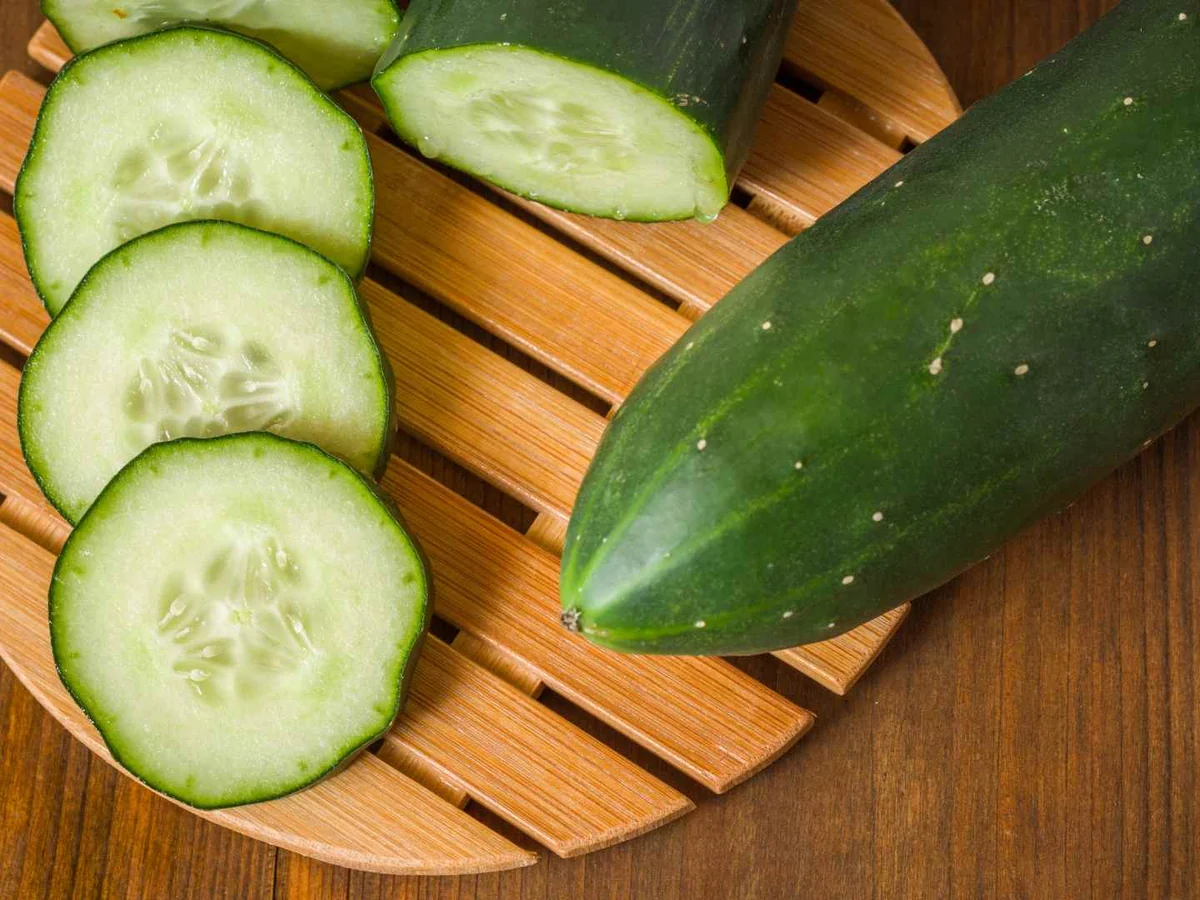
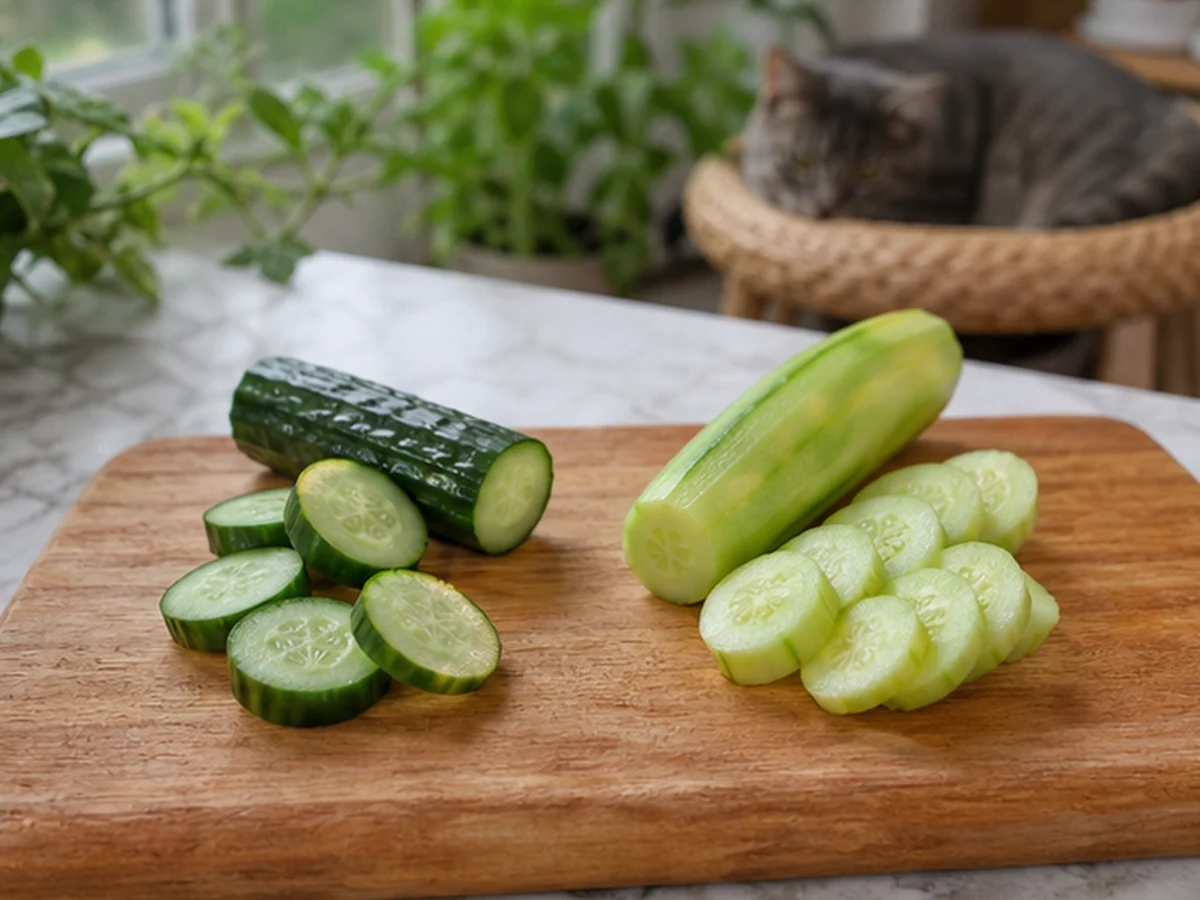
Thin tender skin is not poisonous, but it can be tough, bitter, waxed, or harder to digest. Peeling removes a practical concern and makes it easier to inspect the flesh.
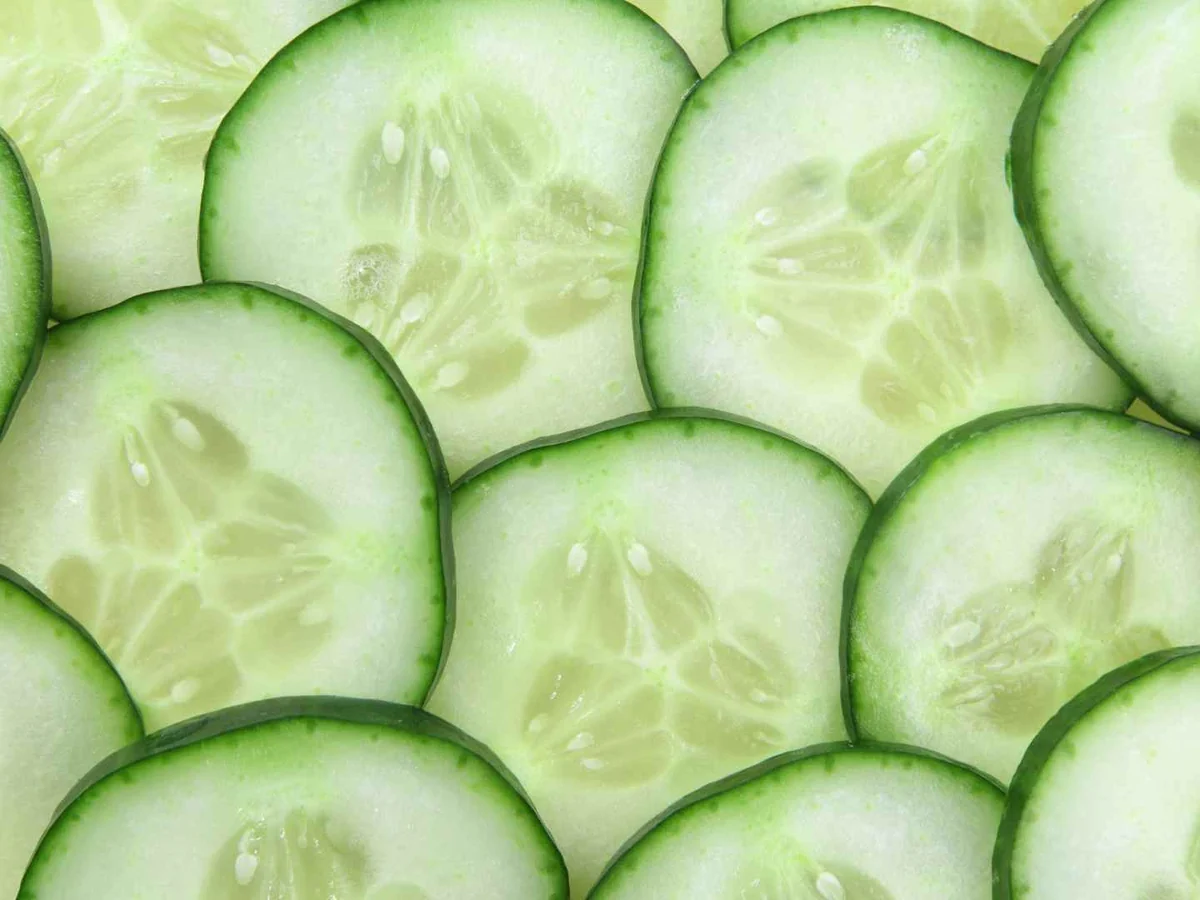
Small soft seeds in seedless or English cucumbers are generally not a problem. Scoop out large, mature, or hard seeds because they add texture without benefit and may be awkward for a small mouth.
Cut across the cucumber, then dice the slice very finely rather than offering a long strip. A cat may gulp a slick piece after one bite, especially when another pet is waiting nearby with the manners of a restaurant critic.
Raw versus cooked cucumber
Raw cucumber is the usual form and is acceptable in tiny, prepared pieces. Its crunch can be entertaining, but crunch is not dental care and will not remove tartar or replace brushing and veterinary dentistry.
Plain lightly cooked cucumber is softer but uncommon, and it must be cooled before serving. Cucumber from stir-fry, soup, curry, or a braised dish may contain onion, garlic, salt, sauce, oil, or chile.
Frozen cucumber can be too hard for teeth and may be gulped as it thaws. If you want a cool treat, refrigerate a tiny fresh piece rather than handing over an ice puck.
Food safety still matters
Fresh produce can carry harmful germs from soil, water, handling, or cross-contamination. The FDA’s produce safety guidance recommends washing produce under running water, using clean tools, and keeping it separate from raw meat and seafood.
Do not wash cucumber with soap, bleach, or household cleaner. Rinse it, dry it with a clean towel, and use a clean cutting board that did not just hold raw chicken.
Refrigerate cut cucumber promptly in a covered container and discard pieces left warm for an extended period. The CDC notes that cucumbers and other produce have been linked to Salmonella outbreaks, a reminder that fresh-looking food can still be contaminated.
Can cats eat pickles?
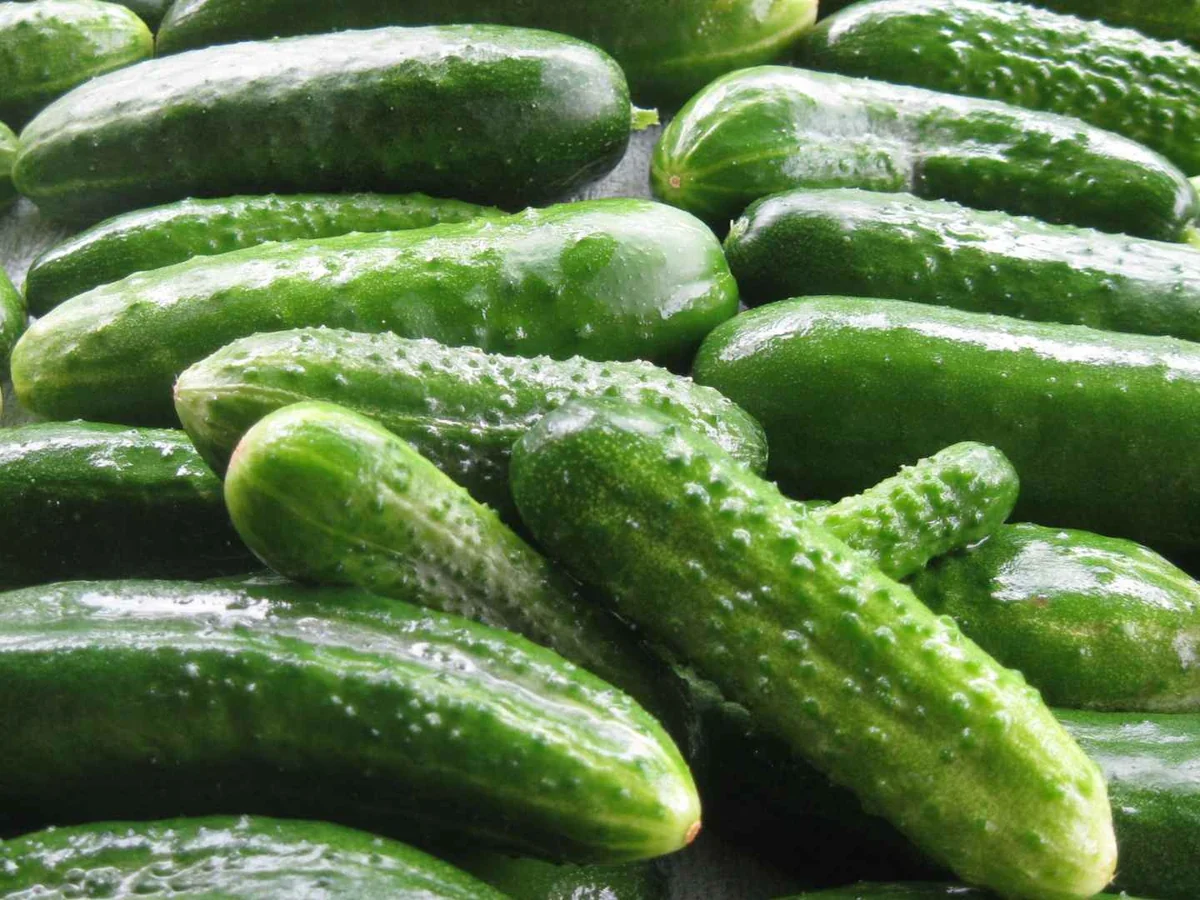
Pickles are not equivalent to fresh cucumber. Brine may contain substantial salt, garlic, onion, spices, chile, sugar, sweeteners, vinegar, and preservatives.
A tiny lick of ordinary pickle juice may only cause drooling or stomach upset, but a large exposure or a product containing alliums deserves veterinary advice. Do not pour brine over cat food or use it to encourage drinking.
Read our dedicated pickle guide for cats for dill, sweet, bread-and-butter, spicy, fermented, and refrigerator varieties. The jar lid, glass, absorbent seal, and plastic safety band also need to stay beyond paw range.
Cucumber salad, sandwiches, and dips
Cucumber salad often includes onion, garlic, vinegar, sugar, salt, oil, herbs, or dairy dressing. Removing a visible onion ring does not remove dissolved seasoning or juice from the remaining slice.
Tzatziki and creamy dips may contain garlic, yogurt, salt, herbs, lemon, and oil. Many cats digest lactose poorly, while garlic is a much more serious reason to keep the bowl covered.
Cucumber sandwiches add bread, butter, cream cheese, mayonnaise, smoked fish, seasoning, and sometimes toothpicks. Assess the entire stolen item, including wrapping and skewers, rather than reporting only the green part.
Does cucumber hydrate a cat?
Cucumber contains abundant water, but a few safe-sized pieces provide only a small amount. It cannot correct dehydration caused by vomiting, diarrhea, kidney disease, fever, heat illness, or poor intake.
Offer fresh plain water in clean bowls and consider wet cat food if it fits the veterinary plan. A cat producing smaller urine clumps, drinking unusually, vomiting, hiding, or acting weak needs medical assessment.
Do not float cucumber slices in the main water bowl if your cat dislikes the scent. A wellness garnish that reduces drinking has achieved the exact opposite of the goal.
Does cucumber help cats lose weight?
A tiny piece has few calories, but successful feline weight loss requires a measured complete diet that preserves nutrients and lean body mass. Replacing balanced food with vegetables can create deficiencies without producing a safe rate of loss.
Ask your veterinarian to confirm target weight, daily calories, treat allowance, and monitoring schedule. Rapid weight loss or prolonged poor intake can be dangerous for cats.
Part of the measured kibble ration or a small amount of usual wet food may be a more predictable reward. Cucumber is optional variety, not a metabolic strategy.
What should I do after my cat swallows a large cucumber piece?
Remove the remainder and determine whether the piece included thick peel, hard seeds, a long strip, a skewer, plastic wrap, or unsafe toppings. Watch for gagging, repeated swallowing, drooling, coughing, vomiting, refusal to eat, abdominal pain, hiding, or lethargy.
Breathing difficulty, blue or pale gums, collapse, or severe distress requires emergency care. For possible digestive obstruction, the Merck Veterinary Manual explains that vomiting and appetite loss are common signs and that unresolved blockage can become life-threatening.
Do not induce vomiting or give oil, bread, pumpkin, hairball remedy, or human medication. Call your veterinarian with the cat’s weight, amount, preparation, timing, and symptoms.
Cats who should skip cucumber
Cats with swallowing disorders, weak teeth, chronic vomiting, inflammatory bowel disease, or previous obstruction should not receive crisp pieces without veterinary approval. Kittens and enthusiastic gulpers need particular attention to size and texture.
Cats on prescription kidney, urinary, gastrointestinal, allergy, diabetes, or weight-loss diets should stay with the plan. Even a low-calorie food can introduce an unapproved variable or reduce intake of the prescribed meal.
During an elimination diet, cucumber may or may not be allowed depending on the protocol. Ask rather than assuming all vegetables are neutral.
Cucumbers and frightened cats
Videos that place a cucumber behind an eating cat rely on a startle response, not a charming vegetable preference. Do not deliberately frighten your cat for a reaction because panic can cause falls, collisions, stress, or food-area avoidance.
Let cats inspect new objects from a comfortable distance and control the approach. Predictable feeding areas help them eat without scanning for surprise produce.
If your cat suddenly avoids the bowl, move it to a quiet location and check for pain, nausea, conflict with another pet, or a frightening event. Persistent appetite loss needs a veterinary call.
Safer produce comparisons
Our cucumber guide for dogs covers peel, seeds, cutting, and salad risks, but dog portions do not transfer to cats. The preparation principles overlap while nutritional needs differ.
Zucchini looks similar but is a different plant and product question, covered in our zucchini guide. Identify the actual vegetable before deciding that a green slice is harmless.
The best feline reward remains easy to chew, easy to count, and compatible with the complete diet. Your cat may vote for unattended salmon, but the household nutrition committee retains veto power.
Frequently asked questions
Can cats eat cucumber every day?
There is no need to make it daily. Occasional tiny pieces are enough if your healthy cat enjoys and tolerates them.
Can kittens eat cucumber?
A weaned kitten could taste one minuscule soft piece, but balanced kitten food deserves nearly all calorie space. Ask your veterinarian before adding table foods during rapid growth.
Can cats eat cucumber skin?
Thin washed skin is not known as a toxin, but peeling reduces toughness, wax, bitter flavor, and digestive load. It is the simplest preparation choice.
Why does my cat like cucumber?
The cool temperature, wet surface, crunch, movement, or novelty may be interesting. Preference does not prove need, so keep the serving tiny.
Cucumber-infused human drinks deserve their own ingredient check because they may contain citrus, mint extracts, carbonation, caffeine, alcohol, electrolytes, or sweeteners. Do not let a cat drink from a cocktail, spa-water pitcher, or supplement bottle simply because cucumber slices are floating on top.
Garden cucumbers should be kept away from pesticides, fertilizers, slug products, and treated mulch before they reach the kitchen. If a cat chewed the plant or contacted a garden chemical, identify the exact product and call a veterinarian rather than assuming the vegetable explains the exposure.
Multi-cat households should trial new foods one cat at a time. Individual serving lets you know who ate the cucumber and whose litter-box change matters, while preventing a faster cat from collecting every supposedly tiny portion.
Bottom line
Most healthy cats can sample one or two pea-sized pieces of washed, peeled, plain cucumber. Keep pickles, dips, seasoned salads, tough chunks, packaging, and scare-video setups away, and call your veterinarian for choking signs, repeated vomiting, risky ingredients, or a large uncertain ingestion.