Can Cats Eat Raspberries? Fresh Fruit, Xylitol, Mold, and Portions
One plain, ripe raspberry is not considered poisonous to cats, but a whole berry is more snack than a cat needs. Wash it, remove any stem or leaf, flatten a pea-size piece, and skip jam, syrup, pie, chocolate coatings, sugar-free products, and moldy fruit.
After a processed-food raid, check every ingredient. Call for xylitol, chocolate, alcohol, grapes, raisins, symptoms, or swallowed packaging.
The berry itself is the easy part
Fresh raspberry flesh is mostly water and carbohydrate with fiber and natural sugar. It does not supply anything a cat needs badly enough to justify a regular berry course.
Cats are obligate carnivores, and Cornell’s feline feeding overview explains that their required nutrient pattern depends heavily on animal-source ingredients. A raspberry can be an occasional curiosity, not a nutrition strategy.
Some cats sniff a berry and leave with an expression suggesting a service complaint. That is a perfectly good outcome, and there is no reason to sweeten the fruit to improve its Yelp score.
How to offer a raspberry without creating a purple incident
Choose a firm berry with no visible mold, leaking juice, fermentation smell, or mushy collapse. Rinse it under cool running water, following the FDA advice to wash produce without soap or detergent.
Pull away the receptacle, stem, and leaf fragments, then mash or quarter a small section. Flattening the piece matters more for a cat who inhales treats than for a patient chewer.
Offer the sample on a clean dish and pick it up when the tasting session ends. A rejected berry under the sofa can collect hair, cleaner residue, string, or enough time to become a different food-safety question.
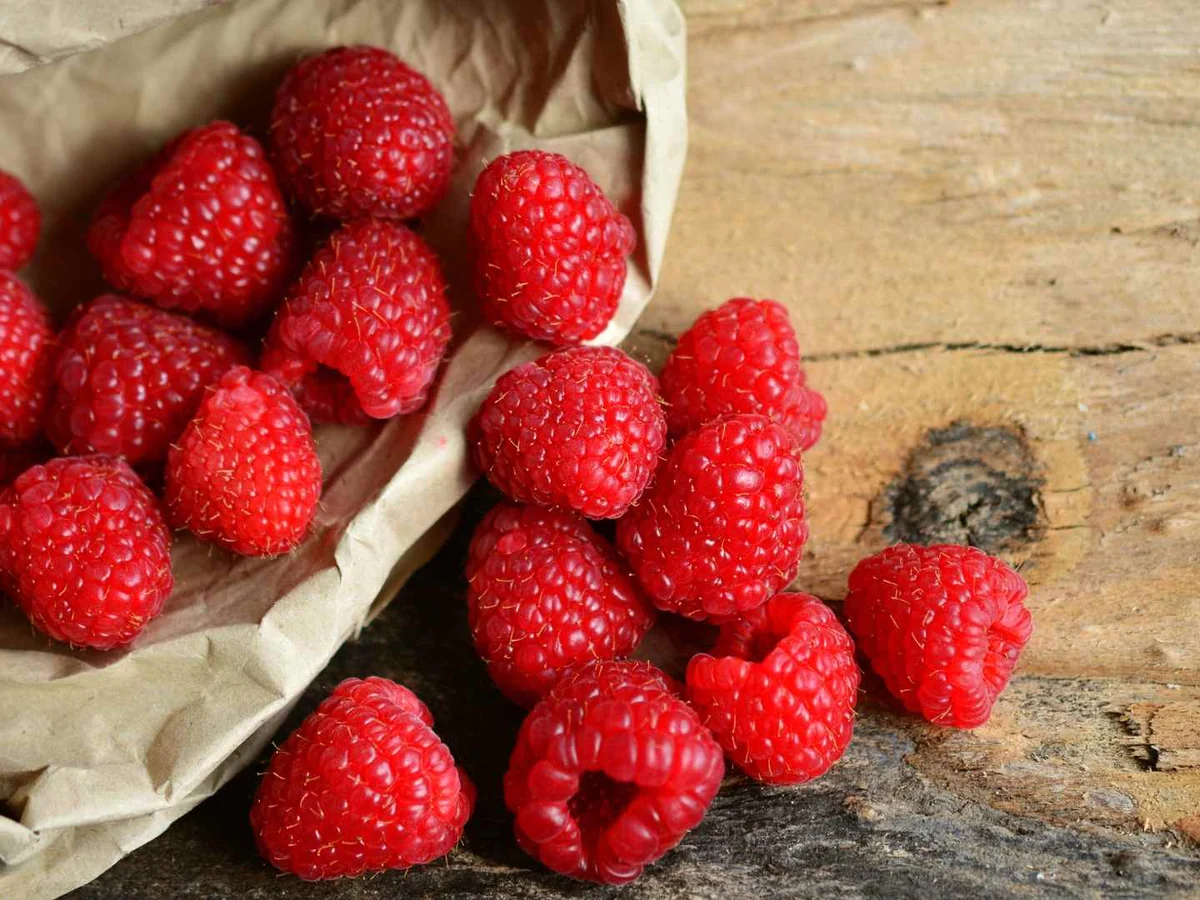
Fresh, frozen, dried, and wild are four different snacks
Frozen raspberries
A hard frozen berry can be a choking or tooth hazard, so thaw it completely before cutting. Mixed frozen-fruit bags may contain grapes or cherries with pits, which makes scooping blindly from the bag a poor plan.
Dried and freeze-dried raspberries
Removing water concentrates each bite and creates a chewy or brittle texture. Commercial dried fruit may also carry sugar, oil, preservatives, yogurt coating, chocolate, or a desiccant packet that belongs nowhere near a cat.
Wild raspberries
Do not serve a berry simply because it resembles the grocery version. Plant identification, roadside contaminants, lawn chemicals, wildlife feces, and nearby toxic plants all complicate the backyard sample.
The xylitol question needs a careful answer
Raspberries are sometimes discussed online because trace naturally occurring sugar alcohols have been measured in some produce. That fact does not make a fresh raspberry equivalent to gum, candy, frosting, or another product formulated with concentrated xylitol.
Severe xylitol poisoning is well established in dogs, while comparable feline sensitivity has not been established. The honest response is to avoid manufactured xylitol products and call after exposure, not to invent a feline toxic dose or label a plain berry as poison.
Check for the ingredient names xylitol and birch sugar on sugar-free jam, candy, gummies, drink mix, baked goods, and supplements. A poison specialist will want the product, concentration, amount possibly missing, time, and your cat’s weight.
Jam, yogurt, pastries, and smoothies
Raspberry jam delivers concentrated sugar and may include xylitol, grape juice, alcohol-based flavoring, or other fruit. Jar lids, foil seals, and broken glass add physical hazards when a cat knocks the breakfast spread down.
Fruit yogurt combines the berry with dairy, sweetener, thickeners, and flavoring. Many adult cats digest lactose poorly, and our boiled egg guide offers a simpler cooked protein treat when extras are appropriate.
Raspberry pastries may contain raw dough, chocolate, raisins, macadamias, butter, cream, or xylitol. Save the bakery label or recipe, since the red filling may be the least important part of the theft.
Smoothies can hide grapes, protein powders, caffeine, cocoa, supplements, dairy, or sugar substitutes. A picture of three berries on the cup is not an ingredient list.
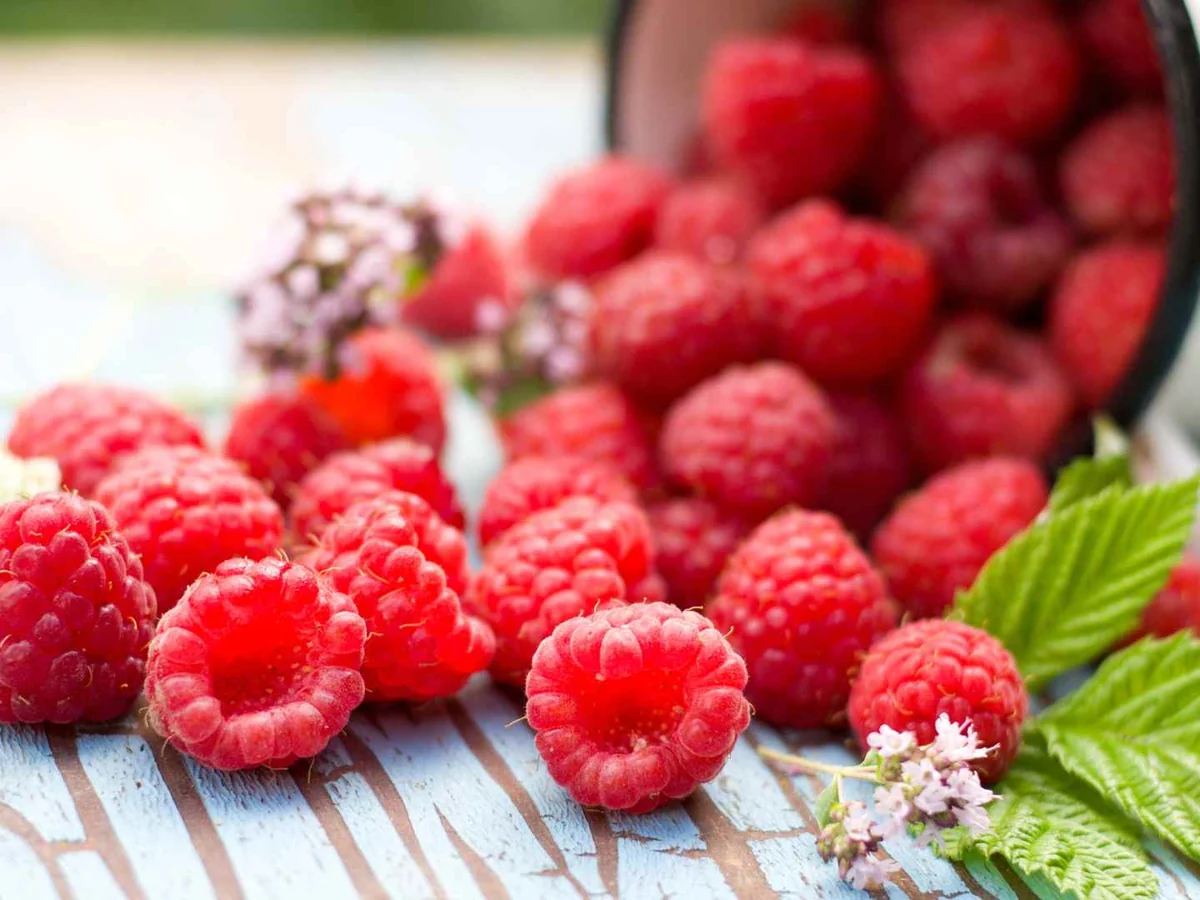
Mold and fermentation are reasons to throw the carton away
Raspberries spoil quickly because their delicate structure traps moisture and is easily damaged. Do not rinse off a moldy patch or feed berries picked from the “good side” of a fuzzy carton.
Fermenting fruit can produce alcohol, and an overripe smell is not a sign that a berry has become more natural. Secure compost and kitchen scraps because mold, fermentation, pits, coffee grounds, and other discarded foods mingle there.
How large is a cat-size portion?
No formal feline serving is required because raspberries are optional. One flattened pea-size piece is enough for a first taste, and an entire berry is already generous for a small animal.
Extras should not crowd out food labeled for complete nutrition. The FDA explains how “complete and balanced” is substantiated, while fruit and ordinary treats make no such promise.
Stop after vomiting, diarrhea, gas, itching, or an appetite change. A reaction does not automatically prove allergy, but it does retire raspberry from the casual snack rotation until your veterinarian advises otherwise.
Cats who should pass on the berry bowl
Kittens need room for growth food, and cats with diabetes, obesity, digestive disease, food allergy, or a prescription diet need individualized treat rules. Sugar content matters less than the fact that an unnecessary food can disrupt a carefully designed plan.
During an elimination-diet trial, one berry-flavored treat can introduce several unapproved ingredients and blur the result. Ask the supervising clinic before testing anything outside the prescribed foods.
Garden berries bring garden questions
A potted raspberry cane may have fertilizer pellets, systemic insecticide, slug bait, landscape fabric, wire supports, or plastic ties around it. Photograph every product used near the plant if a cat chews more than the berry.
Thorns can injure the mouth and paws, while long plant fibers may trigger gagging or vomiting. Inspect the cat gently, but do not reach deep into the throat or tug material that appears anchored.
Bird netting is particularly poor cat equipment because claws, teeth, and limbs can become trapped. Use a rigid barrier around edible plants rather than loose mesh where a curious cat patrols.
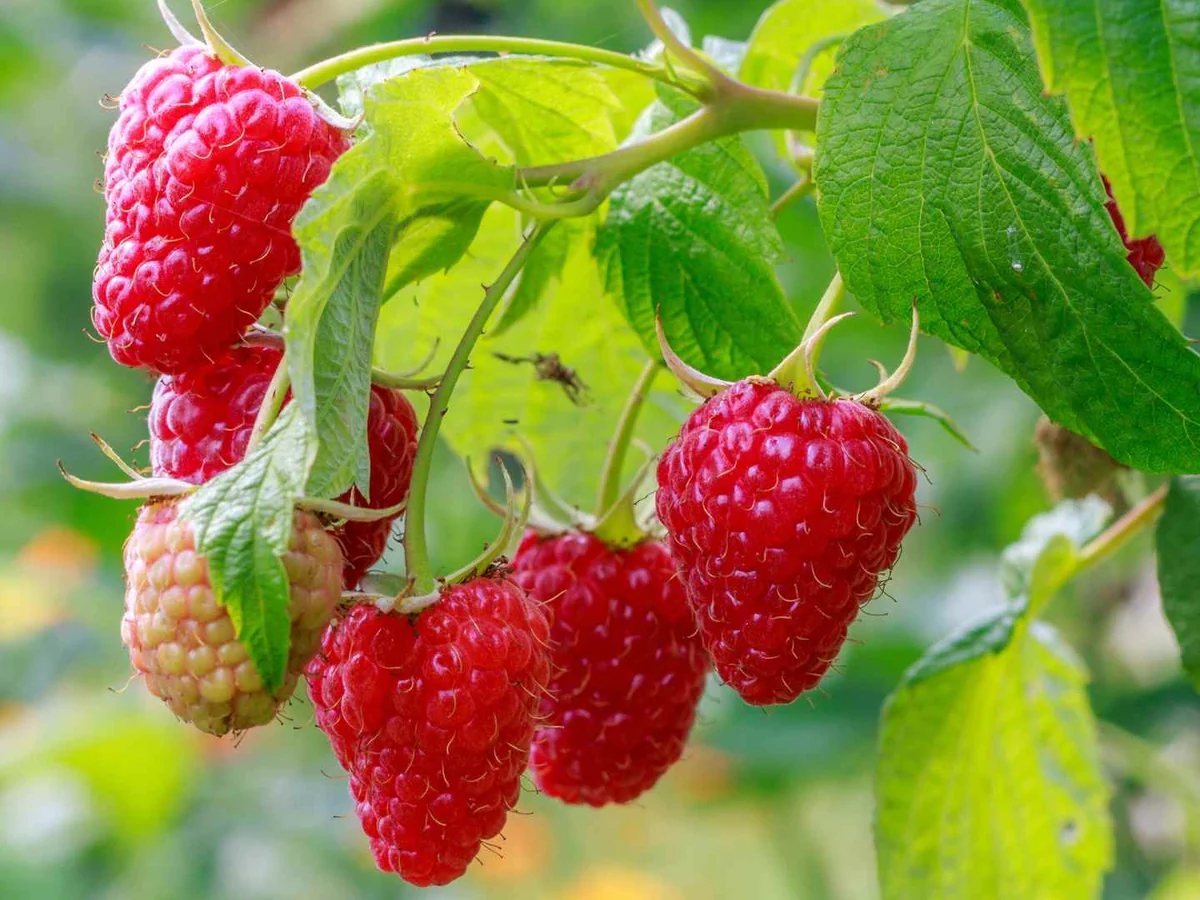
Treat calories have a budget
A single raspberry is small to a person but sits inside a day that may already include dental treats, pill pockets, lickable tubes, table scraps, and rewards. Count all extras together instead of evaluating each one in splendid isolation.
Ask the clinic to calculate an appropriate treat allowance if weight loss or diabetes management is underway. Food scales and calorie labels beat the familiar kitchen measurement known as “just a smidge.”
Using a piece of regular kibble as a reward preserves both familiarity and nutritional accounting. For wet-food cats, a teaspoon reserved from the meal can perform the same ceremonial function.
If stomach upset appears
One loose stool after a new food may resolve once the food stops, but repeated vomiting, watery diarrhea, blood, fever, pain, or lethargy need professional advice. Bring a photo of the product and the stool if the clinic requests it.
Do not fast a cat for an extended period or substitute fruit and rice without veterinary direction. Cats that eat too little can develop serious metabolic trouble, particularly when overweight or already ill.
When the carton hits the floor
- Move the cat. Pick up berries, leaves, carton pieces, film, absorbent paper, and elastic bands.
- Read the recipe. Identify chocolate, grapes, raisins, alcohol, xylitol, caffeine, and raw dough.
- Keep evidence. Photograph the label and note the largest amount that could be missing.
- Call for real hazards. Contact a veterinarian or animal poison service for a risky ingredient, symptoms, or swallowed packaging.
- Leave vomiting to professionals. Do not give hydrogen peroxide, salt, milk, oil, or charcoal unless specifically directed.
Go to emergency care for trouble breathing, collapse, seizures, severe weakness, repeated vomiting, pale or blue gums, a painful swollen abdomen, or inability to swallow. Bring the wrapper rather than a description assembled from memory in the parking lot.
Raspberry products hiding in the pantry
Unsweetened applesauce with raspberry puree may still contain other fruits, cinnamon, lemon concentrate, or a squeeze-pouch cap. Our cat and applesauce guide explains why spoilage, sweeteners, and packaging matter even when the label sounds child-friendly.
Fruit leather and snack bars compress many berries into a sticky strip, then often add apple, grape concentrate, dates, nuts, chocolate, or sweetener. Sticky food can cling to teeth or be swallowed with a wrapper during a fast theft.
Trail mix deserves an immediate grape-and-raisin check, since raisins can resemble dark dried berries. The evidence is limited in cats, but our grape guide explains why no dependable safe feline amount should be assumed.
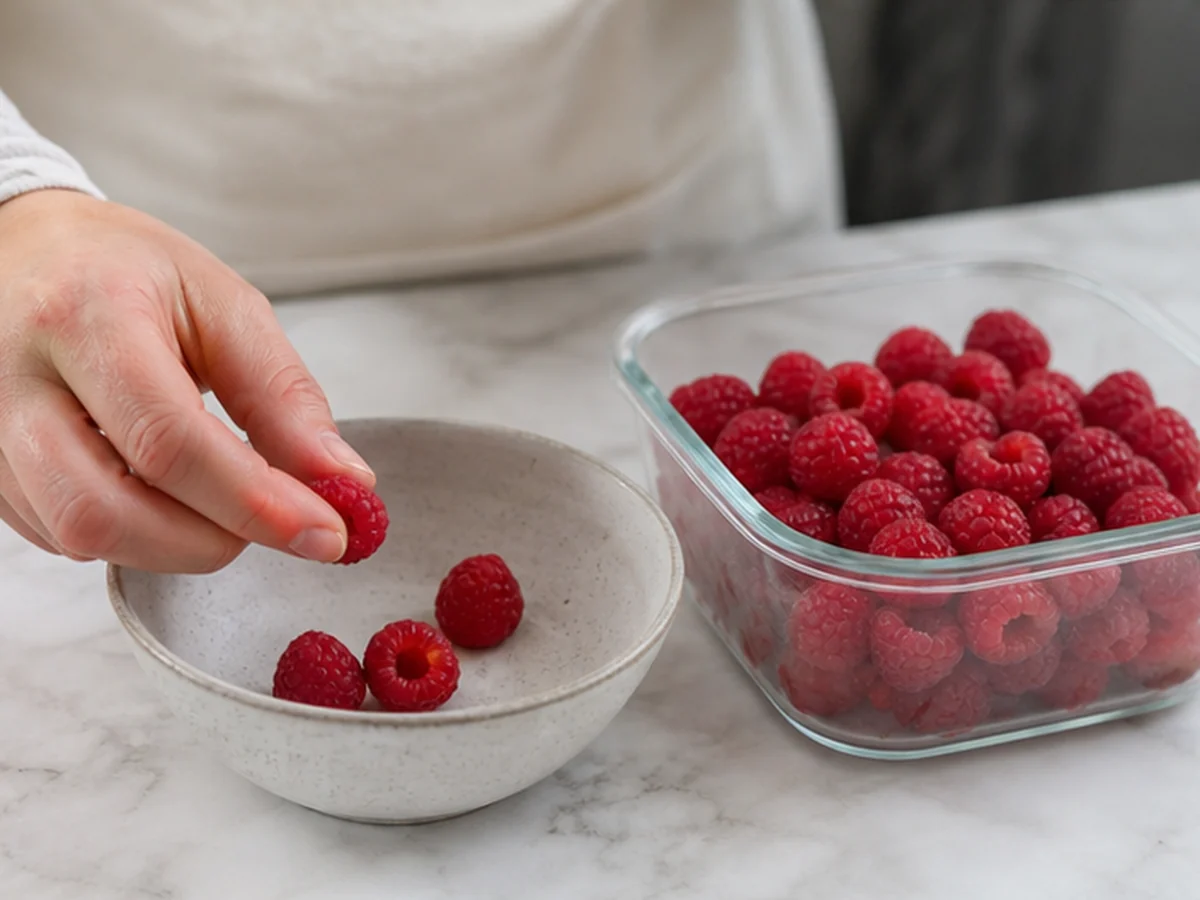
Hydration claims do not survive the portion size
Fresh raspberries contain plenty of water by percentage, yet a pea-size taste contributes very little actual fluid. Cats needing more water benefit from fresh bowls, fountains, or a veterinarian-approved wet-food plan rather than fruit arithmetic.
Do not float berries in milk or sweetened water to encourage drinking. Dairy may upset the gut, sugar is unnecessary, and a suddenly thirsty cat needs evaluation for diabetes, kidney disease, hyperthyroidism, and other medical causes.
A cat producing larger urine clumps, draining the water bowl, or losing weight should be examined promptly. Raspberry water is not a diagnostic test or treatment.
Questions berry-minded cat people ask
Can kittens eat raspberries?
There is no benefit that outweighs displacing complete kitten food in a very small stomach. Ask the kitten’s veterinarian before offering human foods.
Can cats eat raspberry leaves?
Do not use leaves as food or an herbal remedy. Plant identity, chemical residue, concentrated extracts, and supplement dosing require more certainty than a garden clipping provides.
Can cats eat raspberry ice cream?
Ice cream adds dairy, sugar, fat, flavorings, and sometimes chocolate or xylitol. The berry does not redeem the rest of the scoop.
The useful takeaway
A washed, ripe raspberry is a low-drama optional taste when it is plain, fresh, stem-free, and flattened. Keep the portion tiny, let refusal be final, and reserve the phone call for hazardous additions, illness, or missing packaging.