Can Cats Eat Broccoli? Raw, Cooked, Stems, and Seasoned Forms
Cats can eat a tiny amount of plain broccoli, but it is optional and usually easiest to serve fully cooked and finely chopped. Large raw florets and tough stalks can be awkward to chew, while butter, cheese, salt, garlic, onion, dips, casseroles, and packaging change the answer.
The practical verdict
For a healthy adult cat that insists on investigating your dinner, one pea-sized piece of soft steamed floret is plenty. Most cats will either ignore it or bat it under an appliance, and neither response signals a nutritional emergency.
Broccoli should not replace meat, balanced cat food, or veterinary treatment for constipation or weight problems. Cats are obligate carnivores, so the headline benefits people associate with vegetables do not turn broccoli into required feline nutrition.
The form matters more than the vegetable’s reputation
- Soft cooked floret: The simplest form for a tiny occasional taste.
- Raw floret: Not known to be poisonous, but firmer, bulkier, and more likely to cause gas or be swallowed awkwardly.
- Stalk or stem: Fibrous and hard unless peeled, cooked, and cut very small.
- Frozen broccoli: Thaw and cook it rather than offering a rock-hard frozen piece.
- Seasoned broccoli: May contain unsafe alliums, excess salt, rich fat, or hot spices.
- Broccoli plant or garden scraps: Bring pesticide, fertilizer, soil, mold, and identification questions.
The amount and cat matter too. A single soft crumb in a healthy adult is a different event from a kitten swallowing half a raw stalk or a cat with inflammatory bowel disease eating creamy broccoli casserole.
For the broader product map, our broccoli guide for dogs also separates plain florets from stems, seasonings, and oversized pieces. Use its kitchen checklist, then rely on this guide and your veterinarian for the cat-specific decision.
Why cooking and cutting help
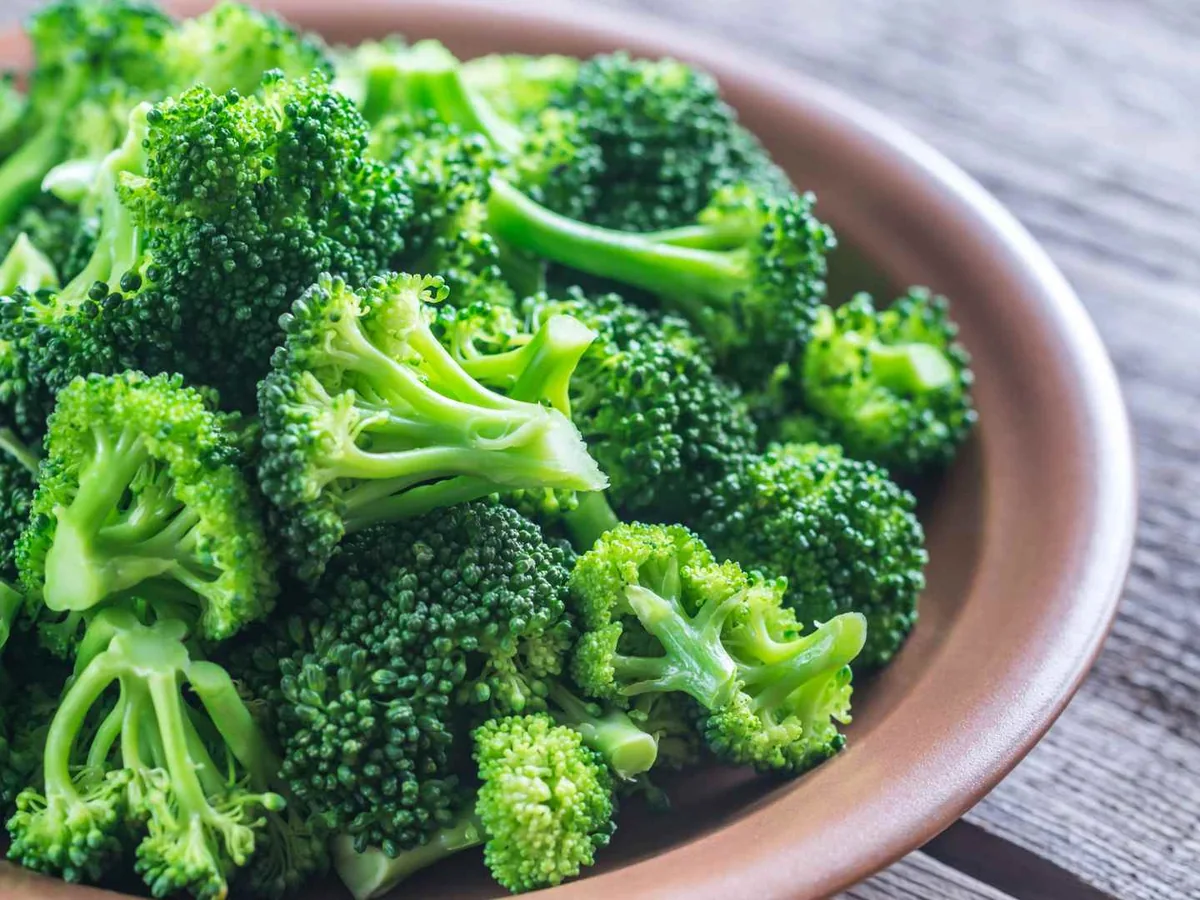
Steaming or boiling broccoli until soft makes the plant fibers easier to chew. Cooking does not make an oversized piece safe, so chop the floret into a pea-sized bit and mash any firm stem.
Raw broccoli is crunchy and can break into lumpy pieces that a cat may gulp. Our raw broccoli guide maps the mechanical and product differences, but its dog portions should not be copied onto cats.
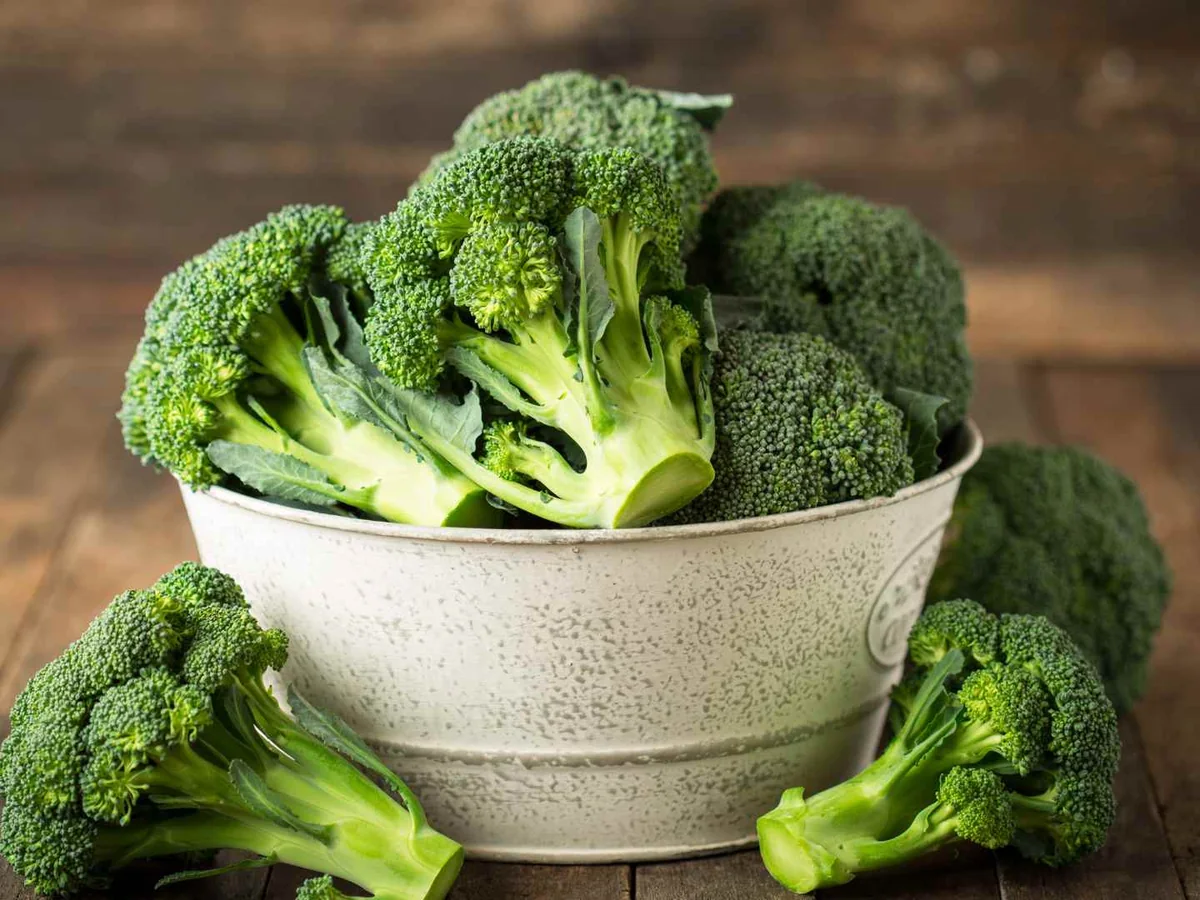
Stalks are tougher than florets and can be stringy even after cooking. The broccoli stem guide shows how peeling, cooking, and crosswise cutting change texture, while this page supplies the feline context.
Signs that need prompt help
- Open-mouth breathing, obvious choking, blue or pale gums, collapse, or severe distress.
- Persistent gagging, thick drool, frantic swallowing, or mouth-pawing can signal a lodged floret or stalk.
- Repeated vomiting, water coming straight back up, or a tense swollen abdomen after broccoli deserves prompt assessment.
- Marked lethargy, food refusal, reduced stool, or worsening discomfort after a large stalk.
- Pale gums, weakness, fast breathing, or dark urine after onion- or garlic-seasoned food.
Do not push a lodged piece down with bread, oil, or water and do not sweep blindly with your fingers. Breathing distress is an emergency, while persistent vomiting or food refusal after a large hard piece deserves same-day veterinary assessment.
How much broccoli can a cat have?
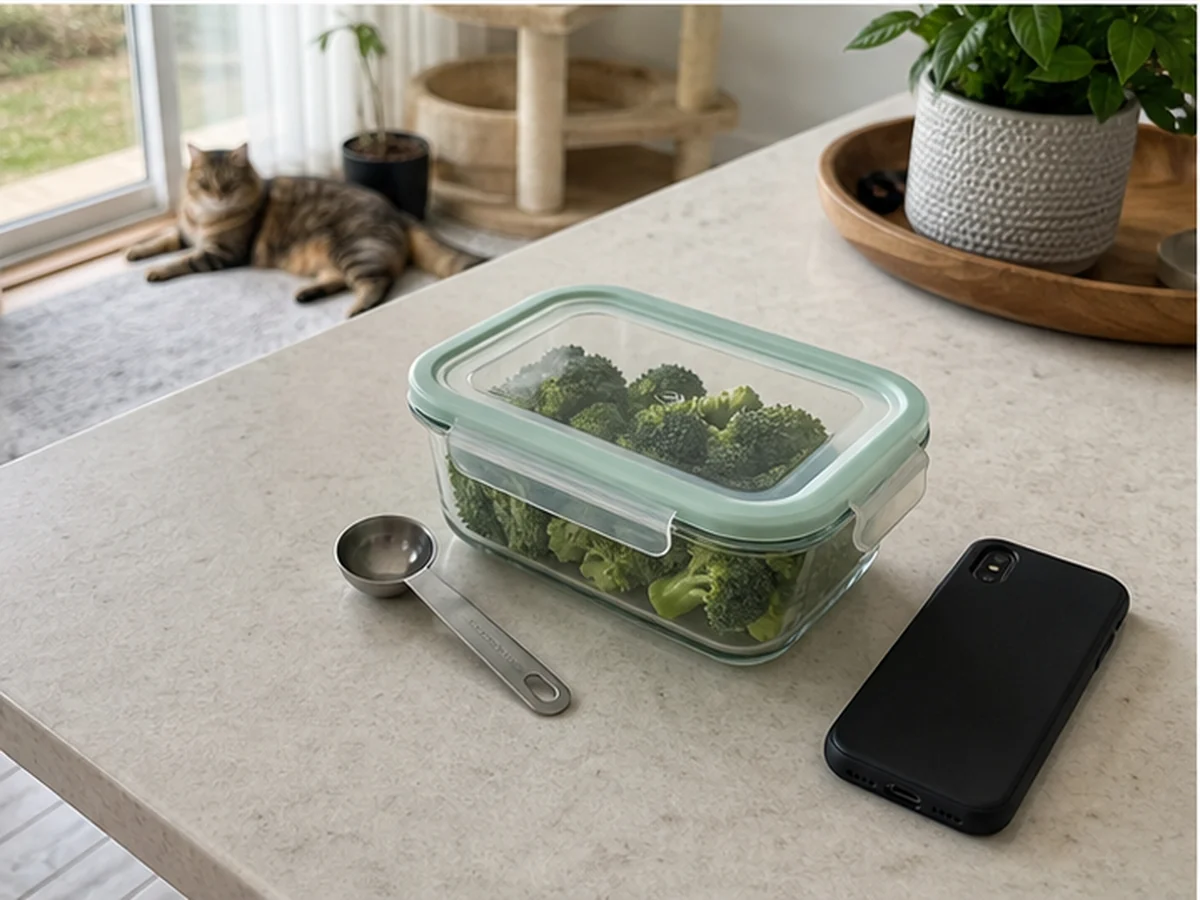
There is no feline need for broccoli, so one pea-sized piece is a sensible first and final serving. A larger cat does not need a tree-shaped snack scaled to body weight.
Too much plant material may cause gas, vomiting, soft stool, diarrhea, or appetite change. Introduce only one new food at a time so you can tell what caused a reaction.
The Cornell Feline Health Center explains that cats are obligate carnivores and that treats are not complete nutrition. A cat’s main food should carry an appropriate nutritional adequacy statement for its life stage.
A simple preparation method
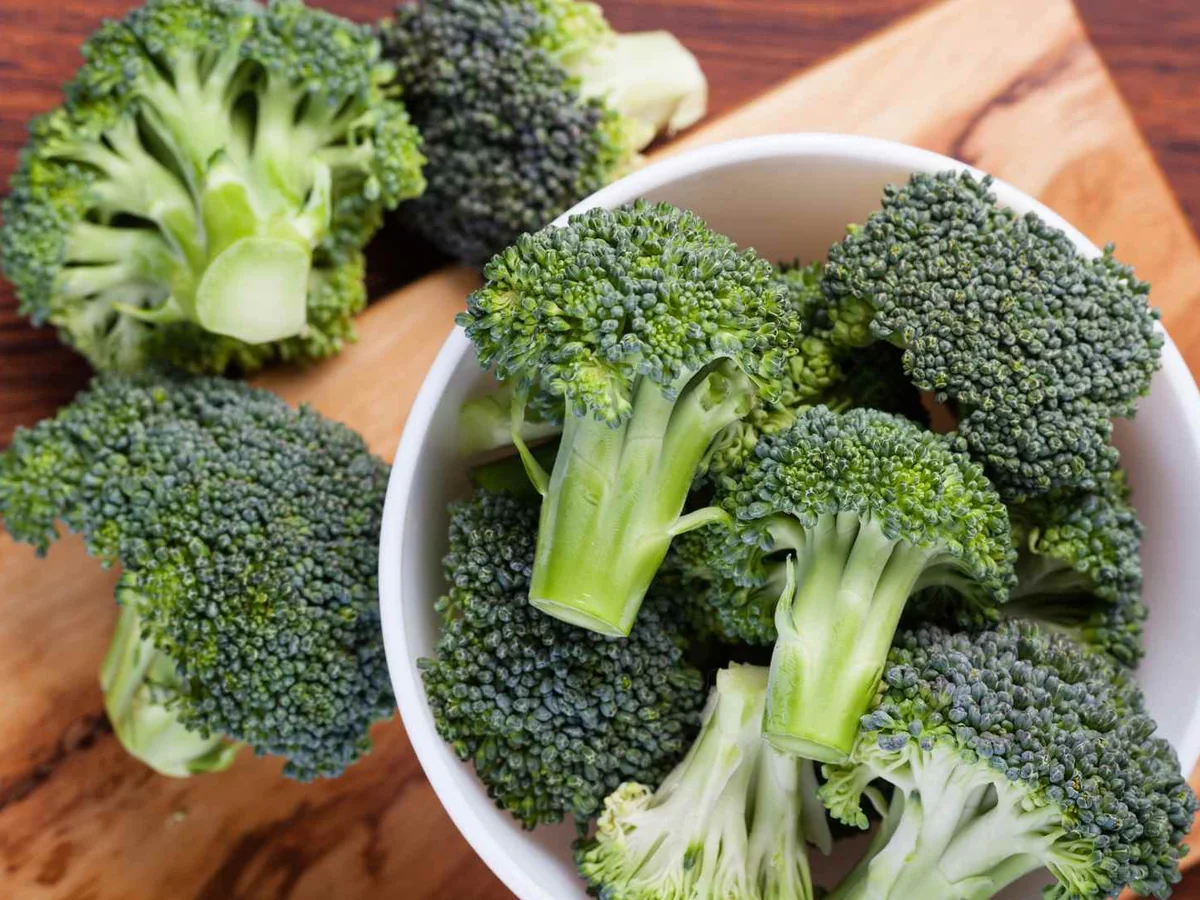
- Choose fresh broccoli without slime, yellow decay, mold, or an unpleasant odor.
- Rinse it under plain running water and keep it away from raw meat utensils.
- Steam or boil it until the floret and any stem are soft.
- Cool it fully and cut one pea-sized piece.
- Serve it plain without oil, butter, salt, cheese, sauce, or seasoning.
The FDA produce-safety guidance recommends washing produce under running water without soap or detergent and discarding produce that looks rotten. Washing reduces surface contamination but does not make spoiled broccoli usable.
Raw broccoli and frozen florets
A tiny finely minced raw floret is unlikely to poison a cat, but raw texture offers no advantage over soft cooked broccoli. Firm pieces can irritate digestion, produce gas, or be swallowed with little chewing.
Frozen florets can be tooth-hard and slippery, so do not use them as crunchy summer treats. Thaw and cook a piece, then check the frozen blend for onion, garlic, cheese sauce, seasoning, or mixed vegetables.
Never give a hot piece directly from a steaming bowl. Cats investigate with noses and mouths, and a heat burn is a remarkably unfair reward for curiosity.
Broccoli stems and leaves
Stems are edible plant tissue but can be dense, fibrous, and difficult for a cat to break down. Large coins and long strips are poor choices because they can lodge in the mouth or travel as an indigestible chunk.
Broccoli leaves can also cause digestive upset in quantity and may carry garden residue. A clean tiny cooked leaf fragment is different from grazing on a treated plant or compost pile.
The Merck Veterinary Manual obstruction review lists vomiting, appetite loss, lethargy, abdominal pain, diarrhea, and shock among possible signs. Those signs have many causes, but a known swallowed stalk belongs in the veterinary history.
Cheese, butter, sauces, and casseroles
Broccoli with cheese sauce can be high in fat, sodium, and lactose, while garlic butter adds an allium that can damage feline red blood cells. Restaurant sauces may contain onion powder even when no onion pieces are visible.
Broccoli casserole can contain cream soup, cheese, fried onions, garlic, bacon, crumbs, salty broth, and foil. The broccoli is almost background scenery at that point, so save the recipe or package and inventory every ingredient.
One lick of plain cheese sauce is usually a different exposure from eating a serving with onion or garlic. Call promptly for alliums, a large rich amount, a vulnerable cat, or symptoms rather than waiting for a perfect quantity estimate.
Dips and raw vegetable trays
Ranch, onion dip, hummus, spinach dip, and cheese dip often contain garlic, onion, chives, salt, dairy, oils, or hot spices. A raw broccoli floret dragged through dip is no longer plain broccoli.
Party trays also bring toothpicks, skewers, plastic wrap, foil seals, and small sauce-cup lids. Report a missing nonfood item to the veterinary team immediately because foreign bodies can matter more than the vegetable.
Broccoli sprouts and powders
Raw sprouts are grown in warm, humid conditions that can support bacterial growth, and rinsing cannot guarantee safety. They are an unnecessary treat, particularly for kittens, seniors, pregnant cats, and cats with immune compromise.
Broccoli powders and supplements are concentrated products that may add vitamins, minerals, herbs, sweeteners, or proprietary blends. Do not add a human greens powder to cat food unless the treating veterinarian has approved the exact product and amount.
A supplement label can look wholesome while delivering far more of a compound than one floret. More is not automatically better, and complete cat food already contains its intended nutrient balance.
Can broccoli help constipation or weight loss?
Do not use broccoli as a home treatment for straining, hard stool, obesity, or diabetes. Constipation may involve dehydration, pain, obstruction, kidney disease, medication effects, neurologic disease, or megacolon, and extra fiber is not universally helpful.
Weight loss in cats requires a calorie-controlled complete diet that still supplies adequate protein and nutrients. Sudden severe restriction can be dangerous, so build the plan with a veterinarian rather than filling the bowl with vegetables.
Cats that should skip broccoli
- Kittens, whose small meals should support growth with complete nutrition.
- Cats with chronic gastrointestinal disease or food-triggered vomiting and diarrhea.
- Leave broccoli out when the veterinary plan requires a prescription food or a tightly controlled ingredient trial.
- Cats with dental pain, swallowing difficulty, pica, or previous obstruction.
- Any cat currently vomiting, not eating, dehydrated, or recovering from illness or surgery.
The issue is not that one cooked crumb becomes poisonous in every condition. Broccoli is simply an optional extra that can complicate a medical or dietary plan without offering a proven feline benefit.
What to do if your cat ate broccoli
- Remove the broccoli, dish, dip, garden product, and packaging.
- Check breathing, swallowing, alertness, and abdominal comfort.
- Identify raw, cooked, frozen, stalk, casserole, seasoned, or treated plant material.
- Note how much broccoli or casserole may be gone, when it happened, and which recipe or package identifies the other ingredients.
- Call for choking signs, a large hard piece, alliums, missing packaging, garden chemicals, a vulnerable cat, or any symptom.
Do not induce vomiting or give hydrogen peroxide, salt, oil, milk, bread, or charcoal unless a veterinary professional directs you. Leave water accessible for a comfortable, alert cat and avoid pressing more food after broccoli comes back up.
Frequently asked questions
Can kittens eat broccoli?
Kittens do not need vegetables, and raw florets or stalks are large relative to a kitten’s mouth. Use complete kitten food and appropriately sized kitten treats.
Can cats eat broccoli every day?
Daily broccoli is unnecessary and can displace balanced food or cause gas and stool changes. Keep any veterinarian-approved taste tiny and occasional.
Can cats eat cauliflower with broccoli?
One tiny plain cooked piece of either vegetable is generally low concern for many healthy adult cats. Mixed frozen or restaurant vegetables still need a label check for sauce and seasoning.
My cat ate a broccoli stalk. What now?
Estimate the size and whether it was chewed, then call your veterinarian for advice. Gagging, repeated vomiting, pain, food refusal, lethargy, or reduced stool needs prompt assessment.
The bottom line
One pea-sized piece of plain, soft cooked broccoli can be an occasional taste for many healthy adult cats, but it is not needed. Cut it carefully, avoid raw stalks and seasoned dishes, and call promptly for choking, alliums, garden products, foreign material, large amounts, vulnerable cats, or symptoms.