Can Cats Eat Cherries? Flesh, Pits, Stems, and Next Steps
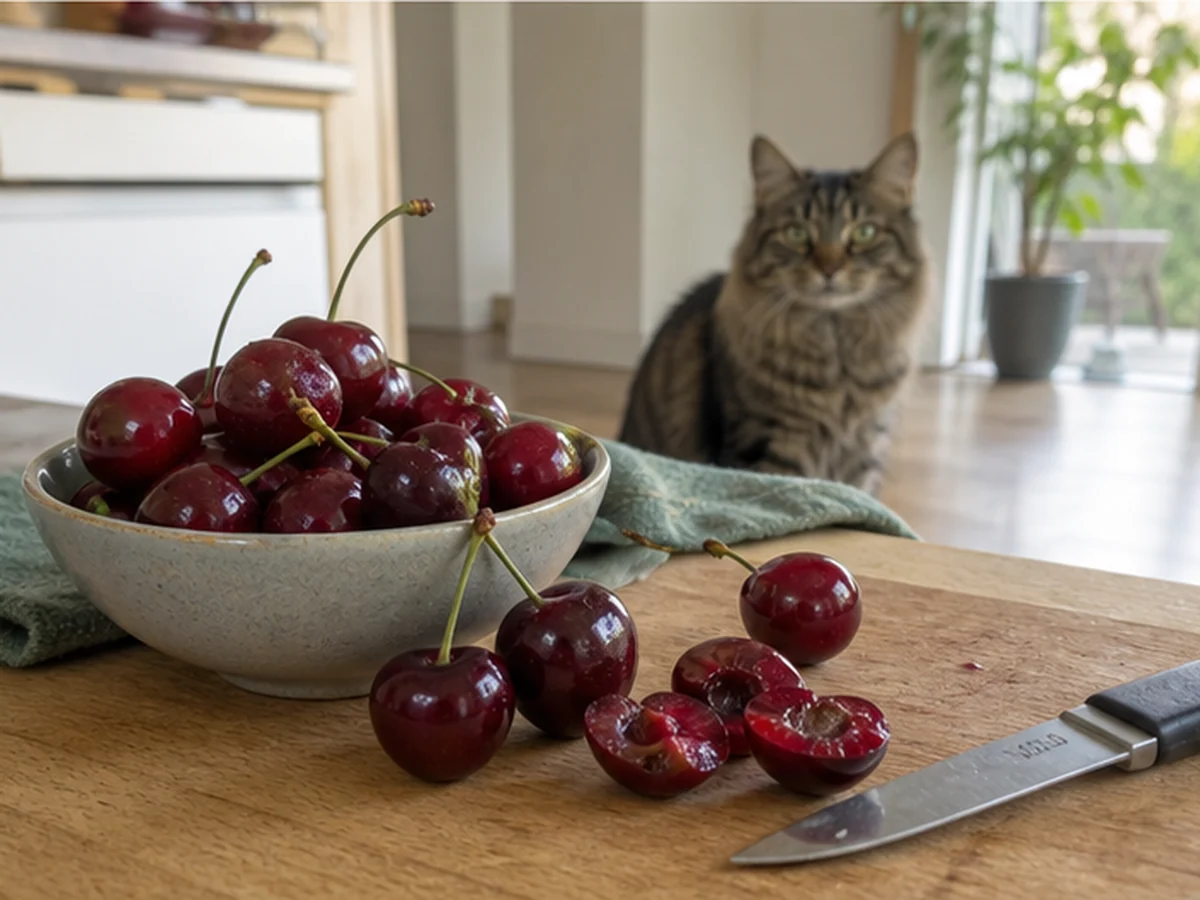
A tiny piece of ripe cherry flesh is unlikely to poison a healthy cat, but cherries are a fussy, unnecessary treat. The pit, stem, leaves, spoiled fruit, sweetened products, and choking risk all matter, so the safest answer is to choose an easier snack and keep the bowl out of paw range.
The answer depends on which part was eaten
The soft flesh of a ripe sweet or tart cherry is not the part associated with cyanide risk. One small, pitted, plain piece is generally a low-risk taste, although the sugar and fiber can still cause digestive upset.
The pit, stem, and leaves are different. The ASPCA’s cherry plant entry identifies cyanogenic glycosides in Prunus stems, leaves, and seeds and lists cherry as toxic to cats.
A whole pit is also a foreign object that can lodge in the throat or digestive tract, regardless of chemistry. That physical danger is usually the first practical concern after a cat swallows an intact cherry pit.
Why cherry pits are a two-part problem
Cherry kernels contain cyanogenic compounds that can release cyanide when plant tissue is crushed or chewed. An intact swallowed pit does not expose the kernel in the same way as a cracked or ground pit, but you cannot safely confirm from across the room how much damage a cat’s teeth did.
The pit’s size and hardness can also cause choking, esophageal lodging, stomach retention, or intestinal obstruction. The FDA’s pet hazard guidance specifically notes that fruit pits can obstruct the gastrointestinal tract in dogs and cats.
Do not crack a pit to inspect it after the fact if other pits remain around your cat. Secure the fruit, count what you can, and call a veterinarian or animal poison service with the best estimate available.
What to do right now
If your cat ate only a lick or tiny piece of plain, pitted flesh and is acting normally, remove the rest and monitor for vomiting or diarrhea. Continue the normal food and water routine rather than trying to dilute the fruit with milk, oil, bread, or extra treats.
If a pit, stem, leaf, twig, unknown amount, or cherry product with other risky ingredients was eaten, call your veterinarian promptly. Have your cat’s weight, the product or plant name, the estimated amount, the time, and any symptoms ready.
Do not induce vomiting unless a veterinarian specifically instructs you to do so. Home methods can injure cats, delay appropriate care, or cause an object to damage the esophagus on the way back up.
Seek emergency care for trouble breathing, collapse, seizures, severe weakness, bright red gums, repeated gagging, or obvious distress. Cyanide-related signs can develop quickly, while obstruction signs may appear later, so the absence of immediate symptoms does not settle every exposure.
Signs of a swallowed pit or obstruction
A pit stuck in the esophagus may cause drooling, gagging, repeated swallowing, regurgitation, or pawing at the mouth. A pit farther down can cause vomiting, appetite loss, abdominal pain, lethargy, diarrhea, or reduced stool.
The Merck Veterinary Manual explains that gastrointestinal obstruction may be partial or complete and can become life-threatening. A cat may still pass some stool with a partial blockage, so one litter-box visit is not an all-clear signal.
Veterinarians may recommend examination, imaging, monitoring, endoscopic retrieval, or surgery depending on the object’s location and the cat’s condition. Waiting for a hard object to pass without professional guidance is a gamble, particularly for a kitten or small adult.
Are pitted cherries safe as a treat?
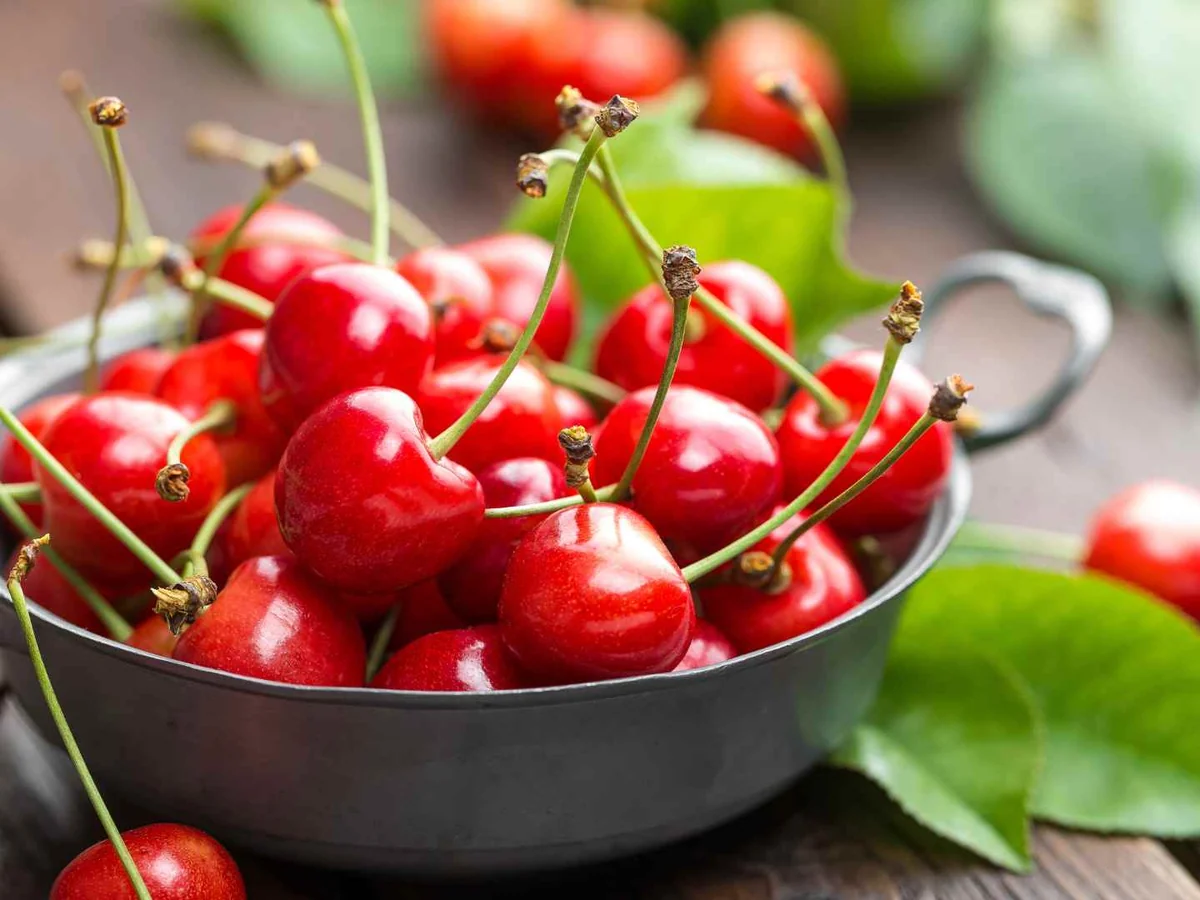
A thoroughly pitted, washed, fresh cherry can be cut into a piece smaller than a pea, but it offers no feline advantage. Cats need animal-derived nutrients in a complete diet, not a fruit course arranged with restaurant-level precision.
If your veterinarian approves and your cat is healthy, one tiny piece is enough for a first and perhaps only taste. Watch until the next day for vomiting, loose stool, gas, discomfort, or reduced appetite.
Never serve a whole cherry, even after removing the pit, because its round shape and slick flesh are easy to gulp. Remove the stem, check the fruit from both sides for every pit fragment, and keep the cutting board clean.
Fresh, frozen, dried, canned, and cocktail cherries
Fresh cherries: Only washed, ripe, plain flesh is even worth considering. Discard moldy, fermented, damaged, or unidentified wild fruit.
Frozen cherries: Confirm that every pit was removed and the ingredient list says cherries only. Thaw and mince a tiny amount because a hard frozen fruit can injure teeth or become a choking hazard.
Dried cherries: These are concentrated in sugar, sticky, and often sweetened. Some dried fruit mixes also contain raisins, chocolate, nuts, or sweeteners, so keep trail mix away from cats.
Canned pie filling: It brings substantial sugar and may include spices, thickeners, preservatives, or sweeteners. It is not a suitable feline treat, and a sugar-free label should trigger closer ingredient reading rather than confidence.
Maraschino and cocktail cherries: These are heavily sweetened and may be stored in or served with alcoholic drinks. Alcohol exposure is an emergency question, so call a veterinarian immediately if your cat drank from a cocktail or ate alcohol-soaked fruit.
Cherry yogurt, ice cream, juice, and medicine
Cherry yogurt and ice cream add dairy, fat, sugar, and possible sweeteners to the fruit question. Many cats digest lactose poorly, and rich foods can cause vomiting or diarrhea even without a classic toxin.
Cherry juice and concentrates may contain grape juice, apple juice, added sugar, herbal extracts, or other ingredients. Read the full label and do not use juice as a hydration aid for a sick cat.
Cherry-flavored medicine deserves special caution because the active drug matters far more than the flavor. Human pain relievers and cold medicines can be dangerous to cats, so contact a veterinarian or poison service with the exact product name and strength.
Our guide to ice cream and dogs illustrates how flavor, sweeteners, mix-ins, and packaging change a simple dairy question. Apply that label-reading habit to cats, but never assume canine advice supplies a feline dose.
What about cherry trees and bouquets?
Keep cats away from cherry tree leaves, stems, twigs, seeds, and wilted cuttings. Do not bring pruned branches indoors for enrichment or let a cat chew floral arrangements that contain unidentified Prunus material.
Wilted plant material can be especially concerning, and pesticides or fertilizer add separate risks. If a cat has chewed a branch, photograph the plant and bring a sample in a sealed bag if the veterinary team asks for one.
Ornamental cherry, chokecherry, black cherry, and related Prunus plants should not be treated as interchangeable snacks based on a common name. A local extension service, veterinarian, or plant expert can help confirm the species.
Cats who face more risk
Kittens and small cats have less room for error with a swallowed pit. Seniors, cats with dental disease, and cats with swallowing problems may also struggle with slick fruit or hard objects.
Cats with diabetes, obesity, inflammatory bowel disease, chronic vomiting, or a prescription diet should skip sugary fruit unless the veterinary team says otherwise. A cat on an elimination diet should not receive cherry products because extra ingredients can blur the trial.
A cat who repeatedly eats nonfood items or plant parts may have pica, boredom, stress, or a medical issue. Mention the pattern at a veterinary visit rather than simply moving the fruit bowl higher each week.
Preventing the next cherry incident
Store cherries in a covered refrigerator container and clear dropped pits from plates, sinks, compost buckets, and garbage disposals. A used pit still has enough fruit scent to interest a cat with a talent for finding exactly the object you hoped had vanished.
Secure trash and compost with a lid your cat cannot open. Keep cocktail garnishes, skewers, toothpicks, plastic bags, and produce ties off counters because the nonfood accessories create their own emergency risks.
For a stone-fruit comparison, our guide to plums and dogs explains the same flesh-versus-pit distinction. Our dog cherry guide also covers household handling, while feline exposures still require cat-specific veterinary advice.
Frequently asked questions
Can cats eat one cherry?
A whole cherry is not safe to hand over because it contains a pit and may be gulped. A tiny piece of thoroughly pitted plain flesh is lower risk, but there are simpler feline treats.
Can cats eat cherry tomatoes?
Cherry tomatoes are tomatoes, not cherries, so they require a separate safety assessment. Do not use this fruit guide to judge a plant merely because cherry appears in its name.
Will a cherry pit dissolve in a cat’s stomach?
Do not count on that outcome. A pit may remain intact long enough to lodge or obstruct, and a veterinarian should decide whether monitoring or removal is appropriate.
How long should I watch my cat?
Timing depends on whether the concern is cyanogenic plant material, choking, obstruction, spoiled food, or another ingredient. Call promptly after pit or plant ingestion and follow the professional’s specific monitoring window.
Bottom line
Plain ripe cherry flesh is not the main danger, but pits, kernels, stems, leaves, mixed products, and choking make cherries a poor cat treat. If your cat ate anything beyond a tiny piece of verified pitted flesh, identify the part and amount, then call your veterinarian instead of waiting for a symptom to answer the question.