Can Cats Eat Cheerios? Original, Honey Nut, Milk, and Portions
A healthy adult cat that crunches one or two Original Cheerios is unlikely to be harmed, but cereal is not a useful feline treat. Flavored varieties, milk, chocolate, nut ingredients, cinnamon, large portions, medical diets, choking, and a chewed inner bag can change an otherwise uneventful breakfast theft.
Read the exact box before answering
Cheerios is a brand family, not one fixed recipe. Original, Honey Nut, Multi Grain, Apple Cinnamon, Chocolate, Frosted, protein-focused products, limited editions, and regional formulas can differ in sweeteners, flavors, allergens, calories, sodium, and cocoa.
Formulas can also change, so an old ingredient list copied into a forum is weaker evidence than the box in your kitchen. Photograph the front, ingredients, Nutrition Facts panel, best-by date, and lot code when a meaningful amount is missing.
| Variety or serving | Cat answer | What to inspect |
|---|---|---|
| Original, dry | One or two pieces are generally low risk | Still grain-based and nutritionally unnecessary. |
| Honey Nut | Do not make it a routine treat | Added sugar, honey, almond ingredient, and current formula. |
| Chocolate | Call after more than a trivial taste | Cocoa form, quantity, cat size, and symptoms. |
| Apple Cinnamon | Skip sharing | Sugar, cinnamon flavor, and recipe changes. |
| Frosted or sweetened | Keep for people | Added sugar and easy overconsumption. |
| Cereal with cow’s milk | Not recommended | Many adult cats digest lactose poorly. |
| Cereal bag or liner | Foreign-object concern | Plastic can choke or obstruct. |
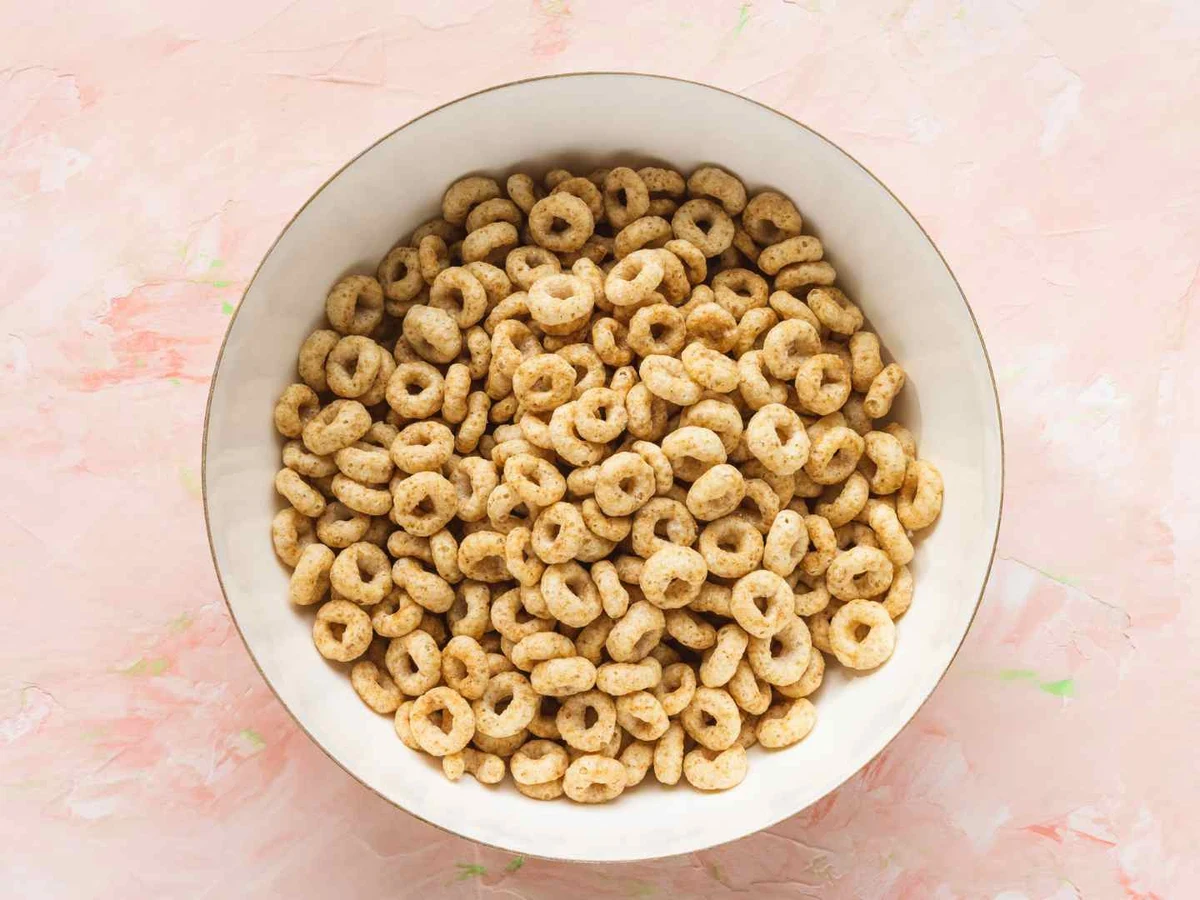
Why plain oat rings do not meet a cat’s needs
Cats are obligate carnivores with specific requirements for nutrients such as taurine and preformed vitamin A. A fortified human cereal may list many vitamins, yet that does not mean its nutrient amounts, ratios, calories, or ingredient matrix are designed for feline maintenance.
The FDA explains that complete and balanced pet food must meet defined nutritional standards. A human breakfast cereal is not labeled with a feline nutritional-adequacy statement and should not replace part of a meal.
Fortification also makes the phrase “it has vitamins” a poor reason to share. More of a nutrient is not automatically better, and cats receiving therapeutic diets or supplements may need carefully controlled intake.
Cornell recommends a nutritionally complete commercial diet for most cats and treats as occasional extras in its practical feeding overview. One measured feline treat offers more dietary purpose than a handful of oat rings.
Original Cheerios: low drama does not mean high value
A couple of dry Original pieces are generally a low-risk accidental snack for a healthy cat who chews and swallows normally. The cereal still contributes carbohydrate, sodium, and calories without delivering the animal-based nutrition that should anchor the diet.
A bowlful is not merely several tiny incidents. It can provoke vomiting, diarrhea, abdominal discomfort, reduced appetite, or constipation, and it may displace the cat’s regular food for the day.
Do not encourage cereal eating because the cat likes the crunch. Freeze-dried cat treats, a few kibbles from the measured allowance, or a food puzzle can supply the same small-object excitement with a feline formulation.
Honey Nut requires more than reading the first word
Honey Nut Cheerios combine sweetening and almond-related flavoring in a product whose exact formula should be read from the current package. The product name does not tell you the amount of honey, the form of the nut ingredient, or every addition.
Honey is mainly sugar and provides no special feline wellness benefit. The honey guide for cats addresses calories, diabetes, stomach upset, and why a natural-sounding sweetener is not a necessary treat.
Almonds are not an appropriate routine cat snack because they are calorie-dense, fatty, and physically awkward, while flavored nut products may carry salt or seasonings. Our cat almond guide separates a tiny accidental taste from bitter-almond, coating, and choking questions.
One Honey Nut ring is unlikely to create a nut emergency in most cats, but that narrow reassurance is not a serving recommendation. Call about a large amount, an unusual reaction, an unknown limited edition, or a cat with a relevant food allergy history.
Chocolate varieties deserve prompt identification
Chocolate cereal may contain cocoa, and cocoa introduces theobromine and caffeine. The actual concentration matters, so color, aroma, and the word chocolate cannot substitute for the ingredient panel and quantity eaten.
Vomiting, restlessness, rapid heart rate, abnormal rhythm, tremors, seizures, or collapse after a chocolate product requires urgent attention. Even before signs appear, call with the product and maximum missing amount so a professional can assess the exposure.
Use the feline chocolate guide to gather cocoa type, serving weight, and timing. Do not calculate from a dog chart or assume cereal is automatically harmless because each piece is small.
Cinnamon cereal is different from a dusting nearby
Apple-cinnamon and seasonal flavors can use cinnamon, cinnamon flavor, fruit ingredients, sugar, acids, or coatings. A few pieces are not equivalent to swallowing concentrated cinnamon essential oil, but they are also not a reason to start feeding spice.
Powder inhalation, eye exposure, and concentrated oil deserve more concern than trace food flavor. The cat cinnamon guide explains those routes and the signs that justify a veterinary call.
Keep cereal dust out of an asthmatic cat’s face and do not let a cat groom a coat heavily covered in spilled seasoning. Coughing, breathing effort, eye pain, persistent drooling, or repeated vomiting should not be dismissed as breakfast silliness.
The milk in the bowl is often the likelier stomach irritant
Many adult cats have limited ability to digest lactose, so cow’s milk can cause gas, diarrhea, or other digestive upset. The ASPCA cautions that significant milk and dairy may cause digestive problems in pets.
A few milk-softened rings are not a balanced breakfast even if swallowing is easier. Sweetened plant beverages may contain added sugar, salt, flavor, gums, chocolate, coffee, or unusual sweeteners, while their brand formulas vary.
Never use a cereal bowl as a hydration strategy. Fresh water and moisture from an appropriate feline diet are predictable choices, whereas milk may make a thirsty cat lose more fluid through diarrhea.
Sugar, calories, and the disappearing handful
Cats are small enough that repeated “just a few” offerings can matter. Sweetened and frosted cereals make calorie creep faster, and cereal shared beside other treats is rarely counted accurately.
Obesity can reduce quality of life and complicate disease management. If a cat is overweight, use measured portions of the prescribed food as rewards and ask the veterinary team for a daily calorie target rather than choosing a low-sugar human cereal by intuition.
A cat with diabetes should not receive cereal as a glucose-management tool unless a veterinarian gives specific emergency instructions. Insulin timing, the current blood glucose, symptoms, and the actual product all affect appropriate treatment.
Sodium and medical diets
Plain cereal may not taste salty to a person, yet the label can still list sodium. A couple of rings are different from regular handfuls, and the significance changes for a cat with a medically prescribed sodium restriction.
Kidney, heart, urinary, gastrointestinal, and food-allergy diets are designed with particular nutrient or ingredient goals. Check with the prescribing clinic before adding Cheerios, because an apparently bland extra can undermine a tightly controlled food trial.
Dry rings, kittens, and swallowing
The familiar O shape does not guarantee that every cat will chew it. A kitten, elderly cat, flat-faced cat, or animal with dental, neurologic, or esophageal disease may gag or swallow several pieces together.
Coughing, repeated swallowing, drooling, regurgitation, mouth-pawing, or panic after cereal access needs prompt attention. Open-mouth breathing, blue-gray gums, collapse, or inability to move air is an emergency.
Do not pour milk into the mouth to wash a piece down and do not reach blindly into the throat. A clinic can advise immediate first aid and arrange safe examination if an object remains lodged.
A chewed inner bag can be more serious than the cereal
Cats may enter the box headfirst or bite through the plastic liner for cereal dust. Thin film can be swallowed, crumple into an obstruction, or create suffocation danger when a cat’s face becomes trapped.
Count missing plastic, cardboard, sealing strips, clips, and any freshness packet. Repeated vomiting, appetite loss, abdominal pain, reduced stool, straining, or marked lethargy after packaging disappears needs veterinary assessment.
Store cereal in a latched cupboard or a rigid closed container, not on top of the refrigerator where an athletic cat can investigate it. Cut the scent source off at storage instead of relying on a loose folded bag.
Stale, damp, pest-contaminated, or recalled cereal
Dry cereal can become stale, absorb moisture, develop mold, or attract insects and rodents. Do not salvage a questionable box as pet treats, and clean spills without leaving bait or pesticide where paws can find it.
If a cat becomes ill after eating a packaged food, preserve the box, lot code, best-by date, receipt, and a sample in a sealed container if the veterinarian recommends it. That information helps separate an individual dietary reaction from a possible product problem.
The FDA provides guidance for reporting problems with FDA-regulated products. Veterinary care comes first for a sick cat, while a report and lot details can support a broader investigation when contamination is suspected.
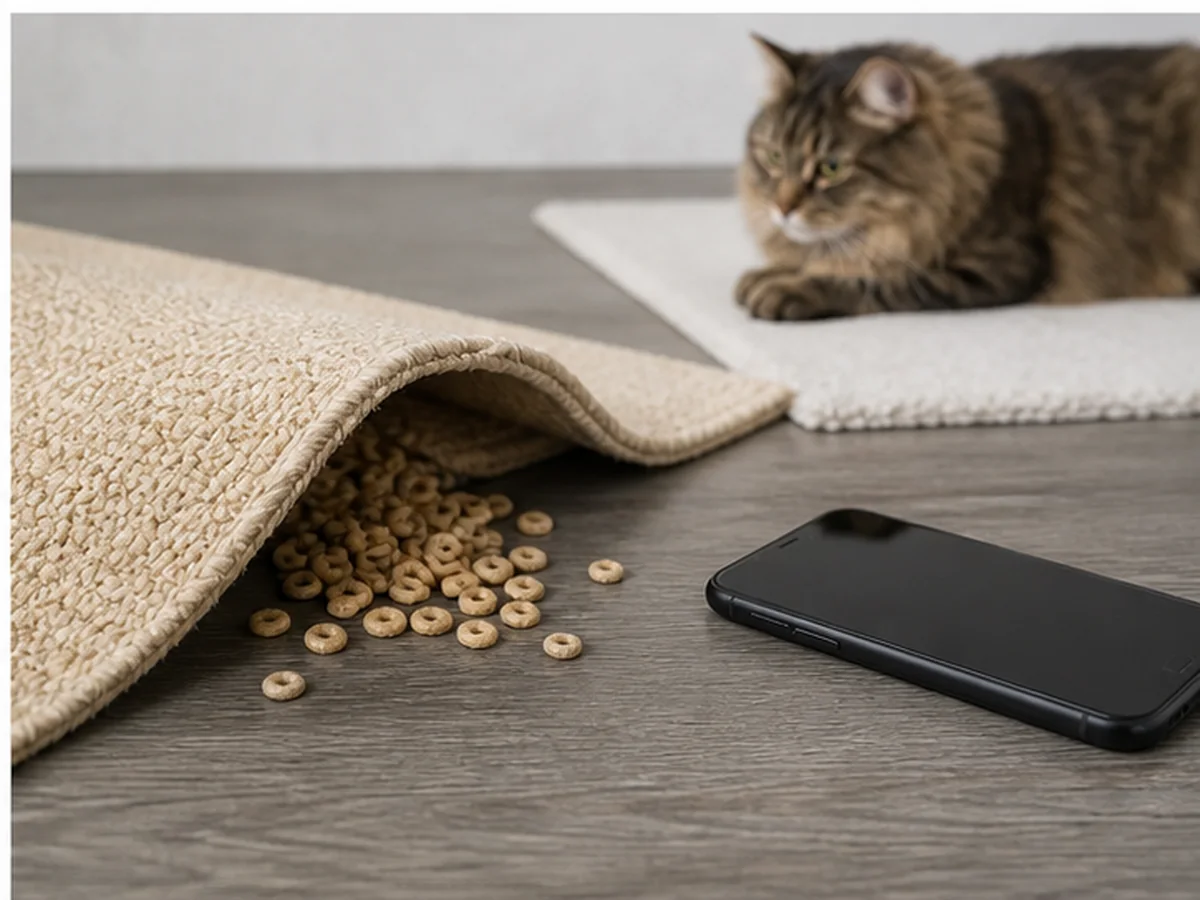
What to do after a cereal spill
- Confirm the variety: photograph the current ingredients, serving weight, cocoa or nut ingredients, flavoring, sweeteners, lot, and best-by date.
- Estimate the maximum: distinguish two dry rings from a bowlful with milk or a torn box that was accessible for hours.
- Check objects: account for plastic liner, cardboard, clips, sealing material, spoon, and any packet inside the box.
- Call promptly: seek advice for chocolate cereal, substantial intake, packaging loss, concentrated flavoring, an allergic reaction, or a medically fragile cat.
- Use emergency care: breathing trouble, facial swelling, collapse, tremors, seizures, persistent retching, or repeated vomiting demands rapid help.
After one or two plain dry pieces, an otherwise well cat generally needs no special meal. Remove the cereal, provide the usual food and fresh water, and observe without introducing another new food to “settle the stomach.”
Frequently asked questions
How many Cheerios can a cat eat?
There is no nutritional reason to establish a cereal serving for cats. One or two plain pieces may be a low-risk accident, while repeated handfuls add unnecessary calories and can disrupt a balanced diet.
Can cats eat Honey Nut Cheerios?
One ring is unlikely to harm most healthy cats, but the sweetened almond-flavored cereal is not a useful routine treat. Read the current box after a larger theft and call if symptoms or an unusual formula is involved.
Can kittens have Cheerios?
Kittens should fill their small stomachs with complete growth food. Dry cereal also presents an avoidable swallowing challenge, so use kitten food or a kitten-appropriate treat for training.
Are Cheerios with milk safe for cats?
Many adult cats digest lactose poorly, and milk does not make cereal nutritionally complete. A small accidental taste may only cause digestive upset, but skip serving breakfast bowls to cats.
Bottom line
Original Cheerios are usually a low-concern theft in tiny numbers, but “probably fine” is not the same as “good for cats.” Read the exact variety, keep chocolate and loaded flavors separate, secure the crinkly liner, and spend the treat budget on food made for the animal asking so persuasively.