Can Cats Drink Coconut Water? Potassium, Labels, and Hydration Claims
Plain coconut water is not known as a feline poison, but cats do not need it and should use fresh water for routine hydration. Coconut water contains potassium and other electrolytes, products may add sugar or flavors, and cats with kidney, heart, urinary, adrenal, or electrolyte disorders need individual advice.
Three liquids share one coconut name
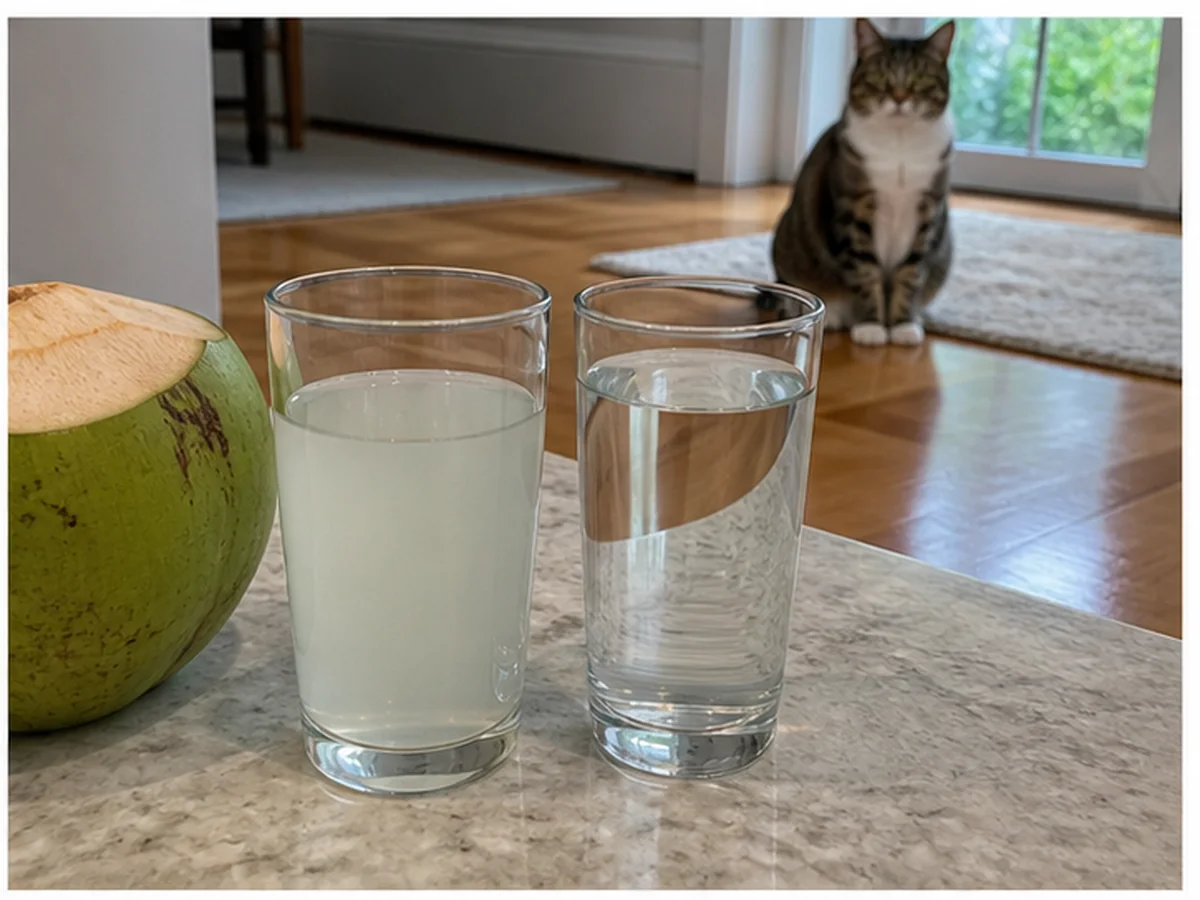
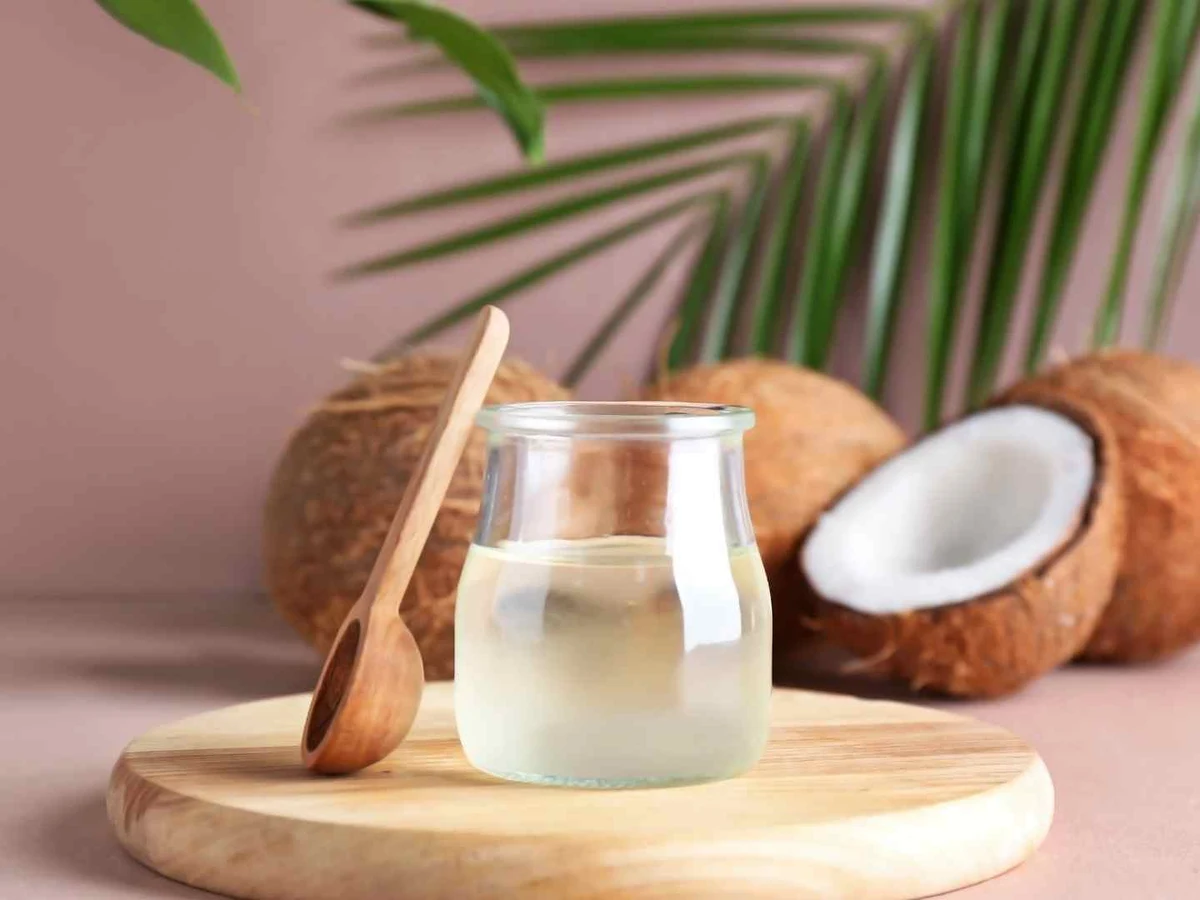
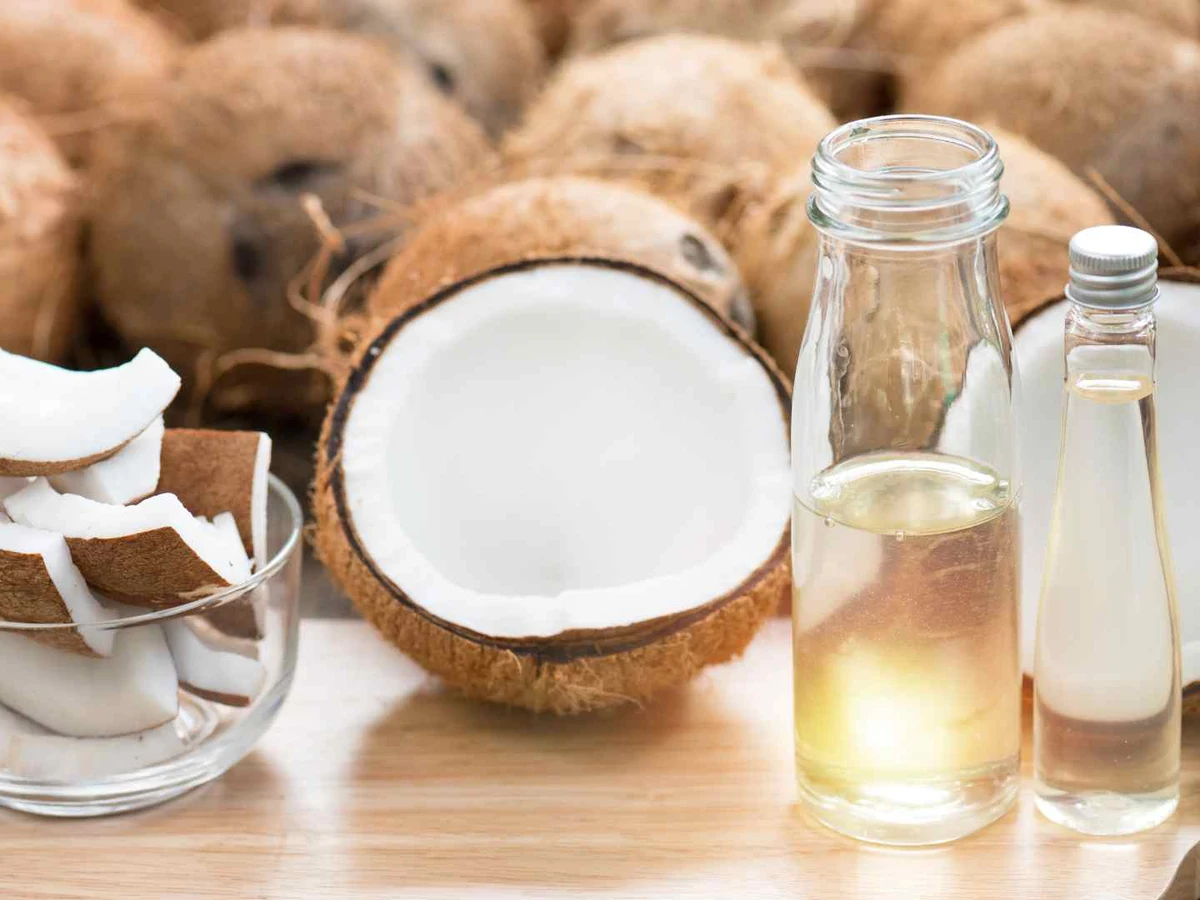
Coconut water is the relatively clear liquid from inside a young coconut, coconut milk is an emulsion made from grated flesh and water, and coconut oil is concentrated fat. Swapping those names leads to inaccurate calorie, fat, and electrolyte advice.
| Product | Main feature |
| Plain coconut water | Water, natural sugars, potassium and other minerals |
| Sweetened beverage | Added sugar, flavors, stabilizers |
| Coconut milk | Higher fat from coconut flesh |
| Coconut oil | Concentrated fat and spill risk |
| Fresh whole coconut | Hard shell, husk fibers, tools, spoilage |
| Sports or smoothie blend | Multiple electrolytes, fruit, dairy, caffeine, supplements |
For the fatty forms, use the site’s coconut guide and coconut oil guide. Advice about a few licks of clear water cannot be copied onto canned coconut cream.
A tiny lick is usually a label-check event
A healthy adult that laps one or two drops of plain, fresh coconut water may show nothing or mild digestive upset. Remove access, read the full container, and offer the cat’s normal water rather than refilling the saucer.
Call after a large amount, an unknown blend, a vulnerable cat, repeated vomiting, diarrhea, weakness, unusual thirst, collapse, or any heart-rate or breathing concern. Product identity and the cat’s medical history matter more than a universal serving number.
Potassium is necessary and still needs boundaries
Potassium supports nerve, muscle, and heart function, but more is not automatically better. A complete feline diet supplies it in a controlled nutrient pattern, while a human beverage contributes an unmeasured extra relative to the cat’s needs.
Merck’s feline potassium overview explains that both low and high blood potassium can be dangerous. Severe hyperkalemia can cause weakness, depression, and life-threatening abnormal heart rhythms.
Do not use coconut water to correct a laboratory result or guess at supplementation for kidney disease. Potassium therapy depends on bloodwork, urine output, medications, underlying disease, and repeat monitoring.
Urinary obstruction makes beverage advice irrelevant
A cat straining repeatedly, producing little or no urine, crying in the box, vomiting, hiding, or becoming weak may have a urinary blockage. Merck notes that obstruction is a common cause of dangerous hyperkalemia in cats.
That cat needs emergency care, not coconut water, cranberry juice, broth, or a wait-and-see hydration trick. Transport promptly and report the last observed normal urination.
Kidney patients are not one nutritional group
Chronic kidney disease can involve changing hydration, appetite, phosphorus, potassium, sodium, acid-base balance, and medications. Some cats lose potassium, while others face different constraints, so one beverage cannot be recommended across all stages and laboratory patterns.
Ask whether the specific brand fits the prescribed renal diet and treatment plan before offering any. A coconut image and the word natural reveal nothing about suitability for the current bloodwork.
Fresh water remains the first-line drink
Cornell’s cat hydration resource recommends clean, accessible water, wet food or added water when appropriate, and veterinary assessment when dehydration is suspected. It does not identify coconut water as routine feline fluid care.
Place multiple bowls away from litter and noisy appliances, wash them regularly, and test ceramic, stainless steel, glass, or a fountain according to the cat’s preference. A better water setup solves more everyday problems than a tropical beverage experiment.
Dehydration is a diagnosis and treatment problem
Vomiting, diarrhea, kidney disease, diabetes, hyperthyroidism, fever, poor intake, dental pain, and medication can all affect hydration. A sweet electrolyte drink may briefly add fluid without correcting the cause or replacing losses appropriately.
Dry or tacky gums, weakness, sunken eyes, persistent vomiting, or poor appetite needs timely veterinary attention. Clinical fluid plans may require measured intravenous or subcutaneous therapy, electrolyte monitoring, and treatment of the underlying illness.
Natural sugar is still part of the drink
Unsweetened coconut water contains naturally occurring sugars, and flavored products may add cane sugar, syrup, juice concentrate, or sweetener. A cat receives no nutritional advantage from those carbohydrates.
Diabetes and weight management make casual beverage calories particularly unhelpful. Do not claim that one lick causes diabetes, but do not convert a regular water bowl into a sugary habit either.
Flavored cartons can become ingredient scavenger hunts
Pineapple, mango, chocolate, coffee, matcha, citrus, berry, protein, collagen, and energy blends may contain caffeine, cocoa, tea extracts, vitamins, herbs, sweeteners, or dairy. Read all panels, including any attached supplement powder.
The orange juice guide helps when a coconut-water blend contains citrus, while the rest of the recipe still needs its own assessment. Flavor names can also represent extracts rather than meaningful fruit.
Sweeteners require feline-specific restraint
Sugar-free and low-calorie beverages can use erythritol, stevia, monk fruit, xylitol, or blends. Severe xylitol poisoning is established in dogs, but comparable feline sensitivity has not been demonstrated, so dog doses should not be transferred.
Limited cat evidence is a reason to identify the exact ingredient and call about an uncertain amount, not to promise safety. Keep the complete label and note whether gum, candy, medication, or another sweetened product was also available.
Sports-drink language does not make feline exercise science
Coconut water marketed for workouts, heat, hangovers, or electrolyte replacement is formulated and advertised for people. Cats do not sweat and hydrate like human endurance athletes, and a marketing claim does not establish feline need.
During hot weather, provide cool fresh water and a safe indoor environment. Cornell’s feline heat-safety advice treats panting, drooling, weakness, confusion, vomiting, or collapse as urgent signs rather than a cue to pour a sports beverage.
Fresh coconuts bring hammers, husk, and sanitation
Opening a young coconut may involve a cleaver, drill, mallet, straw, husk fibers, shell fragments, and a slippery round object. Keep the cat out of the preparation zone and account for tool guards and broken pieces.
The liquid is perishable once opened and can pick up microbes from the shell, tool, hands, or straw. Refrigerate promptly according to safe instructions and discard sour, fizzy, slimy, leaking, moldy, or long-open coconut water.
Pink color can occur naturally in some packaged coconut water through processing and oxidation, while other products are deliberately colored or flavored. Use the manufacturer’s description and date rather than treating color alone as proof of either freshness or spoilage.
Water poured directly from a street-market coconut has a different handling history from a sealed shelf-stable carton. When sanitation, refrigeration, or opening tools are uncertain, do not offer leftovers to a cat as a way to avoid waste.
A carton is not a toy after breakfast
Plastic caps, tamper rings, foil seals, paper straws, straw wrappers, pull tabs, and flexible pouches retain a sweet scent. Flatten the empty container and verify that every removable part reached the bin.
Gagging, vomiting, abdominal pain, food refusal, or reduced stool after a missing cap or film needs assessment. Do not induce vomiting or wait for packaging to appear before calling.
Coconut water in pet products
A commercial cat treat may include coconut water as one part of a formulated product, but the ingredient’s presence does not make a human beverage interchangeable. Check intended species, directions, calories, adequacy, manufacturer, and quality controls.
FDA’s nutritional adequacy explanation distinguishes complete diets from treats and supplements. Coconut water should never displace enough food to unbalance a kitten’s growth or an adult’s maintenance diet.
Powdered coconut-water mixes are concentrates until prepared and may include added electrolytes, sugar, flavor, vitamins, anti-caking agents, or caffeine. A torn sachet also creates eye, airway, coat, and package exposures that a ready-to-drink carton does not.
Move a dusted cat to clean air and call for persistent coughing, wheezing, eye pain, or breathing difficulty. Do not brush powder upward or let the cat groom a heavily coated patch before obtaining cleaning directions.
Medication and supplement mixing needs approval
Do not dissolve potassium tablets, powders, probiotics, antibiotics, or other medicines in coconut water unless the prescribing team approves the product and volume. The cat may leave part behind, changing the delivered dose.
If another pet drinks a medicated mixture, report the drug, strength, amount, time, and both animals’ weights. A pleasant beverage does not make shared dosing safe.
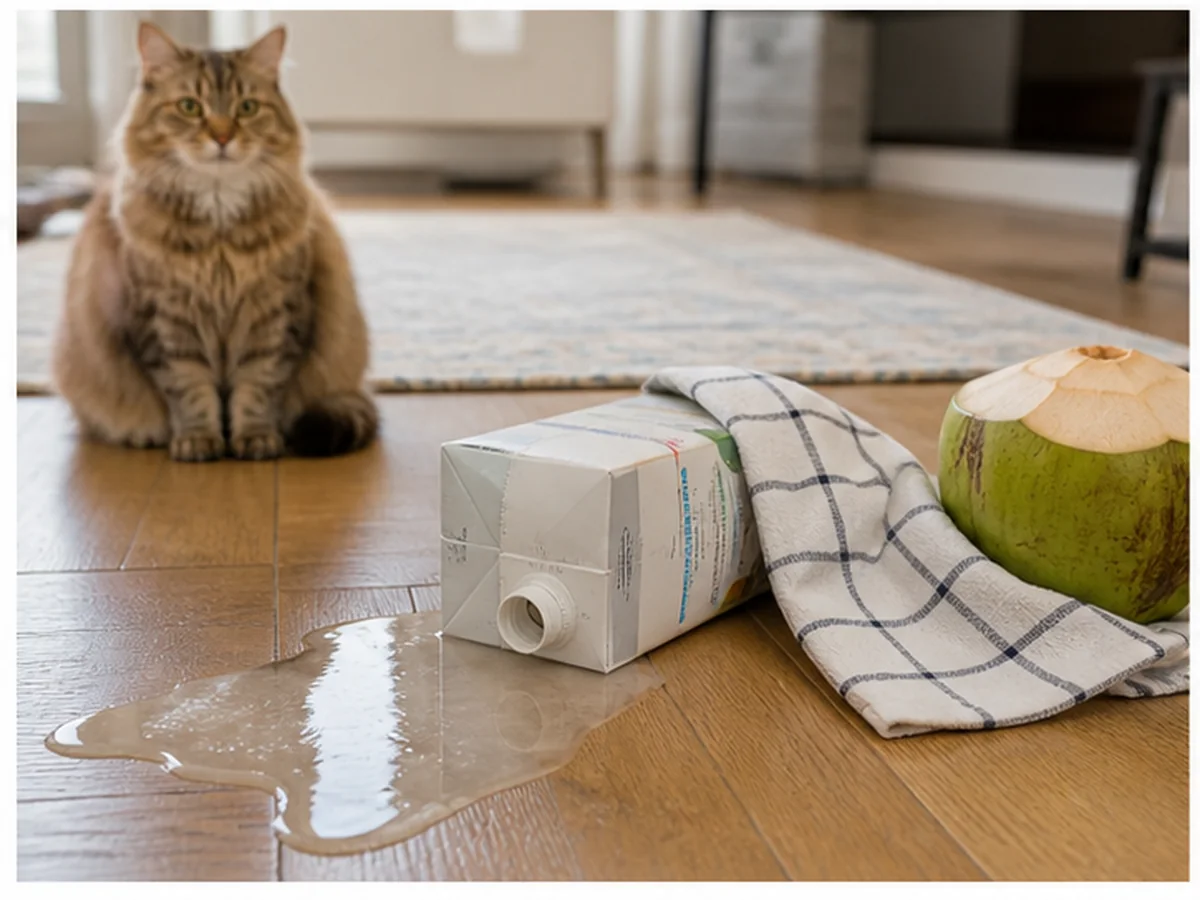
The tipped-carton plan
- Move the cat from the drink, fresh coconut, tools, straws, caps, film, and any supplement packet.
- Identify plain, flavored, sweetened, sports, smoothie, concentrate, fresh, or spoiled form.
- Record volume, time, cat’s weight, kidney or heart history, urinary output, medications, ingredients, and signs.
- Call for a large amount, vulnerable patient, unknown sweetener, caffeine or cocoa, packaging, urinary signs, or symptoms.
- Return to the regular diet and fresh water only as advised, without trying to correct electrolytes at home.
Frequently asked questions
Can healthy cats drink plain coconut water?
A couple of accidental licks are generally low concern, but fresh water is the appropriate routine drink. There is no nutritional reason to offer a bowl.
Is coconut water good for dehydrated cats?
It is not a replacement for diagnosis or prescribed fluid therapy. Suspected dehydration requires veterinary assessment because the cause and electrolyte pattern determine treatment.
Is the potassium in coconut water dangerous?
Risk depends on amount, product, urine output, kidney function, medications, and current blood potassium. Cats with relevant disease should receive it only if their veterinarian specifically approves it.
Can kittens have coconut water?
Kittens should rely on appropriate milk replacer when unweaned and complete kitten food plus water at the proper stage. Coconut water cannot replace either.
Bottom line
Plain coconut water is usually a low-concern tiny lick, not a superior feline hydration tool. Potassium, sugar, flavors, supplements, product spoilage, and packages matter, while urinary trouble, dehydration, heat illness, kidney disease, and electrolyte abnormalities belong with a veterinarian.