Can Cats Eat Cumin? Culinary Spice, Blends, and Concentrates
Cats do not need cumin, although a tiny accidental taste of food lightly seasoned with pure culinary cumin is not usually a poisoning emergency. Loose powder can irritate, spice blends may hide onion or garlic, and concentrated oil, extracts, supplements, heavily seasoned meals, or a missing container deserve a different response.
Begin with the container that supplied the cumin
The brown powder in a home spice jar is different from curry powder, taco seasoning, chili mix, cumin essential oil, herbal tincture, seed extract, and a human supplement capsule. The shared word cumin does not make their concentrations or companion ingredients interchangeable.
Keep the label, note the product form, and estimate the most the cat could have reached. A dusting licked from one cooked morsel creates a different case from a toppled bulk jar coating the face and paws.
Whole cumin seeds are also distinct from powder because they can be batted, inhaled, or swallowed in clusters. Neither form has a nutritional reason to enter a feline bowl.
Pure culinary cumin is not a useful cat supplement
Cumin is used in human cuisines for aroma and flavor, but that tradition does not establish a feline health benefit or dose. Claims about digestion, immunity, inflammation, metabolism, or antioxidants in people, rodents, or laboratory systems cannot be promoted as proven outcomes for pet cats.
Cats require a diet formulated around species-specific nutrient needs. The FDA explains the standards behind a complete and balanced pet-food claim, which a pantry spice or human capsule does not meet.
Do not sprinkle cumin over food to treat gas, poor appetite, parasites, diabetes, arthritis, or another condition. A new symptom needs diagnosis, and a supplement can complicate medications or discourage the cat from eating the balanced meal.
The cat cinnamon guide explores a similarly familiar spice whose powder, food flavor, and concentrated oil need separate treatment. That form-first habit is far more reliable than calling every brown seasoning harmless or toxic.
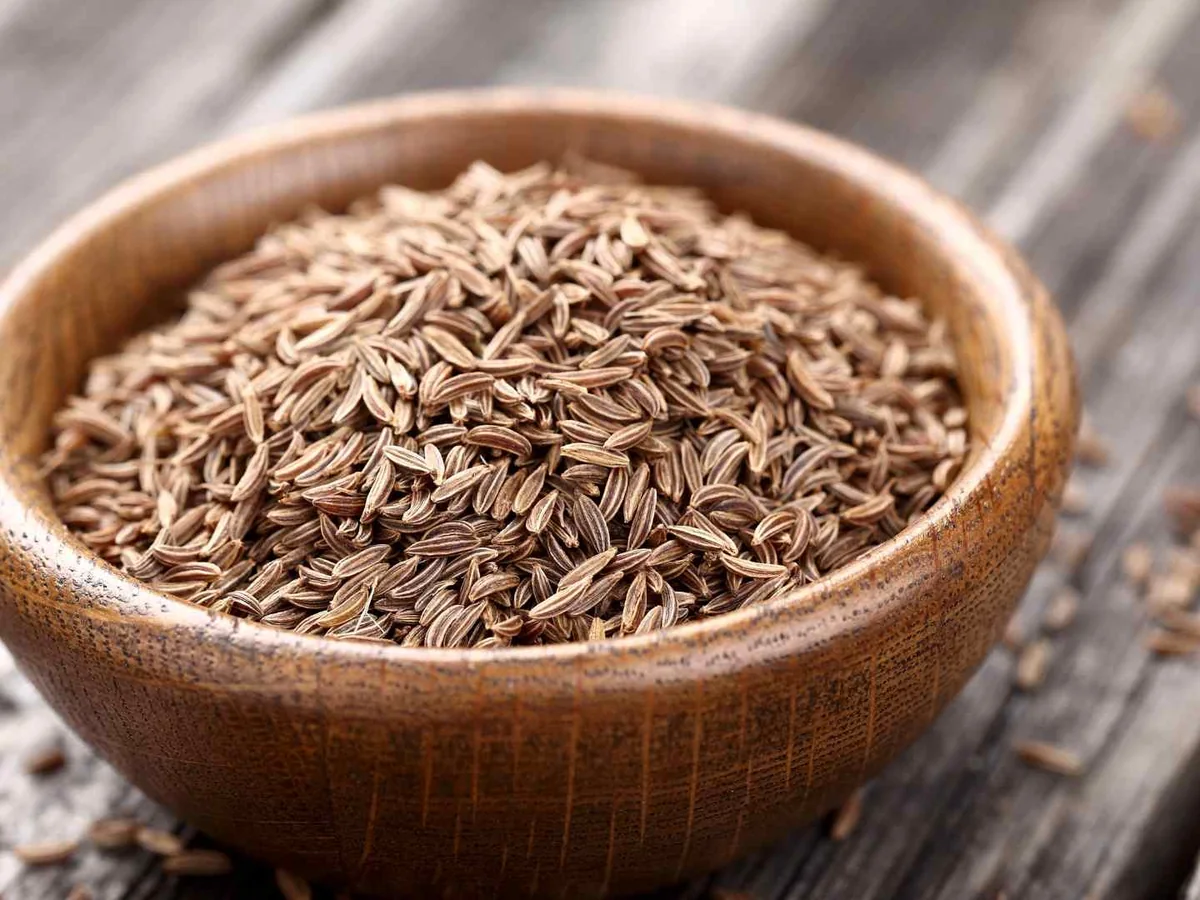
Powder can cause trouble before it reaches the stomach
Finely ground cumin becomes airborne when a jar falls, a bag is squeezed, or a cat lands beside an open measuring spoon. Dust can irritate the nose, throat, lungs, and eyes, particularly in a cat with asthma or existing airway disease.
Move the cat to clean air without creating another cloud and prevent grooming of a heavily coated coat. Do not blow powder from the face or rinse the nose and mouth by force.
Persistent coughing, wheezing, open-mouth breathing, breathing effort, eye pain, repeated sneezing, or marked distress requires prompt veterinary guidance. If airflow looks compromised or the gums lose their healthy color, travel to emergency care immediately.
For a small amount on fur, call the clinic for cleaning advice if the cat resists gentle dry removal. Wetting a large powder patch can make a paste that spreads during grooming, while vigorous bathing may stress a cat with respiratory signs.
Spice blends are where the label earns its keep
Cumin commonly appears in taco mix, curry powder, garam masala, chili seasoning, fajita rub, adobo, berbere, ras el hanout, meat rub, and soup base. Each blend can contain salt, onion, garlic, hot pepper, mustard, cocoa, sugar, or other ingredients.
Onion and garlic deserve priority because cats are especially susceptible to oxidative red-blood-cell damage. The Merck Veterinary Manual notes that cooked and powdered Alliums remain hazardous and that anemia may take several days to appear.
Call after a known Allium blend rather than waiting for weakness, pale or yellow gums, rapid breathing, dark urine, or collapse. The feline garlic guide helps organize the delayed signs and exposure history.
A proprietary “spices” listing may not reveal enough for a home conclusion. Contact the manufacturer and veterinarian with the product name, lot, recipe amount, and maximum portion eaten.
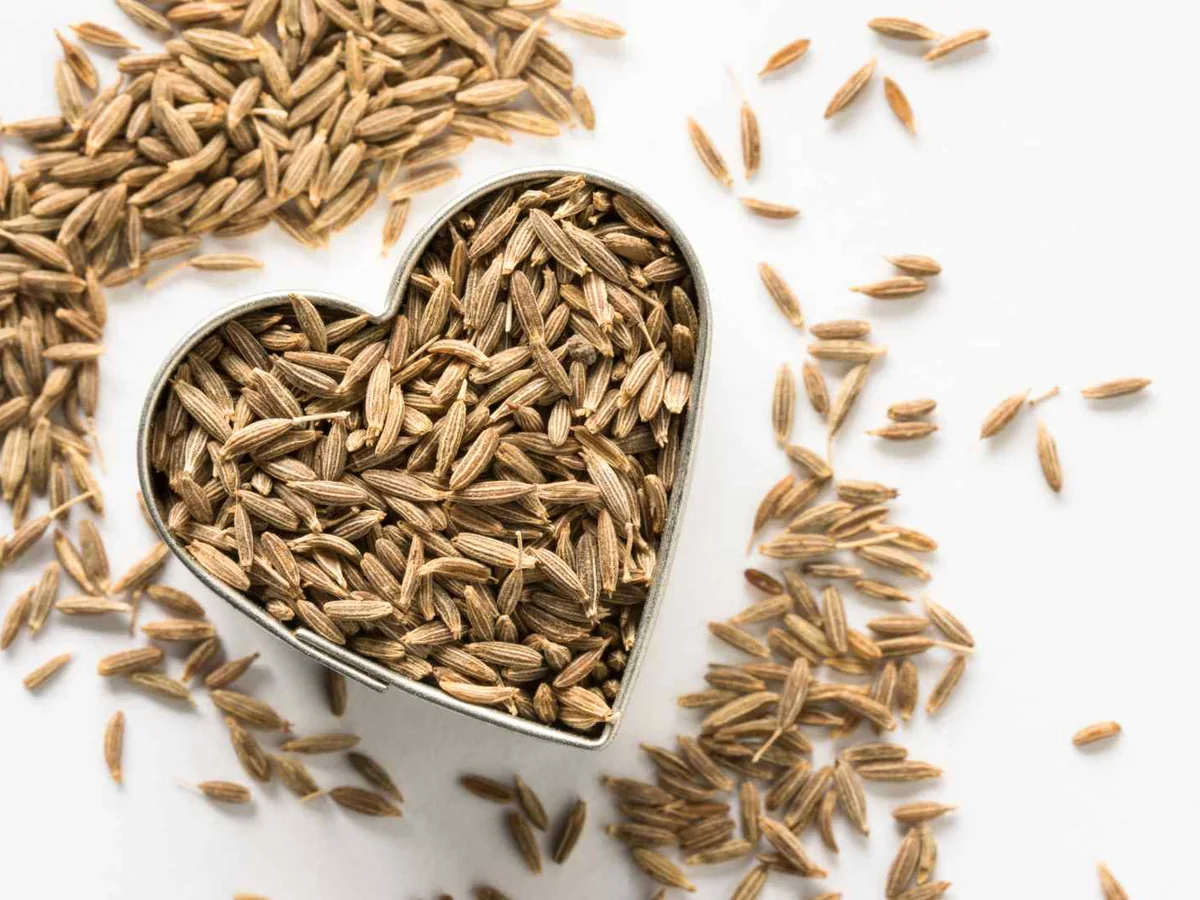
Cumin-seasoned foods bring their own hazards
A cat rarely eats a spoonful of cumin by itself. More often the spice arrives on seasoned beef, curry, chili, tacos, hummus, rice, kebabs, lentils, soup, roasted vegetables, or a snack chip.
Those dishes can add onion, garlic, salt, fat, alcohol, hot peppers, bones, skewers, foil, avocado, dairy, or raw meat. Assess the entire plate rather than deciding that cumin is the only named ingredient worth reporting.
Our onion guide for cats is relevant when cumin came from curry, taco filling, soup, or seasoned meat. Picking out visible onion does not remove powder and juices distributed through the dish.
Greasy or spicy food can cause drooling, vomiting, diarrhea, nausea, and abdominal discomfort. It is more accurate to describe the recipe and symptoms than to blame cumin for every reaction after a crowded meal.
Essential oil is not extra-strong seasoning
Cumin essential oil is a concentrated aromatic product, not a culinary pinch. Direct ingestion, skin application, diffuser spills, and coat contamination deserve immediate professional advice because cats groom exposed fur and metabolize some compounds poorly.
The ASPCA advises caution with concentrated essential oils around pets, especially when oil is applied directly or swallowed. Never use cumin oil as a flea product, appetite stimulant, skin remedy, or oral supplement for a cat.
Signs after a concentrated product may include drooling, vomiting, weakness, wobbliness, tremors, abnormal breathing, or skin irritation. Move the product away, ventilate safely, preserve the bottle, and call rather than applying another oil or solvent.
Do not induce vomiting after essential oil ingestion. The oily material can enter the lungs during vomiting and create an additional emergency.
Extracts, tinctures, and capsules need product-specific advice
A liquid extract may use alcohol, glycerin, another oil, or mixed botanicals as its carrier. Capsules can contain concentrated seed material, black pepper extract, vitamins, minerals, or proprietary blends intended for an adult human.
Human supplement quality and serving directions do not establish feline safety. Keep the bottle and report the complete Supplement Facts panel, capsule count, concentration, time, and whether the cat chewed the container.
Do not convert a human dose by body weight. Species differences, extract concentration, inactive ingredients, and the cat’s liver, kidney, or medication status make simple division unreliable.
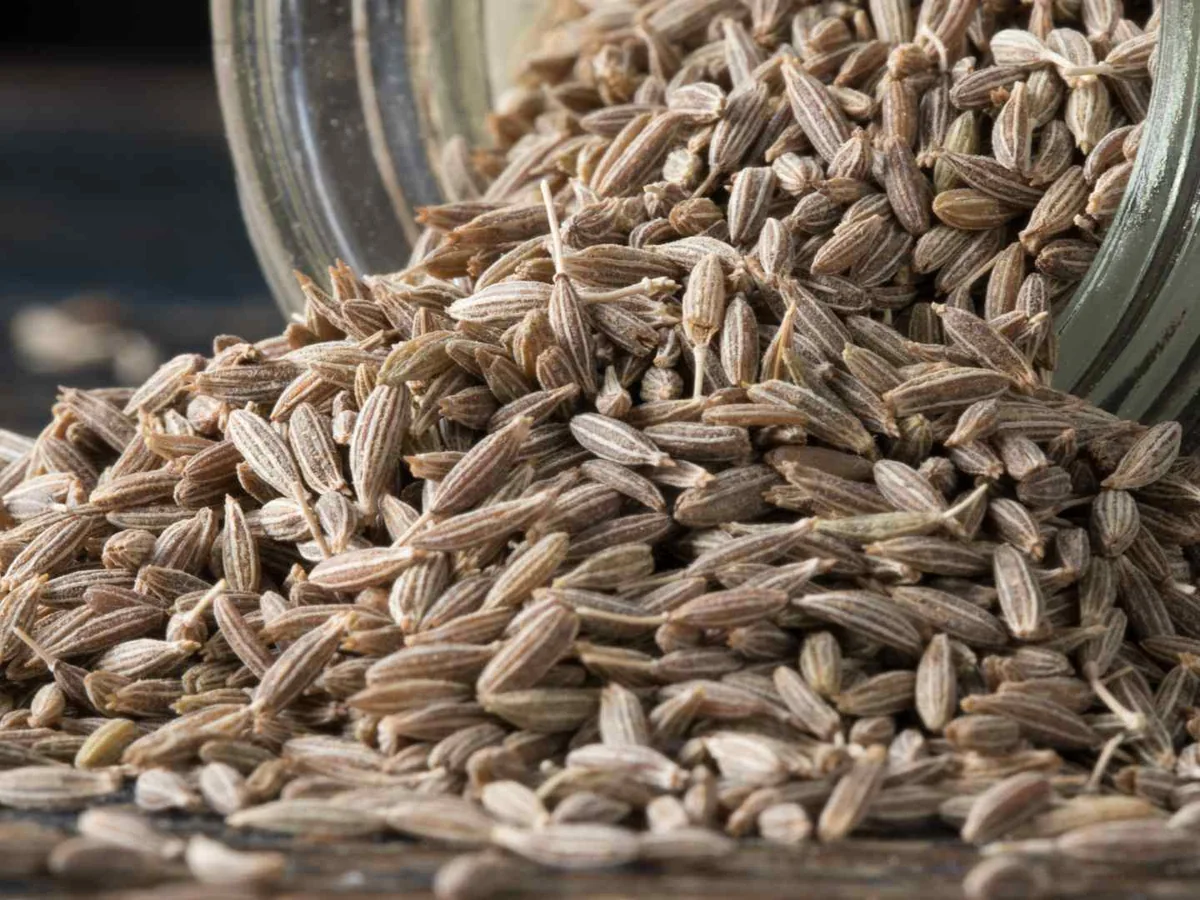
Cumin tea and cooking steam are not remedies
A home infusion can vary from faintly flavored water to a concentrated seed brew, and it may be combined with lemon, honey, ginger, salt, or other herbs. There is no established reason to replace a cat’s fresh water with cumin tea.
Do not syringe herbal tea into a cat who is nauseated or refusing water, because forced liquid can enter the lungs and the underlying dehydration may require clinical treatment. Bring the complete recipe to the veterinarian if a meaningful volume was swallowed.
Steam rising from ordinary cooking is not the same as a diffuser, yet a smoky or heavily spiced kitchen can irritate sensitive airways. Ventilate the room, keep the cat away from the stove, and treat open-mouth breathing as an emergency rather than a request for a different herb.
Whole seeds and the spice rack
A few dry cumin seeds may pass without incident, but a pile can irritate the stomach or be inhaled during play. Glass jars, metal lids, desiccant packets, plastic seals, and broken measuring spoons may become more urgent than the seeds.
Check the mouth only if the cat allows calm handling, and never sweep fingers blindly down the throat. Gagging, repeated swallowing, regurgitation, drooling, or coughing after a spill warrants a veterinary call.
Store bulk spices in latched cabinets instead of magnetic tins above the counter. A fallen glass jar adds paw lacerations and swallowed shards to what began as a flavor question.
How to respond to a cumin incident
- Identify the form: pure seed, culinary powder, seasoning blend, essential oil, tincture, supplement, or cumin-containing meal.
- Read the company: record onion, garlic, salt, hot pepper, alcohol, cocoa, other herbs, concentration, and serving size.
- Check the scene: account for glass, caps, desiccant, foil, skewers, bones, packaging, and powder on the coat or eyes.
- Call promptly: seek advice for concentrates, supplements, Allium blends, inhalation symptoms, a large amount, or an unknown recipe.
- Go urgently: breathing difficulty, collapse, seizures, tremors, profound weakness, or repeated vomiting requires rapid care.
One tiny taste of a cooked food dusted only with pure cumin may simply need normal observation in a healthy cat. Continue the usual food and water, and do not offer more spice to test tolerance.
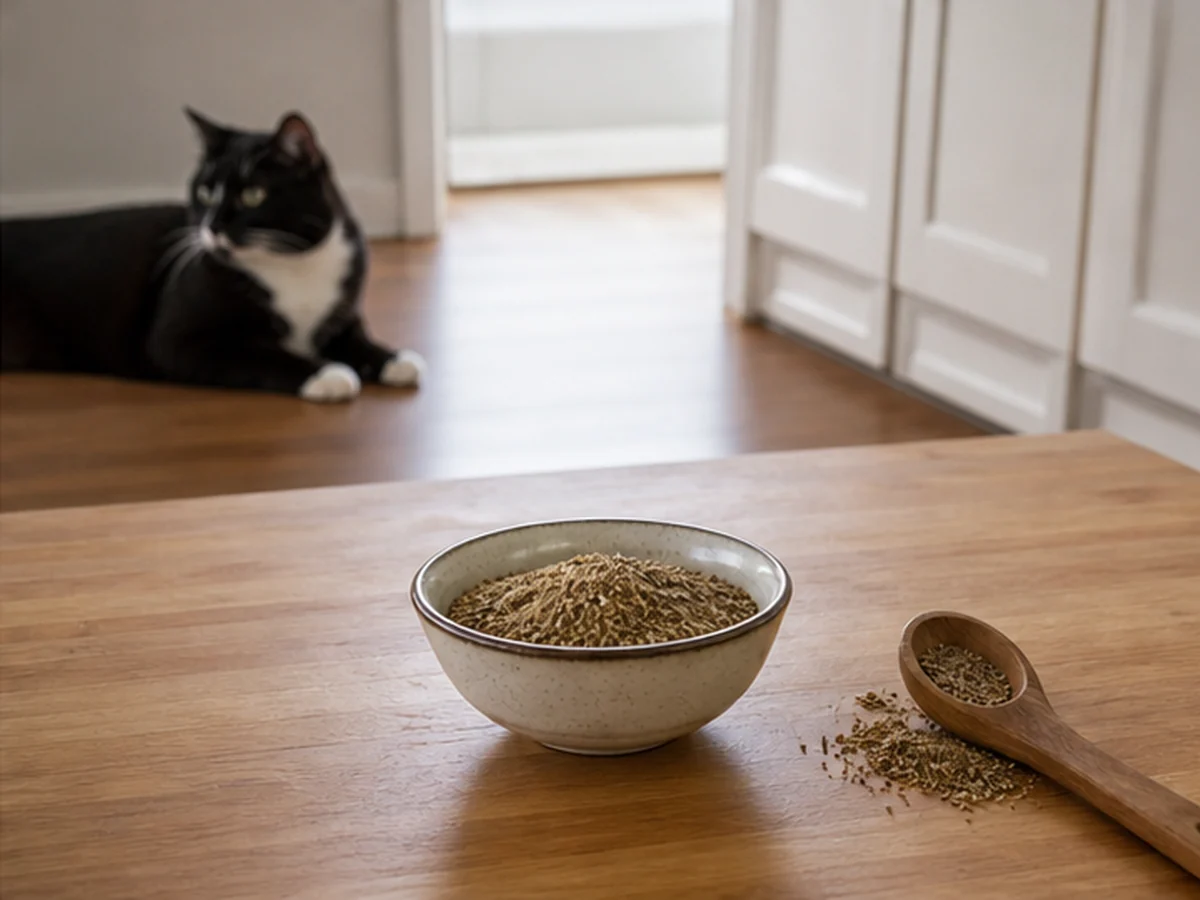
Cats with less margin for experimentation
Kittens have small bodies and need calorie space for balanced growth food. Seniors and cats with asthma, gastrointestinal disease, liver or kidney disease, diabetes, or medication regimens should avoid casual spice exposures.
An elimination-diet trial can be disrupted by a flavored bite even when cumin itself is not the suspected allergen. Follow the prescribed ingredient list closely so the diagnostic result remains interpretable.
Frequently asked questions
Is cumin toxic to cats?
Pure culinary cumin is not generally treated like onion or garlic, and one lightly seasoned crumb is unlikely to poison most cats. Concentrates, blends, large amounts, inhaled powder, and accompanying foods require separate assessment.
Can I put cumin in homemade cat food?
Do not add it for a claimed health effect or use it to improvise a diet. Homemade feline food needs a recipe formulated by a qualified veterinary nutrition professional, and cumin supplies no established requirement.
What if cumin powder got on my cat?
Prevent grooming, move the cat away from airborne dust, and call for cleaning advice if coverage is substantial. Eye pain, coughing, wheezing, or breathing effort deserves prompt veterinary attention.
Can cats eat food cooked with cumin?
A tiny piece may be low risk only when every other ingredient is cat-appropriate and the food is fully cooked, plain, boneless, and low in salt. Most cumin-seasoned human dishes fail that broader recipe test.
Bottom line
Cumin is best left in human recipes, where its aroma has a job. A faint culinary dusting is usually low drama, but blends, airborne powder, essential oil, supplements, and heavily seasoned dishes deserve label-based decisions rather than wellness claims or spice-rack guesswork.