Can Cats Eat Currants? Fresh Fruit, Zante Currants, and Raisin Confusion
The word currant can describe two very different foods, and that distinction matters for cats. Fresh red, black, and white currants are Ribes berries, while Zante or Corinth currants are tiny dried grapes. I would not make either a routine feline treat.
The quick currant verdict for cats
Fresh Ribes currants are botanically different from grapes and raisins. One tiny ripe berry is more likely to cause ordinary gastrointestinal upset than a classic grape-associated poisoning syndrome.
Zante currants, Corinth currants, and many baking currants are dried grapes. Grapes and raisins are established kidney hazards in dogs, while feline susceptibility is less clearly defined.
Because cats gain no nutritional advantage from dried grapes and the potential downside is serious, I would avoid them and call after a meaningful or uncertain exposure rather than assume feline risk is zero.
Fresh Ribes currants are not raisins
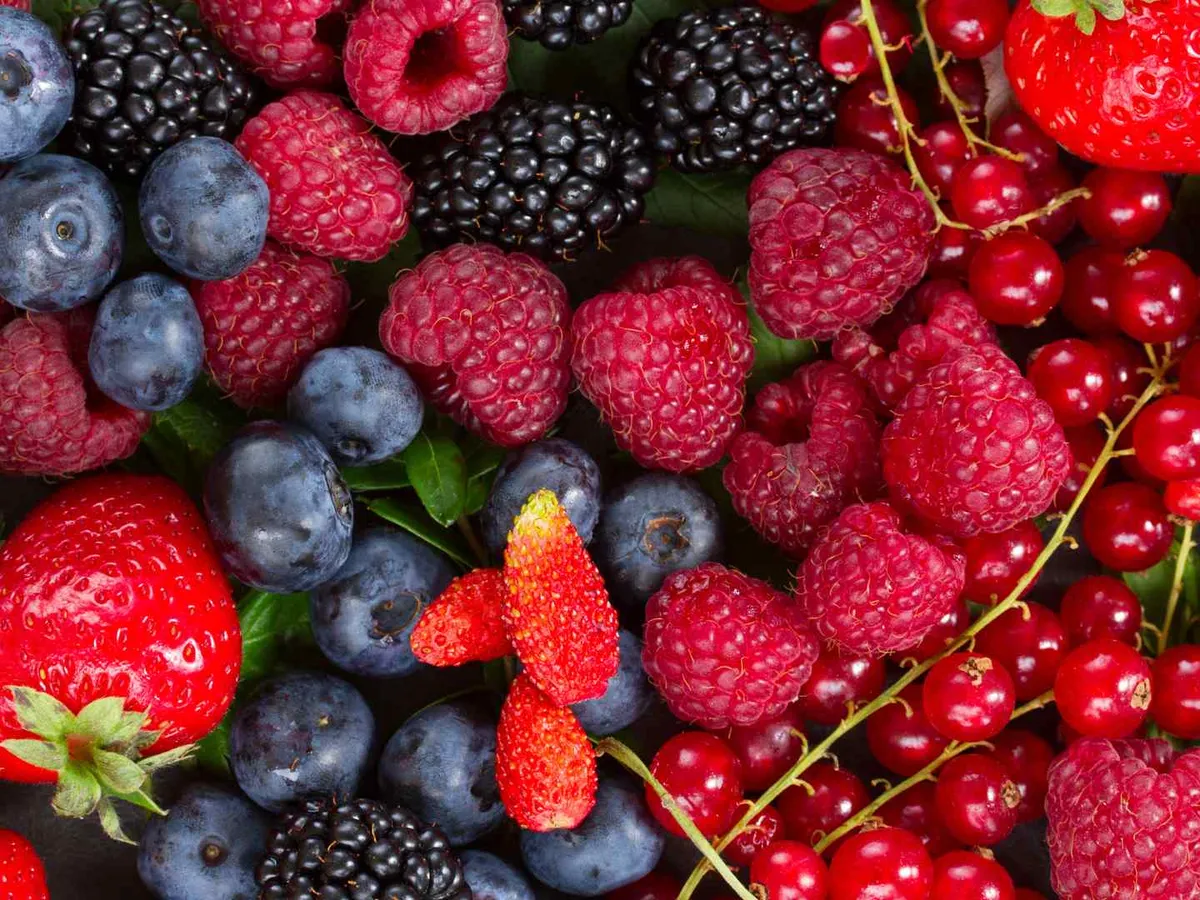
Red currants, black currants, and white currants come from plants in the Ribes genus. They are tart berries and are not dried grapes.
If a healthy cat steals one tiny fresh berry, I would usually monitor for vomiting, diarrhea, or appetite changes rather than treat the berry itself like a major toxin.
I still would not feed fresh currants intentionally. Cats are obligate carnivores, and a meat-based treat is easier to justify nutritionally.
Zante and Corinth currants are dried grapes
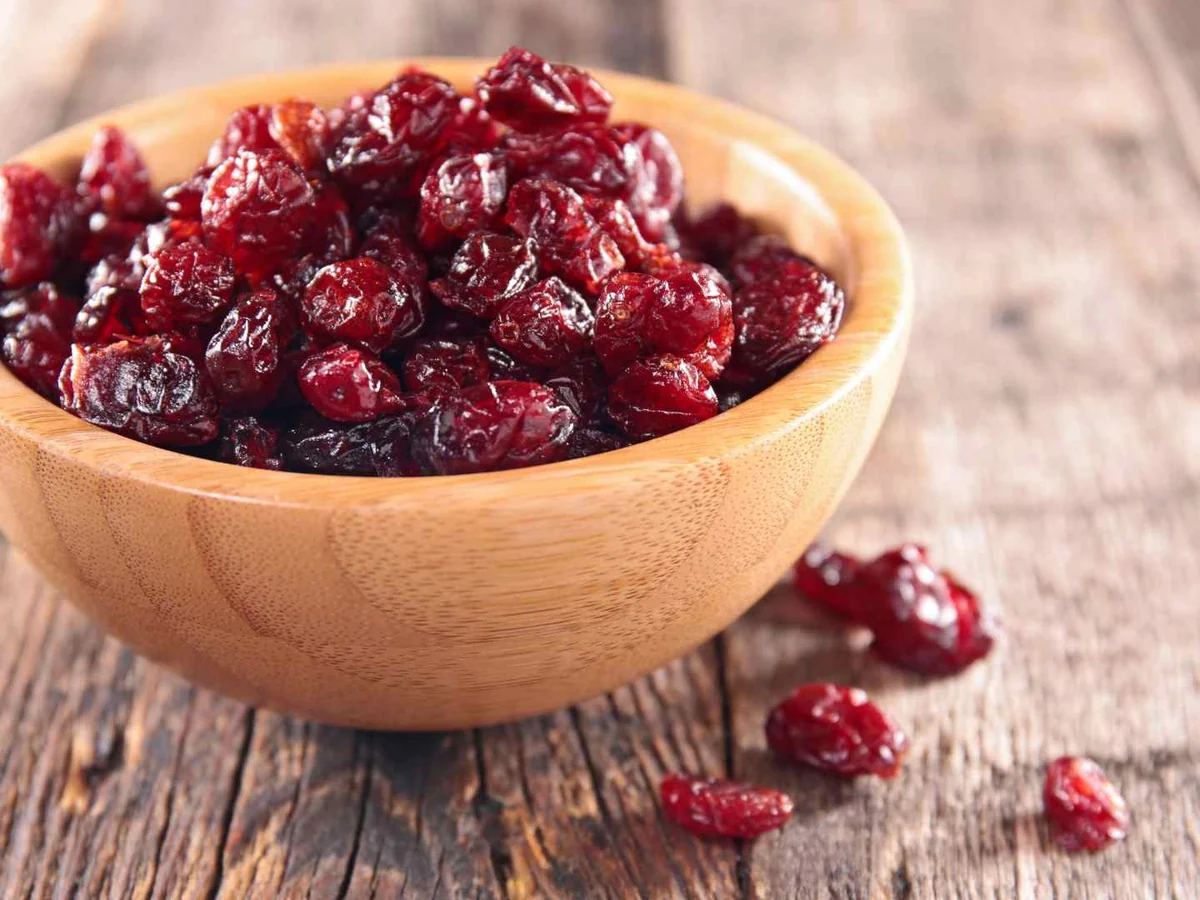
Zante and Corinth currants are made from small grape varieties and are essentially raisin-type products. The name currant can therefore hide a completely different fruit source.
For dogs, dried grapes can cause acute kidney injury and susceptibility is unpredictable. Feline risk is less clearly characterized, but that uncertainty does not make dried grapes appropriate cat food.
If a cat eats a meaningful amount of dried-grape currants, save the package and call for case-specific veterinary advice. I would not wait for a change in urination before asking.
Baking currants are where the name causes trouble
Fruitcake, scones, buns, granola, trail mix, cookies, and holiday breads may list currants without making the grape origin obvious. In many recipes, currant means a dried grape product.
Check the package for Zante, Corinth, Black Corinth, dried grape, or raisin-type wording. I would not assume a dark dried fruit is a fresh Ribes berry after it has been baked into something.
The rest of the recipe matters too. Chocolate, alcohol, nuts, coffee, dairy, and wrappers can create separate problems.
Fresh currants can still upset the stomach
Fresh Ribes berries are tart, fibrous, and naturally sweet. A larger serving can cause vomiting, loose stool, gas, or reduced appetite even when no classic toxin is present.
Cats are small enough that a human handful is a very large fruit portion. If a cat steals several berries, monitor appetite and stool closely.
If vomiting repeats or the cat stops eating, call the veterinarian. Cats should not go prolonged periods without food when they are ill.
Stems and leaves are not useful feline treats
If a cat gets into a currant bush, the exposure may involve leaves, stems, soil, fertilizer, pesticides, and berries at once. That is different from one washed grocery-store berry.
I would remove plant access and save a photo if a meaningful amount of unknown plant material was chewed. The full exposure matters more than the fruit name.
Currant jam is mostly a sugar question
Jam made from true Ribes currants is concentrated in sugar and can contain syrups, pectin, preservatives, or flavorings. Cats gain no nutritional benefit from sweet fruit preserves.
A tiny lick may cause no problem in a healthy cat, while a larger serving can cause gastrointestinal upset. Cats with diabetes should skip sugary fruit spreads entirely.
Sugar-free preserves still deserve a full label check because they may contain unusual sweeteners or other additives. I would assess the product rather than the word sugar-free.
Currant syrup and cordial can add alcohol or caffeine
Black-currant cordial, syrup, tea, liqueur, and flavored drinks can contain substantial sugar, caffeine, alcohol, or artificial sweeteners. Those products are not equivalent to fresh berries.
If a cat drinks from a mixed beverage, save the label or recipe. The medically relevant ingredient may be alcohol or caffeine rather than currant flavor.
Currant supplements are separate products
Black-currant capsules, oils, powders, gummies, and herbal blends can contain concentrated extracts, vitamins, minerals, flavorings, or other active ingredients. These are human supplements, not berries.
If a cat gets into a supplement bottle, save the package and count missing doses. The full formulation matters more than the berry source.
Trail mix can combine several hazards
Trail mix may contain dried currants, raisins, chocolate, coffee beans, nuts, yogurt coating, and wrappers. A cat raid can therefore involve several separate exposure questions.
I would inventory the entire mix rather than focus on the currants. Cats may also swallow string-like packaging or small plastic pieces while investigating food.
Fruitcake is a particularly complicated currant exposure
Traditional fruitcake often uses dried-grape currants along with raisins, alcohol, nuts, candied fruit, and sometimes chocolate. One slice can therefore combine several unnecessary feline hazards.
If a cat eats fruitcake, save the recipe and identify dried grapes, alcohol, chocolate, nuts, and wrappers. The word fruitcake is not enough detail for a useful assessment.
Cats with diabetes should skip currant products
Fresh fruit contains natural sugar, while jam, syrup, dried fruit, and baked goods can contain far more concentrated carbohydrate. Cats with diabetes benefit from consistent meals and treats.
If a diabetic cat steals a large sweetened currant product, contact the veterinary team for advice based on the ingredients and current insulin plan.
What signs deserve prompt attention
Repeated vomiting, marked lethargy, poor appetite, abdominal discomfort, abnormal thirst, or changes in urination deserves veterinary attention after a concerning dried-grape exposure.
Because feline susceptibility is less clearly defined than canine susceptibility, I would rather report a meaningful dried-grape exposure than assume nothing can happen.
What to do if your cat ate currants
- Identify whether the fruit was a fresh Ribes currant or a dried grape currant.
- Save the package, recipe, or product label.
- Estimate the maximum amount eaten and the time.
- Check baked goods and trail mix for chocolate, alcohol, caffeine, raisins, nuts, and packaging.
- Call promptly if Zante, Corinth, dried-grape, raisin-type, or unknown dried currants were eaten in a meaningful amount.
- Monitor a trivial fresh-Ribes exposure for vomiting, diarrhea, or appetite changes.
Do not try to make a cat vomit at home
Hydrogen peroxide should not be used to induce vomiting in cats. Salt, mustard, oil, and other improvised home methods can cause injury.
Call with the exact product, amount, timing, and symptoms. The veterinary team can decide whether observation, laboratory testing, or treatment is appropriate.
What I would offer instead
If the goal is a treat, I would use a tiny piece of plain fully cooked boneless meat or a normal cat treat rather than any currant product. That removes the naming confusion completely.
The cat does not need to learn the botanical difference between Ribes berries and dried Corinth grapes. I am happy to handle that paperwork.
Frequently asked questions
Can cats eat black currants?
A tiny fresh black currant is not the same as a raisin, but fruit is unnecessary for cats and may cause stomach upset.
Are Zante currants raisins?
Yes. Zante or Corinth currants are dried grapes, not fresh Ribes currants.
Can cats eat currant scones?
I would avoid them unless the exact currant ingredient is known. Many baking currants are dried grapes, and the baked good can contain other unnecessary ingredients.
Can cats eat currant jam?
A tiny lick of jam made from true Ribes currants may be low risk, but it is sugary and nutritionally unnecessary.
Bottom line
Fresh red, black, and white Ribes currants are not the same food as Zante or Corinth currants. A tiny fresh berry may be low risk, while dried grape currants should be avoided and deserve veterinary advice after a meaningful or uncertain exposure because feline susceptibility is not well enough defined to assume zero risk.