Can Cats Eat Figs? Fresh Flesh, Dried Texture, and Plant Sap
Do not make figs a regular cat treat. A tiny taste of clean ripe inner flesh may cause no problem, but published feline dose evidence is limited, the milky latex sap in fig plants can irritate, and stems, leaves, peel, dried fruit, sticky texture, sugar, products, houseplants, and packaging complicate the answer.
“Fig” can mean fruit, sap, leaf, or houseplant
Edible figs come from Ficus carica, while many ornamental houseplants also belong to the large Ficus genus. Plant identity, part, amount, freshness, and route matter, so a fruit nibble and chewing a rubber-plant leaf should not be treated as the same event.
The ASPCA lists fig plants as toxic to cats and identifies irritant sap containing proteolytic enzymes and furocoumarins. Contact can cause skin irritation, and ingestion can irritate the mouth and gastrointestinal tract.
That plant warning justifies caution without proving that one microscopic piece of ripe supermarket flesh produces severe poisoning. Evidence limitations should lead to careful identification and proportionate triage, not confident dose invention.
The milky latex sap is the key plant detail
Freshly cut stems, unripe fruit, leaves, and damaged branches can release white milky latex. Sap on paws or fur may be swallowed during grooming, while skin and eye contact can be painful.
Prevent licking and call a veterinarian or poison service for decontamination guidance. Do not apply essential oils, alcohol, solvent, vinegar, or another plant extract to neutralize sap.
Drooling, lip irritation, mouth-pawing, vomiting, diarrhea, red skin, squinting, eye pain, or breathing changes needs prompt attention. Flush an exposed eye only as directed and do not delay care while searching for a perfect plant identification.
Wear gloves when collecting a sample if sap remains on the plant. Photograph leaves, trunk, fruit, pot label, and damaged area, then keep the specimen out of reach.
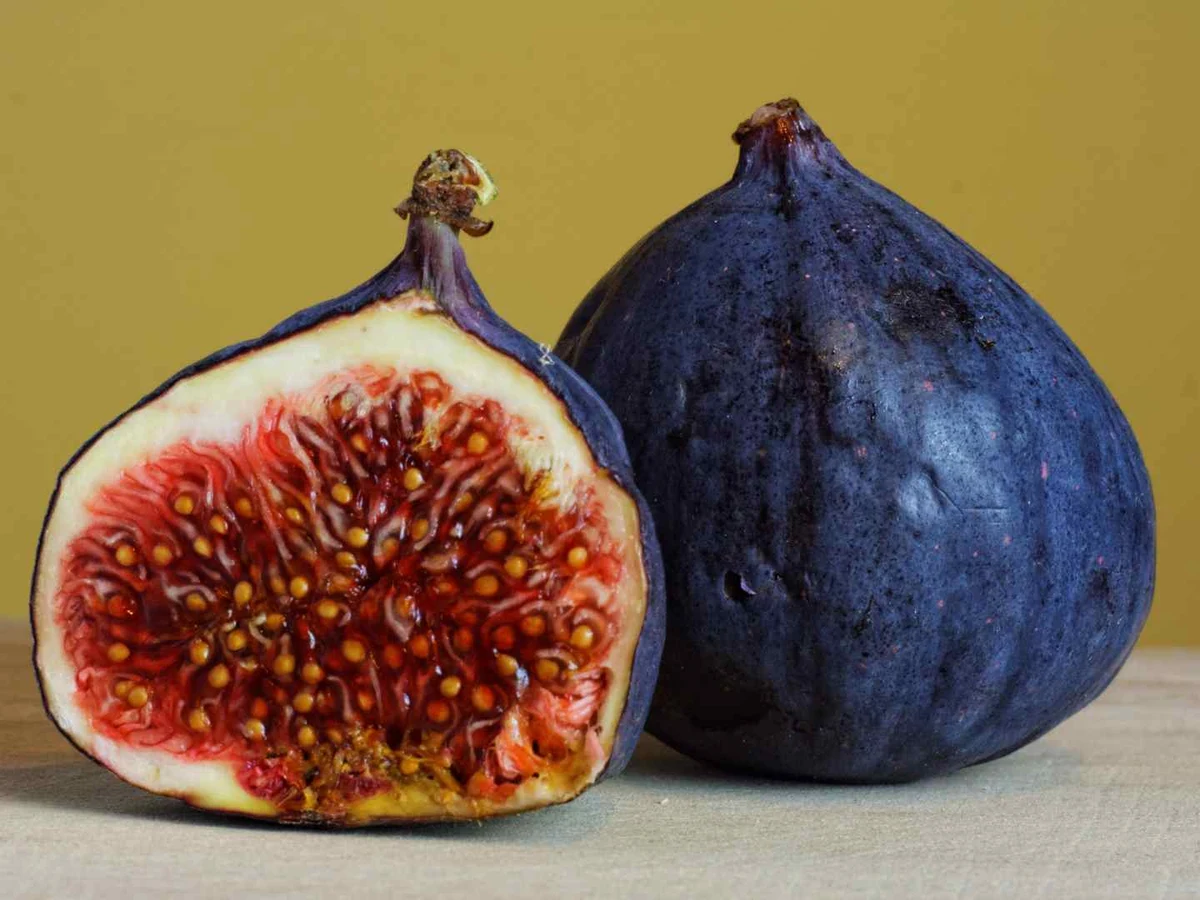
Ripe inner flesh is the least concerning edible portion
A healthy cat that accidentally licks a speck of clean ripe interior may remain completely normal. There is still no feline nutritional reason to offer it, and a cautious owner can simply choose a cat-specific treat.
If a veterinarian permits a taste, remove stem material, avoid sap, wash the whole fruit before cutting, and offer only a crumb of soft inner flesh. Do not serve a whole wedge, peel-heavy piece, or sticky half fruit.
The FDA recommends rinsing produce under running water before cutting and keeping it separate from raw animal foods. Soap and detergent do not belong on fruit.
The cat apple guide uses the same part-by-part thinking for flesh, peel, core, seeds, and products. It does not establish a fig serving, but it demonstrates why the fruit name alone is too broad.
Peel and stem are avoidable texture problems
Fig skin is edible for people, yet it can be fibrous and tacky for a cat. The stem is tougher and more likely to contain fresh sap, so neither belongs in a planned taste.
A swallowed stem or large peel strip can gag, irritate, or obstruct. Repeated swallowing, drooling, regurgitation, vomiting, appetite loss, abdominal pain, reduced stool, or unusual hiding after plant material disappears warrants a clinic call.
Do not induce vomiting or feed oil, bread, pumpkin, or another meal to force plant material through. The correct response depends on object size, time, location, and the cat’s condition.
Dried figs change the texture and calorie density
Drying removes water and turns fig flesh into a dense, chewy, concentrated fruit. A human-sized dried fig can form a sticky wad, cling around teeth, or be swallowed in a piece far too large for a cat.
Commercial dried fruit may use added sugar, coatings, preservatives, rice flour, flavors, or mixed-fruit packaging. Inspect the current label and account for desiccant or oxygen-absorber packets.
If a packet was torn or swallowed, save the outer bag and an identical sachet and call promptly. Packet chemistry varies, while wrapper film can obstruct even when the granules themselves are low toxicity.
The feline grape and raisin guide addresses a different dried fruit with its own uncertain cat evidence. A dried fig is not a raisin, so canine grape toxicology should not be pasted onto it.
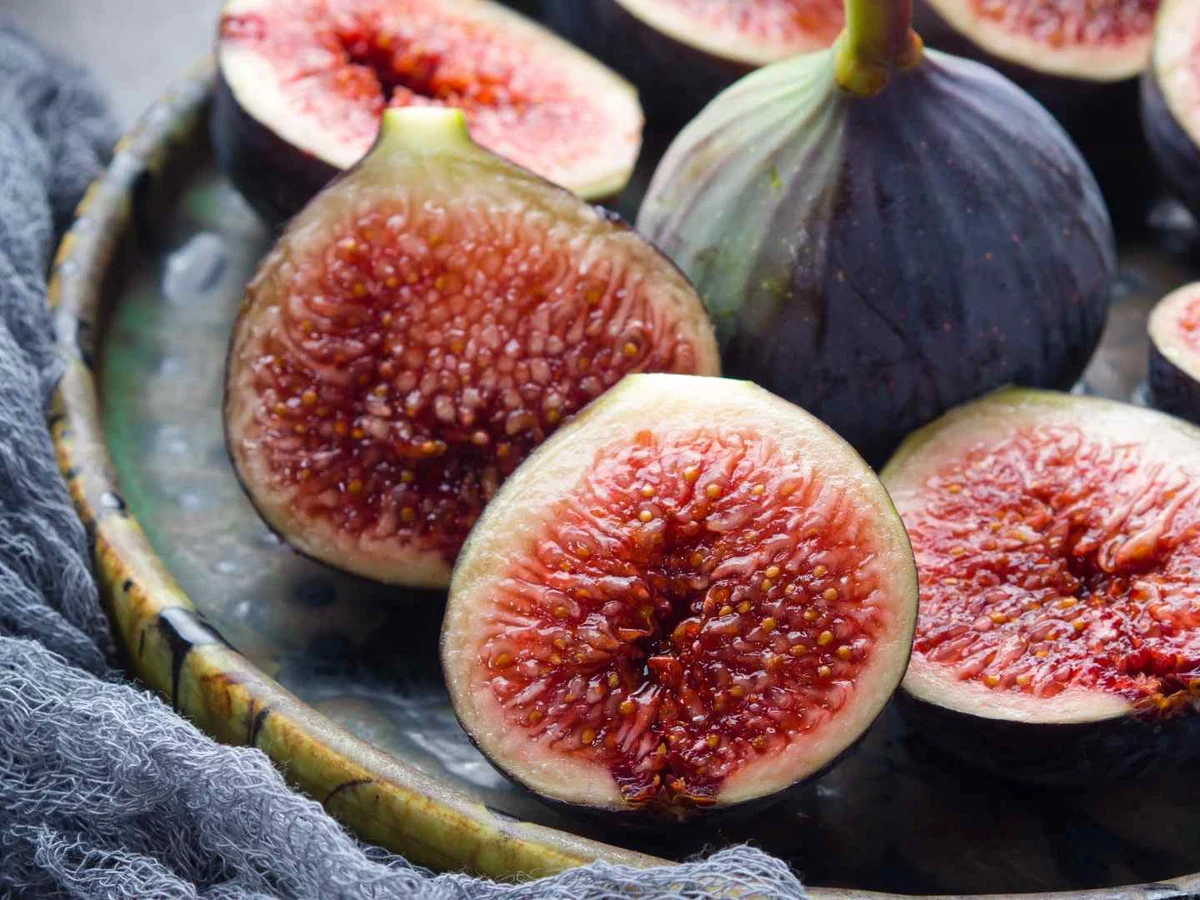
Natural sugar does not make figs poison or medicine
Figs contain natural sugar, fiber, and calories, but a tiny flesh taste is not accurately described as sugar poisoning. The practical issue is that repeated sweet fruit can displace a balanced diet and worsen calorie control.
Cats do not need fruit sugar, and diabetes should be managed through a veterinarian-directed diet, medication, and monitoring plan. Never use a fig as an improvised glucose treatment unless that cat’s clinician has supplied exact instructions.
Human claims about fig antioxidants, minerals, digestion, fertility, or immune support do not prove feline benefit. A nutrient’s presence in fruit says nothing about a useful cat dose or clinical outcome.
The FDA’s pet-food adequacy framework explains what should anchor daily feline nutrition. Fig flesh carries no complete-and-balanced life-stage statement.
Fiber is not a do-it-yourself constipation plan
A large fig serving can produce gas, vomiting, diarrhea, abdominal discomfort, or appetite change. More fiber is not always better, particularly when dehydration, obstruction, pain, medication, kidney disease, or megacolon underlies constipation.
Repeated litter-box straining can also indicate urinary blockage rather than a bowel problem. Little or no urine, crying, vomiting, lethargy, or a painful abdomen is an emergency, especially in a male cat.
Contact the veterinarian instead of cycling through figs, oil, milk, and supplements. A history, examination, and sometimes imaging or laboratory tests identify what the litter box cannot explain.
Fig jam, paste, bars, and syrup
| Product | What it can add | Best response |
|---|---|---|
| Fig jam | Sugar, acid, spices, sweeteners | Read the jar and keep portions away. |
| Fig bar | Flour, fat, sugar, sticky filling, wrapper | Assess the finished cookie and packaging. |
| Fig syrup | Concentrated sugar, flavors, blends | Do not use as a supplement or glucose remedy. |
| Fig spread | Cheese, salt, alcohol, herbs | Reconstruct the whole appetizer. |
| Stuffed fig | Nuts, chocolate, bacon, cheese, toothpick | Count sharp hardware and risky fillings. |
| Smoothie | Plant milk, yogurt, protein powder, caffeine | Obtain the full recipe, not just fruit names. |
Chocolate can introduce methylxanthines, while savory fig appetizers may contain onion or garlic. The cat chocolate guide helps identify cocoa type and amount after a coated-fruit theft.
A toothpick or skewer is an urgent foreign-object concern. Never induce vomiting after a sharp item disappears, and bring a matching piece or photograph with scale.
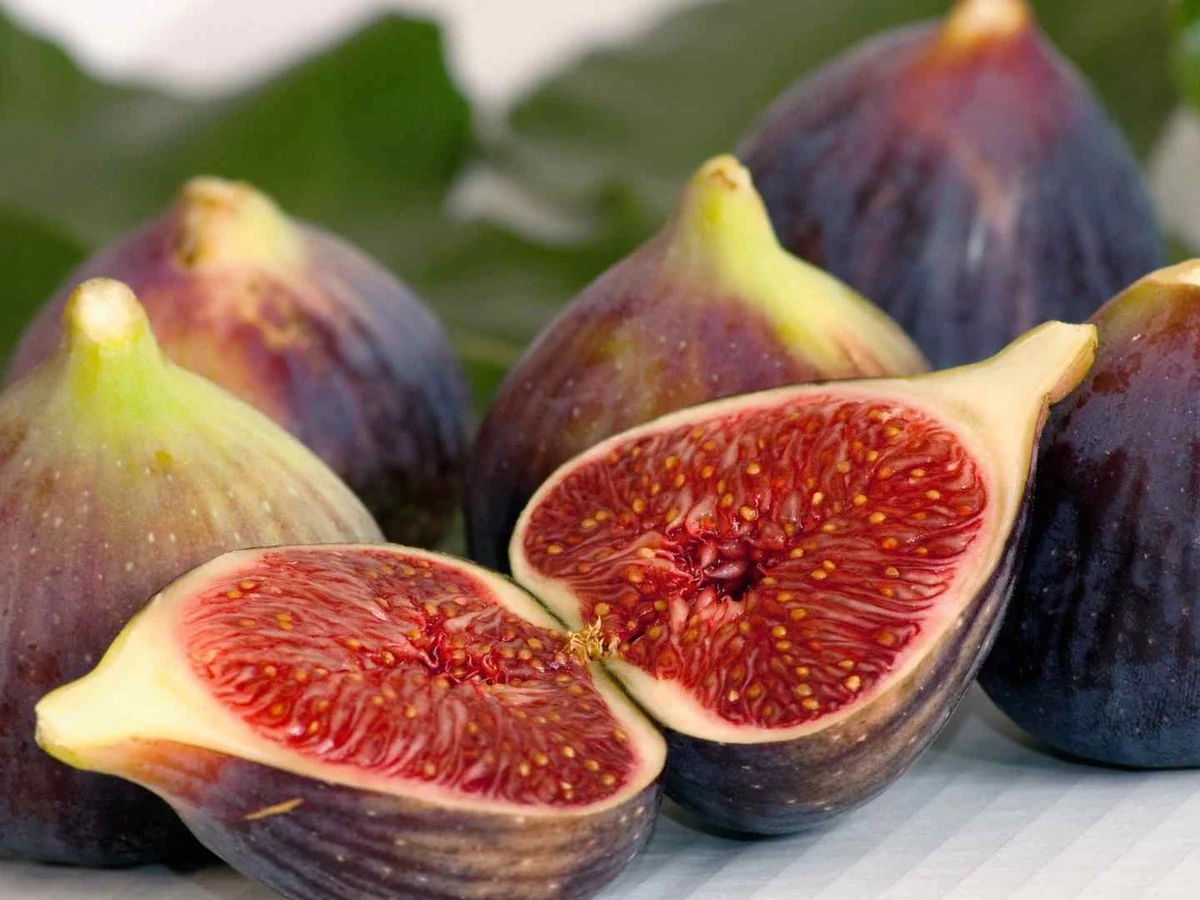
Fig houseplants need cat-proof placement
Fiddle-leaf figs, weeping figs, rubber plants, and other ornamental Ficus species are popular indoors. Common names can be confusing, so retain the nursery label and scientific name.
Place plants in a genuinely inaccessible room rather than trusting a high shelf above climbable furniture. Fallen leaves, pruning debris, saucers, fertilizer sticks, pesticides, wire ties, and decorative stones all require control.
A cat who repeatedly chews houseplants may need safer enrichment and evaluation for nausea, dental discomfort, dietary issues, stress, or pica. Removing access prevents repeat exposure while the behavior is investigated.
Garden and wild-tree exposure
Outdoor figs may be treated with pesticide, fertilizer, herbicide, or pest bait, and fallen fruit can ferment, mold, attract insects, or mix with compost. Report the entire garden scene rather than the fruit alone.
If wet chemical is on the coat, prevent grooming and keep the product label. Do not bathe with household detergent or combine chemicals unless a veterinarian or poison expert directs the method.
Bee or wasp stings around fallen fruit can cause facial swelling or breathing trouble. Rapid swelling, wheezing, collapse, or widespread hives requires emergency care.
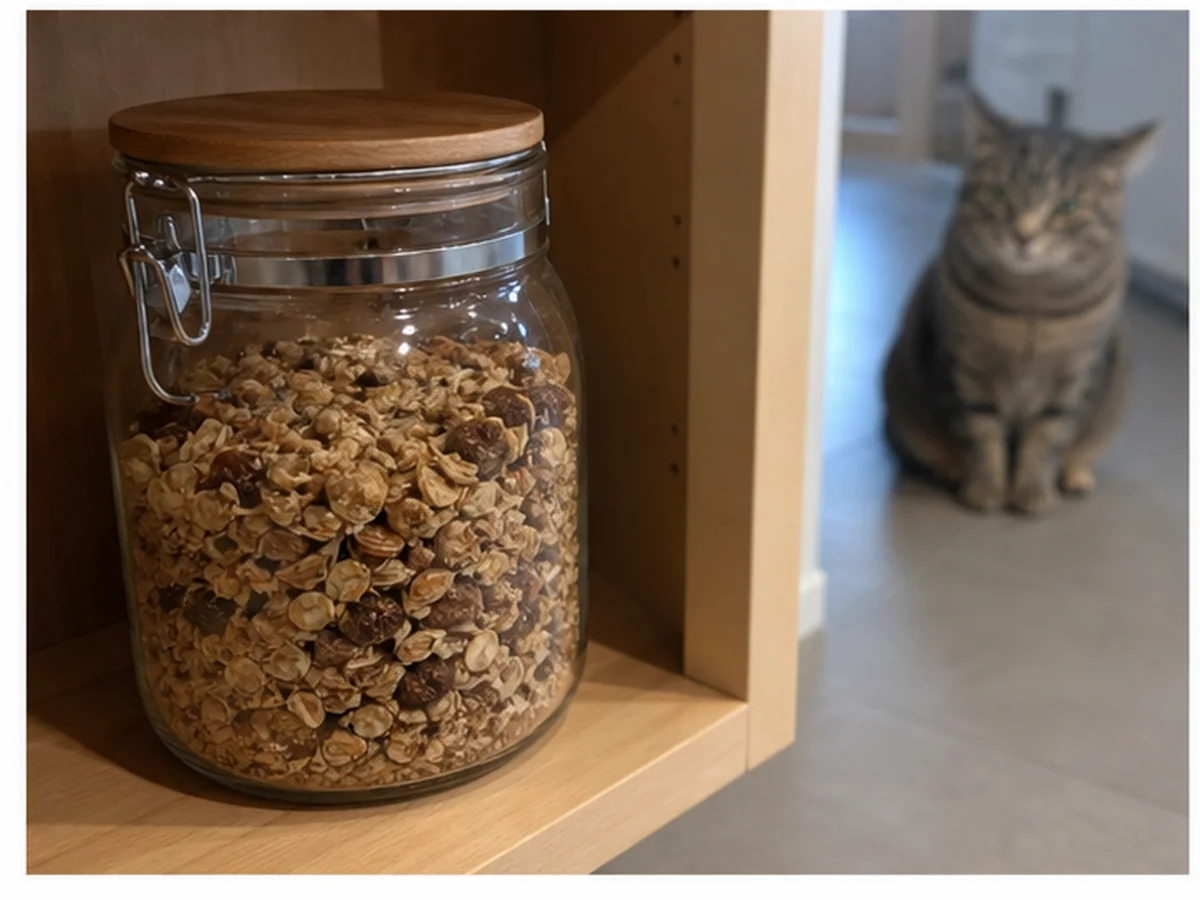
What to do after fig access
- Identify the plant or product: edible fruit, dried fig, houseplant, sap, jam, bar, supplement, compost, or mixed dessert.
- Name the part: ripe flesh, skin, stem, leaf, branch, root, milky sap, wrapper, packet, or skewer.
- Remove contact: prevent grooming of sap and isolate the plant without exposing your own skin.
- Call promptly: seek advice for plant chewing, sap, eye contact, a large amount, foreign objects, uncertain identification, or symptoms.
- Use emergency care: breathing difficulty, collapse, severe swelling, repeated retching, seizures, or intense abdominal pain cannot wait.
A tiny ripe-flesh lick in a symptom-free healthy cat may simply be observed after the rest is removed. Continue the usual food and water and do not create a larger exposure to test the first one.
Frequently asked questions
Are fresh figs toxic to cats?
Fig plant sap and plant parts can irritate cats, while direct evidence for severe toxicity from a microscopic ripe inner-flesh taste is limited. Avoid planned feeding and call after sap, plant chewing, a large amount, or symptoms.
What if my cat chewed a fiddle-leaf fig?
Move the plant away, prevent further licking, photograph the plant and damage, and call a veterinarian or poison service. Mouth irritation, drooling, vomiting, skin exposure, and eye contact need specific guidance.
Can cats eat dried figs?
They should not be offered because the dense sticky texture, concentrated sugar, packaging, and freshness packets add avoidable problems. A tiny fragment may be low risk, but a swallowed whole dried fig deserves a call.
Can figs help a constipated cat?
Do not use them as a home treatment. Constipation and litter-box straining have several possible causes, including urinary blockage, and the correct plan depends on veterinary diagnosis.
Bottom line
Figs demand better identification than a simple fruit yes-or-no. A trace of ripe inner flesh may be uneventful, but sap, leaves, stems, dense dried fruit, houseplants, and mixed products justify caution while the cat’s balanced diet gets along beautifully without them.