Can Cats Eat Mashed Potatoes? Dairy, Garlic, Gravy, and Portions
A tiny amount of plain cooked potato is unlikely to harm most healthy cats, but I would not make mashed potatoes a routine treat. Cats do not need starchy side dishes, and holiday mash often contains butter, cream, garlic, onion, salt, cheese, gravy, or bacon.
The quick mashed-potato verdict for cats
Plain fully cooked potato may be tolerated in a tiny amount, but cats are obligate carnivores and gain little nutritional value from a bowl of starch. The more butter, dairy, alliums, gravy, and toppings a recipe contains, the less useful it becomes.
If I want to share something from dinner, a tiny piece of plain fully cooked boneless meat makes much more sense than mashed potatoes. The cat does not need to be invited into every side dish.
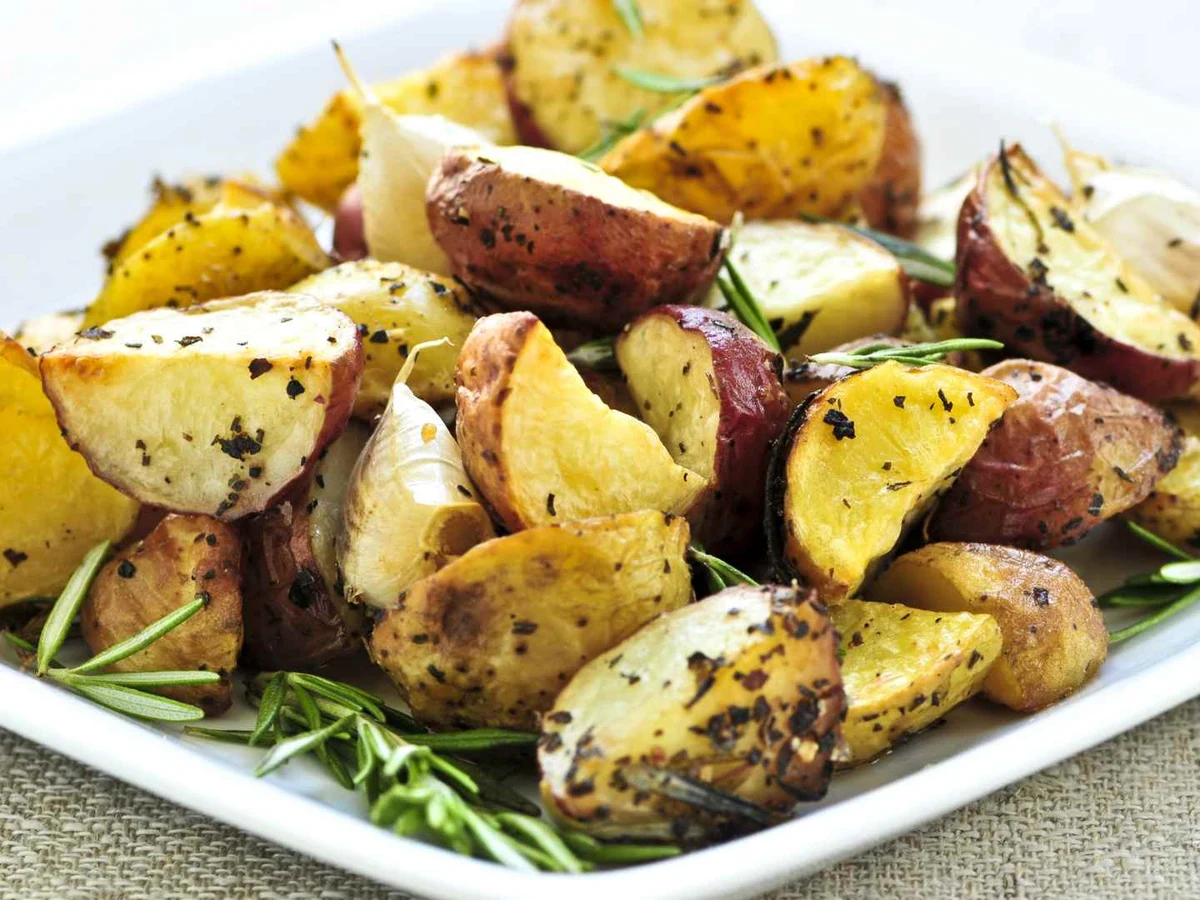
Plain cooked potato is the least concerning version
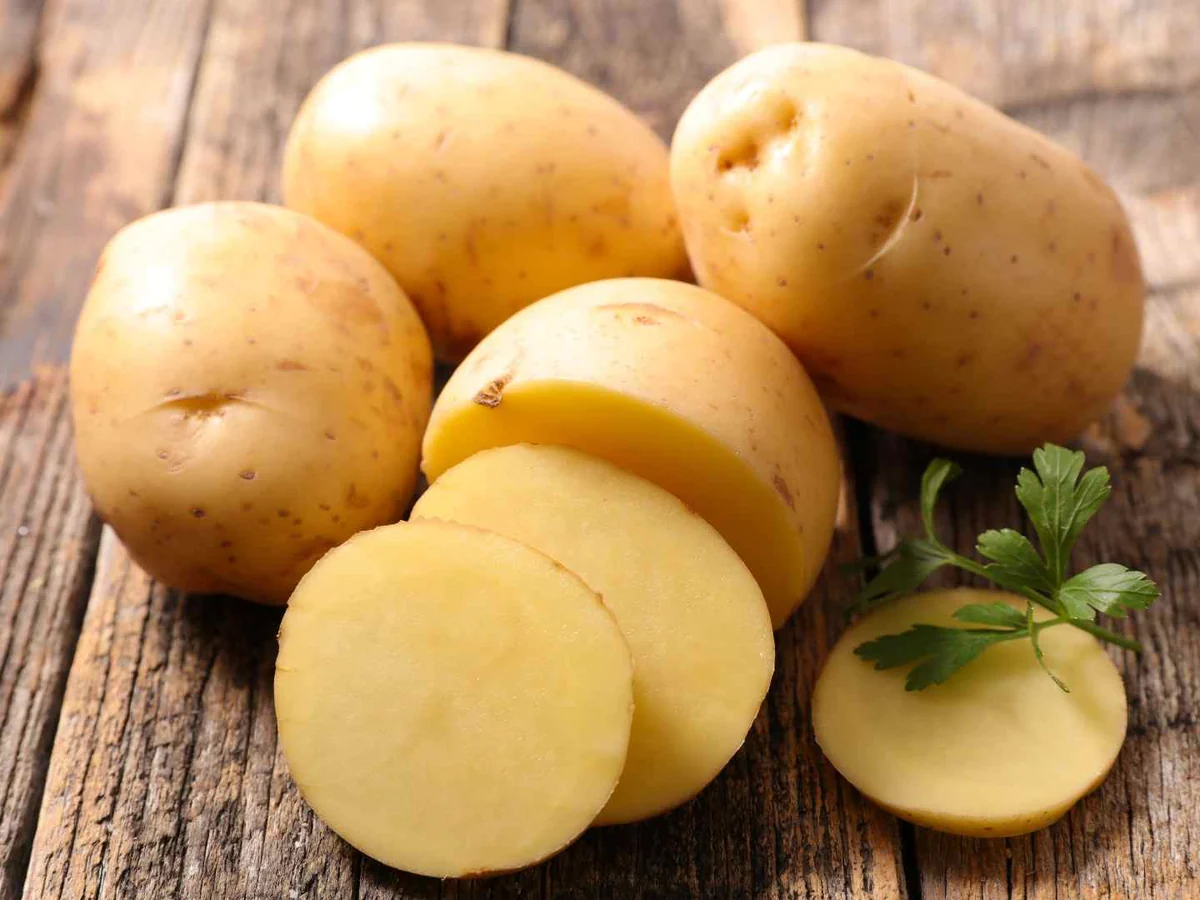
Fully cooked white potato is mostly starch with some potassium, vitamin C, and other nutrients. A complete cat food already supplies the nutrients a cat needs in a form designed for feline physiology.
A teaspoon of plain mashed potato may be low risk for many healthy cats, while a human-sized scoop can add a surprising amount of carbohydrate and calories. Cats are small enough that portion creep happens quickly.
Cats with obesity, diabetes, or a calorie-controlled plan have even less reason to receive mashed potato. I would keep starch extras very small or skip them entirely.
Butter can turn a bland side dish into a rich one
Butter adds a lot of fat in a small amount. A tiny lick may cause no problem, while a larger serving can trigger vomiting, diarrhea, or abdominal discomfort.
Cats with pancreatitis, obesity, or chronic gastrointestinal disease deserve especially strict limits on rich food. Plain potato is easier to assess than trying to guess how much butter disappeared into the bowl.
Milk and cream can cause digestive upset
Many adult cats produce less lactase after weaning and may digest lactose poorly. Milk or cream can therefore cause gas, bloating, loose stool, or diarrhea.
Heavy cream also adds more fat than ordinary milk. A little dairy in a large batch may not bother every cat, but there is no feline nutritional reason to make creamy mashed potatoes a routine snack.
If the cat already develops diarrhea after milk, ice cream, or cheese, mashed potatoes made with dairy are even less appealing as a treat choice.
Garlic is one of the biggest reasons to keep mashed potatoes away
Roasted garlic, garlic powder, garlic salt, and garlic butter are common in savory mashed potatoes. Garlic belongs to the allium family, and cats are particularly sensitive to allium-related red-blood-cell damage.
Powdered garlic is concentrated and can be present even when no visible pieces remain. That makes the actual recipe or seasoning label much more useful than looking at the finished potatoes.
Weakness, pale gums, rapid breathing, increased heart rate, dark or reddish urine, reduced appetite, or collapse can occur after a meaningful exposure and may be delayed.
Onion powder, chives, shallots, and leeks count too
Onion, shallots, chives, and leeks are also alliums and can damage feline red blood cells after a sufficient dose. Cooking does not reliably remove that risk.
Chives are especially easy to overlook because they may be sprinkled over the potatoes after cooking. Onion powder can also hide in seasoning blends, broth, or gravy.
If a cat eats a substantial amount of garlic- or onion-heavy mash, save the recipe and call rather than waiting for anemia signs to appear.
Cheese makes mashed potatoes even richer
Cheddar, Parmesan, cream cheese, sour cream, and other dairy products can add fat, sodium, and calories. Some flavored cheeses also contain garlic, onion, or chives.
A tiny accidental bite may cause no issue in a healthy cat, but loaded cheesy mash is not useful feline food. Plain cooked meat is the easier treat.
Gravy can be more concerning than the potato
Gravy can contain onion, garlic, salty broth, drippings, butter, cream, flour, and concentrated seasoning. A teaspoon of plain potato and a teaspoon of potato soaked in gravy are not equivalent exposures.
If the cat raids mashed potatoes with gravy, save the gravy packet, jar, or recipe. Commercial products often contain onion or garlic powder that is invisible in the finished sauce.
Rich meat drippings also add substantial fat. Cats with pancreatitis or gastrointestinal disease have especially little room for gravy-heavy leftovers.
Bacon, ham, and sausage toppings add sodium and fat
Loaded mashed potatoes may be topped with bacon, ham, sausage, crispy onions, or seasoned meat. These foods can be salty and fatty and may contain garlic or onion seasoning.
One tiny bacon crumb is different from a bowl of loaded mash, but I would not intentionally serve the finished dish to a cat. The toppings are doing most of the damage to an already unnecessary food.
Salt matters in large portions and medically restricted cats
Seasoned mashed potatoes can contain far more sodium than plain potato. One small lick is unlikely to cause salt poisoning by itself, but salty table foods can interfere with carefully controlled diets.
Cats with kidney disease, heart disease, high blood pressure, or a prescribed sodium restriction should not receive salty mashed potatoes. Their diet works best when sodium intake stays predictable.
Green or sprouted potatoes are a different problem
Potato plants and green or sprouted tubers can contain higher concentrations of glycoalkaloids such as solanine and chaconine. Those compounds can cause gastrointestinal and neurologic signs after a sufficient exposure.
Mashed potatoes should start with sound potatoes, not green or heavily sprouted ones. If a cat gets into raw green potato scraps, assess that exposure separately from the finished mash.
Vomiting, diarrhea, weakness, tremors, unusual behavior, or other neurologic signs after green-potato exposure deserves veterinary attention.
Potato skins are often more about the toppings than the skin
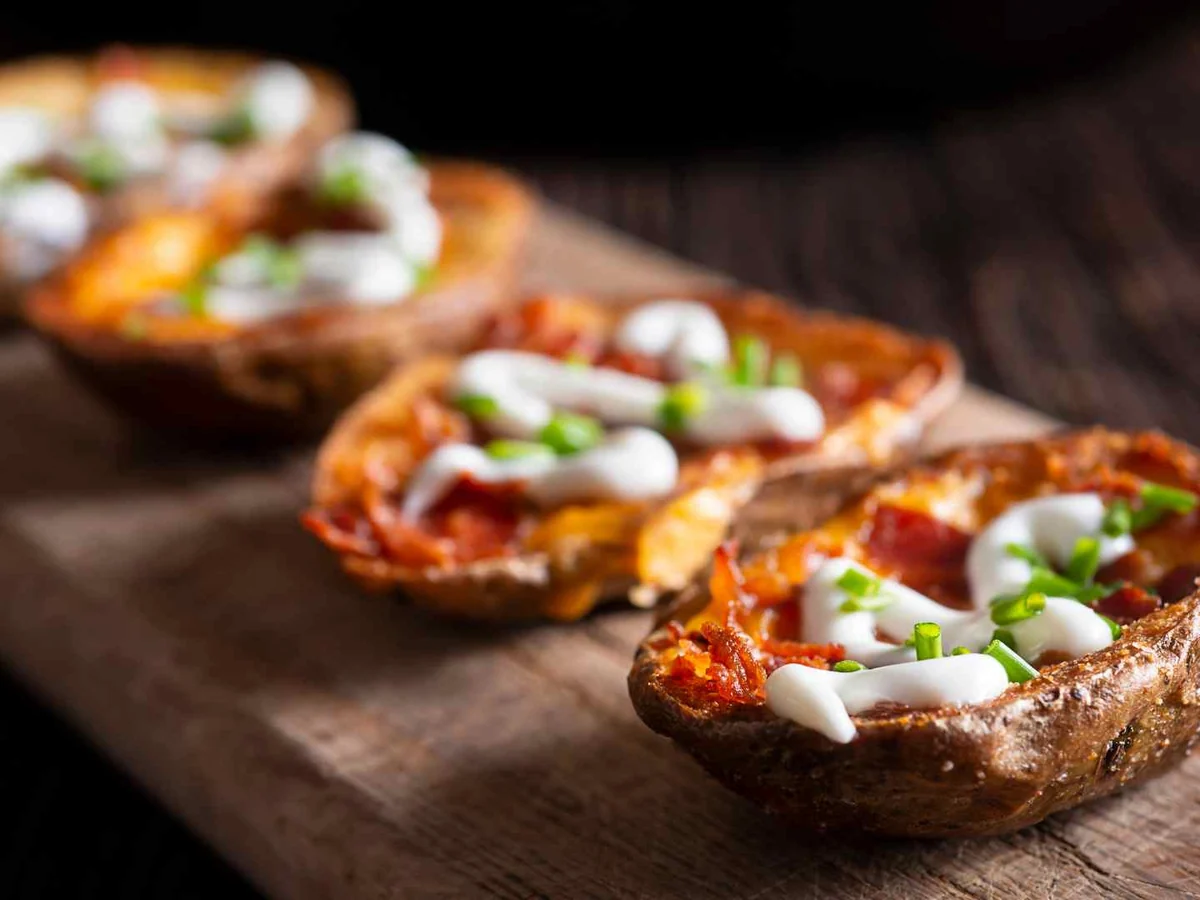
Cooked skin from a sound non-green potato is not automatically dangerous, but potato skins can be fibrous and are often paired with cheese, bacon, sour cream, chives, and salt.
Green skin or sprouted potato deserves more concern because glycoalkaloid concentrations can be higher. I would not intentionally offer green or bitter potato material to a cat.
Instant mashed potatoes need an ingredient-label check
Instant potato flakes may contain milk solids, butter flavor, cheese, salt, onion powder, garlic powder, or seasoning packets. Some are nearly plain, while others are heavily flavored.
If the cat gets into instant mash, save the box and identify whether the exposure was dry flakes, prepared potatoes, or a seasoning packet. Concentration matters.
Restaurant mashed potatoes are rarely plain
Restaurant mash may contain large amounts of butter, cream, salt, garlic, cheese, broth, and seasoning. Unless the kitchen provides an ingredient list, I would assume the finished dish is not a simple potato.
If I want to share food from a restaurant meal, a tiny piece of plain fully cooked meat is usually easier to assess than mashed potatoes designed to be rich.
Mashed sweet potatoes are a different ingredient
Sweet potatoes are botanically different from white potatoes and do not have the same glycoalkaloid issue. A tiny amount of plain cooked sweet potato may be tolerated by many cats.
Holiday sweet potato mash can still contain butter, brown sugar, maple syrup, marshmallows, cream, nuts, or spices. Cats do not need the dessert version either.
Mashed potatoes are not a feline bland-diet prescription
Cats have specific protein and amino-acid needs, and potato alone does not provide complete nutrition. If a cat is vomiting, has diarrhea, or refuses food, I would not substitute mashed potato for a proper evaluation and feeding plan.
Appetite loss matters especially in cats. A cat that stops eating for an extended period, particularly an overweight cat, can develop serious metabolic complications.
Cats with diabetes should skip mashed potatoes
Mashed potato is carbohydrate-dense and can affect blood glucose. Cats with diabetes benefit from consistent meals and treats that fit their established nutritional plan.
If a diabetic cat steals a large portion of mashed potatoes, contact the veterinary team for advice based on the cat’s insulin schedule and current glucose-management plan.
What to do if your cat ate mashed potatoes
- Save the recipe, restaurant ingredient list, or instant-potato package.
- Estimate how much was eaten and when.
- Check for garlic, onion, chives, shallots, leeks, gravy, bacon, sausage, cheese, butter, cream, and excess salt.
- Note whether green or sprouted potato scraps were also accessible.
- Call promptly after a meaningful allium exposure or if the cat develops severe symptoms.
- Monitor simple plain-potato exposures for vomiting, diarrhea, appetite loss, or abdominal discomfort.
Do not induce vomiting at home
Hydrogen peroxide should not be used to make cats vomit. Salt, mustard, oil, and other improvised home remedies can also cause injury.
Call with the exact ingredients, amount, timing, and symptoms. The veterinary team can decide whether observation, laboratory testing, or treatment is appropriate.
How I handle potatoes around cats
If I want to offer potato at all, I use one tiny piece of plain fully cooked sound potato before butter, dairy, garlic, onion, or gravy is added. In practice, I usually reach for plain meat instead.
The cat is not grading the Thanksgiving side dishes. I am comfortable letting mashed potatoes remain a human-only category.
Frequently asked questions
Can cats eat plain mashed potatoes?
A tiny amount of fully cooked plain potato may be low risk for many healthy cats, but cats do not need it nutritionally.
Can cats eat mashed potatoes with milk?
I would avoid them as a treat. Many adult cats digest lactose poorly, and milk or cream can cause gastrointestinal upset.
Can cats eat garlic mashed potatoes?
No. Cats are particularly sensitive to alliums, and garlic can damage red blood cells after a sufficient dose.
Can cats eat mashed potatoes with gravy?
I would avoid them because gravy can contain onion, garlic, salty broth, drippings, butter, cream, and concentrated seasoning.
Bottom line
A tiny amount of plain fully cooked potato may be low risk for many healthy cats, but mashed potatoes are not useful feline food. Garlic and onion are the biggest concerns, while butter, cream, cheese, gravy, bacon, salt, and green or sprouted potatoes add more reasons to keep the holiday mash on the human plate.