Can Cats Eat Garlic Bread? Allium Toxicity, Dough, and Packaging
Do not feed garlic bread to cats, and call a veterinarian or animal poison service after a credible ingestion. Garlic can cause oxidative red-blood-cell injury in cats, while onion, concentrated seasonings, raw yeast dough, butter, cheese, mold, foil, and bread-bag pieces can add separate hazards.
The plate is still on the counter: do this first
- Remove the remaining bread and prevent every pet from returning for seconds.
- Save the package, restaurant receipt, recipe, spread tub, seasoning jar, and ingredient substitutions.
- Estimate the largest missing portion and record when access could have happened.
- Check for dough, foil, skewers, toothpicks, bag clips, plastic film, and broken dishes.
- Call promptly, even if the cat currently looks normal.
Do not wait for pale gums to make the decision for you because meaningful red-cell injury can develop after the crumbs are long gone. Give the clinician the cat’s weight, health conditions, exact product, maximum amount, timing, and any signs.
Never use hydrogen peroxide, salt, oil, milk, mustard, or fingers to provoke vomiting. Cats require veterinary judgment and medications when decontamination is appropriate.
Garlic is the reason this is not ordinary toast
Garlic belongs to the Allium group with onion, chive, and leek. Sulfur-containing oxidants can damage feline red blood cells, leading to Heinz body formation, methemoglobinemia, and hemolytic anemia.
The Merck Veterinary Manual identifies cats as the most susceptible species and notes concern with raw, cooked, dehydrated, granulated, and powdered forms. Toasting the loaf does not neutralize the problem.
A normal first evening does not close the case
Stomach upset may appear early, but clinical anemia often takes several days to become apparent. Weakness, reduced appetite, pale or yellow gums, rapid breathing, fast heart rate, dark or reddish urine, collapse, and unusual exercise intolerance require urgent care.
Follow the monitoring and recheck plan the veterinarian provides, including bloodwork if recommended. Do not declare the cat safe because breakfast was eaten the next morning.
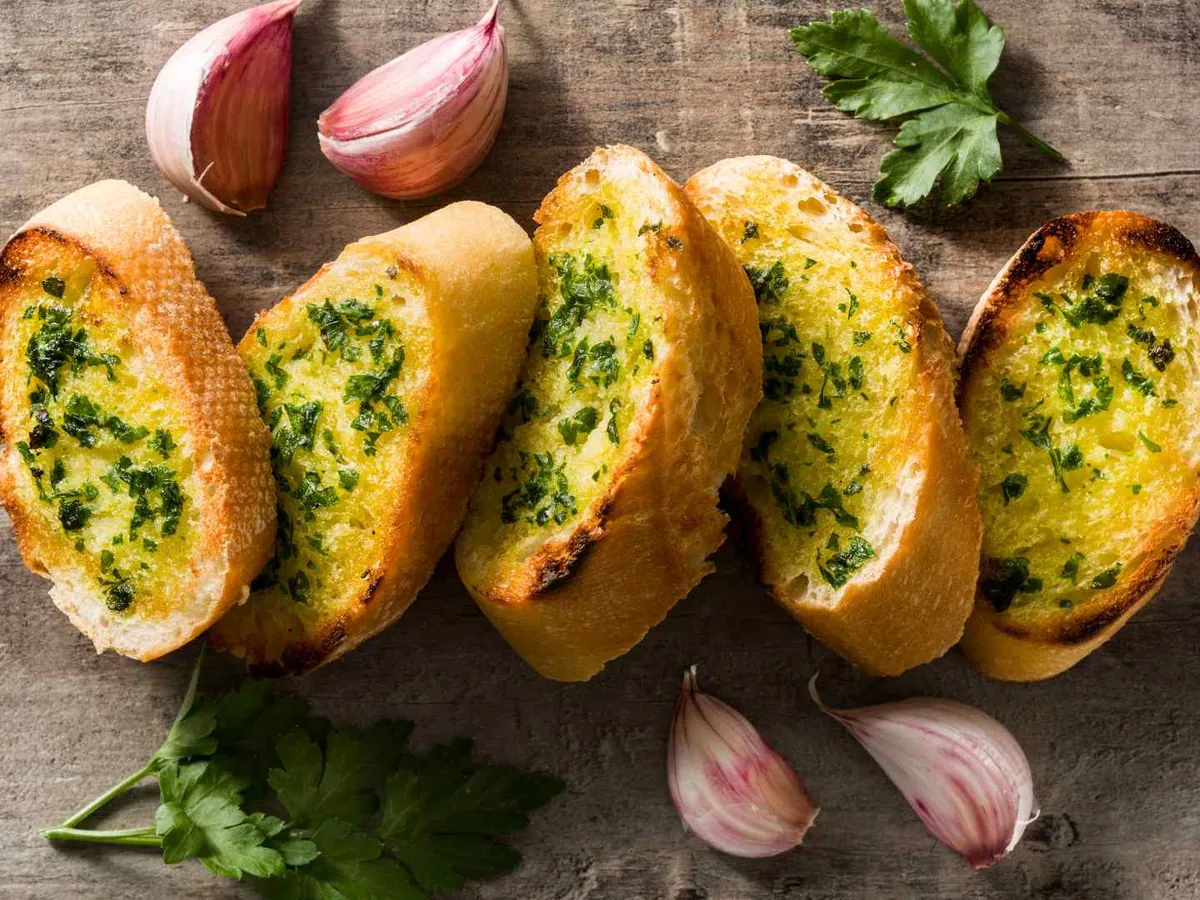
Garlic bread rarely contains one Allium
Commercial spreads and seasoning blends may include onion powder, chives, shallot, leek, “spices,” broth powders, or cheese flavoring alongside garlic. Concentrated powders can be distributed invisibly through the fat and crumb.
Photograph both ingredient and nutrition panels, then keep the container available during the call. Our onion guide for cats covers the same red-cell mechanism and the reason repeated small exposures matter.
The missing corner is a poor measuring spoon
Garlic concentration varies dramatically among homemade loaves, frozen products, pizza-shop knots, restaurant sides, and slices brushed repeatedly during baking. There is no responsible universal “safe bite” calculation from bread size alone.
Report the most garlic-rich plausible recipe and the largest portion that could be missing. Do not subtract crumbs found later until a veterinary professional has used the conservative estimate.
Butter and oil change comfort, not the core toxicology
Garlic butter can deliver concentrated Allium quickly because fat carries seasoning across the entire surface. Large rich portions may also cause vomiting, diarrhea, abdominal discomfort, and problems for cats with previous pancreatitis or strict calorie goals.
Plain butter would not cancel garlic, and scraping off the visible spread cannot remove what soaked into warm bread. The site’s butter article explains the dairy-fat question separately.
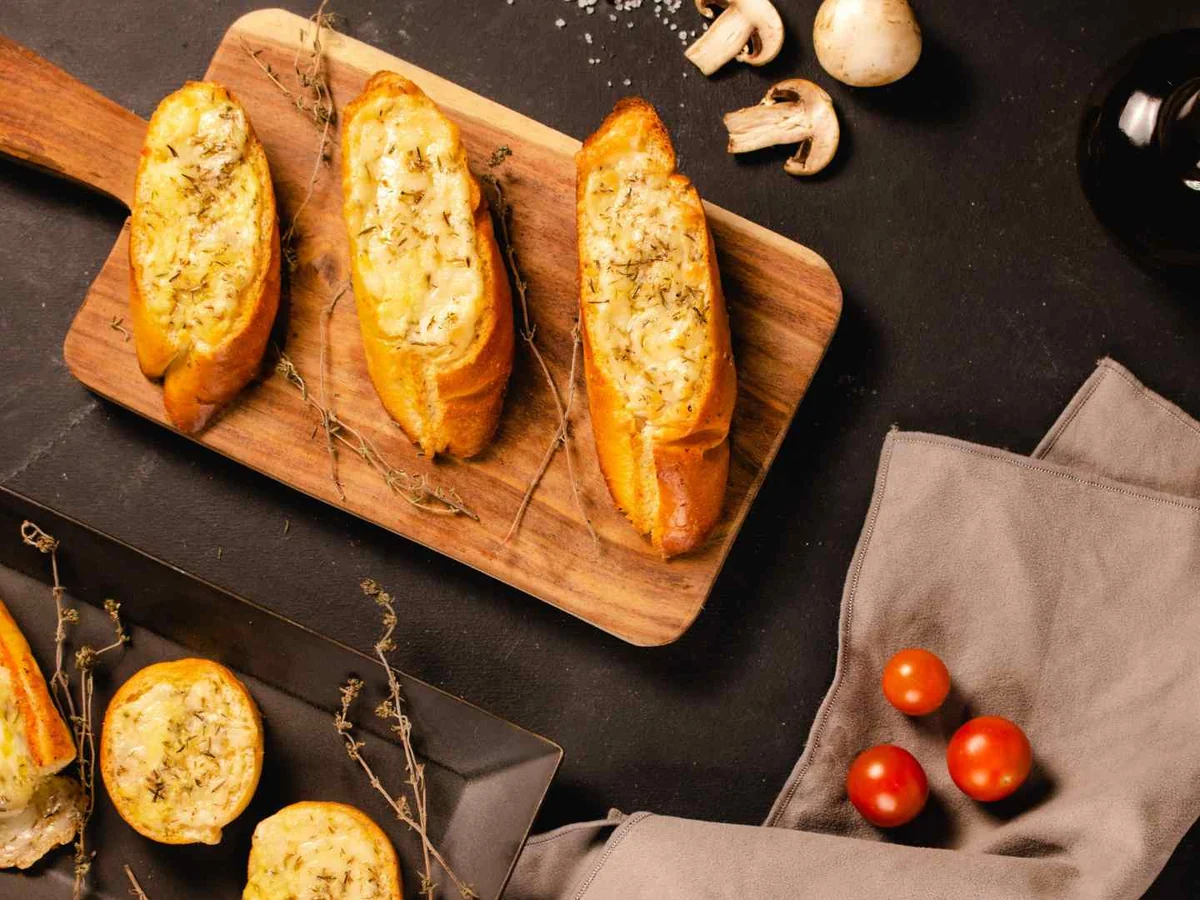
Cheesy garlic bread adds another layer
Mozzarella, Parmesan, cream cheese, or a processed cheese sauce adds sodium, fat, calories, and possible lactose without reducing Allium risk. Pizza-style products may also contain onion-seasoned sauce, cured meat, and spicy flakes.
A tiny cheese string is not the right detail to focus on when garlic exposure is credible. Preserve the entire recipe, including dipping sauce, because the most consequential ingredient may be invisible.
Raw garlic bread dough is a two-part emergency
Before baking, yeast dough can expand in the stomach and produce ethanol as fermentation continues. That physical and alcohol hazard sits beside the garlic exposure rather than replacing it.
The Merck bread-dough review describes stomach distention and alcohol toxicosis. A swallowed lump of rising dough warrants immediate emergency contact for any species.
Frozen bread, cooked knots, and restaurant baskets
| Version | Hidden details | Why the label matters |
|---|---|---|
| Frozen loaf | Spread may be preapplied on every cut | Concentration and serving size are product-specific |
| Garlic knot | Oil and garlic collect in folds | One knot can hold uneven seasoning |
| Texas toast | Thick bread absorbs flavored fat | Scraping the top is unreliable |
| Restaurant basket | Recipe and refills may be unknown | Call the restaurant for ingredients |
| Garlic naan | Fresh garlic, powder, butter, herbs | Alliums can appear in dough and topping |
Brand names and restaurant recipes can change, so use the current package or ask the kitchen rather than relying on an old online ingredient list. Note whether the cat reached a seasoned edge, pooled butter, or several pieces.
Our broader bread guide covers ordinary baked crumbs, raisins, mold, and bags. Garlic bread leaves the low-risk plain-bread lane because its defining ingredient is unsafe.
Foil, film, and toothpicks may travel with dinner
Garlic bread often arrives wrapped in foil or plastic, held with a sticker, or served beside skewers and toothpicks. Greasy packaging smells edible to a cat and can obstruct, cut, or become a linear foreign body.
Call immediately for sharp objects or a missing closure, and never pull visible string from the mouth or rectum. Repeated vomiting, drooling, gagging, belly pain, reduced stool, straining, or food refusal needs assessment.
Mold and old garlic butter create new problems
Bread forgotten behind an appliance can grow mold, while improperly stored spread can spoil. Do not trim a fuzzy area and offer the remainder, since porous bread can be affected beyond the visible patch.
Tremors, poor coordination, seizures, agitation, repeated vomiting, or severe lethargy after moldy food is urgent. Seal a sample if it can be collected safely, but do not delay transport.
Kittens and medically vulnerable cats need a lower threshold
A kitten’s small size leaves little room for casual portion assumptions, and growth food should supply its calories. Cats with anemia, kidney or heart disease, gastrointestinal disease, pancreatitis, diabetes, or a prescription diet need especially prompt individualized advice.
Tell the clinician about medications and any previous blood-count abnormalities. Garlic bread is not an acceptable pill wrap, appetite stimulant, or calorie supplement for a sick cat.
Repeated counter sampling deserves its own history
Small exposures over several days can matter because red cells may be damaged before obvious illness appears. Mention every plausible event, including garlic-seasoned leftovers, gravy, soup, baby food, and powder spilled near the food bowl.
Prevention works better than trying to judge each crumb after the fact. Cool bread inside a closed microwave or cupboard, wipe oily surfaces, and use a lidded bin that cannot become a midnight buffet.
What the clinic may need to evaluate
A veterinarian may examine gum color, breathing, heart rate, hydration, abdominal comfort, and neurologic status, then recommend blood testing or other monitoring based on exposure. Treatment choices depend on timing and condition, not an internet recipe.
The ASPCA classifies garlic as toxic to cats and lists gastrointestinal and anemia-related signs. Use authoritative guidance to support a call, not to self-prescribe decontamination.
Do not confuse poison advice with feeding the next meal
Unless the clinic instructs otherwise, do not force milk, bread, charcoal, oil, or a large meal in an attempt to dilute garlic. Added food can complicate nausea, decontamination, sedation, imaging, or anesthesia decisions.
Ask when normal water and the regular diet should resume, especially if the cat has vomited or is being evaluated. Keep notes about appetite, urine color, breathing, energy, and litter-box visits during the recommended observation period.
If another household member receives the handoff, share the written timeline and emergency number. Delayed anemia is poorly suited to the classic family communication system of assuming somebody else is watching.
A follow-up plan can outlast the garlic smell
The clinician may recommend one examination, serial packed-cell volume or complete blood counts, or no laboratory follow-up after assessing a very small exposure. Those choices are individualized, so do not order tests by copying another cat’s online case.
Report any new weakness, rapid breathing, pale or yellow tissue, dark urine, vomiting, or poor appetite even if an earlier check looked reassuring. A changing patient deserves a new conversation rather than waiting for the scheduled callback.
Keep the product and recipe until the monitoring window closes, then store future bread in a closed container. Labels are easiest to discard precisely when they become medically useful.
Garlic bread made for pets is still a label problem
Novelty bakery treats and homemade pet recipes can borrow names from human foods without sharing one standardized formula. Confirm whether a “garlic bread” product truly contains garlic, garlic flavor, yeast, cheese, salt, or a pet-safe flavor imitation.
Do not assume a dog-marketed product is appropriate for cats because both species appear on social media beside it. Contact the manufacturer and the cat’s veterinarian with the full formula, intended species, feeding directions, and lot number before offering any questionable treat.
During transport, keep the cat in a secure carrier with a towel rather than offering more food in the car. Bring sealed samples and labels separately so garlic butter does not spread across the carrier or the patient’s coat.
Questions after the bread basket incident
My cat ate one garlic bread crumb. Should I call?
Yes, contact a veterinarian or animal poison service with the recipe, amount, time, weight, and health history. Product concentration varies, feline susceptibility is high, and delayed signs make casual home thresholds unreliable.
Does baking make garlic safe for cats?
No. Cooked, powdered, dehydrated, and raw Alliums can all cause oxidative red-cell injury, so a toasted surface is not protective.
Can I induce vomiting before the clinic calls back?
Do not attempt home vomiting in a cat. Keep the animal calm, remove access, gather labels and packaging, and follow instructions from a veterinary professional.
The bottom line
Garlic bread is not a shareable cat snack, even when the stolen amount looks mostly like bread. Call from the ingredient list, account for dough and packaging, remember that anemia may be delayed, avoid home vomiting, and keep garlic-seasoned food behind a closed door rather than at whisker height.