Can Cats Eat Mustard? Condiment, Seeds, Powder, and Oil
A tiny lick of ordinary prepared mustard may cause mouth or stomach irritation, but it is not wise to offer. Mustard condiment, whole seed, dry powder, greens, and essential oil differ greatly, and dog reports about mustard seeds should not be presented as proven feline toxicology.
Which mustard did the cat find?
Save the bottle, spice jar, plant tag, or oil label before cleaning. Note whether the exposure was yellow condiment, Dijon, spicy brown, honey mustard, seed, powder, greens, a poultice, or concentrated oil.
A tiny condiment lick often calls for label review and monitoring. Call promptly for dry powder inhalation, seed quantity, essential oil, plant material, large exposure, unknown ingredients, or swallowed packaging.
The live mustard product guide can help distinguish culinary forms, but dog reactions and dose claims do not establish feline toxicology.
Breathing trouble, repeated vomiting, severe drooling, collapse, tremors, seizures, eye injury, or inability to swallow needs urgent care. Do not induce vomiting or give milk, oil, or another condiment.
Prepared yellow mustard
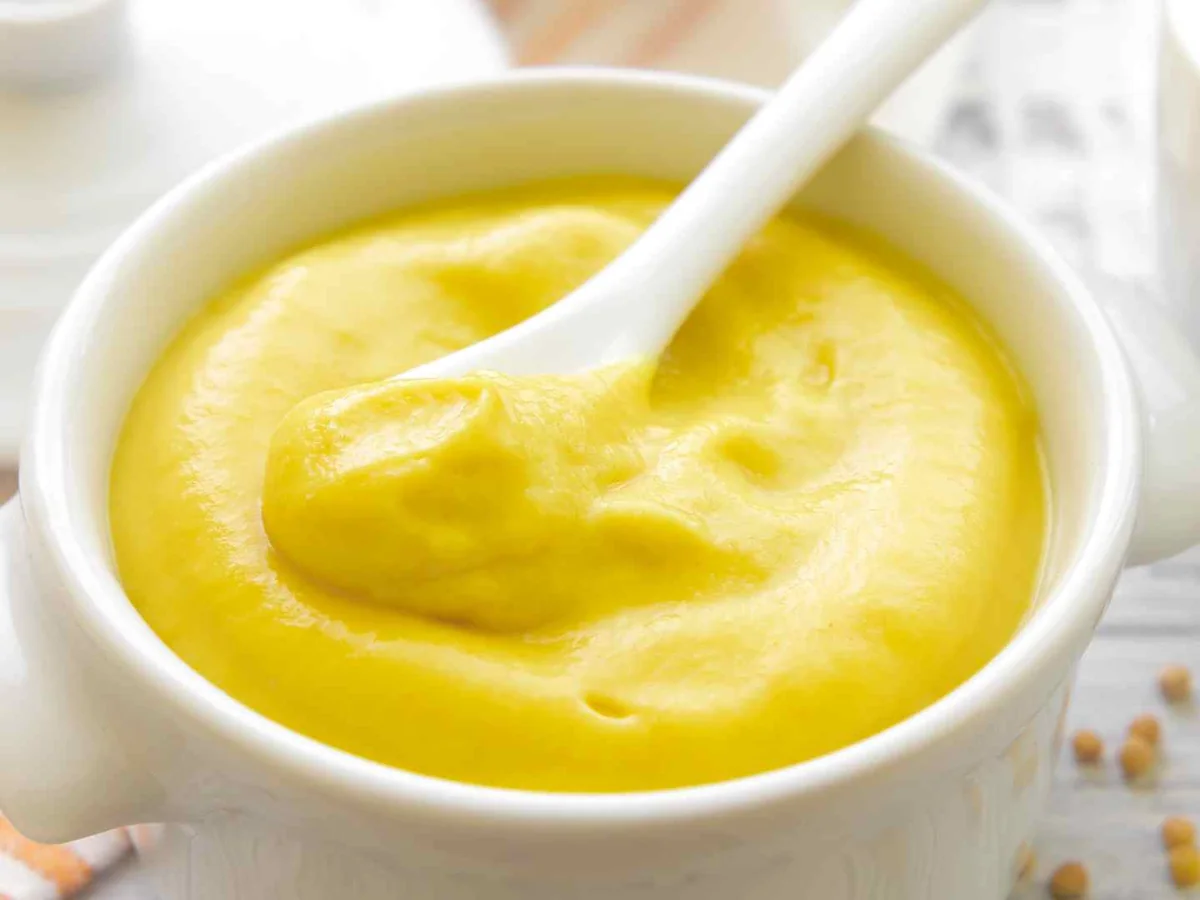
Basic yellow mustard usually contains ground mustard seed, water, vinegar, salt, turmeric, and spices. A small lick can irritate the mouth and stomach, but the actual recipe and amount matter more than the familiar color.
Wipe a surface smear from fur with a damp cloth before grooming spreads it. Offer normal water without forcing the cat to drink.
Vomiting, diarrhea, drooling, pawing at the mouth, or appetite loss after a small exposure deserves a call if it persists. A cat that remains bright and eats normally can generally be observed after professional label review.
Dijon and spicy brown are not just stronger yellow
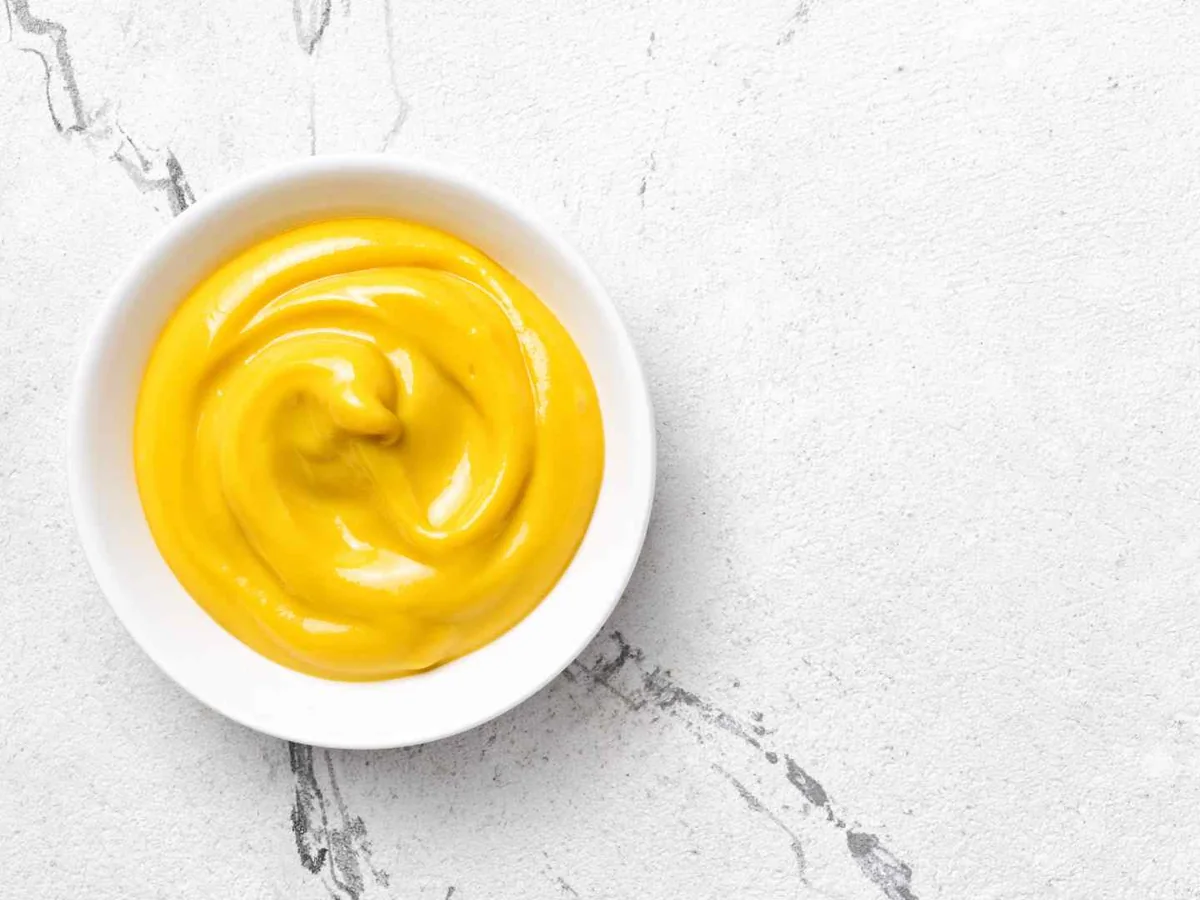
Dijon may contain wine or other flavoring, while spicy brown mustard can use coarser seeds and a hotter spice profile. Recipes vary by brand and country.
The alcohol remaining in commercial condiment is not predictable from the word Dijon alone, and specialty products may add garlic, onion, horseradish, pepper, or sweeteners. Read the current label.
The FDA label guide helps locate serving size, sodium, and ingredients. A human serving should not be mistaken for a feline test portion.
Honey mustard is a sauce recipe
Honey mustard can add sugar, mayonnaise, egg, oil, dairy, garlic, onion, and preservatives. A salad dressing may be much fattier and saltier than straight condiment.
One lick of a standard product is unlikely to poison a healthy cat, but rich sauce can trigger vomiting or diarrhea. Garlic or onion on the ingredient list raises the priority because cats are especially sensitive to alliums.
The ASPCA people-food guidance connects alliums with gastrointestinal irritation and red blood cell injury. Call rather than waiting for pale gums, weakness, rapid breathing, or dark urine.
Whole mustard seeds
Mustard seeds contain pungent compounds that can irritate gastrointestinal tissue, and dog case framing often describes gastroenteritis after seed ingestion. Comparable feline dose-response evidence is limited.
Do not copy a canine toxic quantity onto cats or call one stray seed a poison. Contact a veterinarian about a spoonful, spilled seed packet, seed-heavy sauce, or any symptomatic cat.
Seeds can also be mixed with pickling spices, alliums, salt, or other botanicals. Bring the blend label instead of assuming every round seed is mustard.
Dry mustard powder can reach lungs and eyes
Powder is concentrated and easily aerosolized when a cat steps in a spill or a person brushes it away. Inhalation can cause coughing, sneezing, throat irritation, and breathing difficulty.
Move the cat to clean air without creating another dust cloud. For eye contact, call for flushing instructions and avoid rubbing the powder across the cornea.
Prevent grooming if powder coats paws or fur, then ask a professional how to remove it. Do not apply cooking oil or essential oil to trap the dust.
Mustard essential oil is a different category
Essential oil and concentrated flavor extracts are not culinary mustard portions. They may cause serious irritation and systemic illness through ingestion, skin contact, or inhalation.
Call immediately after contact, keep the bottle, and prevent licking. Do not induce vomiting or try to dilute the oil with another oily product.
The ASPCA essential-oil guidance explains why concentrated oils require caution around pets. Product-specific composition and exposure route guide decontamination.
Mustard greens and garden plants
Mustard greens are plant material rather than condiment, and a small nibble may mainly cause digestive upset. A large amount, garden chemical, seed pod, or uncertain plant identity deserves a call.
Photograph leaves, stems, flowers, and the whole planting area. Common names can refer to different species, and pesticides or fertilizers may pose the larger hazard.
Cats do not need mustard greens for vitamins or fiber. The Cornell Feline Health Center emphasizes complete diets tailored to feline nutritional requirements.
Mustard gas is not food mustard
The chemical warfare agent commonly called mustard gas is unrelated to eating prepared condiment and requires emergency hazardous-material response. Do not use food articles to manage a chemical exposure.
If an industrial product, laboratory chemical, or unknown cleaning agent is involved, leave the area safely and contact emergency services or poison control. Preserve the safety data sheet when doing so is safe.
Hot dogs, sandwiches, and burgers
A mustard-coated hot dog adds processed meat, sodium, fat, onion, relish, bun, and choking risk. Sandwiches and burgers may include garlic sauces, cheese, pickles, skewers, or foil.
Assess the whole meal rather than the yellow streak. The cat pickle guide is useful when brine and pickled toppings appear.
Count toothpicks and wrapper pieces immediately. A sharp missing object needs urgent guidance even if the cat barely licked the mustard.
Deviled eggs and egg salad
Deviled eggs can include mustard, mayonnaise, salt, paprika, onion, relish, hot sauce, and toppings. The cooked egg itself is not the only relevant ingredient.
The cat boiled-egg guide covers doneness, portion, and storage, while this guide handles the condiment. Combine both with the actual recipe.
Warm egg salad left out for hours also raises a food-safety issue. Call for repeated vomiting, diarrhea, feverish behavior, lethargy, or food refusal.
Mustard in barbecue sauce
Barbecue sauces may combine mustard with onion, garlic, chili, smoke flavor, sweeteners, salt, and sometimes alcohol. The front label may not advertise every seasoning that matters to cats.
A small sauce lick is generally an irritation concern, but alliums and large quantities change the response. Take a clear label photo before the bottle disappears back into the refrigerator.
Sugar-free sauces require precise ingredient review. Do not borrow dog xylitol certainty for cats, but do call about unfamiliar sweeteners or a mixed product.
Salt and vinegar
Prepared mustard can be salty and acidic, especially when eaten by the spoonful or combined with pickles and cured meat. One lick is unlikely to cause salt poisoning.
A large condiment exposure, restricted water, or kidney and heart disease needs individual advice. Extreme thirst, vomiting, weakness, tremors, seizures, or collapse is urgent.
Vinegar can irritate eyes and damaged skin. Rinse only as directed and do not neutralize an acid with household chemicals.
Poultices and home remedies
Mustard plasters and homemade poultices can burn skin and expose a grooming cat to concentrated powder. They should not be used as veterinary treatment.
Remove access, prevent licking, and call for decontamination instructions. Redness, blistering, pain, coughing, or eye contact requires prompt care.
Do not apply mustard to induce vomiting, discourage chewing, treat congestion, or repel a cat. Safer behavior and medical options exist.
Jars, caps, and packets
Foil seals, squeeze-bottle caps, condiment packets, glass, and plastic film can be swallowed or cut tissue. A cat licking residue may also chew the package because it continues to smell edible.
The FDA household pet-hazard guide includes food bags and foreign objects. Call whenever a cap, packet piece, or glass fragment is missing.
Repeated vomiting, abdominal pain, lethargy, appetite loss, or reduced stool can accompany obstruction. Never pull packet film protruding from the mouth or anus.
Cats with less tolerance for experiments
Kittens and cats with gastrointestinal disease, kidney disease, heart disease, food allergy, or prescription diets should not receive mustard. The condiment offers no nutritional upside.
A cat in a food trial must avoid unapproved sauces and flavorings. One lick may contain several ingredients that compromise interpretation.
If a cat is not eating, mustard is not an appetite stimulant. Feline food refusal deserves timely medical attention.
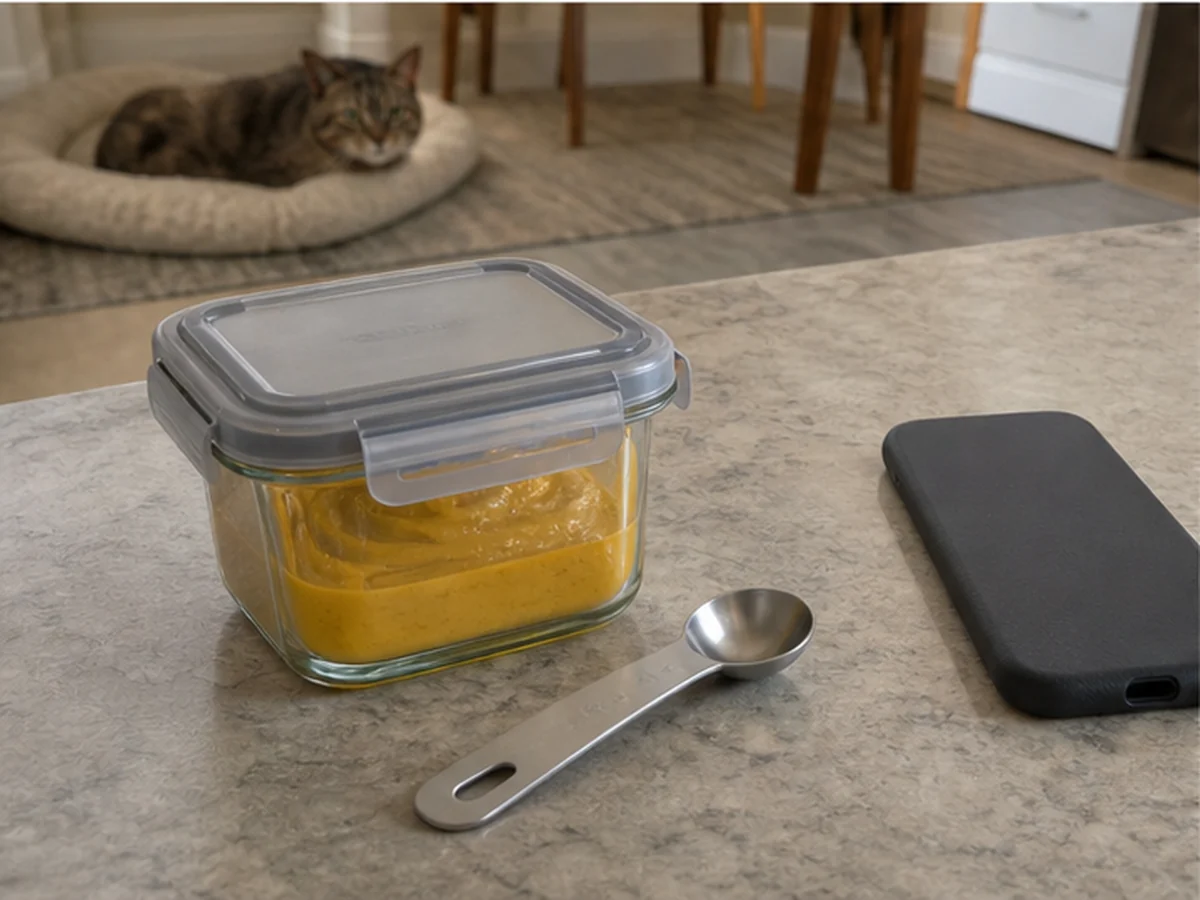
Monitoring a known tiny condiment lick
Once the label is reviewed and no concerning addition is present, offer usual food and water and watch appetite, drooling, vomiting, diarrhea, coughing, and energy. Do not stage another taste.
Escalate persistent mouth pain, repeated digestive signs, weakness, breathing changes, or food refusal. Powder, oil, or plant exposure should not be managed with this low-risk condiment plan.
Store spice jars and oils behind closed doors, clear packets from plates, and wipe sauce drips before a paw becomes the delivery system.
FAQ
Can cats lick yellow mustard?
A tiny lick is likely to cause no serious harm, but irritation is possible and mustard should not be offered. Check the label for alliums and other ingredients.
Are mustard seeds toxic to cats?
Feline evidence and dose thresholds are limited. Do not transfer dog claims, but call about several seeds, a large amount, or any symptoms.
What if my cat inhaled mustard powder?
Move the cat to clean air without stirring more dust and call. Coughing, eye pain, or breathing difficulty requires prompt care.
Is mustard essential oil safe around cats?
No casual exposure is appropriate because concentrated oils differ sharply from condiment. Call immediately after ingestion, skin contact, or inhalation.
Bottom line
Do not offer mustard to cats. A condiment lick is often an irritation issue, while seeds, powder, greens, essential oil, alliums, large amounts, and packaging each require their own evidence-based response.