Can Cats Eat Mint? Culinary Leaves, Pennyroyal, Oils, Extracts, and Candy
Do not deliberately feed mint to cats. A tiny nibble of common culinary Mentha leaf may cause only digestive upset, but plant identity, amount, pennyroyal, concentrated essential oil or extract, tea, candy, chocolate, sweeteners, dental products, cleaners, and pesticide exposure decide the real risk.
“Mint” is a label that needs unpacking
| Item | Identity question | Risk direction |
|---|---|---|
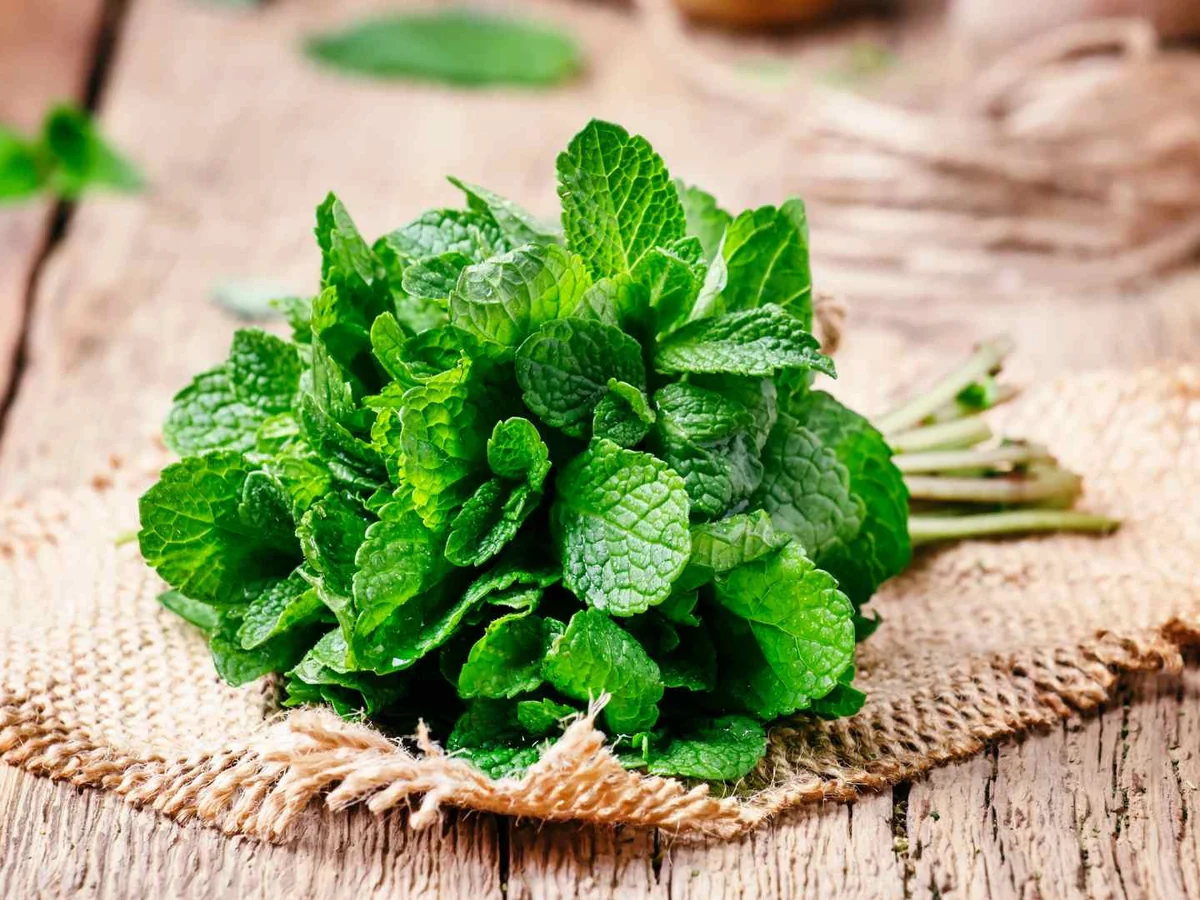
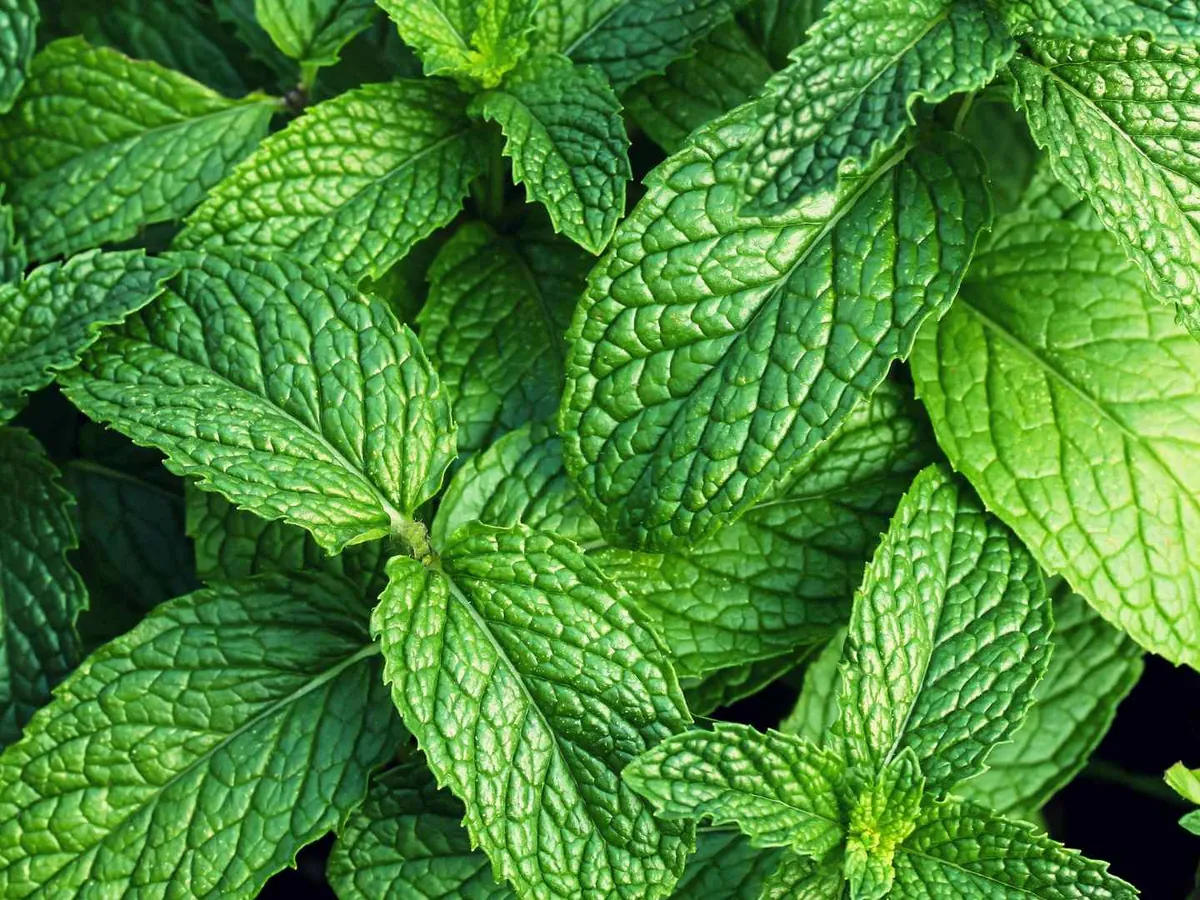
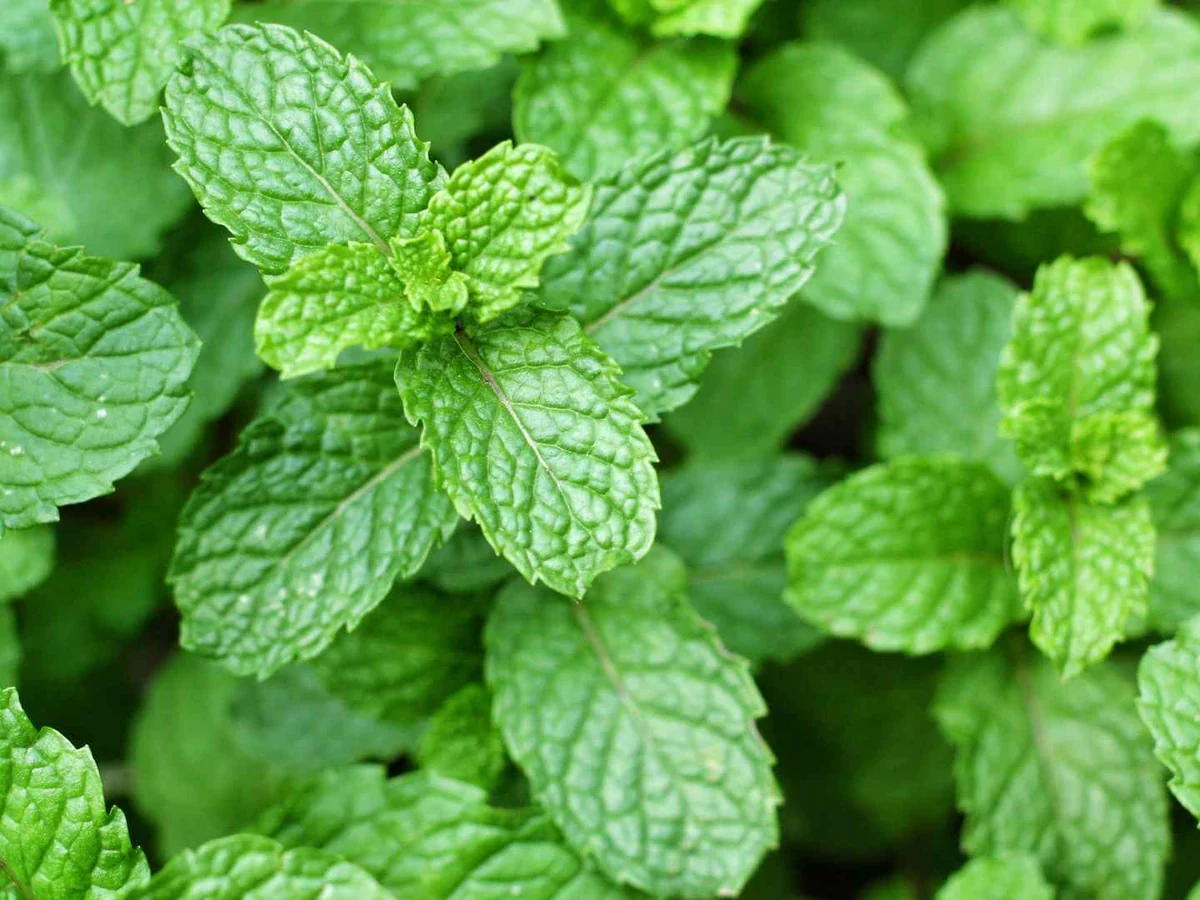
| Spearmint or peppermint leaf | Common culinary Mentha? | Possible GI upset, no need |
| Catmint or catnip | Different plant and use | Do not transfer culinary claims |
| Pennyroyal | Which species or oil? | Urgent poison concern |
| Essential oil | Concentrated volatile mixture | Call promptly |
| Mint candy or gum | Sweeteners, chocolate, wrappers | Read exact label |
| Mint cleaner | Detergent plus fragrance | Product-specific decontamination |
Save the nursery tag, herb package, bottle, recipe, ingredient list, amount, and time. A fresh green leaf and a vial labeled peppermint are not different strengths of the same household exposure.
Call for unknown plant identity, pennyroyal, concentrated oil or extract, diffuser liquid, medication or cleaner, severe symptoms, or missing packaging. Do not induce vomiting.
Common garden mint is not a feline vegetable
The ASPCA lists garden mint as toxic to cats, with essential oils and vomiting or diarrhea after large ingestion. That supports keeping Mentha out of the treat bowl without claiming one tiny leaf guarantees severe poisoning.
A brief nibble by an asymptomatic cat may require only observation after identification and advice. Repeated chewing, a large amount, vomiting, diarrhea, lethargy, or appetite loss deserves a veterinary call.
Pennyroyal deserves its own urgent category
Pennyroyal may refer to plants used traditionally or their concentrated oil, and pennyroyal oil is a recognized severe hazard. Common names can be unreliable, so botanical species and product form matter.
The Merck Veterinary Manual lists pennyroyal oil among potentially hepatotoxic and seizure-causing oils. Call immediately after credible exposure rather than waiting for jaundice, weakness, tremors, or seizures.
Essential oil is readily absorbed
Concentrated oils can enter through the mouth, skin, lungs, and mucous membranes, and cats groom contaminated fur. Higher concentration generally raises risk, while labels such as natural, therapeutic, food grade, or pure do not make direct application safe.
Never put peppermint oil on a cat for fleas, congestion, nausea, pain, breath, or behavior. Do not apply another oil, alcohol, detergent, or solvent to neutralize a spill without professional instruction.
Diffusers create liquid and airborne exposure
Active and passive diffusers can release droplets or vapor and leave concentrated reservoirs that spill onto fur, bedding, and paws. A cat with asthma, liver disease, respiratory signs, or limited ability to leave the room may be particularly vulnerable.
Turn off the device, move the cat to fresh air without spreading contamination, and call with the exact oil and concentration. Open-mouth breathing, blue-gray gums, collapse, tremors, or seizures is an emergency.
Extract and flavoring may include alcohol
Peppermint extract and baking flavor can combine concentrated aromatic compounds with alcohol or other carriers. A lick from a cookie is not equivalent to drinking from the bottle.
Save the percentage and ingredient panel, then call for a meaningful ingestion or weakness, wobbliness, unusual sleepiness, vomiting, low body temperature, slow breathing, or collapse. Do not offer coffee as a stimulant.
Mint tea may contain caffeine or blends
Peppermint herbal tea is different from green or black tea flavored with mint, which contains caffeine unless specifically decaffeinated. Blends can add licorice, chocolate, citrus, essential oil flavoring, sweetener, or supplements.
Use the cat tea guide for caffeine, temperature, dairy, sweeteners, strings, and bags. Offer normal water rather than a hot or concentrated infusion.
Candy and gum shift attention to sweeteners
Mints, gum, candy canes, breath strips, lozenges, and sugar-free chocolates may contain xylitol, sorbitol, erythritol, menthol, chocolate, caffeine, medication, or plastic. Dog xylitol toxicity is established, while equivalent feline sensitivity is not well defined.
Call with the actual label rather than applying a canine dose or promising feline safety. Wrappers and gum base can also obstruct even if the sweetener risk proves low.
Chocolate mint is a cocoa exposure
Mint chocolate, brownies, ice cream, cookies, cocoa mixes, and candies combine flavor with methylxanthines, sugar, fat, dairy, or sweetener. Identify cocoa type, percentage, amount, and time promptly.
Our chocolate guide
Dental products are medications or cosmetics, not treats
Human toothpaste, mouthwash, breath spray, floss, and dental gum can contain fluoride, alcohol, essential oils, xylitol, detergents, medication, and long string-like material. Even pet-labeled products must match the intended species and directions.
Use only feline dental products recommended by the veterinarian. Never brush a cat’s teeth with human mint toothpaste or pull swallowed floss from the mouth or rectum.
Mint cleaners add detergent chemistry
Floor cleaners, sprays, wipes, soaps, candles, and disinfectants may use mint scent alongside surfactants, solvents, acids, alkalis, or other oils. The fragrance name cannot predict safe decontamination.
Block grooming, ventilate appropriately, and call the product manufacturer and veterinarian with the full label. Do not make a cat vomit after cleaner exposure.
Garden mint comes with soil and chemicals
Herbs may carry fertilizer, pesticide, slug bait, compost, mold, stakes, netting, pots, and plant ties. A plant sprayed yesterday cannot be assessed only from the leaf species.
Photograph the entire plant and retain every garden-product label. Wash hands after handling chemicals and keep cats out for the interval stated by the manufacturer.
Catnip and catmint are separate identities
Catnip is Nepeta cataria, while culinary mint is generally Mentha; “catmint” can refer to other Nepeta species. A cat’s behavioral response to catnip does not demonstrate that peppermint oil or garden mint is safe.
Choose reputable cat-specific enrichment and use modest amounts in a ventilated area. If a cat eats a large quantity or develops vomiting, diarrhea, or unusual behavior, remove access and call.
A mint-exposure checklist
- Identify botanical species and culinary leaf, pennyroyal, oil, extract, diffuser, tea, candy, dental product, cleaner, or garden form.
- Save concentration, ingredients, carrier, amount, time, medical history, symptoms, and missing packages or strings.
- Move the cat from fumes and prevent grooming of contaminated fur without applying home solvents.
- Call urgently for pennyroyal, concentrated oil, breathing or neurologic signs, medication, cleaner, or unknown product.
- Do not induce vomiting, force milk or water, or extrapolate dog sweetener doses.
After one tiny nibble of confirmed common culinary leaf with no signs, observation may be advised. Monitor appetite, vomiting, stool, energy, breathing, coordination, and skin.
Store fresh herbs, oil bottles, gum, and cleaners behind closed doors, not on high open shelves that merely add a climbing challenge. Cats enjoy vertical puzzles and have no respect for aromatherapy branding.
Mint in food rarely travels alone
Mint sauce for lamb can contain vinegar, sugar, salt, and chopped leaves, while chutneys may add onion, garlic, raisins, chile, or alcohol. A thin green coating on meat does not reveal the recipe.
Mint ice cream adds dairy, fat, sugar, chocolate chips, sweetener, and wrappers. The ice-cream guide covers lactose and rich desserts, while mint identity and oil concentration remain separate.
Mint jelly is a sweet condiment that may use flavoring, coloring, and preservatives rather than fresh leaf. Our jelly article covers sticky texture, sweeteners, mold, jars, and grape-source evidence boundaries.
Salads can pair mint with onion, garlic, feta, raisins, citrus, dressing, skewers, or elastic covers. Save the whole recipe rather than rinsing one leaf and presenting it as the only exposure.
Monitor the cat, not merely the smell
- Digestive signs include drooling, vomiting, diarrhea, abdominal discomfort, and appetite loss.
- Neurologic signs include wobbliness, tremors, seizures, unusual depression, or collapse.
- Liver-related signs can include weakness, vomiting, yellow tissue, and abnormal behavior.
- Respiratory distress includes open-mouth breathing, blue-gray gums, or inability to settle.
- Skin and eye exposure may produce redness, squinting, pain, or frantic grooming.
A strong mint odor on fur or breath can support the exposure history but cannot measure the absorbed dose. Product concentration, carrier, route, amount, timing, and the cat’s health still guide triage.
Do not wait for every sign on a list after pennyroyal or concentrated oil. Early veterinary advice offers more options than treating advanced liver or neurologic injury.
The FDA’s pet-hazard overview reinforces label-based assessment for household products and dangerous ingredients. Bring the sealed bottle or a clear photograph without contaminating the carrier.
Mentholated human chest rubs, muscle balms, nasal products, and medicated lozenges can combine mint compounds with camphor, salicylates, pain relievers, alcohol, or other active ingredients. Treat these as medication exposures and preserve the drug-facts panel.
Do not put a vapor rub on a cat’s chest, paws, carrier, bedding, or nose. Direct skin contact, inhalation, and grooming can occur at once, while the strong odor may worsen respiratory distress.
A cat coughing, wheezing, or breathing with an open mouth should not be placed in a steamy bathroom with mint oil. Respiratory signs require urgent veterinary assessment and calm transport with minimal handling.
Keep veterinary phone numbers available before seasonal candy, gardening, or diffuser use, and know which emergency clinic is open overnight. Preparation shortens the gap between finding a tipped bottle and receiving product-specific instructions, which matters far more than searching for a homemade antidote.
Mint questions without the fog
Can cats eat fresh peppermint leaves?
Do not offer them. A tiny nibble may cause only digestive upset, but ASPCA lists garden mint as toxic and larger ingestion can cause vomiting or diarrhea.
Is peppermint oil safe in a diffuser around cats?
Concentrated oil can be inhaled, swallowed, or deposited on fur, and cats are especially sensitive to various essential-oil compounds. Avoid exposure and call for spills or symptoms.
Is catnip the same as mint?
Both belong to the mint family, but catnip is Nepeta cataria rather than culinary Mentha. Catnip response does not establish peppermint or pennyroyal safety.
The clear-air verdict
Mint is not one exposure: a culinary leaf, pennyroyal, essential oil, extract, tea, candy, dental product, and cleaner demand different responses. Identify the species and concentration, treat pennyroyal and oils urgently, preserve sweetener evidence boundaries, prevent grooming, and keep human mint products away from cats.