Cat Ate Raisins? Feline Evidence and What to Do Now
If your cat ate raisins, remove the product and call a veterinarian or animal poison service now for case-specific advice. Grapes and raisins cause unpredictable acute kidney injury in dogs, while feline reports are sparse and largely anecdotal, so neither a canine dose nor a promise of feline safety is justified.
Make the call with evidence in your hand
- Secure the raisins, recipe, wrapper, and any spilled pieces.
- Count what remains and estimate the maximum missing amount.
- Record whether they were plain, chocolate-covered, baked, or in trail mix.
- Note the time, cat’s weight, diagnoses, medications, and current signs.
- Photograph the ingredient panel and contact a veterinary professional immediately.
Prompt advice does not mean every exposed cat will develop kidney failure. It means uncertainty is handled while early veterinary options may still be available, not after an owner waits for proof.
The dog evidence is strong and the cat evidence is not
Dogs can develop acute kidney injury after grape or raisin ingestion, and susceptibility is unpredictable. The ASPCA explains that grapes and raisins can damage canine kidneys, with tartaric acid currently suspected in that species.
Cats appear far less often in reports, leaving no robust feline threshold or well-characterized syndrome. That gap makes careful wording essential: serious canine toxicity is established, feline risk is uncertain, and advice should be individualized.
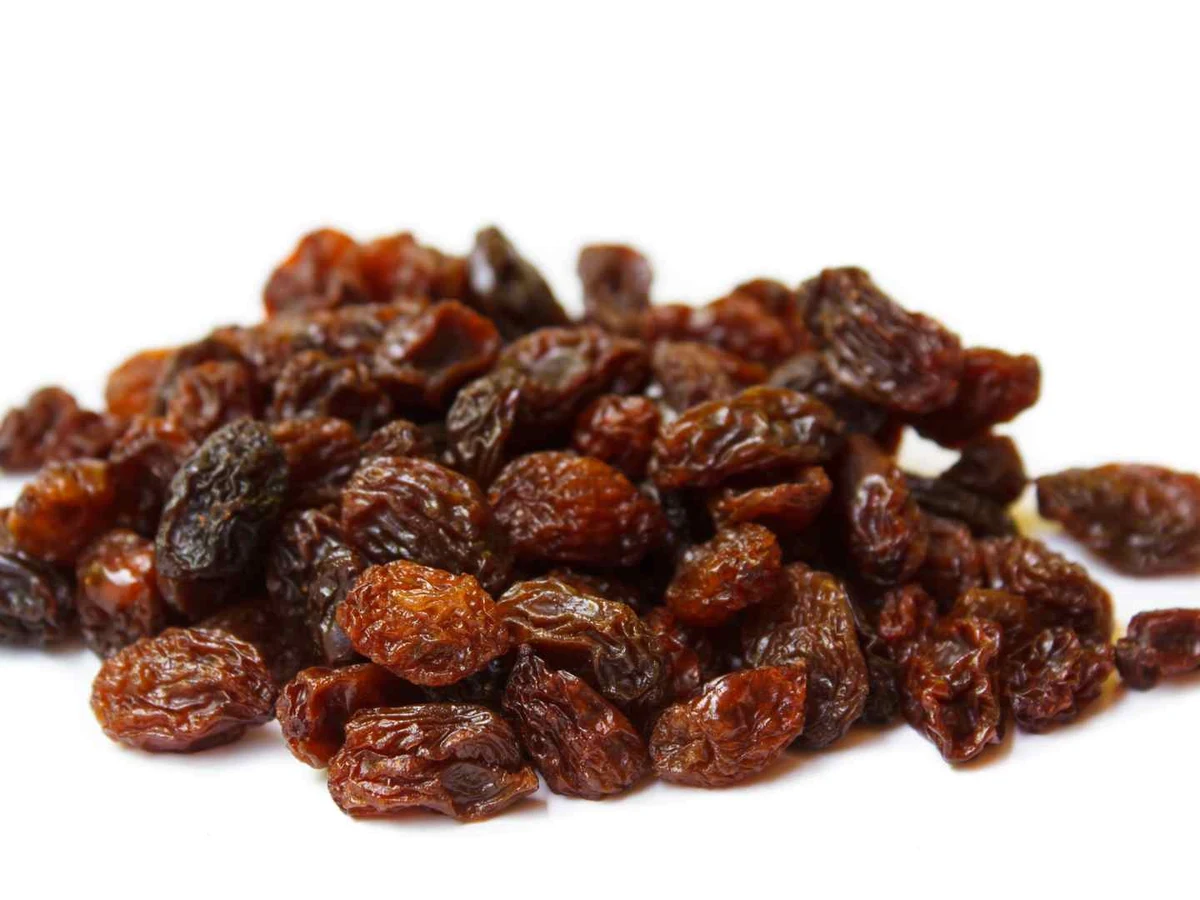
Do not shrink a dog dose to cat size
| Claim | Evidence check |
| Raisins can cause acute kidney injury in dogs | Established |
| Every dog reacts at the same amount | False |
| The same mg/kg threshold applies to cats | Not established |
| No cat case series means raisins are safe | False inference |
| Prompt label-and-amount veterinary advice is prudent | Yes |
A body-weight calculation cannot repair a missing species evidence base. Online dose charts may also use outdated assumptions and cannot account for product, hydration, disease, or individual susceptibility.
Raisins are concentrated grapes, not a new fruit
Drying removes water and makes many pieces easy to swallow quickly, but it does not create a predictable toxin concentration for a specific cat. Variety, size, processing, storage, and the number actually eaten can differ.
Our grape guide explores the same feline evidence boundary for fresh fruit. Report whether the missing food was a true raisin, currant, sultana, dried cranberry, or mixed dried fruit.
Currant is an especially slippery label
Zante currants are dried grapes and belong in the same exposure conversation, while black, red, and white currants are berries from a different genus. Product identity matters more than a familiar baking name.
Save the bag and ingredient list so a veterinarian does not have to identify the fruit from color. Mixed packages may contain both raisin-like fruit and unrelated berries.
Do not wait for kidney signs
A cat may look normal immediately after eating something concerning. Vomiting, diarrhea, reduced appetite, lethargy, abdominal discomfort, changes in thirst, and changes in urine can emerge later and are not specific to one cause.
Little or no urine, collapse, severe weakness, repeated vomiting, or inability to keep water down warrants emergency care. Normal urination during the first few hours is not a home kidney test.
Home vomiting can make matters worse
Do not use hydrogen peroxide, salt, mustard, oil, or fingers in the throat. Cats can aspirate, become injured, or develop toxicity from the attempted remedy.
A veterinarian or poison specialist decides whether decontamination is appropriate based on time, health, and product. Do not feed a large meal to dilute the raisins before that decision.
Raisin bread carries dough and recipe questions
Bread may add butter, salt, cinnamon, nuts, chocolate, icing, or alcohol-containing flavor, and a raw yeast-dough exposure is a separate emergency. The bag tie and plastic wrapper can also be swallowed.
Use our bread guide for the loaf, while reporting raisins as their own uncertainty. A toasted slice does not neutralize dried fruit.
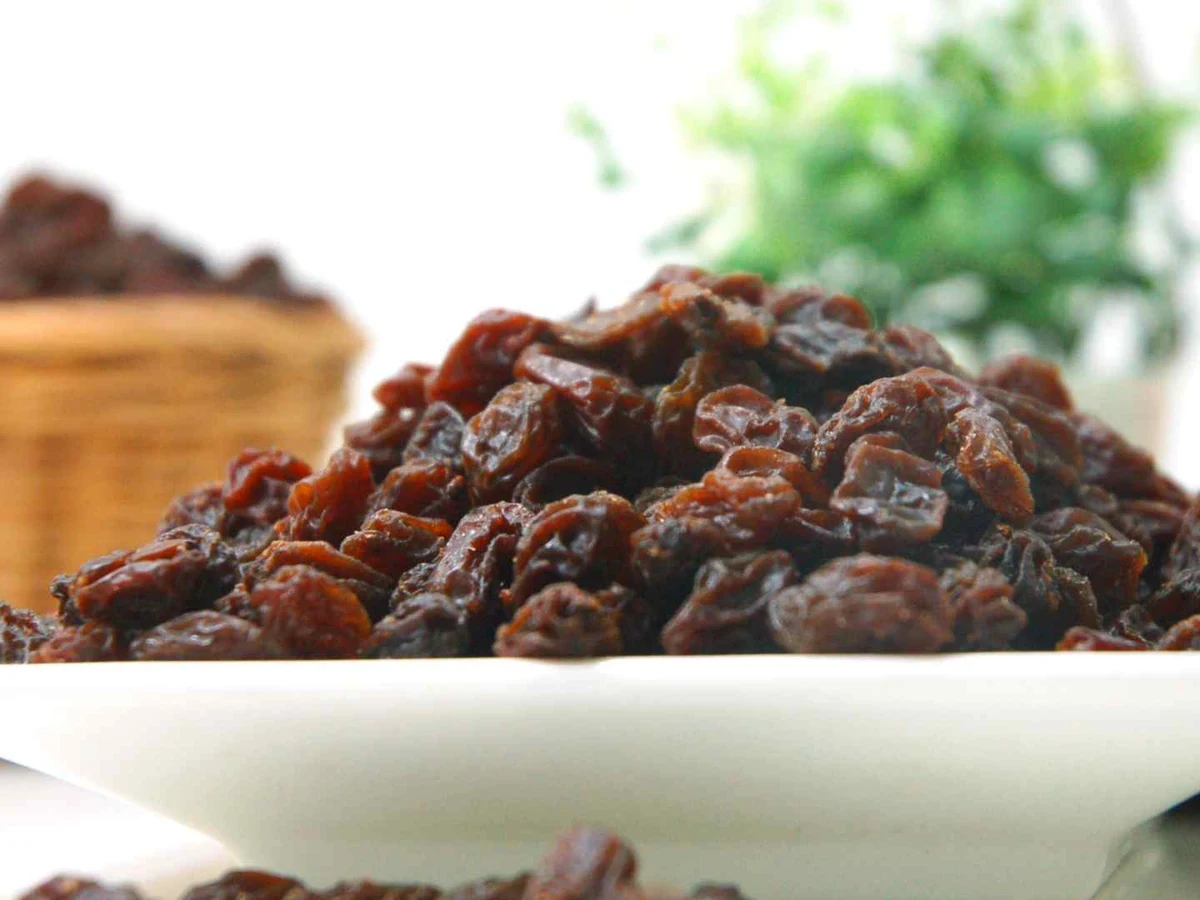
Trail mix creates a small bag of mysteries
Trail mix can combine raisins with chocolate, coffee beans, macadamias, other nuts, salty seeds, candy, and desiccant or oxygen-absorber packets. Inventory each component and count which colorful pieces remain.
Our nut guide can help identify shell, seasoning, and mixed-nut concerns. Do not report only raisins if chocolate candies or a packet are also missing.
Chocolate-covered raisins need urgent compound triage
Chocolate contributes theobromine and caffeine, adding heart and nervous-system risk to the uncertain feline raisin question. Darker coatings often contain more methylxanthines, but exact product and amount are necessary.
The Merck Veterinary Manual details possible vomiting, agitation, arrhythmias, tremors, and seizures after excessive methylxanthines. Call promptly rather than waiting to see which ingredient declares itself.
Cookies, cereal, oatmeal, and energy bars hide the count
Chopped raisins spread through a recipe make the number swallowed difficult to reconstruct. Use total product weight, missing fraction, recipe yield, and raisin amount in the original batch to give a reasonable maximum.
Energy bars may add caffeine, chocolate, protein blends, vitamins, sweeteners, and wrappers. The front photograph is less useful than the ingredients and supplement facts panels.
Raisin water and soaked fruit still count
Soaking changes texture and moves soluble material into the liquid; it does not establish safety. A cat may drink cooking or soaking water without leaving obvious fruit missing.
Report both liquid and solid exposure, along with any sugar, alcohol, tea, or spices in the recipe. Do not use raisin water as a constipation or iron remedy.
Food safety can overlap the toxicology question
Moldy dried fruit or a damp, spoiled loaf can introduce mycotoxins and microbes. Save a sample safely in the original package and tell the clinic about odor, visible mold, storage, and date.
Tremors, seizures, marked weakness, repeated vomiting, or high temperature after moldy food needs emergency attention. Do not sniff a moldy container closely or feed around damaged pieces.
What the clinic may recommend
Depending on the case, the team may discuss examination, decontamination, laboratory work, fluids, or monitoring. The plan reflects uncertainty, timing, patient health, and available evidence rather than a claim that feline kidney injury is guaranteed.
Ask what changes should trigger a return call and whether follow-up testing is advised. Write instructions down, since an anxious household can remember “watch her” without remembering what to watch.
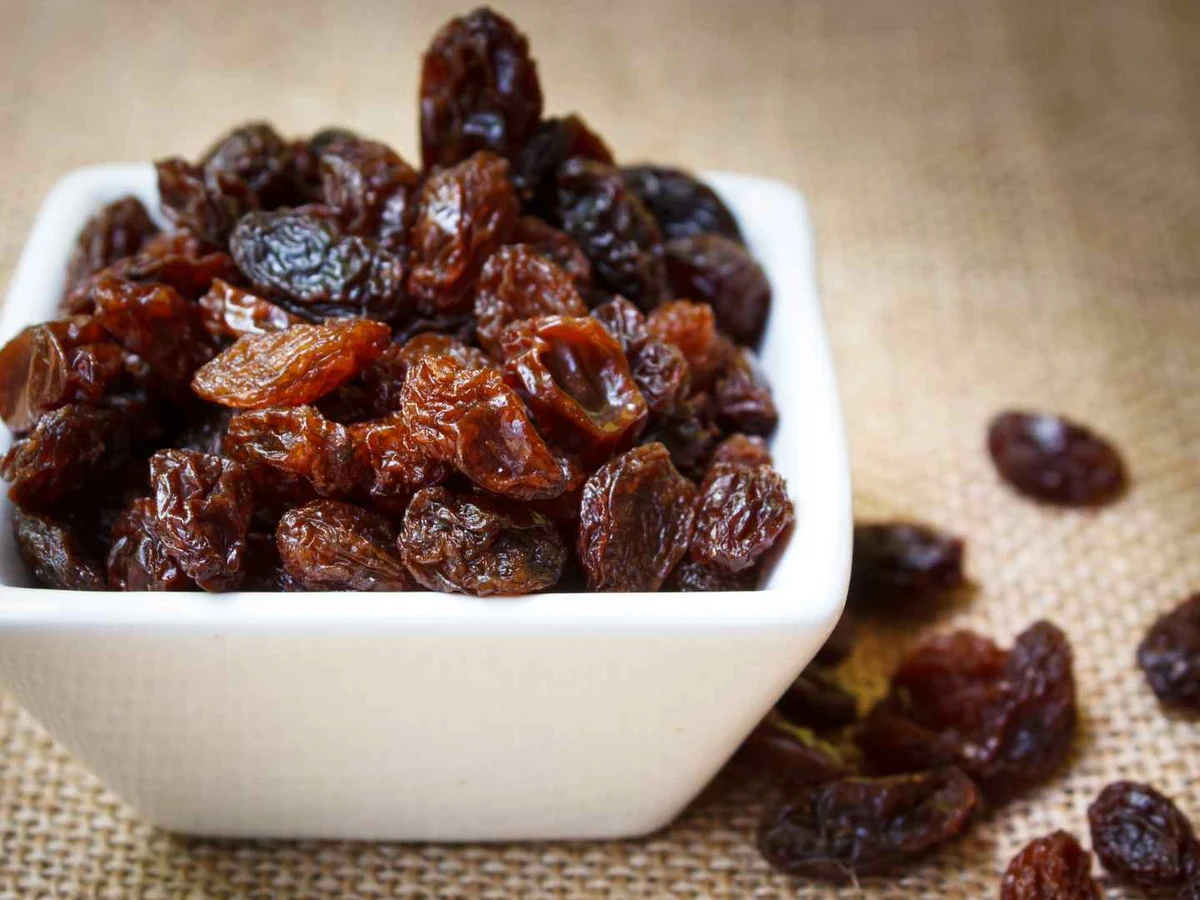
Water is available, not forced
Leave normal fresh water accessible unless the veterinarian directs otherwise, but do not syringe a resisting cat. Forced fluid can enter the airway and cannot substitute for controlled veterinary fluid therapy.
Excess thirst or reduced urine after an exposure is clinically meaningful and should be reported. A full bowl or clean litter box is not enough unless someone knows the cat’s normal pattern.
FDA’s broad pet warning supports caution
The FDA includes grapes and raisins on its potentially dangerous pet-item list and advises considering the species, amount, and individual animal. That wording supports prompt evaluation without manufacturing cat-specific certainty.
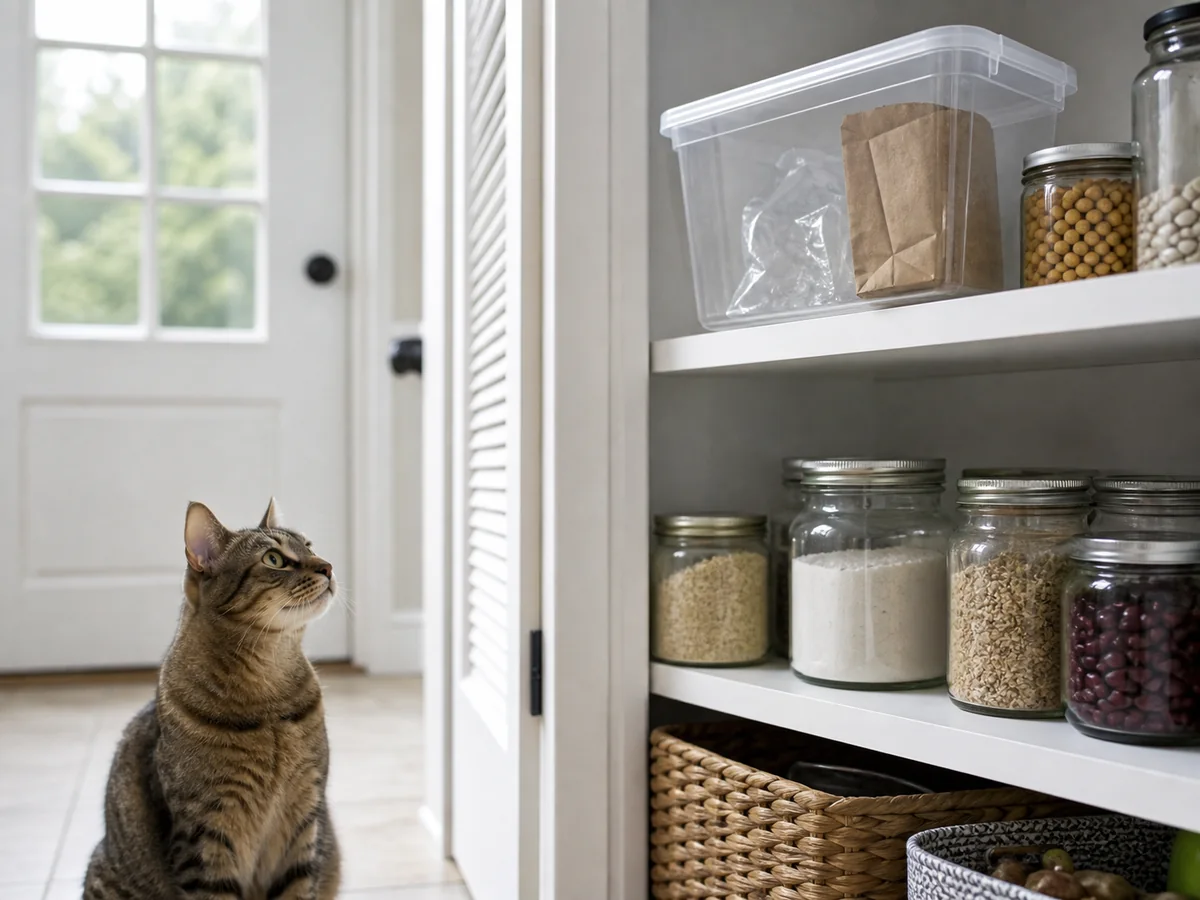
Make the home safer by storing dried fruit inside a closed cabinet and using a lidded bin. Raisins roll under appliances and remain tempting long after baking ends.
Baseline kidney disease changes the conversation
A cat with chronic kidney disease, diabetes, dehydration, urinary problems, or medication affecting kidney function needs that history included immediately. Existing disease does not prove raisins will cause the canine syndrome, but it can alter testing, fluids, and monitoring decisions.
Bring recent laboratory results if they are readily available without delaying care. Do not stop prescribed medicine or give leftover fluids unless the treating veterinarian directs the change.
Laboratory tests are snapshots, not fortune tellers
A veterinarian may recommend blood and urine testing based on the exposure, yet an early normal result cannot always predict every later change. Follow the proposed recheck schedule rather than assuming one panel permanently clears the cat.
Ask which values are being monitored and what at-home signs matter between checks. This makes the plan transparent without pretending feline raisin injury has a validated diagnostic timeline identical to dogs.
Do not confuse reassurance with a guarantee
A poison professional may judge a particular exposure low concern after reviewing details, which is valuable individualized triage. That decision should not be recycled into a universal social-media claim that one raisin is safe for every cat.
The reverse is also true: recommending prompt advice does not prove kidney injury occurred. Evidence-aware communication leaves room for both a benign outcome and responsible early action.
Packaging can outlast the fruit question
Small raisin boxes, cellophane, zipper strips, twist ties, and oxygen absorbers can be chewed or swallowed. Check each component and report foreign material separately from the dried fruit.
Repeated retching, vomiting, appetite loss, abdominal pain, or straining after missing packaging deserves veterinary attention. Do not pull on string or plastic protruding from the mouth or anus.
Frequently asked questions
Are raisins toxic to cats?
Feline evidence is sparse, unlike the established unpredictable kidney risk in dogs. Avoid raisins and seek prompt product-and-amount advice after an ingestion.
Can I use a dog raisin calculator for my cat?
No, a canine threshold cannot be converted into a feline one by body weight. Give the veterinarian the real product, amount, and timing instead.
What if my cat ate one raisin?
Call now rather than assuming one is safe or guaranteed to cause harm. Individual triage can account for cat size, health, raisin type, and time.
Should I make my cat vomit?
No home vomiting method is safe or reliable for cats. Follow instructions from a veterinarian or animal poison professional.
Are dried cranberries the same as raisins?
No, they are a different fruit, but mixes can contain both and may add sugar or other ingredients. Confirm the label before reporting the exposure.
Bottom line
Raisin-related acute kidney injury is established in dogs, while feline data remain sparse and do not support a dose transfer. Call promptly with the exact fruit, recipe, amount, time, and cat, avoid home vomiting, and let professional triage manage the uncertainty before symptoms appear.