Can Dogs Eat Pears? Core, Seeds, and Safe Portions
Yes, most healthy dogs can eat a few pieces of ripe, fresh pear. Wash it, remove the stem, core, and every seed, then cut the flesh into small pieces that cannot be gulped whole; skip canned pears in syrup, sweetened pear products, and any whole fruit offered as a chew toy.
The safe part of a pear
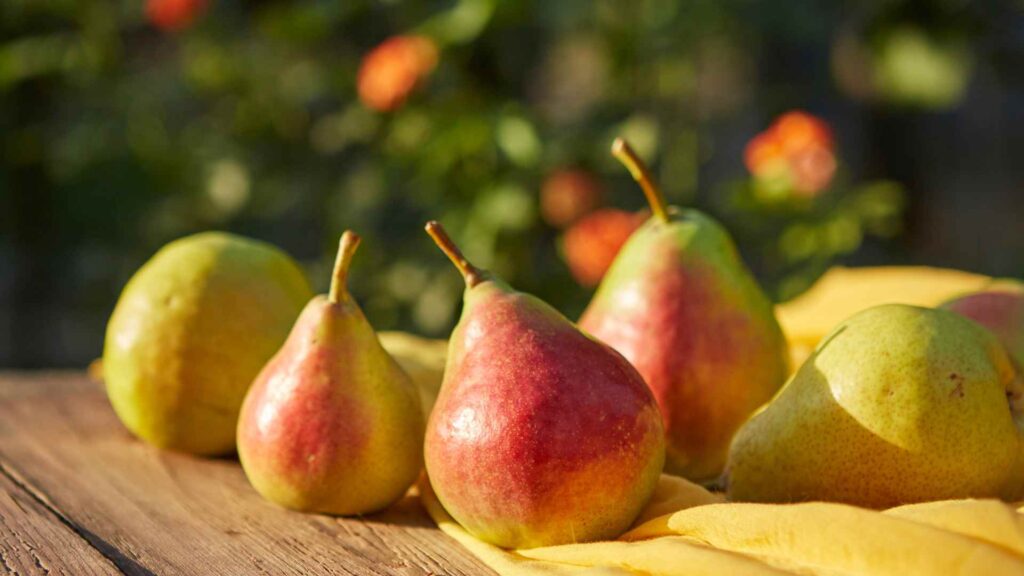
The soft flesh and washed skin of a ripe pear are the parts to share. The skin adds fiber and can be chewy, so peeling is optional for a healthy dog but helpful for a tiny dog, a sensitive stomach, or a pet who struggles with textures.
Remove the stem, central core, and seeds before the dog sees the serving. The tough core and stem can be choking hazards or difficult to digest, while the seeds contain cyanogenic compounds that should not become part of a dog’s snack routine.
A small accidental seed exposure is not the same as a cyanide emergency, so there is no need for theatrical panic over one dropped seed. Still, deliberately removing the seeds is quick, sensible prevention, and a dog that crushes or chews many seeds deserves prompt professional advice.
Pear seeds and cyanide, in proportion
Pear seeds, like the seeds or pits of some related fruits, contain cyanogenic glycosides. When plant material is crushed or chewed, those compounds can interact with plant enzymes and release hydrogen cyanide.
That chemistry is real, but exposure determines risk. The Merck Veterinary Manual’s poisonous-plant guidance notes that severe poisoning is uncommon without a large exposure, commercial fruit seeds generally contain low amounts, and a whole swallowed seed is less likely to release cyanide than one that is thoroughly chewed.
This is why both extremes miss the mark. Pear seeds should not be treated as harmless dog food, but finding one intact seed beside a healthy, symptom-free dog does not automatically predict poisoning.
If many cores, seeds, leaves, or stems were eaten, call a veterinarian or animal poison service immediately and describe exactly what is missing. The Merck Veterinary Manual’s cyanide overview lists rapid breathing, bright red mucous membranes, tremors, seizures, collapse, and death among severe signs, all of which require emergency care.
Do not wait for dramatic symptoms after a genuinely large seed exposure, because serious cyanide poisoning can progress quickly. Do not induce vomiting or give a home antidote unless a veterinary professional directs you.
How to prepare pear for a dog
1. Choose a ripe, sound pear
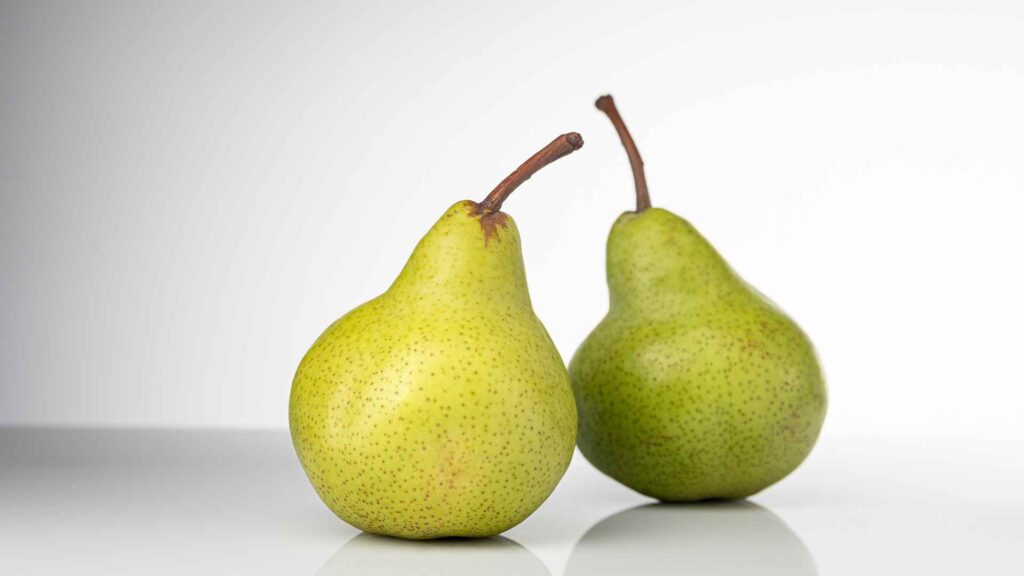
A ripe pear should give slightly near the stem without being mushy, fermented, or moldy. Discard spoiled fruit rather than letting a dog clean it up, especially if it smells alcoholic or has been decaying on the ground.
2. Wash the outside
Rinse the pear under running water and rub the skin before cutting it. Washing reduces soil and surface residues, though it does not rescue fruit that is already moldy or rotten.
3. Remove the non-snack parts
Cut away the stem and the entire firm core, then check both halves for seeds. Do not hand over a whole pear and trust the dog to perform careful fruit surgery.
4. Cut it small
Dice the flesh into pieces appropriate for the dog’s mouth and chewing habits. Small cubes are safer than thick wedges for toy breeds, puppies, seniors, and the many dogs who regard chewing as an optional administrative step.
5. Begin with one bite
Pear contains natural sugar and fiber, so too much can produce gas, loose stool, or vomiting. Offer one small piece the first time, then wait before deciding whether this fruit belongs in your dog’s occasional-treat rotation.
How much pear can a dog eat?
There is no universal pear serving table based only on weight. A dog’s calorie needs, usual diet, health, digestive tolerance, and other treats matter, so start with one small cube and keep the eventual serving modest.
For perspective, a little dog needs much less than a large dog, but neither needs a whole pear. A few bite-size pieces are plenty for most treat occasions, and pear does not have to be served every day.
The World Small Animal Veterinary Association’s treat guide recommends keeping all treats under 10 percent of daily calories. That total includes pear, biscuits, dental chews, training rewards, table food, and the piece quietly transferred under the table by your most persuadable relative.
Pear’s water and fiber do not cancel its sugar or make unlimited portions harmless. Frequent large servings can crowd out balanced food, add calories, and keep a sensitive digestive system far busier than anyone wanted.
Whole pears are a choking gamble
A whole pear may look soft, but a dog can tear off a thick wedge and swallow it without chewing. The core and stem add tougher material, and a small whole fruit can be especially risky for a large, fast eater.
Supervise every fruit snack and cut pieces before serving. If a dog is choking, struggling to breathe, repeatedly gagging, pawing at the mouth, or turning blue or gray around the gums, seek emergency veterinary help immediately.
A swallowed chunk can also cause a digestive obstruction after it leaves the throat. Repeated vomiting, loss of appetite, abdominal pain, lethargy, straining, or an inability to keep water down are reasons for urgent assessment.
Fresh, canned, dried, or cooked?
Fresh pear: This is the easiest form to control. Serve ripe, washed, seedless, coreless flesh in small pieces, with the skin left on or removed according to the dog’s tolerance.
Canned pear: Pears in heavy or light syrup bring concentrated added sugar and are not a sensible dog treat. Even pears canned in juice are sweeter and less useful than fresh fruit, while products labeled “no sugar added” still need an ingredient check for sweeteners.
Dried pear: Drying removes water and concentrates sugar and calories into a small, easy-to-overfeed package. Commercial dried fruit may also contain added sugar or preservatives, so a tiny unsweetened piece is the upper end of reasonable, not an everyday handful.
Poached or baked pear: Plain cooked pear flesh can be offered after cooling, but recipes commonly add sugar, butter, pastry, spices, or alcohol. Serve a plain piece set aside before the human dessert is assembled.
Pear purée and baby food: A spoonful is only as safe as its full ingredient list. Avoid blends containing xylitol or “birch sugar,” grapes, raisins, chocolate, or onion, and remember that purée is easy to serve in a surprisingly large amount.
The FDA’s pet hazard guide explains why xylitol, grapes, raisins, onion, garlic, and several other common human-food ingredients require special care. Checking the label each time is more reliable than assuming a familiar brand has never changed its recipe.
Which dogs should skip or limit pears?
Dogs with diabetes: Pear contains natural sugar, so ask the treating veterinarian before adding it. A low-calorie label is not permission to alter a diabetes feeding plan.
Dogs on weight-loss plans: Small fruit portions may fit some plans, but calories from all treats still count. Your veterinary team can help choose rewards that preserve the intended daily calorie deficit.
Dogs with sensitive digestion: Pear’s sugar and fiber can worsen gas or loose stool, particularly after a large serving. Skip it during active vomiting or diarrhea unless a veterinarian specifically includes it in the recovery plan.
Dogs on elimination or prescription diets: Do not add pear without approval. A novel extra can undermine an allergy trial, and therapeutic diets often depend on consistency.
Dogs with swallowing or dental problems: Texture and piece size matter even with soft fruit. The safest option may be a tiny peeled dice or no pear at all until the underlying problem is evaluated.
What if your dog ate a whole pear?
Start with the details: your dog’s size, the pear’s size, how much is missing, whether the core and seeds were eaten, and when it happened. Note any choking, drooling, vomiting, unusual breathing, weakness, tremors, abdominal pain, or collapse.
Call a veterinarian or animal poison service promptly if many seeds were chewed, multiple fruits or cores disappeared, the dog is small, or any symptom develops. Serious signs such as breathing difficulty, seizures, collapse, or blue, gray, or unusually bright-red gums call for immediate emergency care.
For a healthy dog that stole some seedless flesh and remains normal, stomach upset is the main practical concern. Keep water available, withhold additional treats, and contact the clinic if vomiting or diarrhea repeats, the dog becomes lethargic, or you are unsure what was swallowed.
Never induce vomiting or give salt, peroxide, oil, or another home remedy without veterinary direction. The appropriate response depends on timing, amount, symptoms, and the dog’s health, and a well-meant shortcut can create a second emergency.
Serving ideas that stay sensible
Use a few fresh cubes as training rewards, tuck them into a puzzle toy, or freeze tiny seedless pieces for a supervised cool snack. Frozen fruit becomes hard, so make pieces especially small and skip it for dogs with painful or damaged teeth.
If your dog enjoys fruit, compare pear with properly prepared apple, seedless peach flesh, banana, or blueberries. Introduce one new food at a time and keep every fruit portion small.
One fruit is a critical exception to the friendly list: grapes and raisins can cause acute kidney injury in dogs and should never be offered. A mixed fruit bowl therefore needs more scrutiny than a single prepared pear.
Frequently asked questions
Can dogs eat pear skin?
Yes, washed pear skin is generally fine in a small amount, but it adds fiber and can be chewy. Peel it for dogs with sensitive stomachs, poor teeth, or difficulty swallowing.
Can dogs eat Asian pears?
Yes, the same rules apply to ripe Asian pear flesh: wash it, remove the stem, core, and seeds, and cut it into small pieces. Its crisp texture makes careful sizing and supervision especially important.
Can puppies eat pears?
A puppy eating solid food can try one tiny, soft, seedless piece, but puppy food should provide nearly all daily nutrition. Avoid hard frozen pieces and keep every bite small enough to prevent gulping.
The bottom line
Fresh pear flesh can be a pleasant occasional treat for most healthy dogs when it is ripe, washed, cored, deseeded, and cut small. A few pieces are enough, because more fruit mainly adds sugar, fiber, calories, and the possibility of an upset stomach.
Keep whole fruit, cores, stems, seeds, syrup-packed cans, and sweetened recipes away from the dog. If many seeds or cores disappear, or any worrying symptom begins, call a veterinary professional promptly with the details.