Can Dogs Eat Seaweed? Food-Grade Types, Beach Risks, and Iodine
A tiny amount of identified, food-grade, unseasoned seaweed may be tolerated by many healthy adult dogs, but seaweed is not one predictable ingredient. Species, iodine, salt, drying, expansion, seasoning, contamination, and the dog’s thyroid, kidney, heart, or prescription-diet needs matter, while wild beach seaweed and kelp supplements should not be offered.
The answer changes with the source
- Plain food-grade nori or another identified culinary seaweed: only a tiny unsalted piece.
- Seasoned snack sheet: read salt, oil, garlic, onion, chile, and sweetener labels.
- Dry kombu or kelp strip: do not offer it as a chew because it can expand and iodine can be high.
- Beach seaweed: prevent ingestion because identity, salt, sand, debris, and contamination are unknown.
- Kelp powder or iodine supplement: use only under veterinary direction.
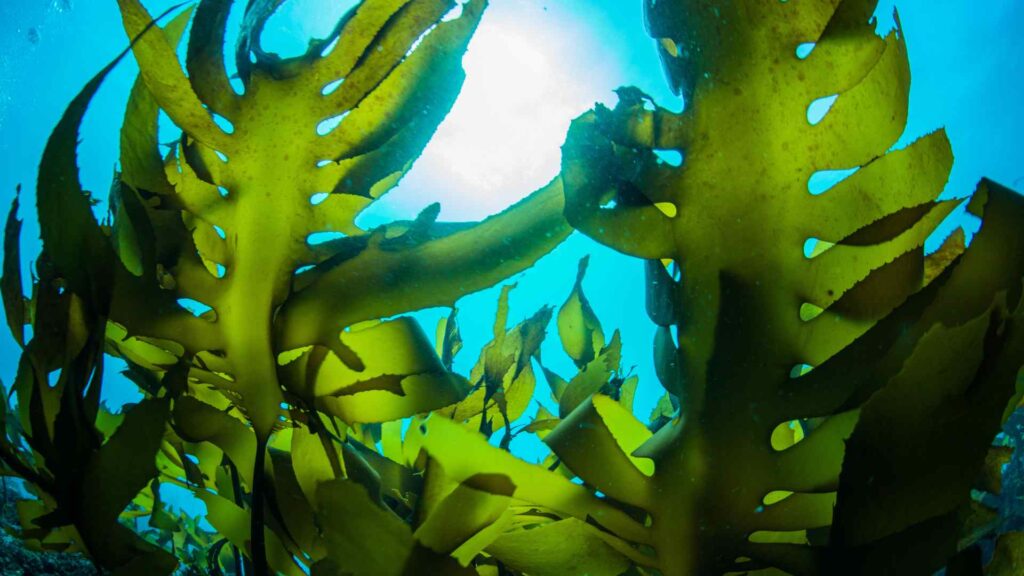
Seaweed is a category spanning many red, green, and brown algae, not a single vegetable. A nori fleck, a dried kelp knot, and a decaying beach clump have radically different composition and physical behavior.
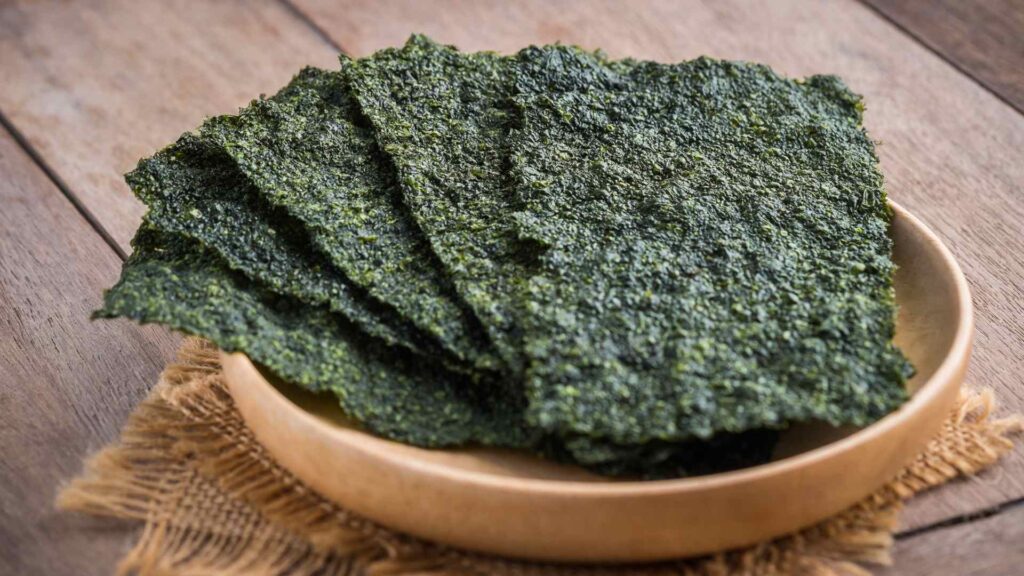
Food-grade and identified come first
Use only a packaged culinary product with a species or common food name, ingredient list, lot information, and storage directions. Unknown wild material cannot be evaluated by color alone.
Plain does not merely mean no visible flavor dust. Check for salt, oil, soy sauce, garlic, onion, chile, wasabi, sugar, fish seasoning, sesame, and artificial sweeteners.
A tiny torn piece is enough to test tolerance in a healthy dog. Long sheets and strips can fold into a wad, cling to the mouth, or be gulped.
Wild beach seaweed is a scavenging hazard
Beach seaweed can be loaded with seawater, sand, fishing line, hooks, shells, plastic, dead animals, bacteria, algae, and decay products. Dry clumps may expand after swallowing.
Do not rinse a beach find and call it food-grade. Remove access, check the mouth only if safe, and report the location, amount, time, dog size, and symptoms.
Repeated vomiting, abdominal swelling, pain, appetite loss, lethargy, reduced stool, or inability to keep water down can fit obstruction or significant gastrointestinal illness. Fishing hooks, line, breathing trouble, collapse, or severe weakness is an emergency.
Never pull fishing line from the mouth or rectum because it may be anchored internally. Do not induce vomiting after unknown beach debris.
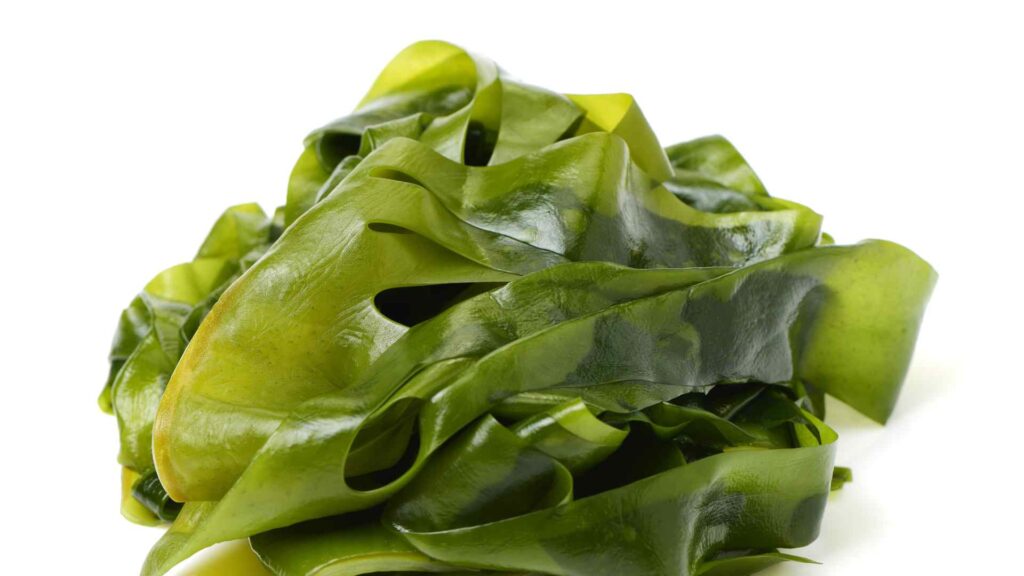
Dried seaweed can expand
Some dried seaweeds absorb considerable water and change size and texture. A small culinary flake and a long dry kelp strip are not equivalent exposures.
The Merck Veterinary Manual obstruction review explains that foreign bodies can cause partial or complete blockage. Vomiting and appetite loss are common signs, with pain, lethargy, diarrhea, dehydration, or shock also possible.
Do not offer dried kelp, kombu, or thick seaweed as a chew. After a substantial dry-seaweed ingestion, call before adding a meal or trying to force passage.
Salt and seawater matter
Seaweed snacks may be salted, and beach material carries seawater even when no crystals are visible. Salt exposure becomes more concerning with a large amount, limited fresh water, vomiting, kidney or heart disease, or additional seawater ingestion.
The Merck Veterinary Manual salt-toxicosis review describes vomiting, weakness, incoordination, tremors, and seizures after excessive sodium exposure. It also notes that risk is strongly influenced by water access and sodium regulation.
Provide access to fresh water after a minor salty snack, but do not force large amounts. Call for a large salty exposure or neurologic signs and do not use salt to induce vomiting.
Iodine varies enormously
Seaweed can be rich in iodine, and content differs by species, harvest location, processing, and product. That variability makes a casual kelp scoop unsuitable as a home supplement.
The NIH Office of Dietary Supplements iodine fact sheet reports that iodine amounts vary greatly among seaweed species and commercially available products. Its human reference values are not canine dosing instructions, but the variability itself is directly relevant.
Complete dog food is formulated with mineral targets, so adding kelp can oversupply iodine rather than fix an imaginary gap. Dogs with thyroid disease or thyroid medication need especially careful veterinary review.
Do not use seaweed to boost thyroid function, prevent deficiency, improve metabolism, darken the coat, or supply all trace minerals. A supplement claim needs a diagnosed need, known product composition, and a canine dose.
Kidney, heart, and urinary conditions
Sodium, potassium, phosphorus, iodine, and contaminant tolerances can matter in medical diets, and seaweed products vary. A generic sprinkle recommendation is unsafe for dogs with kidney, heart, urinary, endocrine, or blood-pressure concerns.
Ask the veterinarian who prescribed the diet before adding seaweed, broth, toppers, or supplements. A tiny food exposure and a daily scoop are not the same decision.
Contaminants depend on product and source
Seaweeds can accumulate elements from their environment, and products can differ in arsenic and other contaminants. That is a sourcing and testing issue, not proof that every culinary nori sheet is poisonous.
The FDA arsenic-in-food overview describes agency testing and method work that includes seafood and seaweed. Choose reputable food products, heed recalls, and avoid unknown powders or wild harvests.
A front-label word such as natural, organic, ocean, or detox does not substitute for identity, lot testing, and dosing. Discard moldy, damp, rancid, or recalled products.
Seasoned snacks and rice rolls
Roasted seaweed snacks often contain oil and salt, with flavors adding garlic, onion, chile, wasabi, teriyaki, soy sauce, sugar, or sesame. One plain flake is different from a missing multipack.
Our garlic guide and onion guide cover powdered Alliums. Our sesame guide helps with sesame oil and seasoning blends.
Sushi and rice rolls add rice, fish, sauces, avocado, cream cheese, tempura, spicy mayonnaise, and possible raw seafood. Judge the complete roll and count skewers, soy-sauce packets, plastic grass, and wrappers.
Seaweed salad is not plain seaweed
Restaurant seaweed salad can contain soy sauce, sesame oil, sugar, vinegar, salt, chile, coloring, and multiple species. Prepared salads may be much saltier and richer than a bare nori fragment.
A small lick may cause no problem in a healthy dog, while a full container can create digestive, sodium, and packaging concerns. Save the label or ask the restaurant for current ingredients.
Kelp powder, dental products, and supplements
Kelp powders and tablets concentrate seaweed and may provide labeled iodine or an uncertain natural amount. Multi-ingredient products can add herbs, enzymes, probiotics, minerals, or flavorings.
Do not copy a human dose or use a kitchen spoon. Even a canine-branded product should fit the dog’s full diet, thyroid status, medications, and evidence-based purpose.
Seaweed products are sometimes promoted for dental plaque, but a general kelp sprinkle is not a replacement for brushing or veterinary dental care. Use products with suitable evidence and professional guidance.
Treat limits still apply
The UC Davis veterinary treat guideline recommends keeping all extras below 10 percent of daily calories. A seaweed supplement also affects nutrients even when its calories are tiny.
Seaweed does not balance homemade food or complete a raw diet. Long-term diets need professional formulation rather than mineral guesswork.
Allergy and individual tolerance
Vomiting or itching after sushi does not prove seaweed allergy because fish, shellfish, soy, sesame, dairy, sauce, and environmental allergens may be involved. Recurring signs need controlled investigation.
The Merck Veterinary Manual food-allergy review describes strict elimination and rechallenge as the reference method. No seaweed belongs in an elimination trial unless approved.
Facial swelling, widespread hives, breathing trouble, weakness, or collapse is an emergency. Milder repeated symptoms deserve a veterinarian-guided plan.
What to do after a seaweed raid
- Identify food-grade species or product, seasoned snack, dry kelp, salad, sushi, supplement, or wild beach material.
- Record amount, time, dog weight, symptoms, conditions, medications, and water access.
- Save labels for iodine, sodium, garlic, onion, soy, sesame, sweeteners, and supplement ingredients.
- Check for hooks, line, shells, sand, plastic, bags, clips, packets, wrappers, and desiccants.
- Call promptly for wild seaweed, a large dry amount, supplement exposure, unsafe seasoning, foreign material, or significant symptoms.
A healthy adult dog that eats one tiny piece of identified, food-grade, unseasoned seaweed and stays normal can usually be monitored. Keep fresh water available and return to the normal complete diet.
Do not induce vomiting or give salt, oil, iodine, charcoal, or thyroid medicine unless a veterinary professional directs it. Source, form, and symptoms determine the response.
Frequently asked questions
Can dogs eat nori?
A tiny piece of plain unsalted food-grade nori may be tolerated by many healthy dogs. Seasoned sheets and large amounts need label and portion review.
Can dogs eat kelp?
Do not offer dry kelp strips as chews or add kelp powder casually. Expansion and highly variable iodine make product-specific veterinary guidance important.
What if my dog ate beach seaweed?
Call with the amount, location, symptoms, dog size, and possible debris. Unknown identity, salt, sand, decay, fishing gear, and expansion all matter.
Is seaweed a good mineral supplement?
Not by default. Mineral content varies, and complete dog food already supplies planned nutrients.
The bottom line
A tiny piece of identified, food-grade, unseasoned seaweed may be an occasional curiosity for a healthy adult dog. It is not necessary and should never become an unmeasured mineral supplement.
Wild beach seaweed, large dried pieces, salty snacks, seasoned dishes, sushi, salads, powders, and thyroid or kidney conditions change the answer. With seaweed, source and form are everything.