Can Cats Have Sunflower Oil? Fat, Spills, Hot Oil, Frying, and Product Labels
Do not add sunflower oil to a cat’s food for a glossy coat or vague wellness claims. One tiny food-grade lick may cause no obvious problem, but a larger amount can upset digestion, hot oil can burn deeply, and flavored oils, fryers, rancidity, slippery coat spills, and packaging create separate hazards.
Identify how the oil met the cat
Save the bottle, cooking spray, fryer product, supplement, cosmetic, recipe, or label and note swallowing, fur, eye, inhalation, or burn exposure. Estimate teaspoons or bottle fraction.
Identify high-oleic, refined, cold-pressed, flavored, blended, used frying oil, hot or cool, and companion foods. Count caps, foil, spray nozzles, glass, and desiccants.
Call promptly for hot-oil contact, breathing trouble, repeated vomiting, severe pain, collapse, a large amount, unknown additives, or missing packaging. Do not induce vomiting.
A tiny food-grade lick is usually a fat exposure
Sunflower oil is edible fat and not a classic feline poison in a tiny amount. It is calorie-dense and nutritionally unnecessary when a complete cat diet already supplies essential fatty acids.
Cornell’s feeding overview explains balanced feline nutrition. More vegetable oil does not automatically improve skin or coat.
Remove access and continue normal meals after one small lick. Do not pour a spoon over dinner to see whether it was tolerated.
Calories disappear into a small spoon
All culinary oils are energy-dense, so repeated drizzles can undermine weight loss or diabetes plans. Cats do not perceive the added calories on a label.
Measure every supplement or treat inside the daily calorie allowance approved by the veterinarian. A shiny coat claim is not a dose.
The cat coconut-oil guide offers another oil comparison, but fatty-acid composition and products differ.
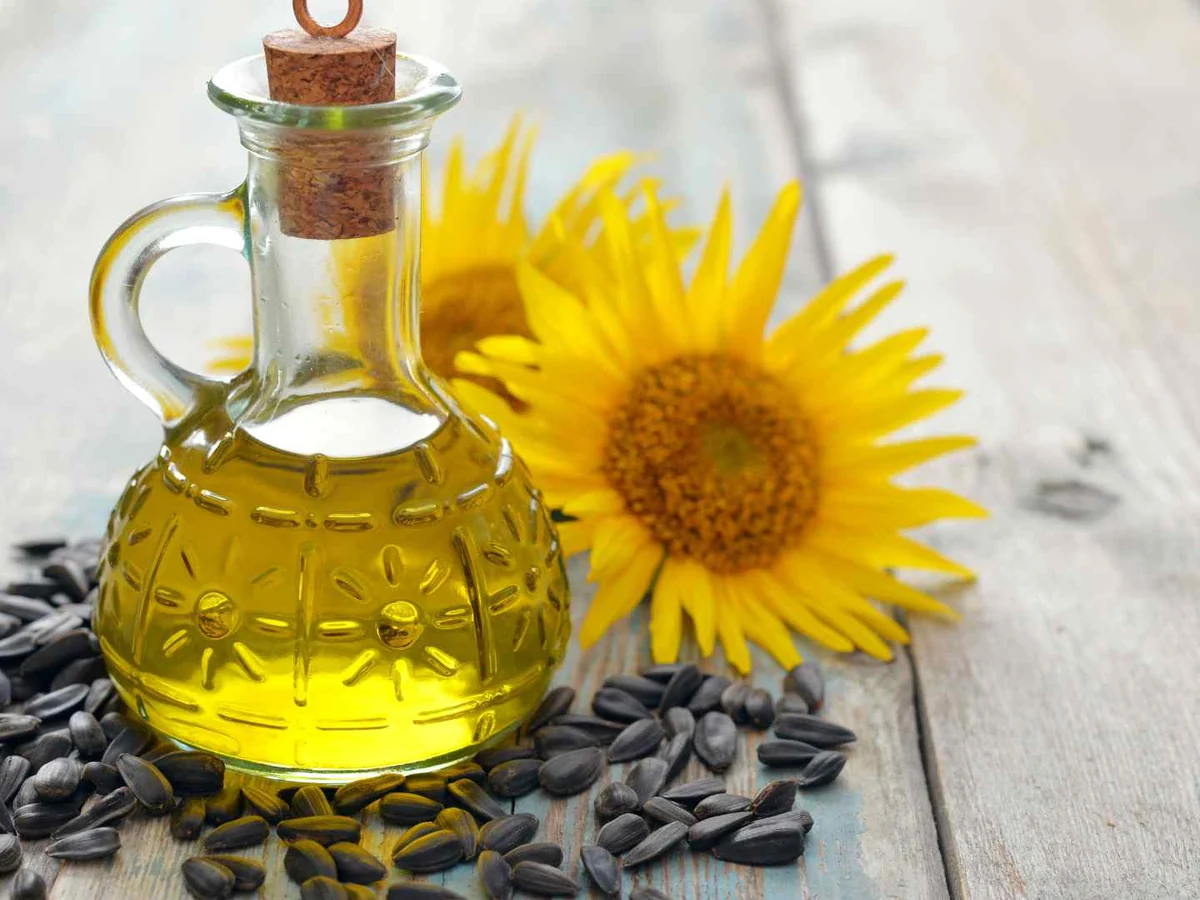
Large amounts can upset the gut
A pantry lick from an open bottle can cause vomiting, diarrhea, abdominal discomfort, or appetite loss. Grease also coats the mouth and fur, extending ingestion through grooming.
Do not claim one lick automatically causes pancreatitis. Cornell notes that feline pancreatitis often has no obvious underlying cause and needs clinical diagnosis.
Persistent vomiting, profound lethargy, pain, or refusal to eat deserves veterinary evaluation. Cats can hide discomfort.
Hot oil is a burn emergency
Oil clings to skin and transfers heat longer than a quick water splash. Paws, lips, tongue, face, and thinly haired areas can sustain deep burns.
Move the cat from the source and call a veterinarian immediately for cooling and transport instructions. Do not apply butter, more oil, ice, toothpaste, or ointment.
Keep the cat from licking damaged tissue. Burn severity can evolve after the kitchen initially looks calm.
Coat spills create prolonged grooming
Cool oil spreads across fur, mats hair, collects dirt, and can be swallowed over hours. Cats may also slip and injure themselves on an oily floor.
Prevent grooming and ask for decontamination guidance when more than a small spot is involved. Do not use solvent, essential oil, dish detergent, or scented degreaser without direction.
Bag contaminated collars and bedding and move food bowls before cleaning. Breathing changes after spray or cleaner exposure is urgent.
Eyes and aerosol cooking spray
Cooking spray can propel fine droplets and include propellants, emulsifiers, antifoam agents, or other oils. Eye contact can cause pain and squinting.
Move the cat to fresh air after aerosol exposure and call for coughing, breathing trouble, or eye symptoms. Do not spray water under pressure into the face.
Save the can and Safety Data Sheet when available. A sunflower picture does not describe every ingredient.
Refined, cold-pressed, and high-oleic
These terms describe processing or fatty-acid profile, not a feline safety ladder. Cold-pressed oil may carry more flavor, while refined oil tolerates cooking differently.
No version becomes a coat supplement without a veterinary nutrition reason and measured dose. Human heart-health claims cannot be transferred to cats.
Store each product according to its label and keep lot information after illness.

Garlic and herb-infused oils
Sunflower oil may be infused with garlic, onion, chile, rosemary, thyme, truffle flavor, or other botanicals. Allium flavorings deserve particular concern in cats because oxidative red blood cell injury can be delayed.
The cat garlic guide covers delayed signs. Oil does not neutralize an allium ingredient.
Call with the recipe and amount before weakness, pale gums, rapid breathing, dark urine, or collapse develops.
Frying changes the whole exposure
Used fryer oil contains crumbs, salt, breading, spices, meat or fish residue, degraded fat, and sometimes cleaning chemicals. Fryer baskets and pans remain dangerously hot.
The cat chicken-nugget guide covers breading, alliums, bones, packages, and brand variation. Report the fried food too.
Secure cooled waste oil in a rigid closed container. Do not leave an open grease pan for a cat to inspect.
Sunflower seeds are not the oil
Whole sunflower seeds bring shells, salt, seasoning, mold, and choking shape, while pressed oil removes those physical pieces. Advice should not jump between forms.
The cat sunflower-seed guide covers kernels, shells, mixes, and packets. Oil has a different calorie and spill profile.
A seed allergy concern also cannot be diagnosed from vomiting after flavored oil. The recipe may contain several proteins.
Margarine, mayonnaise, and dressings
Sunflower oil may appear inside spreads, mayonnaise, sauces, and dressings with egg, dairy, salt, mustard, garlic, onion, or sweeteners. The finished product matters.
The cat ranch guide covers alliums, dairy, fat, packets, and coatings. Do not assess a dressing from its oil alone.
A tiny smear and lapping a condiment cup are different exposures. Save the current label.
Rancidity and storage
Heat, light, oxygen, and time degrade oils, causing off odor or flavor. Rancid oil should be discarded rather than offered as a pet supplement.
Mold or microbial growth usually depends on water and food debris, making used or infused oil different from a sealed refined bottle. Storage history matters.
Repeated vomiting, diarrhea, or appetite loss after questionable oil deserves advice. Secure disposal from pets and wildlife.
Bottles, glass, and pour spouts
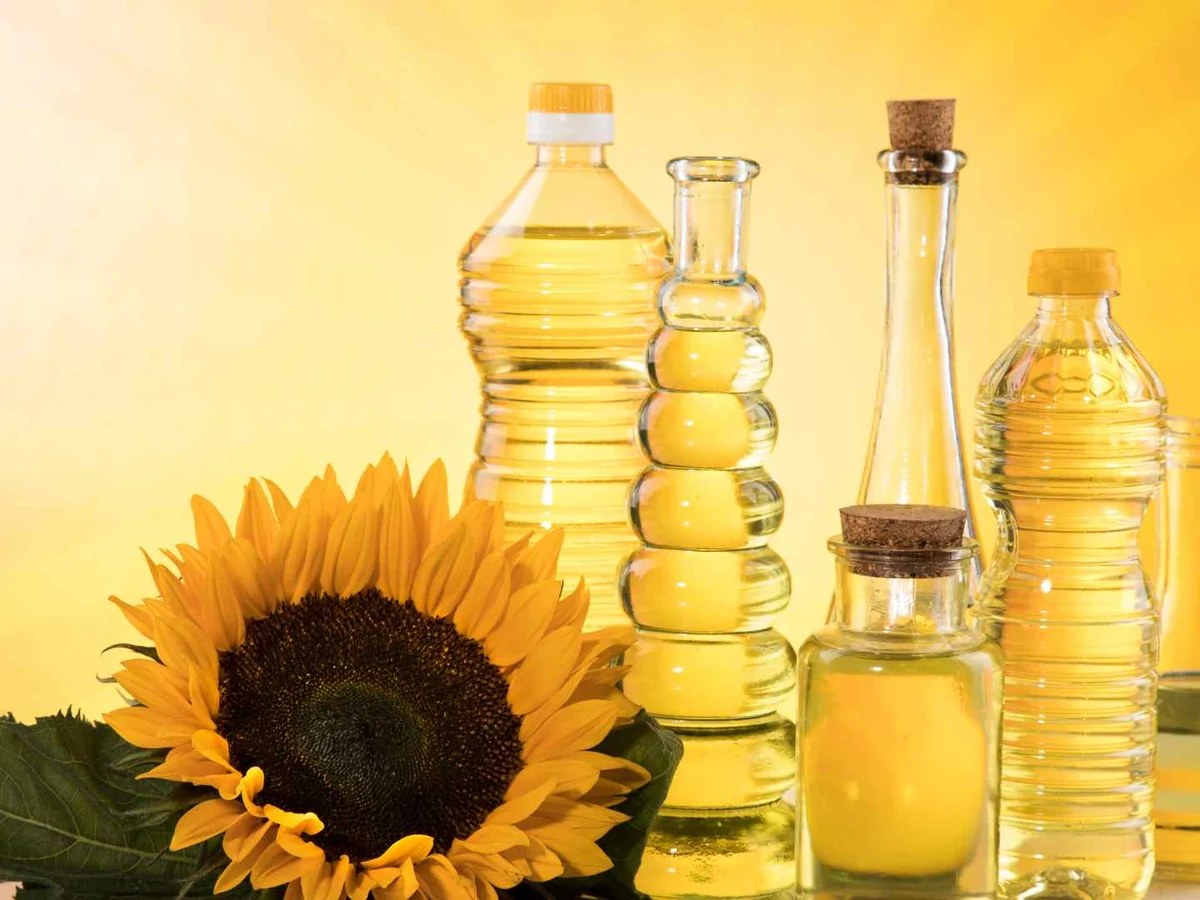
Plastic caps, tamper rings, foil seals, glass shards, pour spouts, corks, and spray nozzles retain oil. A cat may swallow hardware during cleanup.
FDA’s pet-hazard guidance supports securing small objects and food packaging. Count every closure.
Blood, gagging, drooling, vomiting, pain, or a missing glass piece needs urgent care. Do not induce vomiting around sharp objects.
Medical diets and homemade feeding
Kidney, urinary, diabetes, allergy, gastrointestinal, and weight diets have defined nutrient and calorie goals. Adding oil can dilute protein and micronutrients per calorie.
Home-prepared diets require formulation by a qualified veterinary nutrition professional. Choosing an oil from a human wellness article cannot balance a cat recipe.
Do not hide medication in oil unless the prescriber directs it. The dose may stick to the bowl or alter drug absorption.
After one tiny cool lick
For a healthy adult that licked a small amount of plain cool food-grade oil, continue normal food and water while watching vomiting, diarrhea, appetite, energy, and comfort. Keep the bottle.
Call if signs appear, more is missing, or the oil was hot, flavored, rancid, used, aerosolized, or mixed with cleaner. Kittens and medically fragile cats need quicker advice.
Cap bottles before cooking and cool pans behind a closed door. The cat does not need to polish the skillet.
Fish oil is not a substitute comparison
Veterinarians sometimes prescribe specific marine omega-3 products for defined conditions, but that does not make every dietary oil interchangeable. Fatty-acid type, concentration, oxidation, dose, and contaminants matter.
Do not replace a prescribed supplement with sunflower oil or combine oils without asking. Added calories can grow quickly.
Use products the veterinary team can identify and measure. Human capsules may include flavor, vitamins, or coatings not intended for cats.
Oil-soaked cloths and fire safety
Rags and paper towels soaked with cooking oil smell attractive and can be swallowed, causing obstruction. Some oily materials also pose fire risk when stored improperly.
Cool oil safely and dispose of materials according to local fire and waste guidance in a rigid inaccessible container. Count cloth pieces after a raid.
Do not pull fabric emerging from the mouth or anus. Call for vomiting, appetite loss, pain, or missing material.
Massage and skin use
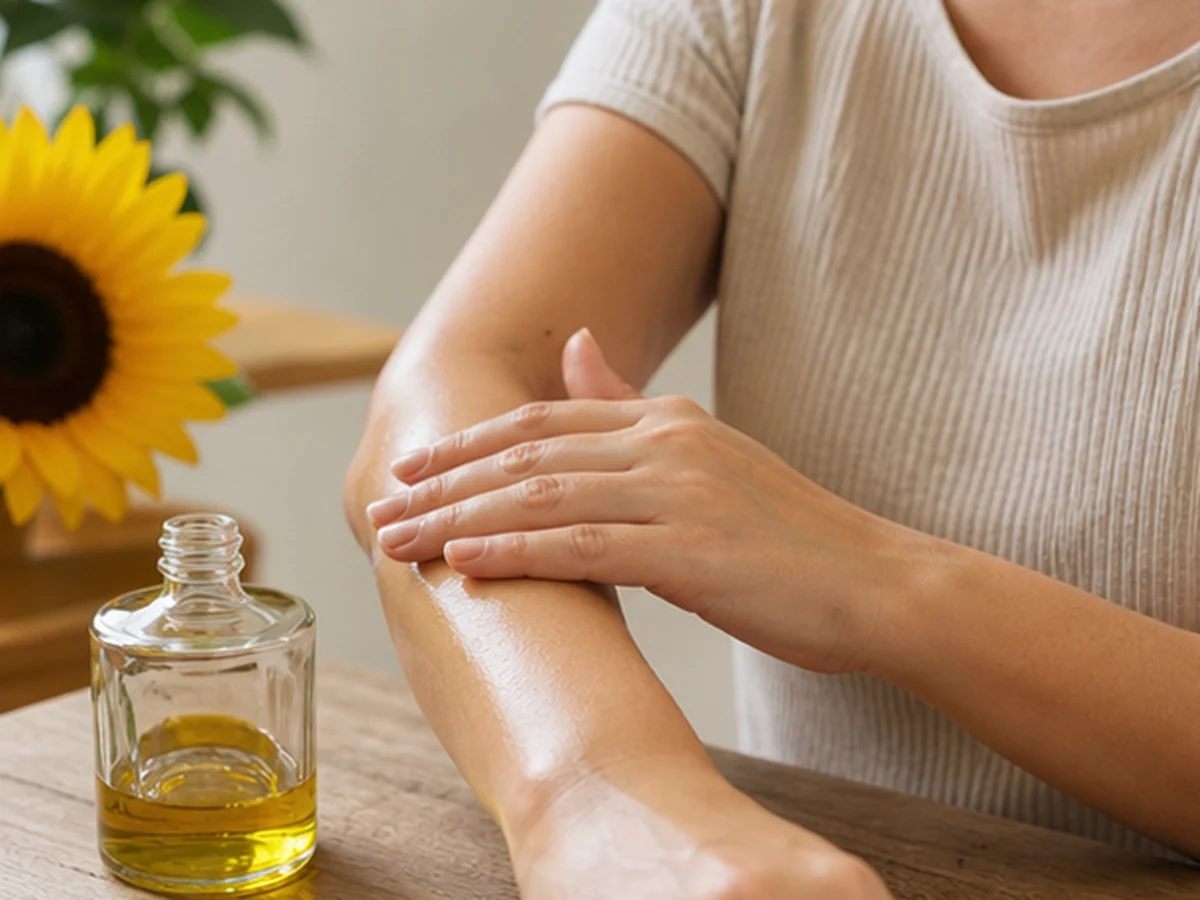
Applying culinary oil to dry skin can trap debris, encourage grooming, and obscure infection, mites, allergy, or pain. It is not a substitute for diagnosis.
Cats with greasy, scaly, itchy, or hairless patches need veterinary evaluation. Do not add essential oils to a homemade rub.
If oil was already applied, report amount, location, other ingredients, and whether the cat licked it. Ask before bathing.
A substantial oil spill can make litter, dust, and cleaning residue cling to paws after the visible puddle is gone. Restrict the cat to a clean safe space during cleanup.
Watch footing on tile because an oily cat can slip while trying to escape. Lameness or pain after a fall needs assessment.
FAQ
Is sunflower oil toxic to cats?
A tiny food-grade lick is generally low risk, but larger amounts can upset digestion and add excessive calories.
Can sunflower oil improve a cat’s coat?
Do not add it for vague wellness claims. Complete cat food already supplies required fats, and supplements need veterinary direction.
What if hot oil spills on my cat?
Contact a veterinarian immediately for burn first aid and do not apply butter, oil, ice, or household ointment.
Can I wash oil off with dish soap?
Ask for product-specific decontamination advice first, especially after a large spill, burn, aerosol, or flavored oil.
Bottom line
Plain sunflower oil is mostly a calorie and digestive issue in small amounts, but hot oil, coat spills, sprays, infusions, fryers, rancidity, medical diets, and packaging create distinct hazards. Skip wellness drizzles and handle spills by route.