Can Cats Eat Pistachios? Shells, Salt, Mold, Flavors, and Calories
A tiny piece of plain, fresh pistachio is unlikely to poison a healthy adult cat, but pistachios are poor feline treats. Whole nuts can cause choking, shells can obstruct or cut the digestive tract, and salted, seasoned, moldy, chocolate-coated, or packaged products add more serious concerns.
What to do after a pistachio raid
Remove the bowl or bag, offer water, and count missing nuts and shells. Save the label, check the flavor coating, and account for plastic, foil, silica packets, clips, and any dessert ingredients.
- One small plain nut piece: usually monitor for vomiting, diarrhea, coughing, or itching.
- Whole nuts or shells: call if gagging, coughing, vomiting, abdominal pain, or appetite loss develops.
- Garlic, onion, chocolate, coffee, raisins, alcohol, cannabis, or unknown coating: contact a veterinarian or pet poison service promptly.
- Breathing difficulty, facial swelling, collapse, repeated vomiting, severe weakness, tremors, or seizures: seek emergency care.
Do not induce vomiting, force water, or blindly sweep the mouth. A shell or whole nut can make home decontamination especially risky.
Pistachios are not inherently feline fuel
Pistachios provide plant protein, fat, carbohydrate, fiber, vitamins, and minerals for people. Cats require a species-specific balance of nutrients, and a handful of nuts cannot supply taurine, arachidonic acid, preformed vitamin A, and the rest of a complete feline profile.
The Merck Veterinary Manual nutrient overview describes these feline requirements and warns that limited-ingredient homemade diets are often inadequate. Plant protein on a package does not convert a nut into cat food.
One crumb is usually an uneventful accident, but deliberate feeding offers calories without a useful nutritional job. The cat can supervise the snack bowl without joining the tasting committee.
Whole nuts are choking hazards
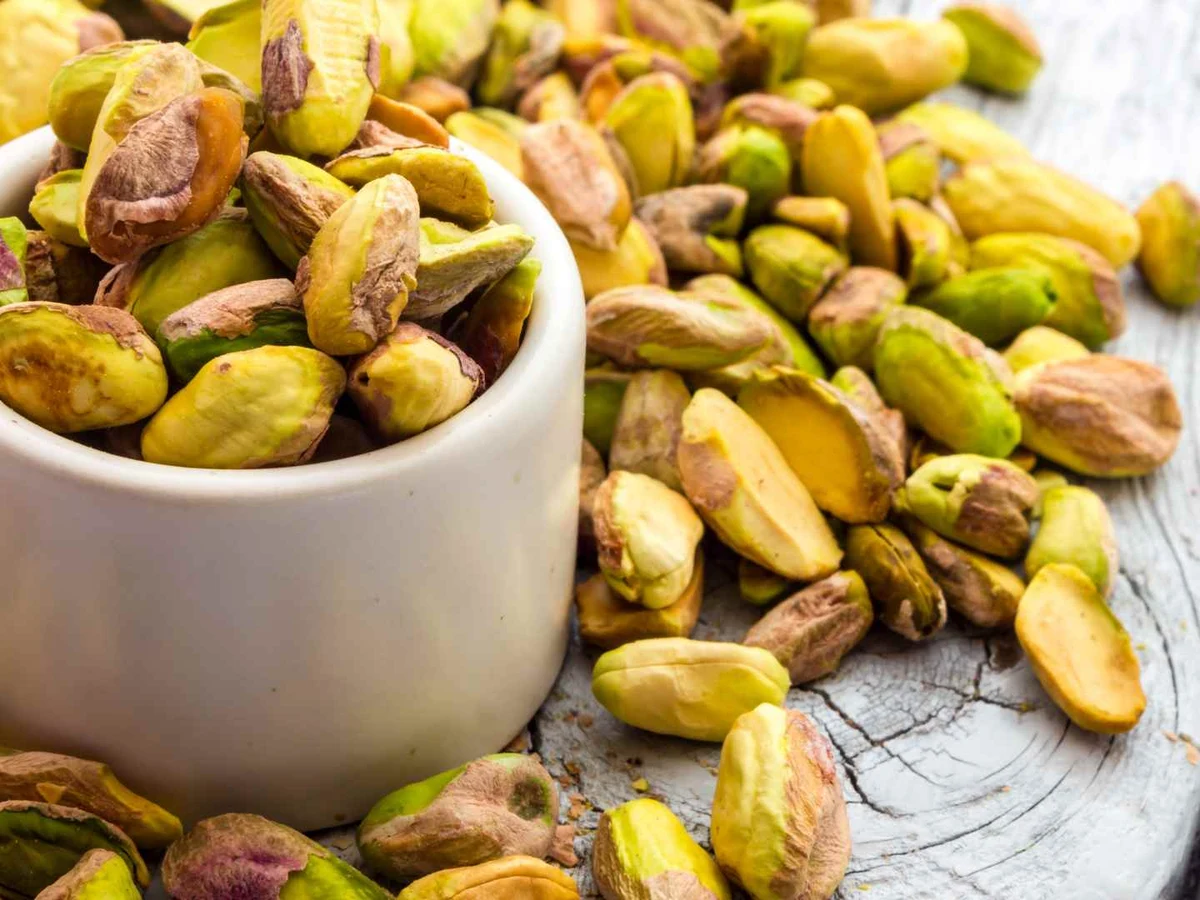
A pistachio kernel is large enough to lodge in a cat’s throat, especially when stolen and swallowed quickly. Kittens, cats with dental disease, and cats with swallowing or neurologic problems are at greater practical risk.
Coughing, gagging, pawing at the mouth, noisy breathing, blue or gray gums, panic, or collapse requires immediate attention. Breathing difficulty is an emergency.
Chopping lowers piece size but does not address fat, calories, salt, seasoning, mold, or allergy. If a cat needs a tiny reward, regular cat food is already engineered for the assignment.
Pistachio shells are worse than the kernel
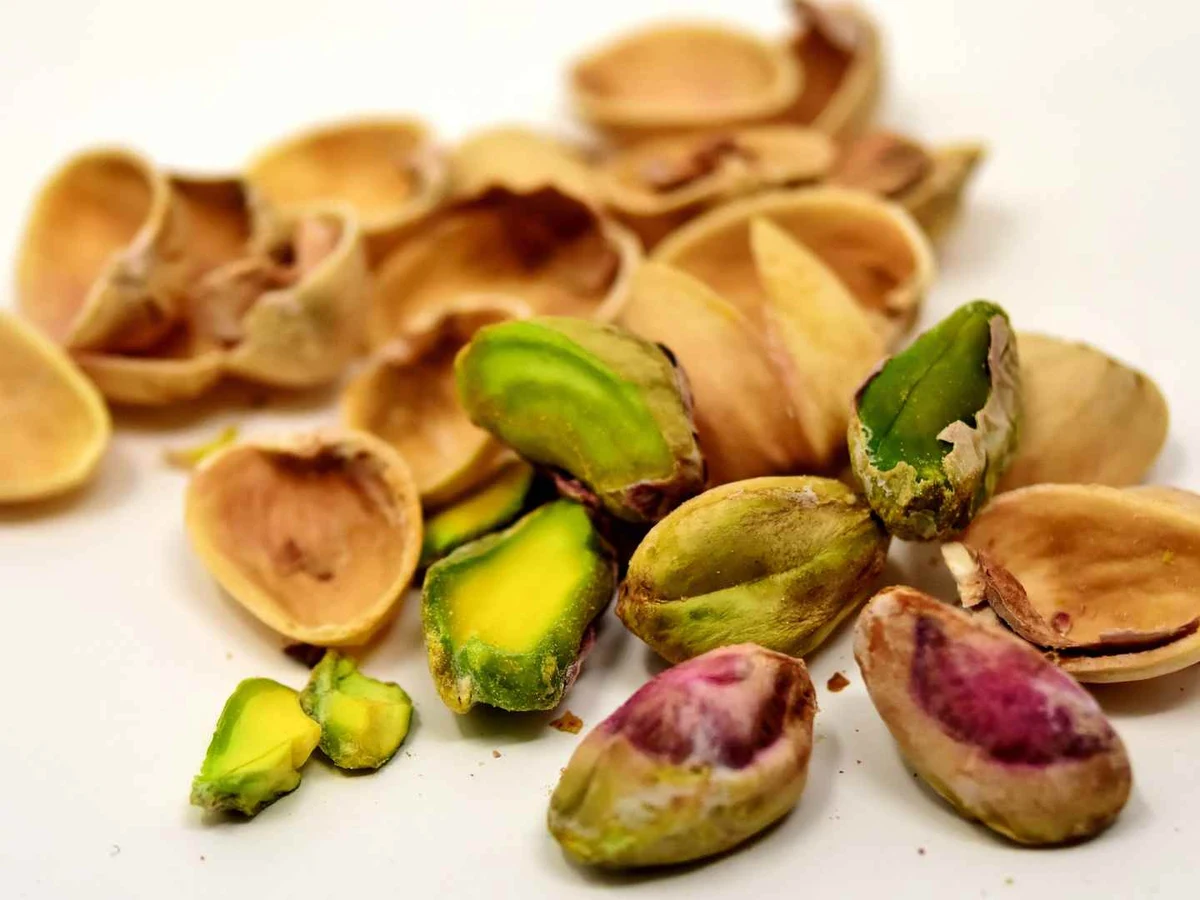
Shells are hard, sharp-edged, and indigestible. They can cut the mouth, damage teeth, lodge in the throat, or cause a gastrointestinal obstruction.
Call for repeated vomiting, inability to keep water down, abdominal pain or swelling, refusal to eat, straining, reduced stool, or marked lethargy after shells disappear. A normal first hour does not guarantee safe passage.
Do not pull shell fragments, string, or plastic from the mouth or rectum when material may be anchored internally. Bring a matching shell to show the veterinary team.
Salted pistachios
One lightly salted kernel is unlikely to cause salt poisoning in a healthy cat with water available, but several nuts or a heavily coated product deserve advice. Salt is concentrated on the surface and easy to consume quickly.
The Merck review of salt toxicosis describes thirst, vomiting, diarrhea, incoordination, tremors, seizures, and other serious effects after excessive sodium exposure. Cats with heart, kidney, urinary, or other medically managed disease may have stricter dietary limits.
Leave fresh water available but do not syringe it into the mouth. Dangerous sodium abnormalities require controlled veterinary correction.
Garlic, onion, chile, and flavor dust
Barbecue, ranch, garlic, onion, cheese, chile-lime, and mixed-nut coatings can introduce irritants and feline toxins. Garlic and onion powder are concentrated Allium ingredients capable of damaging red blood cells.
The Merck Allium toxicosis review identifies cats as especially susceptible and notes that anemia signs can take days to appear. A normal-looking cat after one spicy nut has not ruled out a meaningful coating exposure.
Save the exact label and report the finished product amount. Natural flavors and seasoning can describe proprietary mixtures, so uncertainty should be stated rather than filled with optimism.
Fat, calories, and stomach upset
Pistachios are energy-dense, and a few kernels can occupy a meaningful portion of a small cat’s daily calorie allowance. Repeated treats can contribute to weight gain and dilute complete nutrition.
Rich unfamiliar foods can cause vomiting, diarrhea, gas, or reduced appetite. It is too strong to say that one pistachio causes pancreatitis, but cats with a pancreatitis history or fat-sensitive gastrointestinal disease should avoid them.
The Cornell Feline Health Center recommends keeping treats occasional and within a modest share of calories. Nuts are small enough to make portion creep look innocent.
Mold and poor storage
Nuts can become rancid or moldy when stored with heat or moisture. Some molds can produce dangerous toxins, and the exact contamination cannot be judged by brushing away a dusty spot.
Discard nuts that smell musty or paint-like, taste bitter to a person, feel damp, show discoloration, or come from damaged packaging. Do not feed the cleaner-looking nuts from a suspicious batch to a cat.
Call promptly for tremors, seizures, severe vomiting, weakness, or abnormal behavior after moldy food. Save the package and lot code, then keep the remaining product sealed away from pets.
Pistachio desserts and spreads
Pistachio ice cream, gelato, pudding, cake, cookies, chocolate bars, baklava, and sweet spreads add sugar, fat, dairy, chocolate, alcohol flavor, other nuts, spices, and wrappers. Judge the whole product rather than the green ingredient.
Many adult cats digest lactose poorly, while chocolate and caffeine require prompt dose-based triage. Sugar-free products need a full label check, although established xylitol danger is much clearer in dogs than cats.
Our guides to cashews, pizza, and salami cover related choking, seasoning, and party-food hazards. The butter guide adds context for rich pastry or spread.
Allergy is possible
Any food protein can cause an adverse reaction in a susceptible cat. Watch for itching, hives, facial swelling, vomiting, diarrhea, coughing, or breathing difficulty.
Rapid swelling, collapse, or breathing trouble is an emergency. Cats on elimination diets should not receive pistachios because one mixed snack can compromise weeks of controlled feeding.
Packaging and party bowls
Plastic bags, foil pouches, oxygen absorbers, silica packets, twist ties, and bowl decorations can be swallowed or cause suffocation. The FDA includes food bags in its pet-proofing guidance.
Clear bowls and shells immediately after guests finish. In a multi-pet home, report the maximum each animal could have eaten instead of dividing the missing number evenly.
If symptoms develop
Record vomiting, stool, appetite, activity, drinking, urination, breathing, and gum color. Call for repeated symptoms, blood, pain, worsening lethargy, inability to keep water down, or refusal of normal food.
Do not abruptly starve an overweight cat after a dietary mistake because prolonged inadequate intake can contribute to hepatic lipidosis. Contact a veterinarian early when appetite is poor.
What the veterinary team may assess
The plan depends on whether the concern is choking, a shell or wrapper, a toxic seasoning, mold, allergy, salt, or ordinary dietary upset. Those problems can begin with the same empty snack bowl but require very different examinations and treatment.
Bring the package, remaining nuts and shells, and any recovered material. Report the maximum possible amount, time, symptoms, water access, medical conditions, and whether another pet could have moved the evidence.
Imaging may be recommended when shell or packaging ingestion is plausible, while blood testing or monitoring may be appropriate for a large salty or toxic exposure. Do not assume one episode of vomiting returned every foreign object.
Pistachio milk, butter, and flour
Pistachio milk and creamers may contain sugar, salt, gums, oils, chocolate, coffee, vitamins, and flavoring. A lick of a plain product is usually lower risk than a dessert drink, but water remains the appropriate feline beverage.
Pistachio butter removes the whole-nut shape but creates a sticky, calorie-dense paste that can cause gagging. Large spoonfuls, flavored spreads, and jars with foil seals are avoidable hazards.
Pistachio flour and baking mixes can become airborne, stick to the mouth, or hide cocoa, sweeteners, raw dough, and other nuts. Keep the cat away during baking and assess the finished recipe rather than one flour, including chocolate, raisins, alcohol extracts, raw egg, butter, and every wrapper or utensil that disappeared.
Better rewards and prevention
Store pistachios in the original labeled package inside closed storage, put shells directly into a lidded bin, and keep the cat out of snack preparation. A high shelf is a challenge, while a closed cabinet is a plan.
Offer part of the regular complete ration during human snack time or use a food puzzle in another room. For many healthy cats, a crumb of plain fully cooked egg is another occasional option, as our boiled egg guide explains.
If scavenging suddenly intensifies or accompanies weight loss, increased thirst, vomiting, or rejection of regular food, schedule a veterinary examination. A changed appetite can be a health clue rather than sophisticated nut preferences.
Frequently asked questions
Can kittens eat pistachios?
Skip them. Kittens need complete growth nutrition and have small airways, digestive tracts, and calorie budgets.
Can cats eat pistachio shells?
No. Shells can cut tissue, damage teeth, choke, or obstruct, so call when shells are missing or symptoms appear.
Is one pistachio an emergency?
A small plain kernel is usually not an emergency for a healthy adult. Check salt, seasoning, shell access, mold, and medical conditions, then monitor closely.
The bottom line
One plain pistachio crumb is usually minor, while whole nuts, shells, salt, Allium seasoning, mold, desserts, and packaging raise concern. Save the label, call for higher-risk exposures or symptoms, and spend the cat’s treat budget on complete feline food.