Can Cats Eat Steak Bones? Cooked Splinters, Raw Pathogens, Choking, and What to Do
Do not give steak bones to cats, whether cooked or raw. A bone can lodge in the airway or digestive tract, fracture teeth, cut tissue, obstruct, or carry pathogens, and the fatty, salty meat left around it adds separate problems.
Count every bone before clearing the table
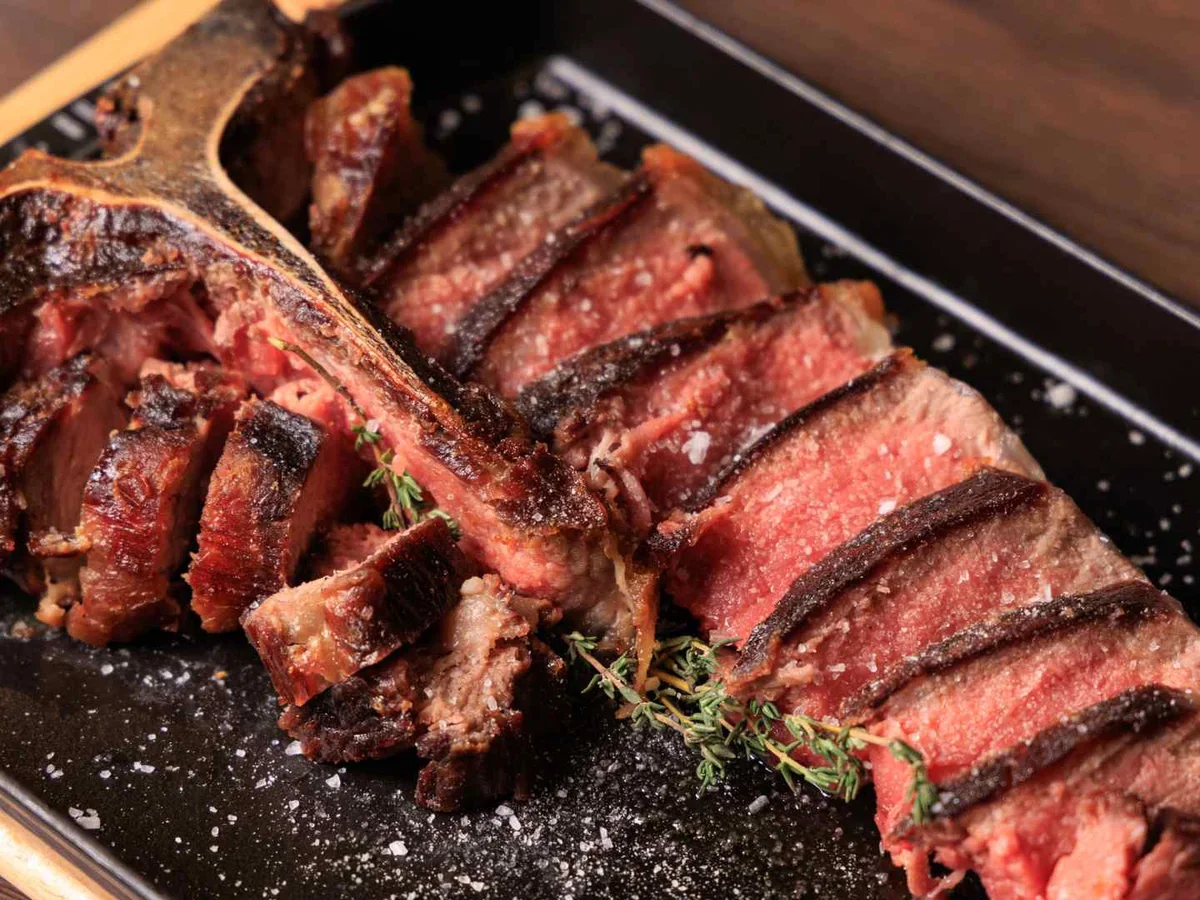
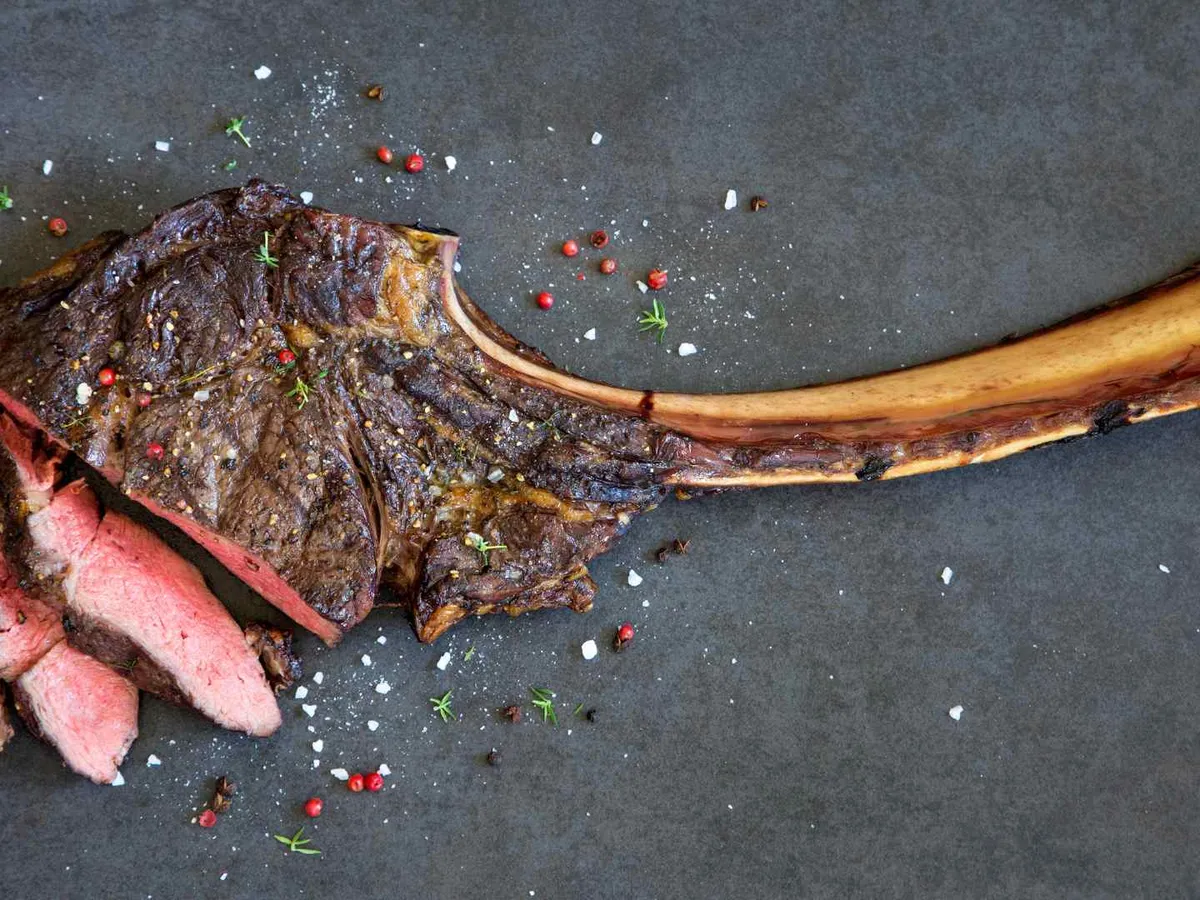
Identify T-bone, rib, porterhouse, tomahawk, marrow, strip, or another cut, then record cooked or raw, approximate dimensions, and missing pieces. Photograph an intact matching bone beside a ruler.
Inventory skewers, butcher’s twine, foil, absorbent pads, knives, and trash liners. Save the package, recipe, and cooking method.
Breathing distress, gagging, repeated swallowing, heavy drooling, collapse, mouth bleeding, or a missing sharp piece is urgent. Do not induce vomiting.
Cooked bones can break into sharp fragments
Roasting, grilling, broiling, and pan cooking dry bone and can make edges brittle. A cat’s small mouth does not protect the esophagus or stomach from a splinter.
FDA lists bones among objects that can obstruct a pet’s esophagus, stomach, or intestines in its household hazard guidance. Sharp fragments can also lacerate tissue.
Never test safety by snapping the bone with your hands. Chewing forces and fracture paths are unpredictable.
Raw is not the safe alternative
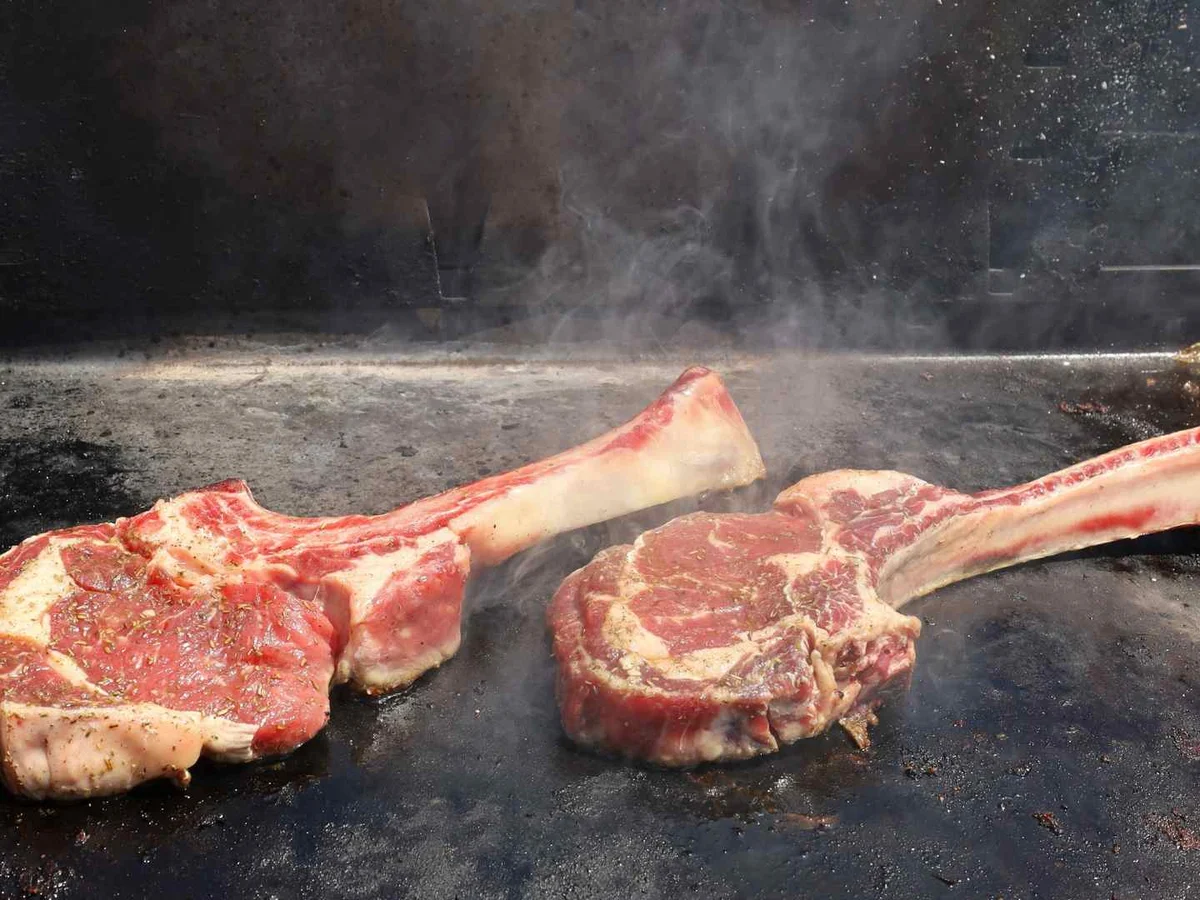
Raw beef bones may be less brittle in some circumstances, but they still choke, obstruct, fracture teeth, and scrape tissue. Raw surfaces can also carry Salmonella, E. coli, and other pathogens.
The CDC advises against raw pet food because it can sicken animals and people. Raw bones contaminate floors, bowls, bedding, hands, and faces.
Freeze-drying and freezing are not household guarantees that pathogens are eliminated. Choose a veterinarian-approved cat product instead of a butcher-counter experiment.
The airway emergency looks sudden
A bone lodged near the throat can cause panic, silent retching, pawing, cyanotic gums, collapse, or inability to move air. Partial obstruction may produce coughing or noisy breathing.
Go for emergency care and call while traveling if another person can do so safely. Do not pour water or food into the mouth.
Only perform first aid you have been trained to use or that an emergency professional directs. Blind finger sweeps can push an object deeper or cause bites.
Esophageal bones may allow some breathing
A cat with a bone in the esophagus may drool, gag, regurgitate, stretch the neck, refuse food, or swallow repeatedly. Breathing can remain possible even while tissue damage progresses.
Do not offer bread, rice, oil, or a large meal to push the bone down. These home remedies delay imaging and can worsen aspiration risk.
Time matters because pressure and sharp edges injure the esophagus. Seek urgent assessment even if symptoms pause.
Stomach and intestinal trouble may be delayed
A swallowed fragment can sit temporarily before obstructing or perforating. Vomiting, food refusal, lethargy, abdominal pain, diarrhea, straining, reduced stool, or a guarded belly may appear hours or days later.
The Merck Veterinary Manual obstruction overview explains diagnostic and treatment principles. Waiting for visible bone in stool is not a safe plan.
Keep the litter box observable but do not break apart stool with bare hands. Update the clinic about every change.
Never pull a protruding fragment or string
Bone may be attached to meat, gristle, twine, floss, or plastic that extends through multiple intestinal loops. Pulling visible material can cause tearing or perforation.
Keep the cat from chewing the exposed end and seek immediate direction. Merck specifically warns against pulling an anchored linear foreign body.
A swallowed steak string is an emergency even when the bone itself is accounted for. Count cooking ties before discarding scraps.
Teeth can lose the contest
Hard beef bone can fracture canine teeth or painful premolars, sometimes exposing pulp. Cats may continue eating on one side and hide discomfort.
Watch for facial swelling, dropping food, jaw chattering, drooling, blood, mouth odor, or reluctance to chew. Dental fractures require veterinary examination rather than nail-file smoothing.
The American Veterinary Dental College owner resources explain that fractured teeth can be painful and infected. Bones are not toothbrushes.
Marrow and fat add digestive trouble
Marrow, gristle, and steak fat are calorie-dense. A substantial raid can cause vomiting, diarrhea, pain, or appetite loss even when no bone fragment was swallowed.
Do not declare pancreatitis after one bite, but seek care for ongoing vomiting, hunched posture, profound lethargy, or refusal to eat. Diagnosis requires a veterinarian.
The cat steak guide separates a tiny plain cooked meat taste from fatty trimmings and seasoned plates.
Seasonings remain on the bone
Garlic butter, onion powder, steak rub, salt, pepper, barbecue sauce, and pan glaze cling to the surface. Allium residues deserve special concern in cats because red blood cells can be damaged and visible illness may be delayed.
The cat onion guide covers delayed anemia signs. Pale gums, dark urine, weakness, rapid breathing, or collapse needs urgent care.
Do not rinse a cooked bone and hand it back. Seasoning is only one reason the bone is unsuitable.
Spoiled scraps and trash raids
Bones left warm in meat juices can accumulate bacteria, while moldy trash adds toxin concerns. A garbage bag may also contain foil, string, skewers, coffee grounds, medication, or cleaners.
Describe everything disturbed, not just the most obvious bone. Save labels and photograph the trash contents safely.
Repeated vomiting, bloody diarrhea, feverish behavior, tremors, seizures, or marked lethargy deserves urgent advice. Secure waste from children and wildlife too.
Commercial bone treats are still bone products
Smoking, baking, drying, or packaging a beef bone does not remove every fracture, obstruction, tooth, or microbial risk. Product recalls and manufacturing controls are lot-specific.
Check the FDA animal-food recall page and retain lot codes. A product sold for pets is not automatically appropriate for cats.
Ask the cat’s veterinarian for dental enrichment suited to age, teeth, and medical history. Dog chew sizing cannot be imported to cats.
What imaging and treatment may involve
Veterinarians may use oral examination, radiographs, ultrasound, endoscopy, or surgery depending on location and signs. Not every bone is equally visible or safely reachable.
Do not feed before the visit unless instructed because sedation or endoscopy may be needed. Bring a matching bone and packaging without delaying departure.
Treatment decisions belong to the clinical team; an online photo cannot certify that a fragment will pass.
After a suspected but unseen swallow
Confine the cat calmly, remove remaining bones, and note the exact time. Do not repeatedly press the abdomen or offer bulky foods.
Call even if the cat looks normal because delayed obstruction and perforation are possible. Follow the clinic’s monitoring and recheck instructions precisely.
If several cats had access, observe each separately and identify them by symptoms and appetite. Do not assume the boldest thief is the only one involved.
Prevention at steak night
Move bones directly from plates to a rigid lidded container, then into secure trash. Do not leave a platter unattended while people clear drinks.
Close outdoor bins against wildlife and wash grease from surfaces. Store butcher twine and skewers with knives rather than in an open drawer.
Offer the cat its normal meal before guests arrive and use a safe toy away from the table. Prevention is far cheaper than retrieving a porterhouse fragment.
Why stool checks cannot prove safety
A fragment seen in stool confirms that one piece traveled through, but it cannot prove that every fragment passed or that internal tissue remained uninjured. Continued comfort and veterinary follow-up matter.
Black tarry stool, fresh blood, straining, vomiting, pain, or appetite loss requires prompt contact. Photograph abnormal stool when useful without delaying care.
Do not give laxatives, mineral oil, fiber, or enemas unless a veterinarian directs them. Some human enemas are dangerous to cats.
Broth and pressure-cooked bones
Pressure cooking may soften some bones, yet uneven pieces and mineral-dense fragments can remain. Homemade bone broth can also contain onion, garlic, salt, fat, and small strained shards.
The cat beef guide helps separate plain cooked meat from rich or raw preparations. It does not turn leftover bones into cat food.
If broth is veterinarian-approved for a specific purpose, use a product and amount the clinician selected. Do not improvise from a human recipe.
Outdoor grills and campfires
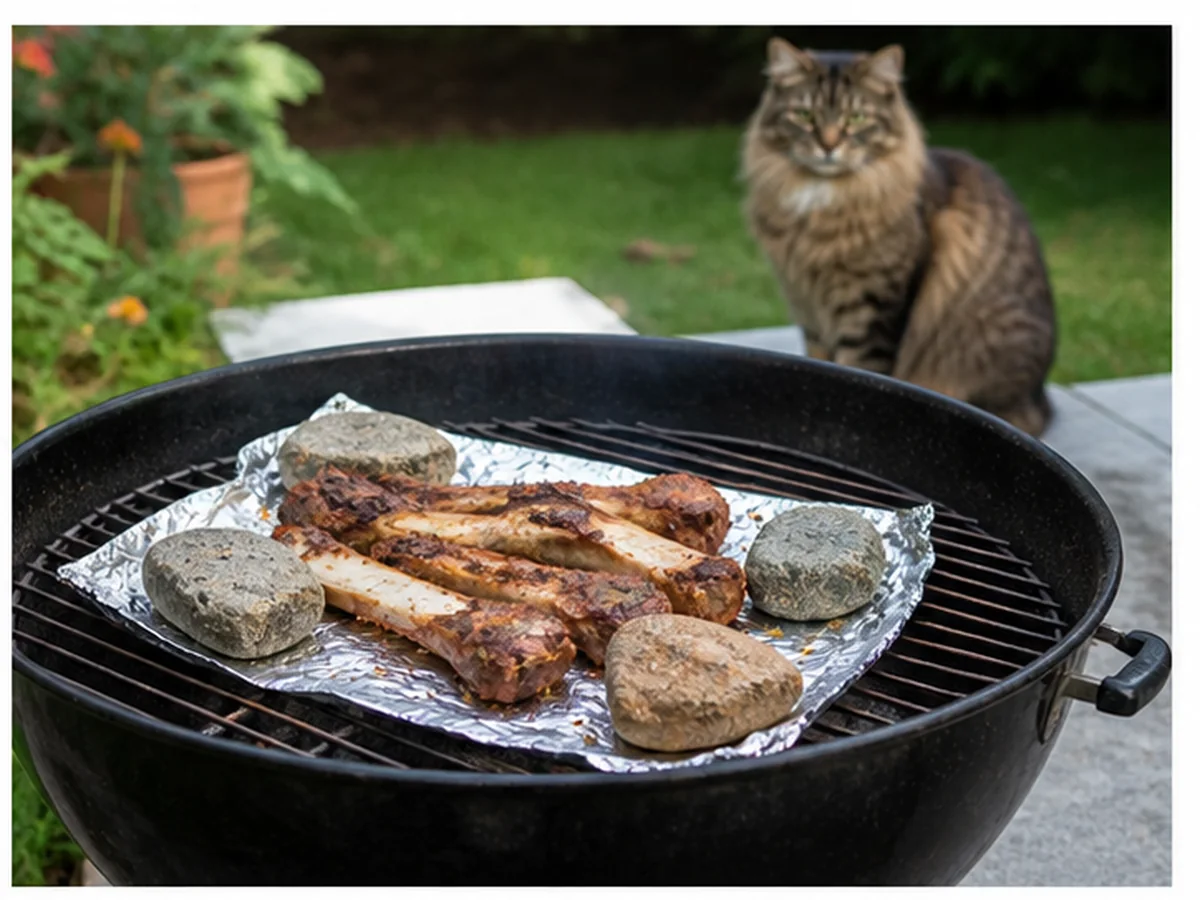
Grill grates, ash, charcoal, lighter fluid, foil, skewers, corn cobs, and bones often share one cleanup zone. A cat or wildlife raid can involve several hazards at once.
Do not use a charred surface or smoky odor as evidence that a bone is sterile. Heat exposure is uneven, while chemicals and sharp debris may remain.
Cool the grill, collect bones into a rigid lidded bin, and account for every skewer. Report lighter-fluid or ash contact separately from the bone ingestion.
Bone fragments can also become wedged across the roof of the mouth, where a distressed cat may resist inspection. Drooling, bad breath, sudden food refusal, or repeated tongue movements after access deserves a veterinary oral examination.
A bone does not become a feline dental tool because it came from an expensive steak. Its shape, hardness, contamination, and destination inside the cat are the facts that matter.
FAQ
Can cats chew cooked steak bones?
No. Cooked bones can fracture into sharp pieces, choke, obstruct, perforate, and break teeth.
Are raw steak bones safer?
No. Raw bones retain mechanical hazards and can carry pathogens that threaten cats and people.
What if my cat swallowed a small bone piece?
Call promptly with its size, shape, cooking status, timing, symptoms, and a matching photograph; do not induce vomiting.
Can bones clean a cat’s teeth?
The risk of tooth fracture and internal injury outweighs that claim. Ask a veterinarian about safe dental care.
Bottom line
Both raw and cooked steak bones are avoidable hazards. Call promptly after a suspected swallow, treat breathing or swallowing difficulty as an emergency, and let imaging rather than kitchen folklore decide whether a fragment can pass.