Can Dogs Eat Chocolate Cake? Cocoa, Frosting, Xylitol, and Portions
Chocolate cake is not a dog-safe dessert, and some recipes can deliver a meaningful chocolate dose. If your dog stole a slice, I would find the recipe or bakery label before estimating risk because a pale boxed cake and a dense flourless dark-chocolate cake are not remotely the same exposure.
Reconstruct the slice before you call it “some cake”
- Estimate what fraction of the cake is missing.
- Find the recipe, box mix, bakery label, or ingredient list.
- Identify cocoa powder, baking chocolate, dark chocolate, chips, or ganache.
- Check frosting and fillings for xylitol, coffee, alcohol, raisins, macadamias, or other high-risk ingredients.
- Note whether candles, wrappers, foil, parchment, skewers, or plastic decorations were swallowed.
- Record your dog’s weight, timing, and symptoms.
I would rather say “about one-quarter of an eight-inch cake” than “one slice” if the slice was cut by someone with generous birthday instincts. Portion language gets slippery fast around dessert.
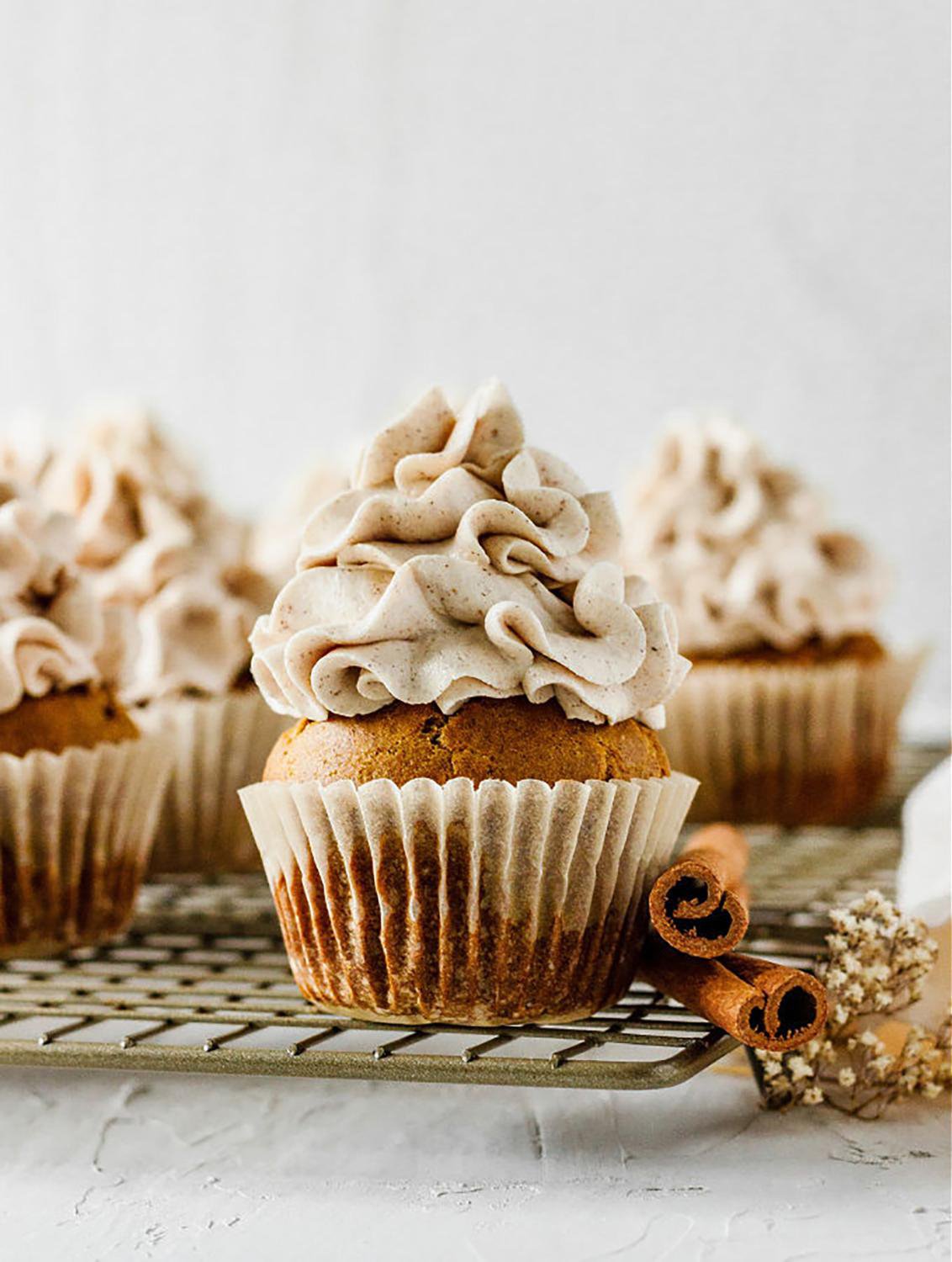
The cocoa recipe matters more than the cake color
Chocolate toxicity comes primarily from the methylxanthines theobromine and caffeine. Cocoa powder and unsweetened baking chocolate are concentrated sources, while milk chocolate contains less per ounce and white chocolate contains very little.
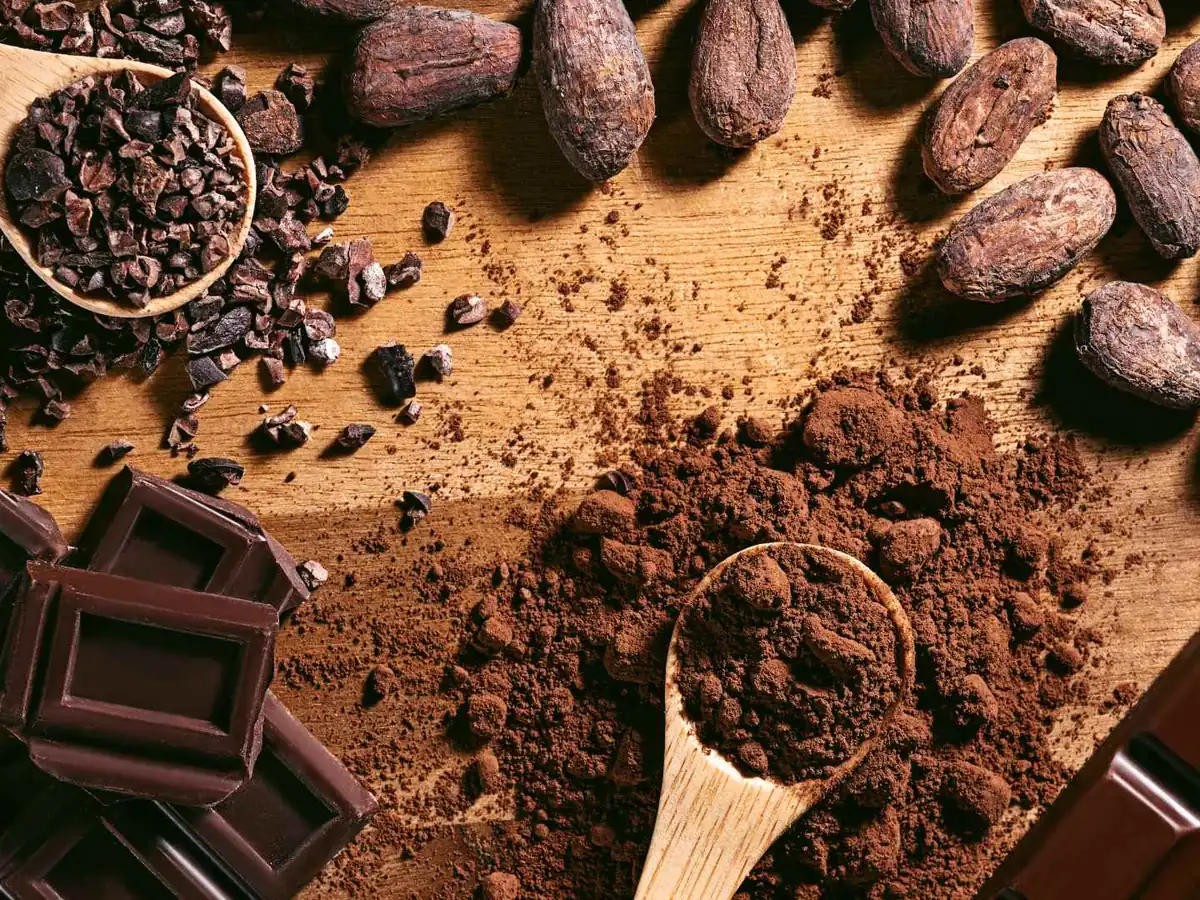
A cake made with several tablespoons of cocoa plus melted dark chocolate can deliver a much larger methylxanthine dose per slice than a lightly flavored boxed mix. Our cocoa powder guide explains why the dry baking ingredient deserves special attention.
If you have the recipe, report how much cocoa or chocolate went into the whole cake and what fraction disappeared. If you do not, save the bakery name and product description rather than inventing a cocoa estimate from how dark the crumb looks.
Flourless chocolate cake can be especially dense
Flourless cakes often rely on substantial amounts of dark or semisweet chocolate, cocoa, butter, eggs, and sugar. Because there is less flour and other bulk, a modest-looking slice can contain a lot of chocolate.
If the cake resembles a dense truffle more than a fluffy sponge, I would not use an ordinary birthday-cake assumption. Get the recipe or product information and call after a meaningful exposure.
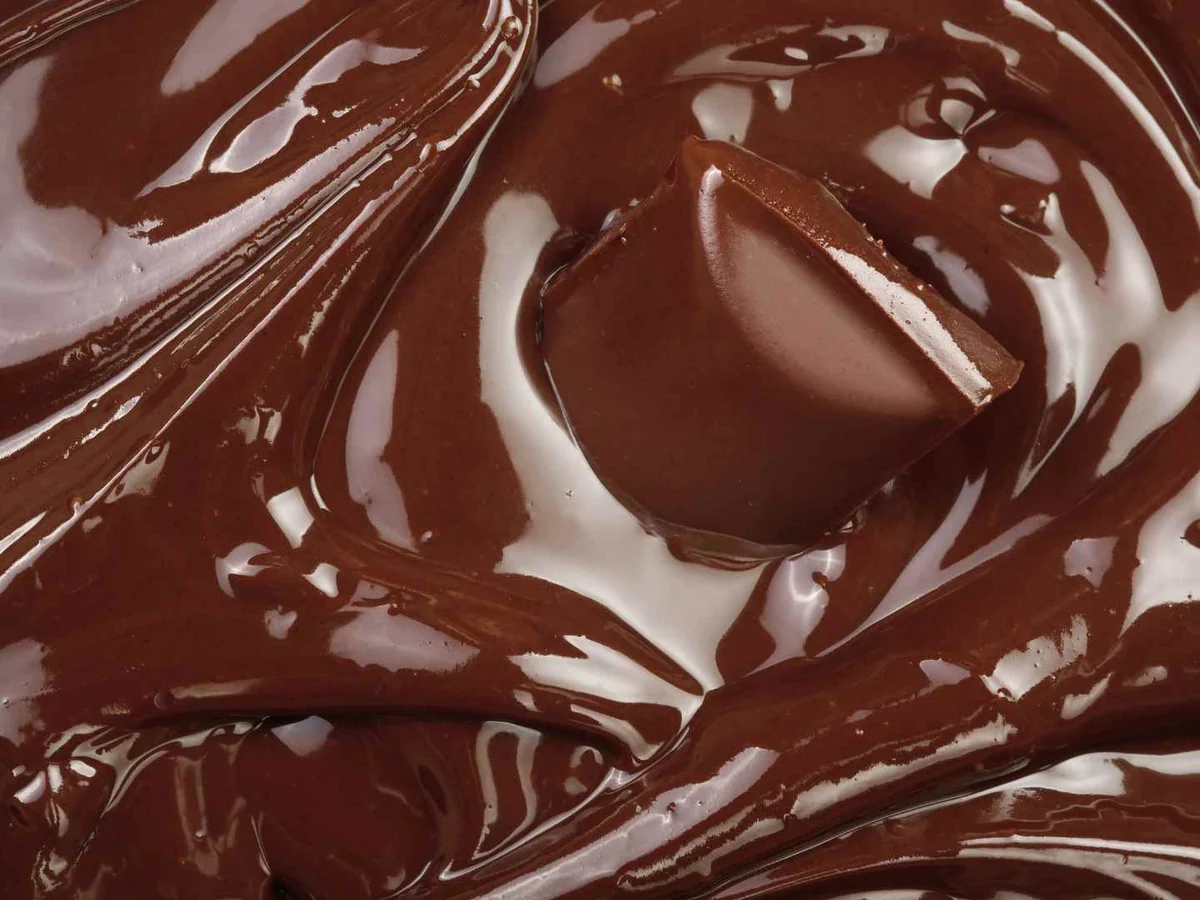
Frosting can add more chocolate or a different hazard
Chocolate buttercream, fudge frosting, ganache, and chocolate cream-cheese icing add more cocoa or chocolate on top of the cake itself. A thickly frosted slice may therefore contain substantially more chocolate than the crumb alone suggests.
Vanilla frosting is usually more of a sugar-and-fat issue, but sugar-free icing needs a xylitol check. Coffee frosting, liquor frosting, and nut fillings add their own ingredient questions.
Sugar-free cake needs a xylitol check immediately
Some keto, diabetic-style, and low-sugar recipes use xylitol. Dogs can develop dangerous hypoglycemia after xylitol ingestion, and larger exposures can also be associated with severe liver injury.
If xylitol appears anywhere in the cake, frosting, filling, or glaze, call immediately and use our xylitol emergency guide for the dose-specific next steps.
Mocha cake can stack caffeine sources
Chocolate cake recipes often use brewed coffee or espresso to deepen flavor, and mocha cakes may contain much more. Coffee adds caffeine on top of the methylxanthines already present in cocoa and chocolate.
Report espresso powder, coffee concentrate, or caffeine amounts when known. Our coffee guide covers why concentrated grounds, beans, and powders deserve more attention than a splash of weak brew.
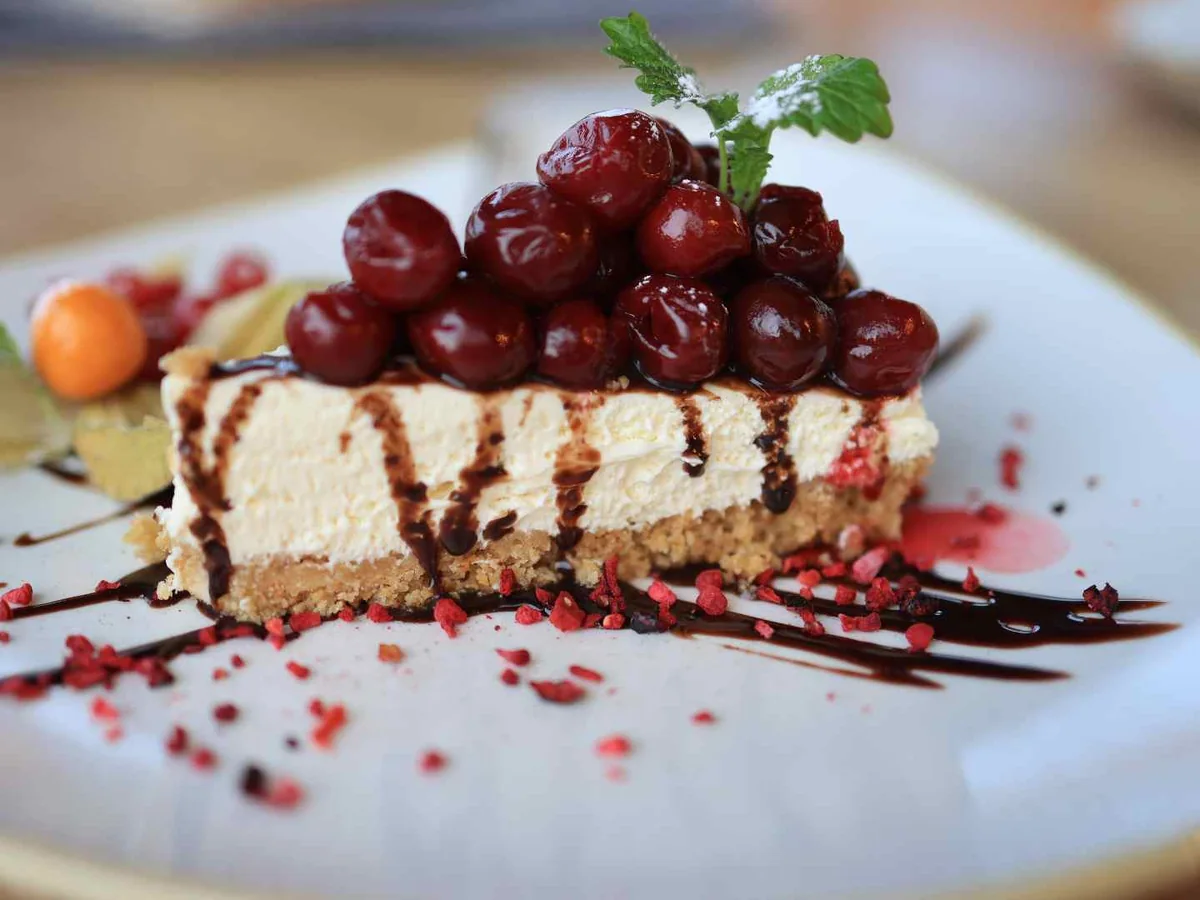
Black Forest and fruit cakes can add cherries or alcohol
Black Forest cake may contain cherries, cherry syrup, chocolate, cream, and sometimes kirsch or another alcohol. Cherry flesh itself is not usually the biggest problem in a prepared cake, but pits, alcohol, chocolate concentration, and rich cream all matter.
Other chocolate fruit cakes may contain raisins or currants, which are much more concerning because grape-derived dried fruit can cause acute kidney injury in dogs. Identify the fruit rather than reporting a generic “fruit filling.”
Nut cakes can hide macadamias
Chocolate cakes may include walnuts, pecans, hazelnuts, almonds, peanuts, or macadamias. Macadamia nuts can cause weakness, vomiting, tremors, depression, and increased body temperature in dogs, creating a separate toxicosis concern.
Other nuts are not equivalent to macadamias, but they can add substantial fat and occasional mold risk. A rich nut-filled cake can therefore be a pancreatitis problem even after the chocolate calculation is reassuring.
The fat and sugar load can be substantial
Chocolate cake can contain butter, oil, cream, chocolate, eggs, frosting, and sugary fillings. A large binge may cause vomiting, diarrhea, abdominal pain, or pancreatitis in susceptible dogs.
Dogs with previous pancreatitis, high blood fats, gastrointestinal disease, or prescribed low-fat diets deserve individual advice. “Not enough chocolate to poison him” does not mean “an entire birthday cake will be a delightful digestive experience.”
Candles, skewers, and cake decorations can cause physical injuries
Birthday cake theft can include candles, plastic picks, wooden skewers, foil cake boards, ribbon, wrappers, and paper decorations. Sharp or long objects can injure the mouth or gastrointestinal tract and deserve prompt veterinary advice.
Do not pull string, ribbon, or a long object from the mouth or rectum if it appears stuck. A veterinarian should assess possible linear or sharp foreign bodies rather than turning a bad cake decision into a worse mechanical injury.
Watch for both chocolate signs and gastrointestinal signs
Chocolate-related signs can include vomiting, diarrhea, restlessness, increased thirst or urination, rapid or abnormal heart rate, panting, tremors, overheating, seizures, weakness, and collapse. Rich-food problems may instead show as repeated vomiting, abdominal pain, poor appetite, or lethargy.
These categories can overlap, which is why the ingredient history matters. A dog can have stomach upset from butter and stimulant signs from cocoa at the same time.
Do not automatically make the dog vomit
A veterinarian may consider vomiting after a recent chocolate exposure in an appropriate dog, but the decision depends on timing, symptoms, medical history, and swallowed objects. A weak, trembling, seizing, poorly coordinated, or breathing-impaired dog can aspirate.
Do not use salt, mustard, oil, or fingers. If a veterinary professional specifically directs hydrogen peroxide, follow the exact case-specific instructions.
Cake storage needs more than counter height
Put finished cakes behind a closed door, inside a secure cake carrier, or in an appropriate appliance rather than leaving them on a low counter. Chairs, stools, and nearby tables can turn an apparently unreachable cake into a short agility course.
I am especially careful during parties because plates get abandoned at dog height in every room. The safest cake is the one nobody has to reconstruct from crumbs and a suspiciously clean paper plate.
Frequently asked questions
My dog ate one bite of chocolate cake. Is that dangerous?
A tiny bite of a lightly chocolate cake may be low risk for many dogs, but the recipe matters. Dense cocoa, dark chocolate, xylitol, coffee, raisins, macadamias, or a very small dog can change the answer.
Is chocolate frosting more dangerous than the cake?
It can contribute a meaningful portion of the total chocolate, especially if it is made with cocoa powder, dark chocolate, or ganache. Calculate the whole slice rather than separating the frosting mentally.
Can dogs eat vanilla cake with chocolate frosting?
The chocolate frosting still matters, and the cake adds fat and sugar. Check for xylitol or other dangerous fillings and use the amount of frosting to estimate the chocolate exposure.
Should I skip dinner after my dog eats cake?
Do not impose a home fasting plan unless a veterinarian recommends it. The immediate priority is identifying toxic ingredients and monitoring for symptoms, then following your veterinarian’s feeding advice.
Bottom line
Chocolate cake risk depends on the recipe, portion, dog size, frosting, fillings, and swallowed decorations. Identify the cocoa and chocolate sources, check for xylitol, caffeine, raisins, macadamias, alcohol, and foreign objects, and call promptly when the dose or ingredients make the exposure meaningful.